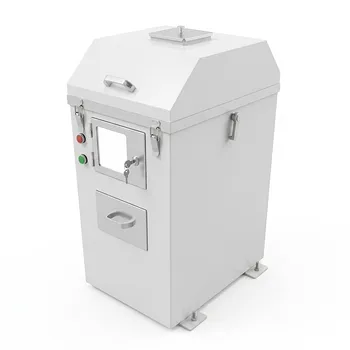
What is the role of industrial crushers and grinding equipment in waste glass pretreatment for eco-friendly bricks?
Updated 4 months ago
Industrial crushers and grinding equipment serve as the essential catalyst for transforming waste glass into a viable raw material for eco-friendly clay bricks. By mechanically breaking down glass bottles and fragments into fine powders, these machines increase the specific surface area of the glass particles. This surface area expansion is critical for ensuring a thorough mix with ball clay, providing the physical foundation necessary for uniform melting and chemical bonding during the subsequent sintering process.
Core Takeaway: The role of industrial crushing equipment extends beyond simple size reduction; it is a precision process that dictates the chemical reactivity, homogeneity, and ultimate structural integrity of modified eco-friendly bricks.
Maximizing Chemical Reactivity and Bonding
Increasing Specific Surface Area
The primary function of grinding equipment is to maximize the specific surface area of the waste glass. This microscopic expansion allows for more comprehensive contact and reaction with the clay matrix during the mixing stage.
Without this increased surface area, the glass cannot effectively interact with the surrounding minerals, leading to weak spots in the finished brick.
Facilitating the Sintering Process
During high-temperature firing, the glass phase must melt uniformly to act as a binding agent. Industrial-grade powders ensure that this glass phase transition is consistent throughout the brick body.
This consistency is vital for creating the chemical bonding required to transform loose aggregates into a stabilized, durable construction material.
Achieving Structural and Matrix Optimization
Controlled Particle Size Distribution
Crushers allow operators to control the fineness modulus of the glass to match or exceed that of natural river sand. By adjusting crushing intensity, manufacturers can produce specific gradings that act as either active fillers or sand substitutes.
Precise gradation ensures that the glass particles integrate seamlessly into the clay, preventing structural imbalances that occur with irregular fragment sizes.
Enhancing Mechanical Interlocking
Mechanical crushing often yields glass particles with angular geometric shapes and sharp edges. These features are essential for enhancing internal friction and mechanical interlocking within the brick or soil matrix.
In stabilized soil bricks, these angular particles provide structural skeletal support, significantly increasing the ultimate compressive strength of the final product.
Pore-Filling and Density Optimization
Fine glass powders produced by high-intensity grinding serve as effective micro-fillers. These particles occupy the microscopic voids between clay and soil particles.
This pore-filling effect increases the overall density of the modified soil, reducing porosity and improving the brick's resistance to moisture and environmental degradation.
Understanding the Trade-offs
Energy Consumption vs. Fineness
Achieving ultra-fine particle sizes requires significantly higher energy input and longer processing times. Producers must balance the energy costs of grinding against the incremental gains in chemical reactivity for the specific brick application.
Equipment Wear and Maintenance
Waste glass is highly abrasive, leading to rapid wear on jaw plates, rollers, and grinding media. Frequent maintenance cycles and the use of high-durability alloys are necessary to maintain consistent particle gradation over time.
Shape Control Challenges
While angularity helps interlocking, overly elongated or "flaky" particles can create planes of weakness. Selecting the right type of crusher—such as a roll crusher versus a jaw crusher—is critical to achieving the desired cubic particle shape.
Optimizing the Pretreatment Process
How to Apply This to Your Project
- If your primary focus is Maximum Compressive Strength: Utilize high-intensity grinding to produce a fine powder that maximizes chemical bonding and pore-filling density.
- If your primary focus is Sand Substitution: Adjust industrial crushers to produce a "glass sand" with a gradation that closely mimics the fineness modulus of natural siliceous sand.
- If your primary focus is Geopolymer Activation: Ensure glass is processed into a fine powder to increase the reactivity of aluminosilicate precursors during alkali-activation.
By precisely controlling the mechanical breakdown of waste glass, manufacturers can transform a waste stream into a high-performance additive that enhances both the environmental and structural profiles of modern masonry.
Summary Table:
| Process Function | Impact on Eco-Friendly Bricks | Recommended Equipment |
|---|---|---|
| Size Reduction | Replaces natural sand and improves matrix homogeneity. | Jaw Crushers, Roll Crushers |
| Surface Expansion | Increases chemical reactivity for better bonding with clay. | Planetary Ball Mills, Jet Mills |
| Particle Shaping | Enhances mechanical interlocking and compressive strength. | Disc Mills, Rotor Mills |
| Micro-filling | Reduces porosity and increases final brick density. | Vibratory Sieve Shakers, Fine Mills |
| Sintering Aid | Ensures uniform glass phase transition during firing. | High-Intensity Grinders |
Transform Waste into High-Performance Materials
Achieving the perfect particle size and distribution is critical for the structural integrity of modified eco-friendly bricks. At [Company Name], we provide complete laboratory sample preparation solutions for material science, specializing in high-precision powder processing and compaction equipment.
Whether you need to crush raw waste glass or produce ultra-fine reactive powders, our extensive product line has you covered:
- Size Reduction: Heavy-duty jaw and roll crushers.
- Fine Grinding: Planetary ball mills, jet mills, and cryogenic grinders for high-reactivity powders.
- Classification: Vibratory and air-jet sieve shakers for precise fineness modulus control.
- Compaction & Forming: A full spectrum of hydraulic presses, including Cold/Warm Isostatic Presses (CIP/WIP), vacuum hot presses, and standard lab presses to ensure maximum brick density.
Ready to optimize your material research? Contact our experts today to find the ideal equipment for your laboratory or production needs!
References
- Kai Ying Chew, Maliza Ismail Jamail. Valorisation of Waste Glass in Eco-friendly Clay Brick: Influence on Physico-mechanical Properties and Water Absorption. DOI: 10.24191/mjcet.v8i2.8542
Mentioned Products
- Cross Beater Mill for Brittle Material Grinding and Continuous Fine Crushing Industrial Sample Preparation
- Stainless Steel Coarse Crusher for Pharmaceutical Food and Plastic Material Processing
- Versatile Industrial Crusher for Laboratory Crushing and Material Processing
- Heavy Duty Industrial Jaw Crusher for Primary Ore Crushing and High Capacity Mineral Material Size Reduction
- Heavy-Duty Crusher for Laboratory and Industrial Material Size Reduction
People Also Ask
- Why use lab mills for corncob size reduction? Boost activated carbon surface area and activation efficiency.
- How does an industrial grinding mill contribute to groundnut shell powder preparation? Enhance Polymer Filler Performance
- What is the technical significance of the relative collision velocity of grinding media? Maximize Milling Efficiency
- What Role Does Lab Grinding Play in Banana Fiber Thermal Coatings? Optimize Waste Into High-Performance Barriers
- Why use a grinding mill to refine mine filling samples to below 75μm? Ensure Accurate XRF and Chemical Analysis

Tech Team · PowderPreparation
Last updated on Jun 03, 2026
Related Products
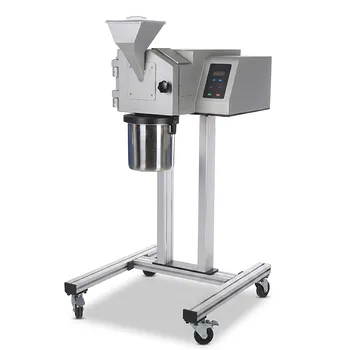
Cross Beater Mill for Brittle Material Grinding and Continuous Fine Crushing Industrial Sample Preparation
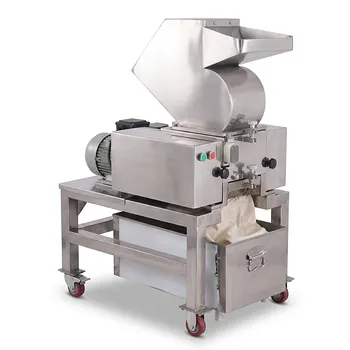
Stainless Steel Coarse Crusher for Pharmaceutical Food and Plastic Material Processing
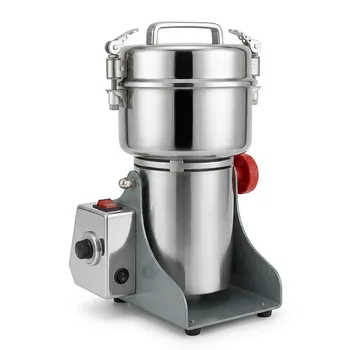
Versatile Industrial Crusher for Laboratory Crushing and Material Processing
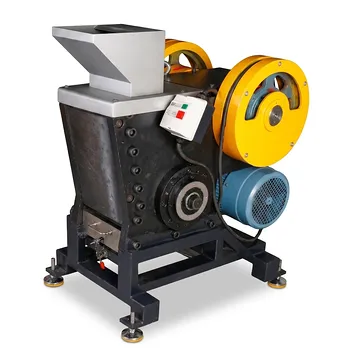
Heavy Duty Industrial Jaw Crusher for Primary Ore Crushing and High Capacity Mineral Material Size Reduction
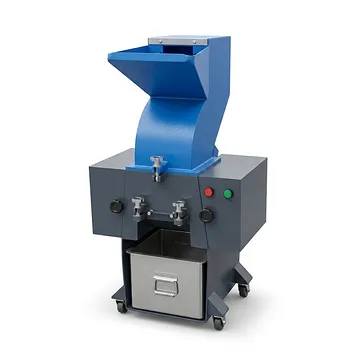
Heavy-Duty Crusher for Laboratory and Industrial Material Size Reduction
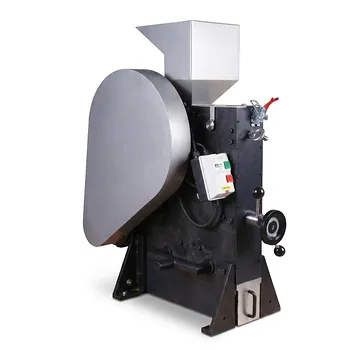
Heavy Duty Industrial Laboratory Jaw Crusher for Primary Sample Preparation and Hard Material Size Reduction
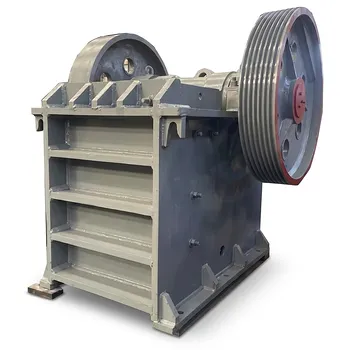
Heavy-Duty Jaw Crusher for Medium-Hard Ore and Industrial Mineral Crushing
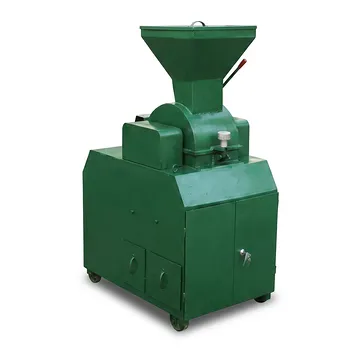
Industrial Sealed Hammer Knife Crusher for Mining Ore and Coal Sample Preparation
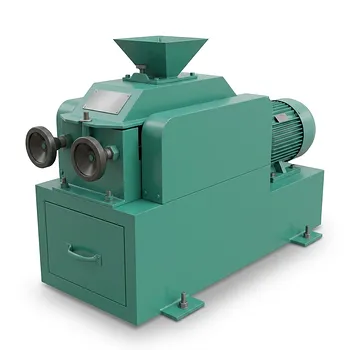
Horizontal Double Roll Crusher for Medium Fine Crushing of Coal Limestone and Ores
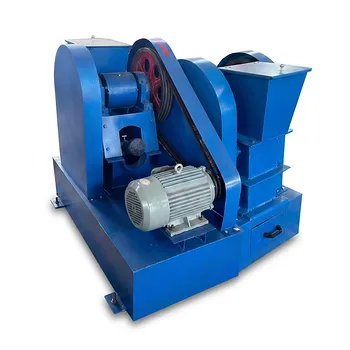
Horizontal Jaw Crusher Medium Hard Material Crushing Laboratory Sample Preparation Equipment
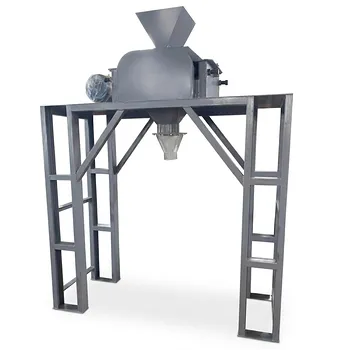
Heightened Customized Laboratory Double Roll Crusher for Coal Ore Rock Crushing
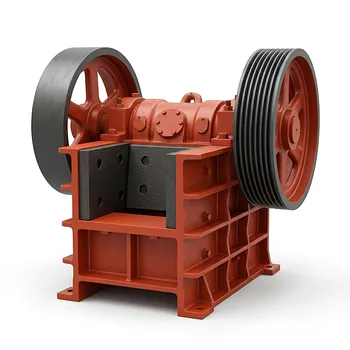
250x400 Jaw Crusher for Primary Crushing of Ores and Bulk Materials
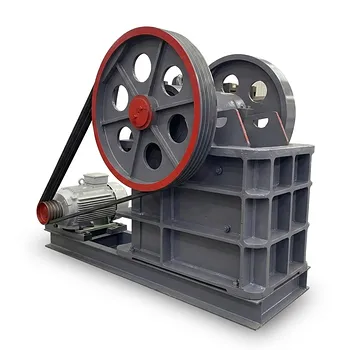
250x400mm Jaw Crusher Medium Crushing Equipment for Mining Mineral Sample Preparation
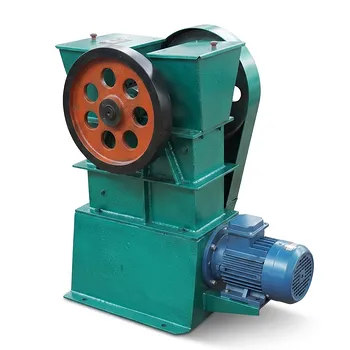
150×125mm Laboratory Jaw Crusher for Medium and Fine Crushing of Brittle Materials
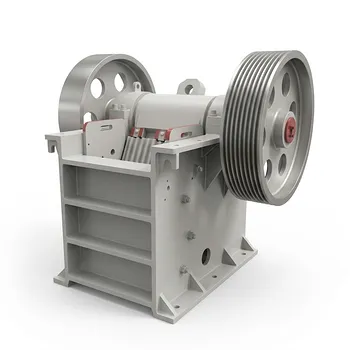
Jaw Crusher with 400x600mm Feed Opening for Primary Rock Crushing in Mining and Construction
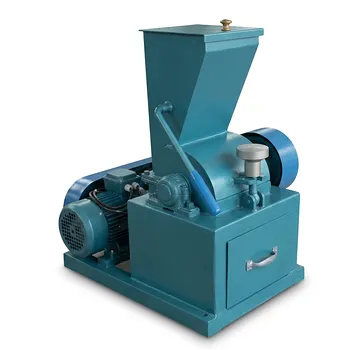
Small Hammer Crusher for Brittle Material Crushing in Mining Metallurgy and Lab Sample Preparation
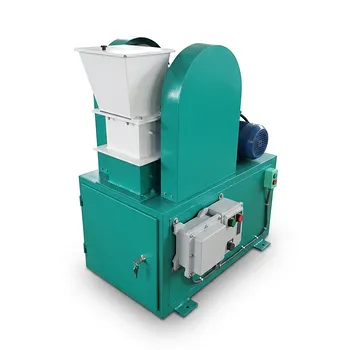
Custom Explosion-Proof Sealed Jaw Crusher for Laboratory and Industrial Sample Preparation
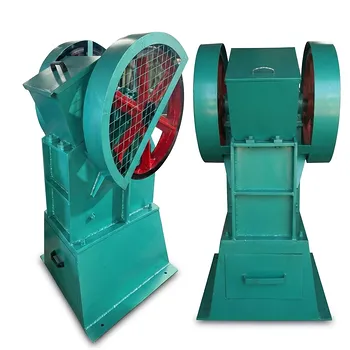
Sealed Jaw Crusher for Laboratory Material Crushing and Sample Preparation
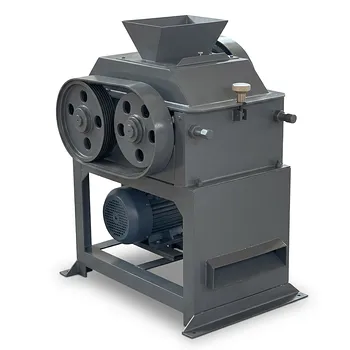
Sealed Laboratory Double Roll Crusher for Coal, Mineral, Ore Sample Preparation