What is the function of an omni-directional planetary ball mill? Achieve Streak-Free Glass Homogenization
Updated 4 months ago
The omni-directional planetary ball mill is the primary driver of microscopic homogenization. It utilizes multi-dimensional rotation to apply intense impact and shear forces, transforming silica and alkali metal carbonate powders into a high-reactivity precursor. This ensures that the final sodium-potassium mixed silicate glass is structurally uniform and free of optical streaks.
The core function of the omni-directional planetary ball mill is to achieve microscopic-level distribution of components by overcoming the limitations of gravity-induced settling. This high-energy physical mixing is the critical prerequisite for a rapid, uniform chemical reaction during the high-temperature melting phase.
The Mechanics of Omni-Directional Homogenization
Multi-Dimensional Impact and Shear
Standard planetary mills often suffer from "dead zones" where materials settle due to gravity or centrifugal consistency. Omni-directional rotation solves this by rotating the grinding jars in multiple dimensions, ensuring the grinding media strikes the material from every angle. This constant shift in the force vector generates the impact and shear forces necessary to break down agglomerates of silica and alkali metal carbonates.
Microscopic-Level Dispersion
To achieve a streak-free glass melt, the raw materials must be mixed at a microscopic scale rather than a macro scale. The mill achieves this by refining the particle size of reagents—such as sodium carbonate and potassium carbonate—down to the micron level. This ensures that every cubic millimeter of the batch contains the precise stoichiometric ratio required for the glass composition.
Increase in Specific Surface Area
High-energy milling significantly increases the specific surface area of the raw powders. By grinding materials like quartz sand to a fine state (often less than 71 micrometers), the mill maximizes the contact points between different chemical species. This physical transformation is what prepares the powder for the rapid chemical transitions that occur during melting.
Strategic Benefits for Glass Production
Enhanced Chemical Reactivity
The thorough mixing and refinement provided by the mill create a high-activity precursor. This allows the chemical components to react more quickly and at lower relative temperatures during the heating cycle. By reducing the distance between reacting molecules, the mill speeds up the formation of the silicate phases.
Prevention of Phase Segregation and Streaks
In sodium-potassium mixed silicate systems, non-uniformity often manifests as optical streaks or "striae" in the final glass. The omni-directional mill prevents this by ensuring that the alkali metals are distributed perfectly throughout the silica matrix before melting begins. This homogeneity ensures that the glass melt is structurally uniform from the moment of liquefaction.
Consistent Chemical Composition
Mechanical force is used to pre-refine chemical reagents, ensuring that the resulting glass body has a consistent chemical composition across the entire batch. This is particularly vital for technical glasses where specific properties, such as thermal expansion or refractive index, must be strictly controlled.
Understanding the Trade-offs
Mechanical Wear and Contamination
The intense energy required for homogenization can lead to abrasive wear on the grinding jars and balls. If the media material is not carefully selected, trace elements from the equipment can leach into the glass raw materials. This can alter the optical properties or chemical stability of the final silicate glass.
Heat Generation and Material Caking
High-frequency rotation generates significant internal heat within the grinding jars. For certain alkali metal carbonates, this heat can lead to moisture release or "caking," where the powder sticks to the jar walls. Managing milling durations and using appropriate solvents (wet milling) are often necessary to mitigate these effects.
How to Apply This to Your Project
When utilizing an omni-directional planetary ball mill for glass preparation, your approach should vary based on your specific quality requirements.
- If your primary focus is Optical Clarity: Prioritize omni-directional settings and longer milling times to eliminate all microscopic "dead zones" that cause streaks.
- If your primary focus is Purity: Use grinding media and jars made of high-purity materials, such as zirconia or alumina, to minimize metallic contamination.
- If your primary focus is Production Speed: Increase the rotation frequency to maximize impact force, but implement cooling intervals to prevent material caking.
Mastering the multi-dimensional force of the planetary ball mill is the essential first step in producing high-quality, homogeneous silicate glass.
Summary Table:
| Key Feature | Role in Homogenization | Benefit for Final Glass |
|---|---|---|
| Multi-Axis Rotation | Eliminates "dead zones" & gravity settling | Prevents optical streaks and striae |
| High Impact & Shear | Breaks agglomerates to micron level | Ensures uniform chemical reactivity |
| Surface Area Expansion | Maximizes contact between raw reagents | Faster melting and silicate phase formation |
| Mechanical Force | Achieves stoichiometric precision | Consistent thermal and optical properties |
Elevate Your Material Research with Precision Sample Preparation
Are you struggling with material heterogeneity or optical defects in your glass and ceramic samples? At [Our Brand], we provide complete laboratory sample preparation solutions specifically designed for material science. We specialize in high-performance powder processing and compaction equipment that ensures your research begins with a perfectly homogenized precursor.
Our extensive product line includes:
- Advanced Milling: Omni-directional planetary ball mills, liquid nitrogen cryogenic grinders, jet mills, and disc mills for ultra-fine particle refinement.
- Superior Compaction: A full spectrum of hydraulic presses, including Cold/Warm Isostatic Presses (CIP/WIP), XRF pellet presses, and vacuum hot presses.
- Processing Essentials: Specialized crushers, sieve shakers, and high-efficiency defoaming mixers.
Whether you are a researcher aiming for high-purity results or a distributor looking for reliable OEM/ODM support and certified equipment, we are your partner in excellence. Contact us today to optimize your lab workflow!
References
- Fuzuo Wu, Jinsheng Jia. Sodium and Potassium Mixed Effects on the Viscoelastic Behavior of Silicate Glasses. DOI: 10.3390/ma18061337
Mentioned Products
- 360° Rotating Omnidirectional Laboratory Planetary Ball Mill for Homogeneous Ultra-Fine Grinding and Mixing
- High Energy Omnidirectional Planetary Ball Mill 16L
- High Energy Omnidirectional Planetary Ball Mill 20L
- Heavy Duty Horizontal Planetary Ball Mill for Efficient Industrial Grinding and Sample Preparation
- Vertical Production Planetary Ball Mill for High Throughput Powder Processing
People Also Ask
- What role does an omni-directional planetary ball mill play in brass/cobalt antimonide pretreatment? Achieve Nano-Scale Homogeneity.
- Why is an intermittent grinding process required for perovskites in a planetary ball mill? Ensure Stability & Purity
- Why is a planetary ball mill essential for SiBCN-rGO wet-spinning? Achieve Superior Dispersion and Spinnability
- What role does a planetary ball mill play in the synthesis of Li6PS5Cl (LPSCl)? Unlock High Ionic Conductivity
- What is the function of a planetary ball mill in wollastonite ceramic prep? Achieve Molecular Homogenization & Reactivity

Tech Team · PowderPreparation
Last updated on Jun 03, 2026
Related Products
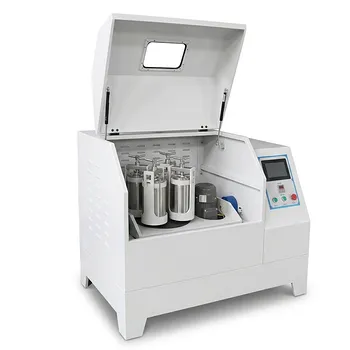
360° Rotating Omnidirectional Laboratory Planetary Ball Mill for Homogeneous Ultra-Fine Grinding and Mixing
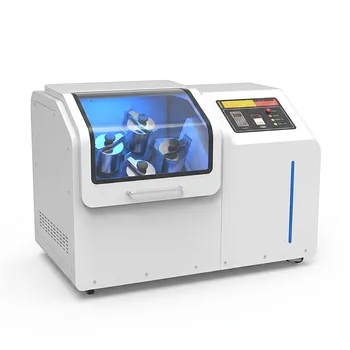
High Energy Omnidirectional Planetary Ball Mill 16L
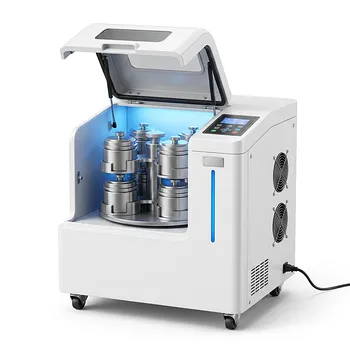
High Energy Omnidirectional Planetary Ball Mill 20L
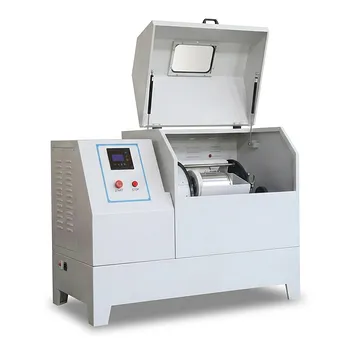
Heavy Duty Horizontal Planetary Ball Mill for Efficient Industrial Grinding and Sample Preparation
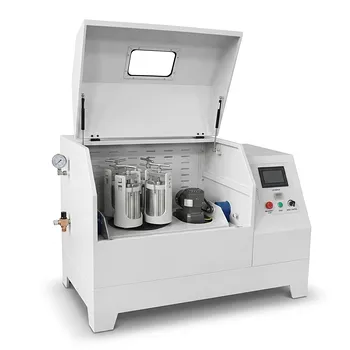
Vertical Production Planetary Ball Mill for High Throughput Powder Processing
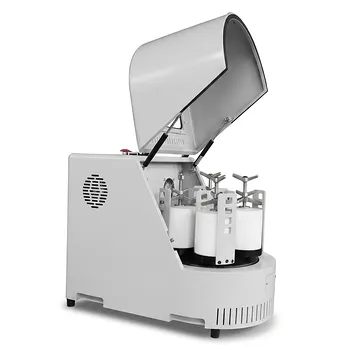
Vertical Semi Circular Planetary Ball Mill for Laboratory Precision Grinding
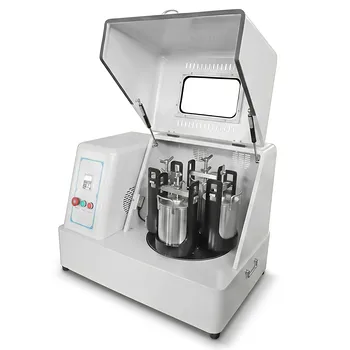
Vertical Square Planetary Ball Mill for Laboratory Sample Preparation and Nanoscale Grinding
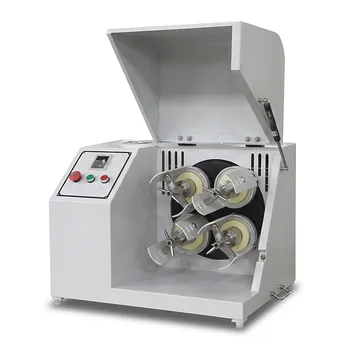
Horizontal Light Duty Planetary Ball Mill for Laboratory Sample Preparation
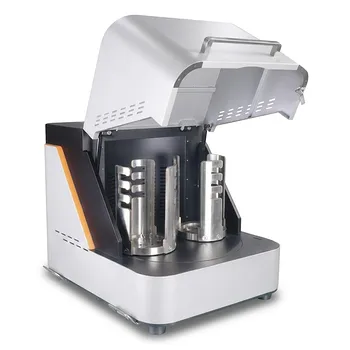
High Energy Laboratory Planetary Ball Mill for Nano Grinding and Colloidal Mixing of Hard and Brittle Materials

High Energy Planetary Ball Mill for Nano Scale Grinding and Mechanical Alloying
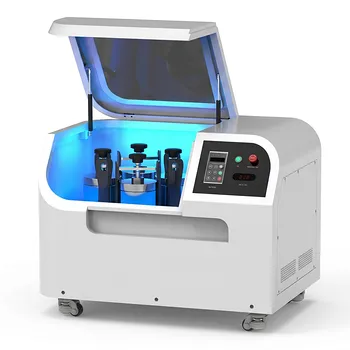
Planetary Ball Mill 12L
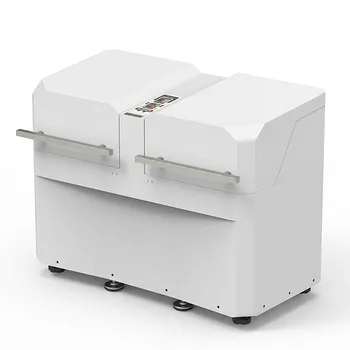
Dual Station Planetary Ball Mill 24L
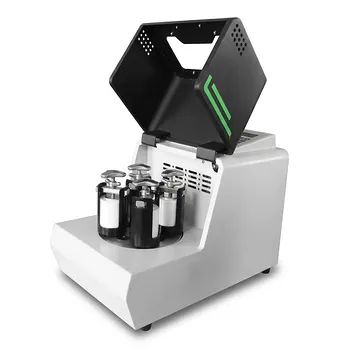
Miniature Planetary Ball Mill with Vacuum Grinding and High Efficiency for Laboratory Sample Preparation
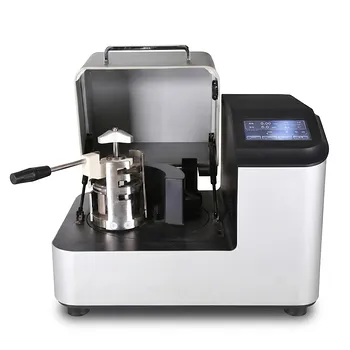
High Energy Laboratory Planetary Ball Mill for Nano Grinding and Material Science Sample Preparation
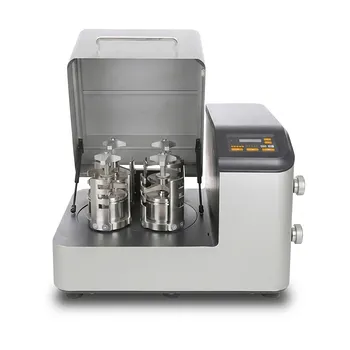
High Energy Planetary Ball Mill for Nano Scale Grinding and Colloidal Mixing in Material Science Research

8L Planetary Ball Mill for Laboratory Grinding and Sample Preparation
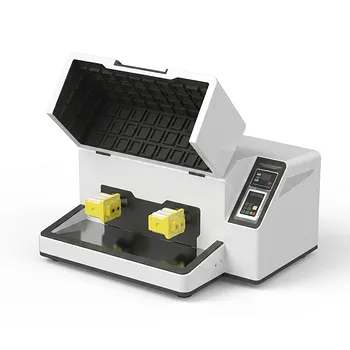
Multi-Platform Nanoscale High-Energy Vibratory Ball Mill
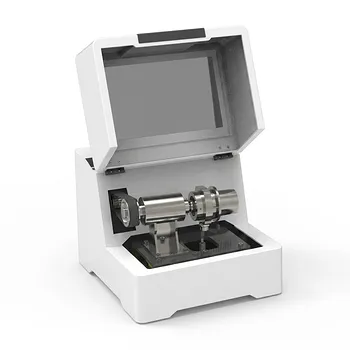
Single Tank High Energy Vibratory Ball Mill for Laboratory Grinding and Mixing
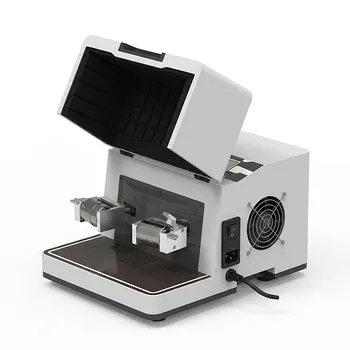
High Energy Hybrid Vibratory Ball Mill for Grinding Mixing and Cell Disruption