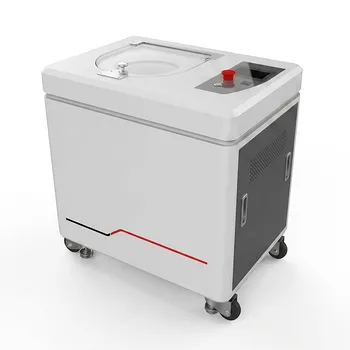
Function of Double-Movement Mixer in Sn-10Al Prep: Achieve Absolute Homogeneity
Updated 4 months ago
The primary function of an industrial-grade double-movement powder mixer is to achieve absolute spatial homogeneity between components with disparate densities. In the case of Sn-10Al, it ensures that the heavy Tin and light Aluminum powders are distributed uniformly at a microscopic level. Crucially, it accomplishes this through a multi-dimensional motion trajectory that avoids the use of grinding media, thereby preserving the original particle morphology and preventing work hardening.
To prepare high-quality Sn-10Al raw materials, a double-movement mixer bridges the gap between different material densities while protecting the integrity of soft metal particles. It creates a chemically consistent feed material that is essential for defect-free downstream processes like cold spraying or powder metallurgy.
Overcoming Density and Morphology Challenges
Managing the Density Gap Between Tin and Aluminum
Tin ($\approx$ 7.3 g/cm³) and Aluminum ($\approx$ 2.7 g/cm³) possess a significant density mismatch that naturally leads to segregation in standard mixers. The double-movement mixer uses a complex, multi-dimensional motion path to counteract gravity and ensure that the heavier tin particles do not settle at the bottom.
Preserving Particle Shape and Surface Integrity
Unlike ball milling, this mixing method does not require grinding media, which is vital when working with ductile metals like Tin and Aluminum. By eliminating high-impact collisions, the mixer ensures that the initial morphology (shape) of the powder remains unchanged throughout the process.
Eliminating Work Hardening
Soft metal particles are highly susceptible to work hardening when subjected to mechanical stress. The double-movement trajectory provides a "gentle but thorough" mix that maintains the particles' original mechanical properties, ensuring they remain suitable for subsequent deformation-heavy processes.
Impact on Downstream Manufacturing
Ensuring Consistency for Cold Spraying
For processes like cold spraying, the chemical composition of the feed material must be perfectly consistent to ensure a stable coating. The mixer provides a stable foundation by preventing localized "pockets" of pure tin or pure aluminum, which would otherwise cause fluctuations in coating quality.
Preventing Defects in Sintered Alloys
In powder metallurgy, defects caused by compositional inhomogeneity often cannot be corrected in later stages like pressing or sintering. Microscopic uniformity ensures that the final alloy possesses consistent mechanical properties and prevents the formation of unwanted impurity phases.
Enhancing Solid-State Reactions
Uniform spatial distribution is a critical prerequisite for facilitating complete solid-state reactions. By ensuring ideal contact conditions between the Tin and Aluminum particles, the mixer allows for a more predictable and efficient transformation during thermal processing.
Understanding the Trade-offs
Mixing Time vs. Uniformity
While the double-movement mixer is highly efficient, achieving microscopic homogeneity often requires extended mixing periods. Users must balance the need for perfect distribution with the energy costs and throughput requirements of their specific production cycle.
Mechanical Complexity
The multi-dimensional drive systems are more complex than simple drum or ribbon blenders. This results in a higher initial capital investment and requires a more rigorous maintenance schedule to ensure the motion trajectories remain precise and synchronized.
Dust Containment and Safety
While the enclosed design of these mixers effectively prevents fine particles from becoming airborne—reducing health risks for operators—it also requires careful cleaning procedures. Cross-contamination can occur if the internal chambers are not thoroughly purged between different material batches.
How to Apply This to Your Project
Making the Right Choice for Your Goal
- If your primary focus is Cold Spraying: Prioritize the preservation of particle morphology and the elimination of work hardening to ensure maximum particle velocity and bonding efficiency.
- If your primary focus is Sintering or Alloying: Focus on the microscopic uniform distribution of the 2:1 molar or 10% Al ratio to prevent the formation of localized impurity phases.
- If your primary focus is Operational Safety: Utilize the enclosed design features to manage fine aluminum dust, which poses both inhalation and combustion risks in open environments.
By mastering the spatial distribution of disparate powders without compromising their physical structure, you ensure a reliable and repeatable foundation for advanced material fabrication.
Summary Table:
| Feature | Benefit for Sn-10Al | Downstream Impact |
|---|---|---|
| Multi-dimensional Motion | Overcomes density gap between Sn & Al | Prevents material segregation |
| No Grinding Media | Preserves particle morphology/shape | Enhances cold spraying quality |
| Gentle Trajectory | Eliminates work hardening | Maintains material ductility |
| Enclosed Design | Dust containment & operator safety | Reduces combustion/health risks |
Elevate Your Material Synthesis with Professional Powder Solutions
Achieving microscopic uniformity in materials like Sn-10Al requires precision and the right technology. At Our Laboratory Solutions, we provide complete laboratory sample preparation solutions for material science, specializing in advanced powder processing and compaction equipment.
Our Extensive Product Lines Include:
- Advanced Mixing: Industrial-grade powder mixers and defoaming mixers designed for disparate densities.
- Precision Milling: Planetary ball mills, jet mills, and liquid nitrogen cryogenic grinders for fine particle control.
- Compaction & Pressing: A full spectrum of hydraulic presses, including Cold/Warm Isostatic Presses (CIP/WIP), standard lab presses, XRF pellet presses, and vacuum hot presses.
- Sizing & Preparation: Jaw/roll crushers and vibratory/air-jet sieve shakers for accurate particle distribution.
Whether you are focusing on cold spraying, sintering, or alloying, our equipment ensures your raw materials maintain their integrity and achieve consistent chemical properties.
Ready to optimize your powder metallurgy workflow? Contact our experts today to discover how our specialized solutions can drive your material innovation.
References
- Andre C. Liberati, Stephen Yue. Observation of an Indirect Deposition Effect while Cold Spraying Sn-Al Mixed Powders onto Carbon Fiber Reinforced Polymers. DOI: 10.1007/s11666-019-00967-w
Mentioned Products
- Industrial Double Cone Mixer for Powder Blending and Homogeneous Mixing
- Water Cooled Graduated Continuous Feed Pulverizer for Industrial Powder Processing and Laboratory Material Preparation
- Three-Dimensional Motion Mixer for Laboratory Powder and Granule Blending
- High Efficiency Vacuum Planetary Centrifugal Mixer and Defoaming Machine for Industrial Material Research and Precise Laboratory Powder Dispersion
- Stainless Steel Rotary Vibrating Sieve High Precision Circular Vibratory Separator Industrial Powder Grading Machine Multi Layer Sifting Equipment
People Also Ask
- How does a double cone mixer contribute to the blending and lubrication stages of tablet production? Expert Insights
- What is the primary function of industrial powder mixers in SLS 3D printing of tablets? Ensure Homogeneity & Accuracy
- What is the necessity of using industrial powder mixers for multi-component inoculants? Achieve Homogeneity & Precision
- What is the function of an industrial powder mixer in NiTiZn preparation? Achieve Homogeneity for 3D Printing
- What is the necessity of using industrial powder mixers? Achieve Perfect Homogeneity in Graphite-Copper Composites

Tech Team · PowderPreparation
Last updated on Jun 03, 2026
Related Products
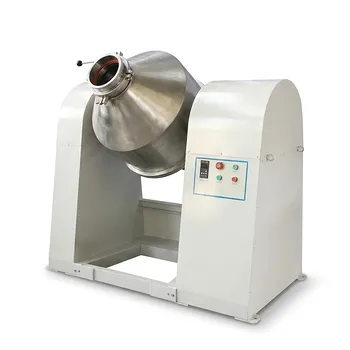
Industrial Double Cone Mixer for Powder Blending and Homogeneous Mixing
Water Cooled Graduated Continuous Feed Pulverizer for Industrial Powder Processing and Laboratory Material Preparation
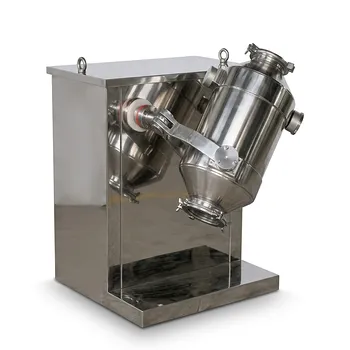
Three-Dimensional Motion Mixer for Laboratory Powder and Granule Blending
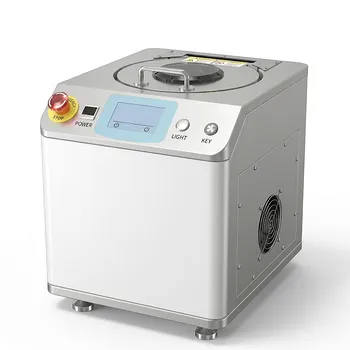
High Efficiency Vacuum Planetary Centrifugal Mixer and Defoaming Machine for Industrial Material Research and Precise Laboratory Powder Dispersion
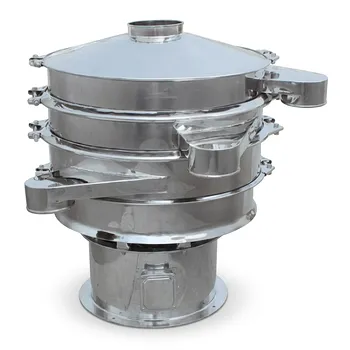
Stainless Steel Rotary Vibrating Sieve High Precision Circular Vibratory Separator Industrial Powder Grading Machine Multi Layer Sifting Equipment
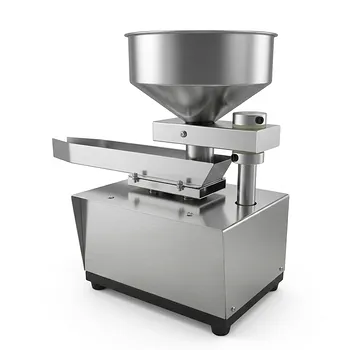
Automatic Vibrating Powder Feeder for Laboratory Material Processing Precision Vibratory Hopper Feeder for Granular and Powder Material Handling Industrial Grade Vibrating Tray Feeder for Consistent Material Sample Preparation
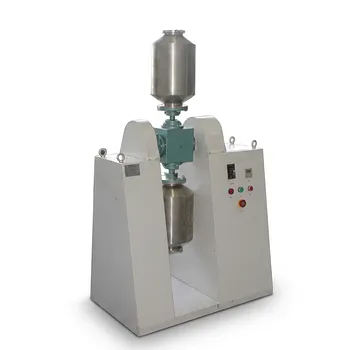
Multi Dimensional Universal Mixer for High Uniformity Powder Blending
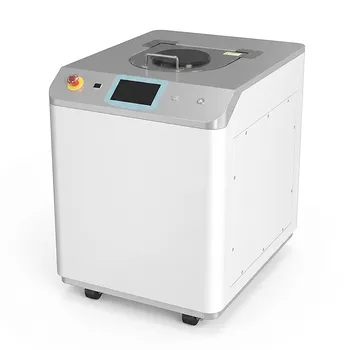
Industrial Planetary Centrifugal Vacuum Defoaming Mixer for High Viscosity Paste and Advanced Material Science
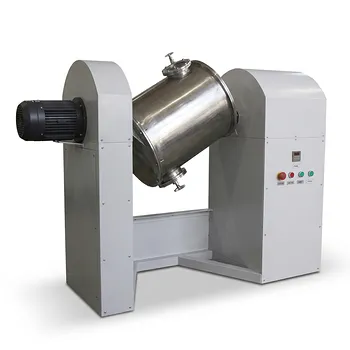
Inclined Mixer for Homogeneous Powder Blending and Grinding
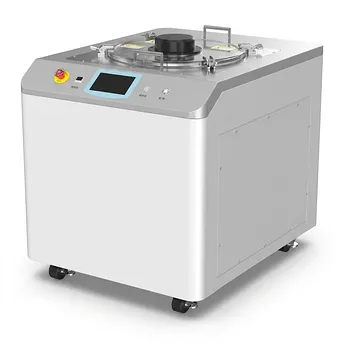
Industrial Planetary Centrifugal Vacuum Defoaming Mixer for High Viscosity Paste and Powder Homogenization
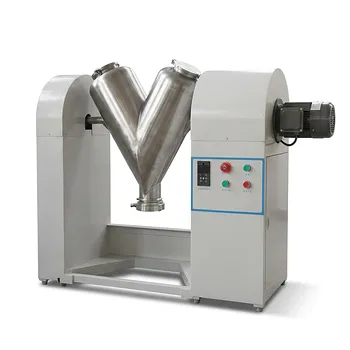
V-Type Powder Mixer for Uniform Blending of Dry Powders and Granules
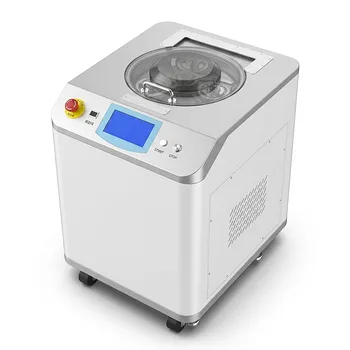
Dual Cup Vacuum Centrifugal Mixer Planetary Paste Defoaming Machine Industrial Material Processor
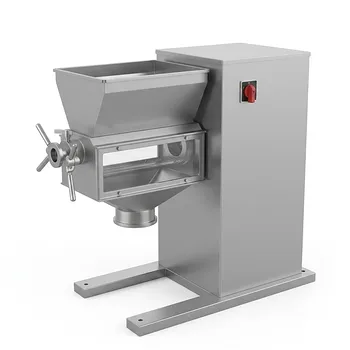
Industrial Swing Granulator for Powder Processing in Pharma Food and Chemical Industries
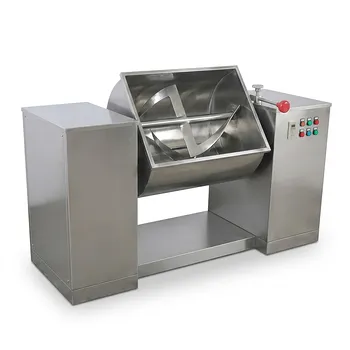
Horizontal Trough Mixer for Uniform Powder and Paste Blending
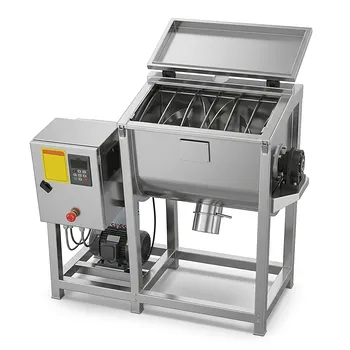
Horizontal Ribbon Mixer for Uniform Powder and Slurry Mixing
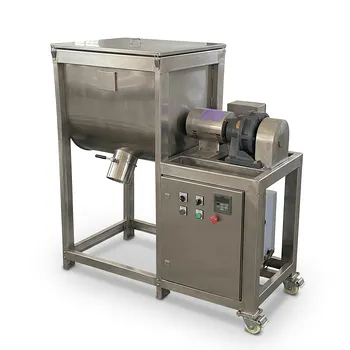
Horizontal Ribbon Mixer for Dry Powder and Slurry Blending
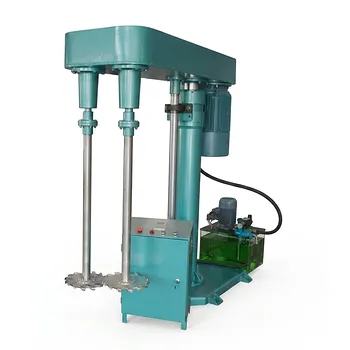
Hydraulic Double Shaft Disperser for High Viscosity Liquid Mixing and Dispersion
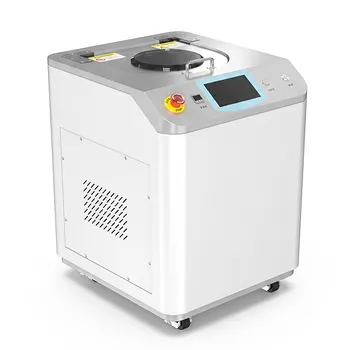
High Speed Vacuum Planetary Centrifugal Mixer and Defoamer for Industrial Paste Processing
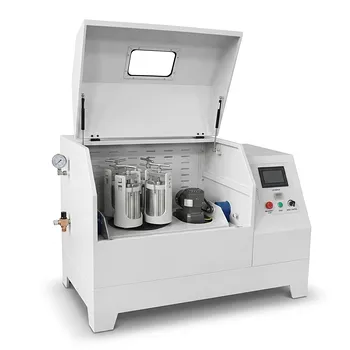
Vertical Production Planetary Ball Mill for High Throughput Powder Processing