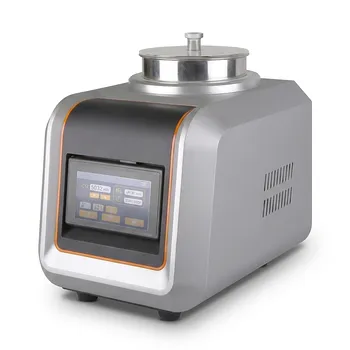
Sieve Shaker Function in Calcium Looping for CO2 Capture: Optimizing Sorbent Particle Size
Updated 4 months ago
The vibratory sieve shaker serves as the critical gatekeeper for particle size distribution in the calcium looping (CaL) process. Its primary function is to screen and classify raw limestone (CaCO3) to ensure the sorbent particles fall within a precise range, typically between 350 and 900 μm.
By standardizing the physical dimensions of the raw material, the vibratory sieve shaker ensures the fluidization stability and reaction efficiency required for high-volume carbon dioxide capture. This process transforms bulk limestone into a precision-engineered sorbent capable of surviving the rigorous thermal and mechanical environments of the calciner.
Optimizing Fluidization and Gas-Solid Contact
Achieving Kinetic Stability
Uniform particle sizing is essential for maintaining consistent reaction kinetics during the carbonation and calcination cycles. If particles are too small, they may be prematurely entrained and carried out of the reactor; if they are too large, the interior of the particle remains unreacted, wasting material and reducing CO2 capture efficiency.
Enhancing Gas-Solid Contact Efficiency
The sieve shaker ensures that the sorbent has an optimal surface-area-to-volume ratio to maximize contact with flue gases. This precision allows for uniform air flow rates through the material bed, preventing "channeling" where gas bypasses the sorbent entirely.
Maintaining Bed Permeability
By removing oversized aggregates and fine dust, the shaker maintains the permeability of the material bed. This ensures that pressure drops within the reactor remain within design limits, reducing the energy required for the blowers and fans that move gas through the system.
Operational Stability in the Cascade Cyclone Calciner
Ensuring Stable Pneumatic Conveying
The calcium looping process often utilizes a cascade cyclone calciner, which relies on pneumatic conveying to move sorbent through the stages. Sieve shakers guarantee that particles are sized correctly for the specific velocities of the transport air, preventing blockages or erratic flow patterns.
Protecting Downstream Infrastructure
Removing coarse impurities and oversized aggregates prevents mechanical wear and potential clogs in the feeding and classification systems. A consistent feed size ensures that the mechanical components of the loop operate within their intended parameters, extending the lifespan of the facility.
Facilitating Homogenization
The mechanical vibration of the shaker assists in breaking up powder agglomerations that can form during storage or transport. This preliminary homogenization provides a consistent physical foundation for the chemical reactions that follow, ensuring that every batch of raw material behaves predictably.
Understanding the Trade-offs
Sieve Blinding and Throughput
Continuous operation of a vibratory shaker can lead to "blinding," where particles become lodged in the mesh, reducing screening efficiency. While higher vibration amplitudes can clear the mesh, they also increase the mechanical stress on the equipment and may cause excessive particle attrition before the material even enters the reactor.
Accuracy vs. Processing Speed
There is an inherent trade-off between the precision of the size range and the total throughput of the preparation stage. While a narrow range (e.g., 400-600 μm) might offer the best chemical performance, it increases the volume of "rejected" material that must be re-processed or discarded, potentially impacting the overall cost-effectiveness of the carbon capture operation.
How to Apply This to Your Process
Choosing the right screening strategy depends on your specific reactor design and operational priorities.
- If your primary focus is Maximum Capture Efficiency: Use multi-layer standard test sieves to isolate a very narrow particle fraction (e.g., 350-500 μm) to ensure near-perfect gas-solid contact.
- If your primary focus is System Longevity and Throughput: Prioritize a broader "safe" range (350-900 μm) to reduce sieve blinding and maximize the volume of raw material processed per hour.
- If your primary focus is Reducing Energy Penalties: Focus on the removal of "fines" (particles <100 μm) to minimize pressure drops and prevent the loss of sorbent through the cyclone exhaust.
The technical precision of the vibratory sieve shaker is the foundational step that enables the chemical and mechanical success of the entire carbon capture cycle.
Summary Table:
| Key Function | Operational Impact | Technical Benefit |
|---|---|---|
| Particle Classification | Standardizes sorbent to 350-900 μm | Ensures uniform reaction kinetics |
| Fluidization Stability | Prevents particle entrainment | Maximizes gas-solid contact time |
| Bed Permeability | Reduces reactor pressure drops | Lowers energy penalties for fans/blowers |
| Agglomerate Breakup | Ensures material homogenization | Improves pneumatic conveying flow |
| System Protection | Removes oversized aggregates | Prevents downstream clogs and wear |
Elevate Your Material Research with Our Laboratory Solutions
Precision in particle sizing is the foundation of successful carbon capture. Providing complete laboratory sample preparation solutions for material science, we specialize in high-performance powder processing and compaction equipment.
Our extensive product lines include:
- Sieve Shakers: Vibratory and air-jet models with various test sieves and meshes.
- Size Reduction: Crushers (jaw/roll), liquid nitrogen cryogenic grinders, and diverse mills (planetary ball, jet, sand/bead, disc, rotor).
- Mixing & Compaction: Powder and defoaming mixers, plus a full spectrum of hydraulic presses, including Cold/Warm Isostatic Presses (CIP/WIP), standard lab presses, and vacuum hot presses.
Whether you are refining limestone sorbents or developing advanced materials, our equipment ensures the consistency and quality your research demands. Contact our experts today to discuss your specific requirements and optimize your laboratory workflow!
References
- Y. C. Chou, Hai-Tao Wan. Sorbent Regeneration by Cascade Cyclone Calciner in a Pilot-Scale Calcium Looping Carbon Capture System. DOI: 10.18178/ijesd.2018.9.5.1087
Mentioned Products
- Vibratory Sieve Shaker Electromagnetic 3D Motion Powder Particle Size Analyzer for Dry and Wet Sieving
- Laboratory Dry and Wet Three Dimensional Vibratory Sieve Shaker for Particle Analysis
- Stainless Steel Laboratory Vibratory Test Sieve Shaker
- Heavy Duty Dry Three Dimensional Vibratory Sieve Shaker for Particle Separation
- Dry Three Dimensional Vibratory Sieve Shaker
People Also Ask
- How does a vibratory sieve shaker contribute to optimizing the performance of activated carbon? Enhance Adsorption Precision
- Why is a laboratory vibratory sieve shaker necessary for processing magnesium-based borate precursor powders? Boost Activity
- Why use a vibratory sieve shaker to verify coarse aggregate grading in rubberized concrete? Ensure Structural Integrity
- What function do vibratory sieve shakers and standard test sieves serve in the preparation of adsorbents? Key Guide
- What role does a vibratory sieve shaker play in the particle size analysis of ground corn products? Enhance QC Precision

Tech Team · PowderPreparation
Last updated on Jun 03, 2026
Related Products
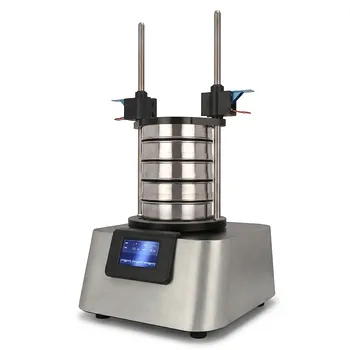
Vibratory Sieve Shaker Electromagnetic 3D Motion Powder Particle Size Analyzer for Dry and Wet Sieving
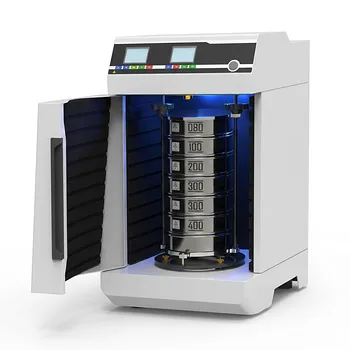
Laboratory Dry and Wet Three Dimensional Vibratory Sieve Shaker for Particle Analysis
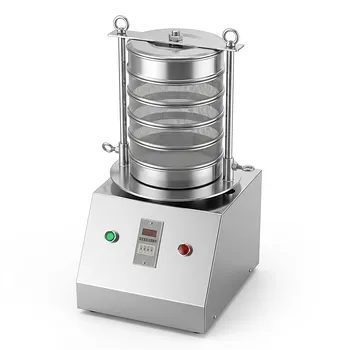
Stainless Steel Laboratory Vibratory Test Sieve Shaker
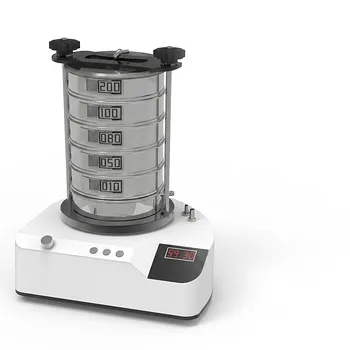
Heavy Duty Dry Three Dimensional Vibratory Sieve Shaker for Particle Separation
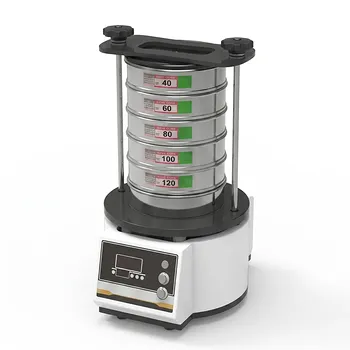
Dry Three Dimensional Vibratory Sieve Shaker
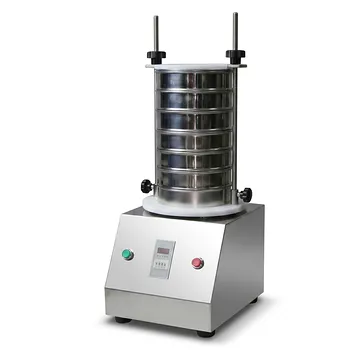
Small Laboratory Vibratory Sieve Shaker for Powder Gradation and Particle Size Analysis
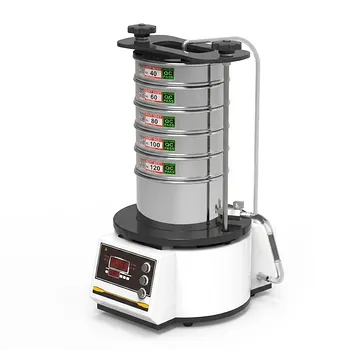
High Frequency Wet Three-Dimensional Vibrating Sieve Shaker for Dry and Wet Particle Size Analysis
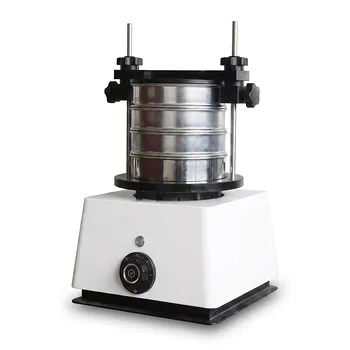
Small Laboratory Vibrating Sieve Shaker for Precise Particle Size Analysis
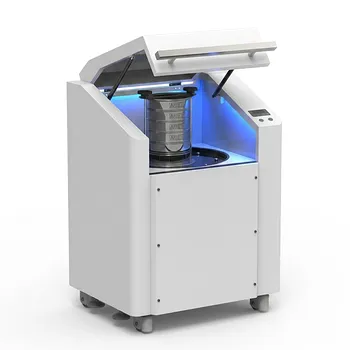
High Frequency Cabinet Type Three-Dimensional Rotary Vibrating Sieve Shaker for Dry Sieving and Particle Classification
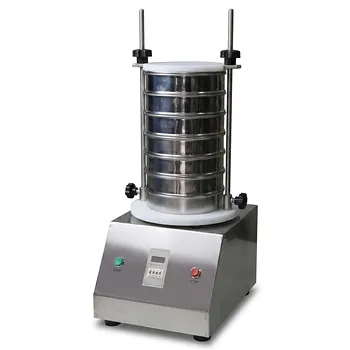
Laboratory Vibratory Test Sieve Shaker for Precision Particle Size Analysis and Powder Grading
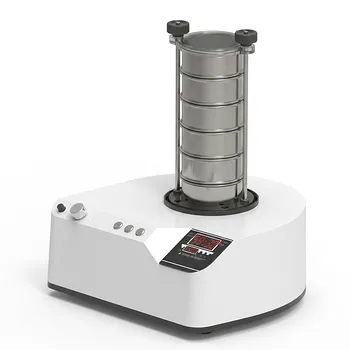
三维电磁微量振动筛分仪
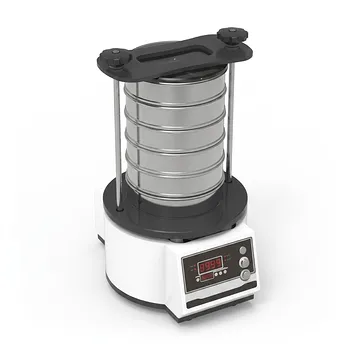
Tapping Oscillating Sieve Shaker for Dry and Wet Particle Size Analysis
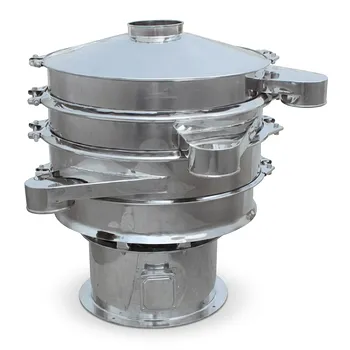
Stainless Steel Rotary Vibrating Sieve High Precision Circular Vibratory Separator Industrial Powder Grading Machine Multi Layer Sifting Equipment
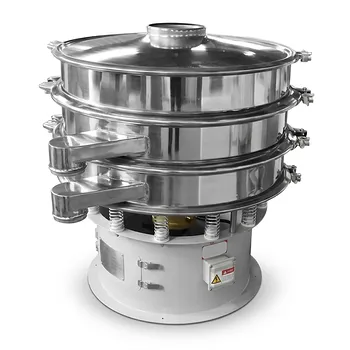
Three Dimensional Rotary Vibrating Sieve
Small Vibrating Ultrafine Grinder for Traditional Chinese Medicine
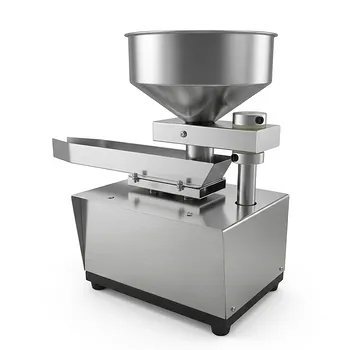
Automatic Vibrating Powder Feeder for Laboratory Material Processing Precision Vibratory Hopper Feeder for Granular and Powder Material Handling Industrial Grade Vibrating Tray Feeder for Consistent Material Sample Preparation
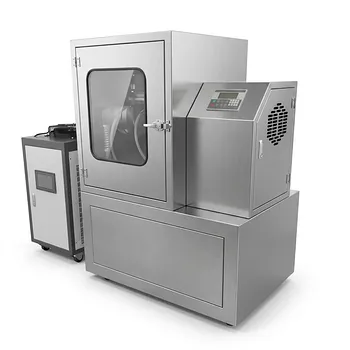
Vibratory Superfine Grinder for Ultra Fine Laboratory Powder Milling
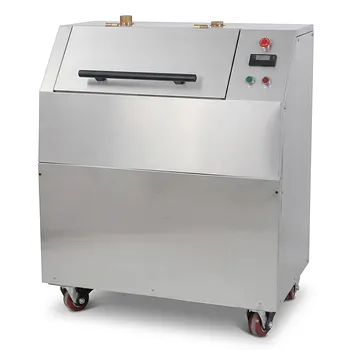
Vibratory Disc Mill for Rapid Fine Grinding and High Throughput Sample Preparation of Hard and Brittle Materials