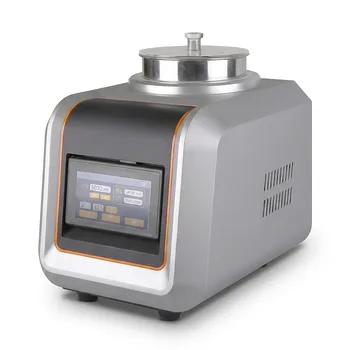
What is the function of a vibratory sieve shaker in silica nanoparticle prep? Precision Grading for Better Results.
Updated 5 months ago
A vibratory sieve shaker serves as the precision grading engine in the initial stages of silica nanoparticle production. It classifies raw sand into specific particle size intervals by utilizing controlled vibration amplitudes and durations. This ensures a uniform feedstock for subsequent grinding, allowing researchers to accurately measure how initial particle size influences the quality of the final nanoparticles.
The vibratory sieve shaker transforms heterogeneous raw sand into standardized size fractions, which is essential for consistent grinding performance and reliable physical property data. By automating the classification process, it eliminates manual error and provides the foundational uniformity required for high-precision nanoparticle synthesis.
Achieving Precision Through Mechanical Grading
Defining Particle Size Intervals
In the preparation of silica nanoparticles, the shaker uses a stack of multi-layer test sieves to separate coarse sand. These sieves typically range from 38 micrometers to 1180 micrometers, allowing for highly granular classification.
Ensuring Feedstock Uniformity
By isolating specific size fractions, the equipment provides a uniform initial particle size for the grinding phase. This uniformity is a critical prerequisite for studying how particle size distribution affects the mechanical strength and elastic modulus of final composites.
Removing Surface Impurities
Beyond simple grading, the mechanical action helps remove oversized particles and surface impurities. This preliminary cleaning step ensures that only high-quality silica enters the high-energy milling or chemical synthesis stages.
The Science of High-Frequency Separation
Overcoming Inter-particle Forces
Silica grains often suffer from friction and electrostatic adsorption, which can cause smaller particles to cling to larger ones. The shaker generates multi-directional, high-frequency vibrations to break these bonds, ensuring particles pass smoothly through the correct mesh openings.
Preventing Material Segregation
Manual shaking often leads to "blind spots" or incomplete separation where smaller particles remain trapped above the mesh. Automated vibratory shakers ensure repeatable mechanical grading, preventing particle size segregation and ensuring the sample is representative of the whole.
Optimizing Grinding Efficiency
When the initial particle size is tightly controlled, the energy consumption and duration of the subsequent grinding process become predictable. This allows for a more efficient transition from raw sand to the micrometer or nanometer scale.
Enhancing Analytical Reliability
Determining Critical Physical Metrics
The sieve shaker allows researchers to calculate the median particle size (d50) and the sorting coefficient. These metrics are vital for selecting the optimal mineral processing scheme and ensuring experimental data is repeatable.
Calculating Grain Fineness (AFS)
In industrial applications, the shaker is used to determine the Grain Fineness Number (AFS). This value directly correlates to the gas permeability and surface finish of the molds used in silica-based casting.
Supporting Advanced Imaging
Precise screening is fundamental for obtaining representative mineralogical heterogeneity. This level of detail is necessary for accurate contact morphology statistics when performing subsequent micro-CT scanning on sand samples.
Understanding the Trade-offs
The Risk of Mesh Blinding
While efficient, vibratory shakers can suffer from mesh blinding, where near-sized particles become wedged in the sieve openings. This requires regular maintenance and the use of de-blinding aids like sliding rings or ultrasonic attachments to maintain accuracy.
Sample Overloading and Accuracy
Loading too much raw sand onto the top sieve can dampen the vibration and lead to incomplete classification. To ensure reliability, users must balance the sample volume with the diameter of the sieves and the duration of the vibration cycle.
Material Wear and Contamination
High-frequency vibration over long periods can cause abrasive wear on both the sand and the sieve material. If the sieves are not made of high-quality stainless steel, there is a minor risk of metallic contamination, which can be detrimental to high-purity nanoparticle production.
Applying Sieve Analysis to Your Workflow
To achieve the best results in silica nanoparticle preparation, align your sieving strategy with your specific research or production goals.
- If your primary focus is research accuracy: Prioritize the use of standardized test sieves to strictly control the initial particle size distribution before grinding.
- If your primary focus is production efficiency: Focus on optimizing vibration amplitude and duration to maximize throughput while preventing mesh blinding.
- If your primary focus is material purity: Use the shaker to isolate and discard specific coarse fractions that are most likely to contain surface impurities or mineralogical heterogeneity.
By mastering the grading of raw sand, you establish the controlled environment necessary for high-quality nanoparticle synthesis.
Summary Table:
| Key Function | Technical Benefit | Impact on Nanoparticle Production |
|---|---|---|
| Precision Grading | Isolates fractions from 38μm to 1180μm | Ensures a uniform feedstock for consistent grinding. |
| Impurity Removal | Eliminates oversized particles & debris | Protects material purity for high-energy synthesis. |
| High-Freq Vibration | Breaks electrostatic/friction bonds | Prevents particle segregation and ensures accuracy. |
| Analytical Metrics | Determines d50 and Grain Fineness (AFS) | Provides repeatable data for mineral processing. |
| Efficiency Boost | Predictable energy consumption | Reduces grinding time by controlling initial grain size. |
Optimize Your Material Preparation Workflow
Precision in the initial grading stage is the foundation of high-quality material science research. At [Your Brand Name], we provide complete laboratory sample preparation solutions specializing in powder processing and compaction.
Whether you are refining silica from raw sand or developing advanced composites, our extensive product lines ensure consistency and purity:
- Grading & Classification: Vibratory and air-jet sieve shakers with precision test sieves.
- Milling & Grinding: Planetary ball mills, jet mills, and cryogenic grinders for nanometer-scale results.
- Compaction & Pressing: A full spectrum of hydraulic presses, including Cold/Warm Isostatic Presses (CIP/WIP), vacuum hot presses, and XRF pellet presses.
- Mixing: High-efficiency powder and defoaming mixers.
Ready to enhance your lab's efficiency and output quality? Contact our experts today to find the perfect equipment solution for your specific application.
References
- Magda A. Akl. Preparation and Characterization of Silica Nanoparticles by Wet Mechanical Attrition of White and Yellow Sand. DOI: 10.4172/2157-7439.1000183
Mentioned Products
- Vibratory Sieve Shaker Electromagnetic 3D Motion Powder Particle Size Analyzer for Dry and Wet Sieving
- Laboratory Dry and Wet Three Dimensional Vibratory Sieve Shaker for Particle Analysis
- Stainless Steel Laboratory Vibratory Test Sieve Shaker
- Heavy Duty Dry Three Dimensional Vibratory Sieve Shaker for Particle Separation
- Dry Three Dimensional Vibratory Sieve Shaker
People Also Ask
- How does a vibratory sieve shaker contribute to optimizing the performance of activated carbon? Enhance Adsorption Precision
- Why is a laboratory vibratory sieve shaker necessary for processing magnesium-based borate precursor powders? Boost Activity
- Why use a vibratory sieve shaker to verify coarse aggregate grading in rubberized concrete? Ensure Structural Integrity
- What function do vibratory sieve shakers and standard test sieves serve in the preparation of adsorbents? Key Guide
- What role does a vibratory sieve shaker play in the particle size analysis of ground corn products? Enhance QC Precision

Tech Team · PowderPreparation
Last updated on May 14, 2026
Related Products
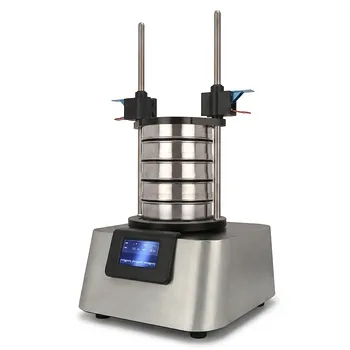
Vibratory Sieve Shaker Electromagnetic 3D Motion Powder Particle Size Analyzer for Dry and Wet Sieving
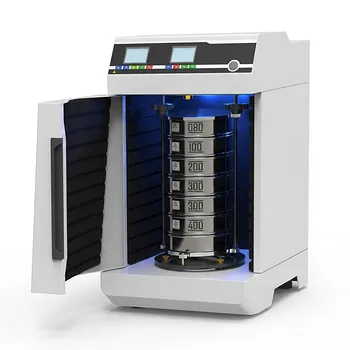
Laboratory Dry and Wet Three Dimensional Vibratory Sieve Shaker for Particle Analysis
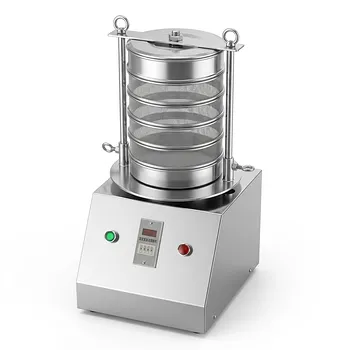
Stainless Steel Laboratory Vibratory Test Sieve Shaker
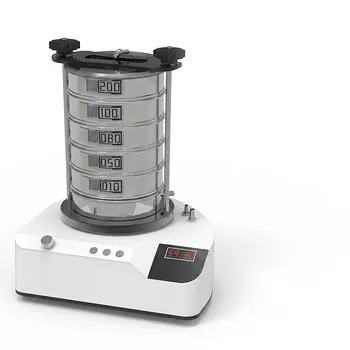
Heavy Duty Dry Three Dimensional Vibratory Sieve Shaker for Particle Separation
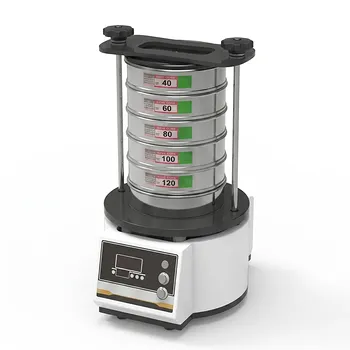
Dry Three Dimensional Vibratory Sieve Shaker
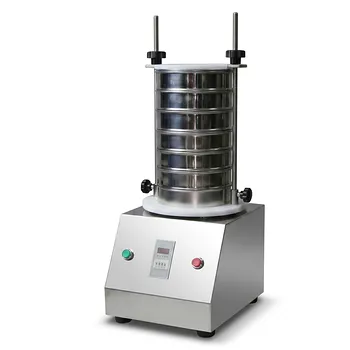
Small Laboratory Vibratory Sieve Shaker for Powder Gradation and Particle Size Analysis
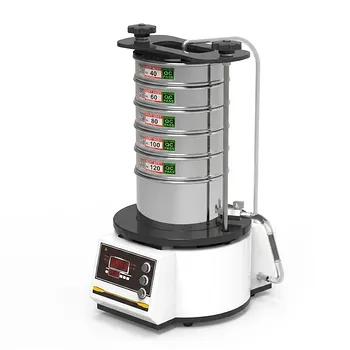
High Frequency Wet Three-Dimensional Vibrating Sieve Shaker for Dry and Wet Particle Size Analysis
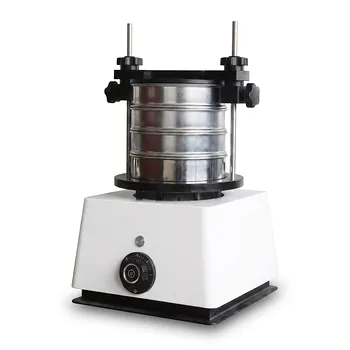
Small Laboratory Vibrating Sieve Shaker for Precise Particle Size Analysis
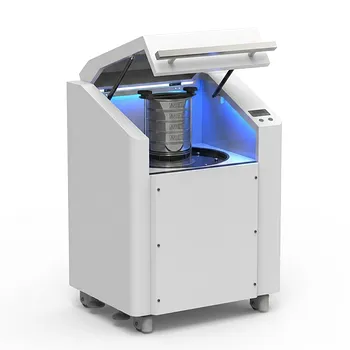
High Frequency Cabinet Type Three-Dimensional Rotary Vibrating Sieve Shaker for Dry Sieving and Particle Classification
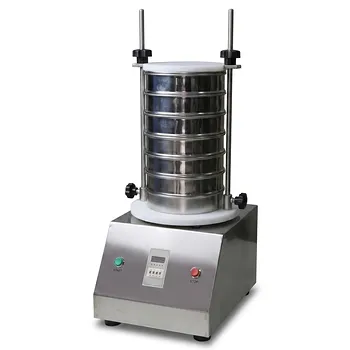
Laboratory Vibratory Test Sieve Shaker for Precision Particle Size Analysis and Powder Grading
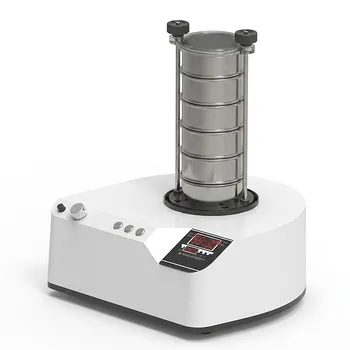
三维电磁微量振动筛分仪
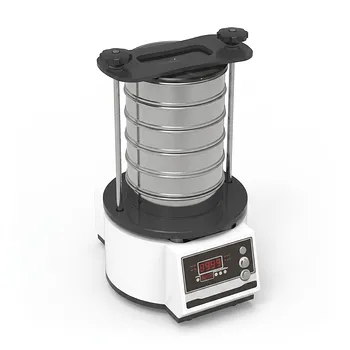
Tapping Oscillating Sieve Shaker for Dry and Wet Particle Size Analysis
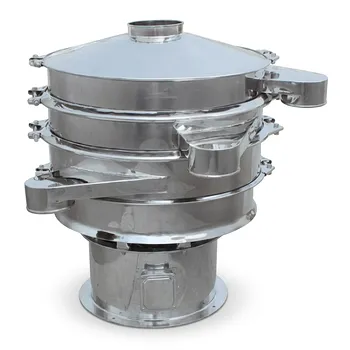
Stainless Steel Rotary Vibrating Sieve High Precision Circular Vibratory Separator Industrial Powder Grading Machine Multi Layer Sifting Equipment
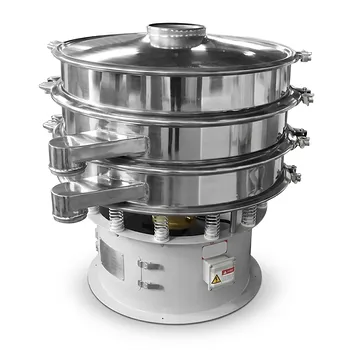
Three Dimensional Rotary Vibrating Sieve
Small Vibrating Ultrafine Grinder for Traditional Chinese Medicine
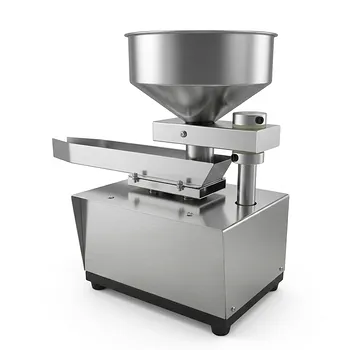
Automatic Vibrating Powder Feeder for Laboratory Material Processing Precision Vibratory Hopper Feeder for Granular and Powder Material Handling Industrial Grade Vibrating Tray Feeder for Consistent Material Sample Preparation
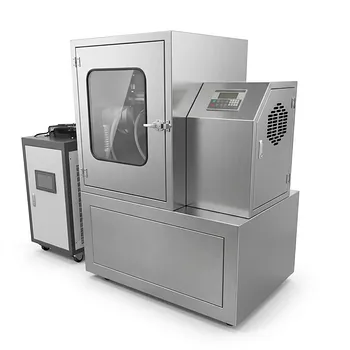
Vibratory Superfine Grinder for Ultra Fine Laboratory Powder Milling
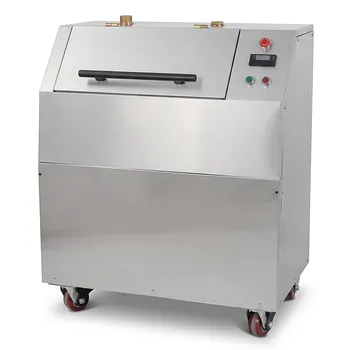
Vibratory Disc Mill for Rapid Fine Grinding and High Throughput Sample Preparation of Hard and Brittle Materials