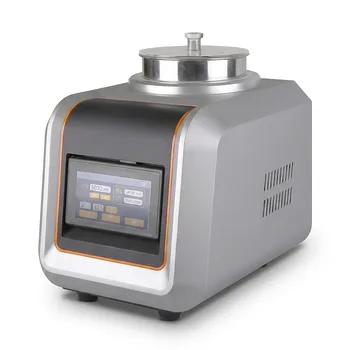
What is the function of a vibratory sieve shaker? Achieve Precise Particle Distribution for Hydraulic Lime Mortar
Updated 5 months ago
The vibratory sieve shaker serves as the primary instrument for the fractional screening of inert materials within hydraulic lime mortar matrices. By applying mechanical vibration to a stack of standard test sieves, it separates aggregate particles—specifically those larger than 0.074mm—into distinct size categories. This process is essential for generating accurate particle size distribution curves, which allow engineers to standardize mortar formulations and ensure the mechanical stability of the resulting composite.
The vibratory sieve shaker is the gatekeeper of mortar quality, converting raw aggregates into a quantifiable data set. By precisely defining the particle size distribution, it enables the optimization of the mortar's internal skeleton, which directly dictates strength, durability, and workability.
Establishing the Physical Foundation of the Matrix
Fractional Screening of Inert Materials
The shaker uses mechanical vibration to move raw materials through a vertical stack of multi-layer standard test sieves. This process identifies the mass of material retained at each level, focusing on particles with a diameter greater than 0.074mm.
Generating Particle Size Distribution Curves
By calculating the mass fraction at each sieve interval, researchers develop grading curves that represent the aggregate's makeup. These curves are the blueprint for creating a consistent, repeatable hydraulic lime mortar formulation.
Evaluating Fine Aggregate Grading
The device is frequently used to conduct fineness modulus analysis on natural sand or sea sand. Ensuring the aggregate meets standards such as ASTM C136 is critical for maintaining the uniformity coefficient of the mix.
The Impact on Mortar Performance and Stability
Optimizing Skeletal Support
A well-graded aggregate, verified by the sieve shaker, creates a robust internal skeletal structure. This optimization minimizes voids within the matrix, which significantly enhances the overall mechanical performance and density of the hardened mortar.
Controlling Flowability and Porosity
The particle size distribution directly influences the rheological properties of the fresh mixture. Proper sieving ensures the sand possesses the ideal average particle size to guarantee flowability during application and volume stability during the curing process.
Assessing Lime Powder Reactivity
Beyond aggregates, vibratory shakers evaluate the physical fineness of lime powder using specific apertures like 2 mm and 0.3 mm. This data is vital for estimating reaction efficiency (RE) and the effective neutralizing power of the material in various applications.
Understanding the Trade-offs and Limitations
Limitations of Dry Sieving
While highly effective for particles above 74 microns, vibratory sieving can struggle with ultra-fine powders. For materials significantly smaller than 0.074mm, electrostatic forces often cause particles to clump, leading to inaccurate grading unless wet sieving methods are employed.
Particle Shape Interference
The sieve shaker measures the "intermediate dimension" of a particle. If the aggregate is elongated or flaky, it may pass through a sieve aperture that does not accurately reflect its true volume, potentially skewing the distribution data.
Risk of Mechanical Attrition
Prolonged vibration or excessive intensity can cause particle breakage, especially with softer natural sands. This "secondary grinding" can result in an overestimation of the fine content, leading to a mismatch between lab results and field performance.
Applying Sieving Data to Your Project
Making the Right Choice for Your Goal
To maximize the utility of vibratory sieve analysis, the methodology must align with the specific performance requirements of the mortar.
- If your primary focus is Maximum Compressive Strength: Use the sieve shaker to achieve a high packing density by minimizing voids through a continuous grading curve of well-distributed aggregates.
- If your primary focus is High Workability and Flow: Use the data to select a sand with a specific fineness modulus that reduces internal friction between particles in the wet state.
- If your primary focus is Experimental Repeatability: Standardize the vibration frequency and duration across all samples to ensure the uniformity index (Iθ) remains consistent throughout the study.
Precise mechanical sieving is the fundamental prerequisite for transforming raw, variable materials into high-performance hydraulic lime composites.
Summary Table:
| Key Function | Role in Mortar Characterization | Critical Metrics/Standards |
|---|---|---|
| Fractional Screening | Separates inert aggregates and sand particles | Mass retained (>0.074mm) |
| Grading Analysis | Generates particle size distribution curves | Skeletal stability & density |
| Quality Control | Evaluates fineness modulus of natural/sea sand | ASTM C136 compliance |
| Reactivity Assessment | Measures physical fineness of lime powder | Reaction Efficiency (RE) |
| Rheology Control | Optimizes flowability and volume stability | Uniformity Index (Iθ) |
Optimize Your Mortar Formulations with Precision Equipment
Achieving the perfect internal skeleton for hydraulic lime mortar requires uncompromising accuracy in particle size analysis. At [Brand Name], we provide complete laboratory sample preparation solutions tailored for material science professionals.
Our specialized range includes high-performance vibratory and air-jet sieve shakers, essential for precise grading and meeting ASTM standards. Beyond sieving, we support your entire workflow with:
- Size Reduction: Jaw/roll crushers and planetary ball, jet, or cryogenic grinders.
- Mixing: High-efficiency powder and defoaming mixers.
- Compaction: A full spectrum of hydraulic presses, including Cold/Warm Isostatic Presses (CIP/WIP), vacuum hot presses, and XRF pellet presses.
Ready to enhance your lab's efficiency and experimental repeatability? Contact our technical experts today to find the ideal equipment for your powder processing and material testing needs.
References
- Giuseppe Ferrara, Romildo Dias Tolêdo Filho. Influence of an Impregnation Treatment on the Morphology and Mechanical Behaviour of Flax Yarns Embedded in Hydraulic Lime Mortar. DOI: 10.3390/fib7040030
Mentioned Products
- Vibratory Sieve Shaker Electromagnetic 3D Motion Powder Particle Size Analyzer for Dry and Wet Sieving
- Laboratory Dry and Wet Three Dimensional Vibratory Sieve Shaker for Particle Analysis
- Stainless Steel Laboratory Vibratory Test Sieve Shaker
- Heavy Duty Dry Three Dimensional Vibratory Sieve Shaker for Particle Separation
- Dry Three Dimensional Vibratory Sieve Shaker
People Also Ask
- How does a vibratory sieve shaker contribute to optimizing the performance of activated carbon? Enhance Adsorption Precision
- Why is a laboratory vibratory sieve shaker necessary for processing magnesium-based borate precursor powders? Boost Activity
- Why use a vibratory sieve shaker to verify coarse aggregate grading in rubberized concrete? Ensure Structural Integrity
- What function do vibratory sieve shakers and standard test sieves serve in the preparation of adsorbents? Key Guide
- What role does a vibratory sieve shaker play in the particle size analysis of ground corn products? Enhance QC Precision

Tech Team · PowderPreparation
Last updated on May 14, 2026
Related Products
Vibratory Sieve Shaker Electromagnetic 3D Motion Powder Particle Size Analyzer for Dry and Wet Sieving
Laboratory Dry and Wet Three Dimensional Vibratory Sieve Shaker for Particle Analysis
Stainless Steel Laboratory Vibratory Test Sieve Shaker
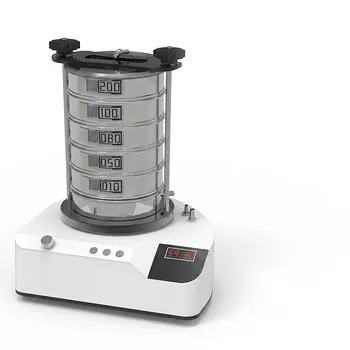
Heavy Duty Dry Three Dimensional Vibratory Sieve Shaker for Particle Separation
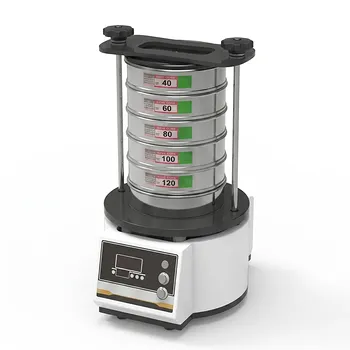
Dry Three Dimensional Vibratory Sieve Shaker
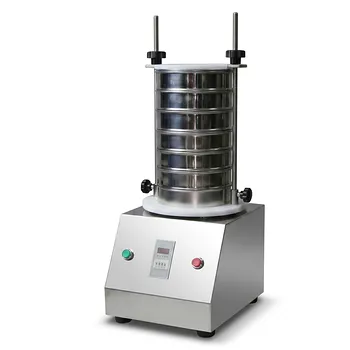
Small Laboratory Vibratory Sieve Shaker for Powder Gradation and Particle Size Analysis
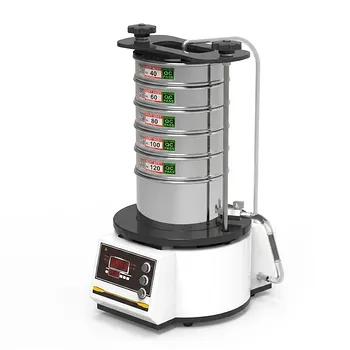
High Frequency Wet Three-Dimensional Vibrating Sieve Shaker for Dry and Wet Particle Size Analysis
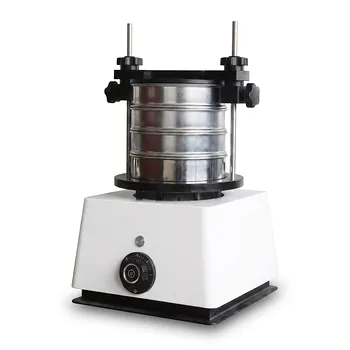
Small Laboratory Vibrating Sieve Shaker for Precise Particle Size Analysis
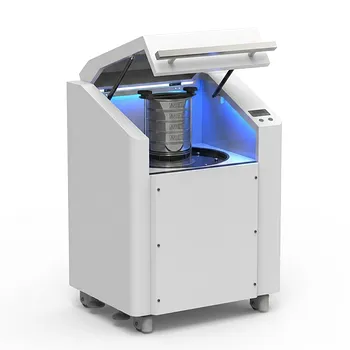
High Frequency Cabinet Type Three-Dimensional Rotary Vibrating Sieve Shaker for Dry Sieving and Particle Classification
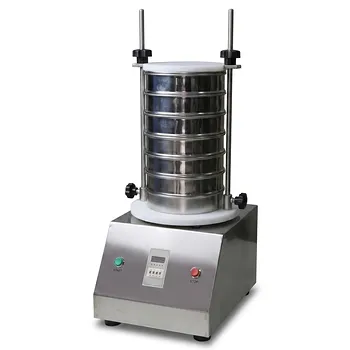
Laboratory Vibratory Test Sieve Shaker for Precision Particle Size Analysis and Powder Grading
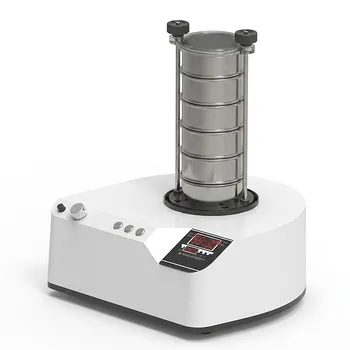
三维电磁微量振动筛分仪
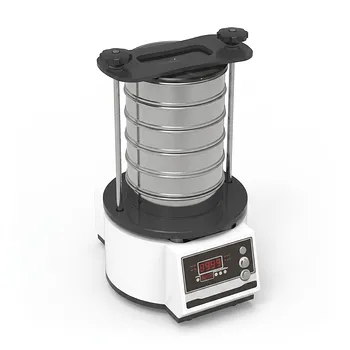
Tapping Oscillating Sieve Shaker for Dry and Wet Particle Size Analysis
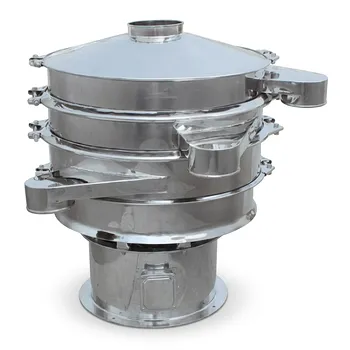
Stainless Steel Rotary Vibrating Sieve High Precision Circular Vibratory Separator Industrial Powder Grading Machine Multi Layer Sifting Equipment
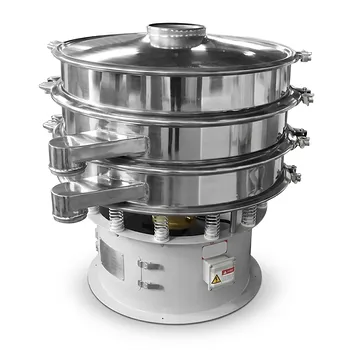
Three Dimensional Rotary Vibrating Sieve
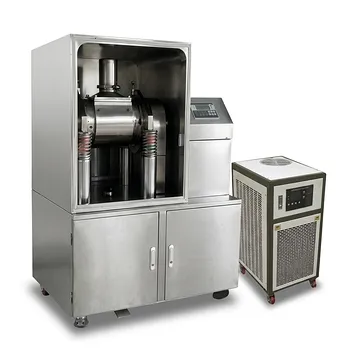
Small Vibrating Ultrafine Grinder for Traditional Chinese Medicine
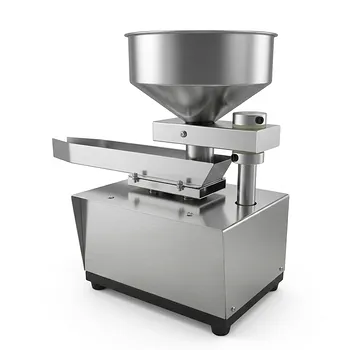
Automatic Vibrating Powder Feeder for Laboratory Material Processing Precision Vibratory Hopper Feeder for Granular and Powder Material Handling Industrial Grade Vibrating Tray Feeder for Consistent Material Sample Preparation
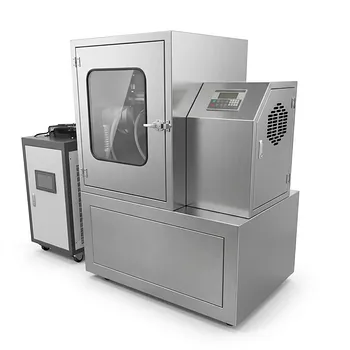
Vibratory Superfine Grinder for Ultra Fine Laboratory Powder Milling
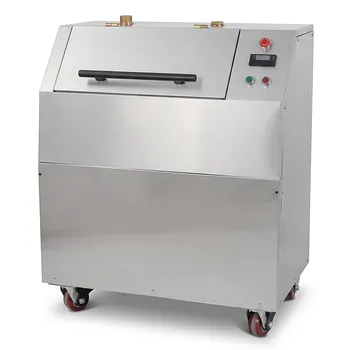
Vibratory Disc Mill for Rapid Fine Grinding and High Throughput Sample Preparation of Hard and Brittle Materials