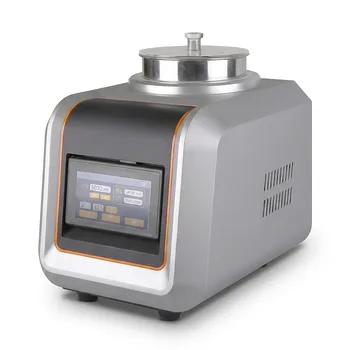
What is the function of a vibratory sieve shaker and test sieves in CFB tests? Optimize PSD for Stable Fluidization
Updated 4 months ago
Precision grading through mechanical sieving is the foundational step for ensuring material consistency in Circulating Fluidized Bed (CFB) cold state tests. By using a vibratory sieve shaker with standard test sieves, researchers can isolate specific particle size ranges—such as 10–20 mesh or 20–30 mesh—to ensure a uniform particle size distribution (PSD). This precise control is critical for achieving stable fluidization, as it eliminates uneven air distribution and prevents the formation of "dead zones" within the bed.
The core function of this equipment is to eliminate particle size as an uncontrolled variable, providing a standardized material foundation. This allows for the accurate evaluation of fluidization behavior, pressure drops, and flow transition parameters.
Ensuring Precise Particle Size Distribution (PSD)
Achieving Material Consistency
Vibratory sieve shakers use controlled mechanical energy to pass bed materials, such as coal powder or silica sand, through a stack of test sieves. This process separates the material into distinct grades, ensuring that every particle in a given sample falls within a narrow, predictable range.
Defining Mean Particle Size
Standard test sieves allow researchers to determine the mean particle size and specific distribution curves. By selecting the exact sand grain size required, the bed can maintain the specific fluidization characteristics necessary for the experiment.
Narrowing the Feed Range
For scientifically valid comparisons, materials are often graded into very narrow ranges, such as 1–3 mm. This precision ensures that experimental inputs are consistent, allowing researchers to isolate the effects of other variables, such as different crushing technologies.
Impact on Fluidization Characteristics
Preventing Fluidization Dead Zones
Non-uniform particles lead to preferential air paths and uneven air distribution. By using precisely graded materials, the vibratory shaker helps ensure that air flows evenly through the entire bed, preventing stagnant "dead zones" where material fails to circulate.
Maintaining Stable Pressure Drops
Consistency in particle size is a prerequisite for a stable pressure drop during the fluidization process. This stability is essential for monitoring the bed's performance and ensuring uniform heat transfer efficiency in simulated combustion environments.
Establishing Quantitative Relationships
Precise separation of materials (ranging from 0.0375 mm to 7.125 mm) allows for the establishment of quantitative relationships. This is critical for calculating flow transition parameters, such as the Reynolds number and the Forchheimer number, which define the transition from fixed to fluidized states.
Understanding the Trade-offs and Pitfalls
Material Attrition During Sieving
Extended vibration times can cause particle attrition, where softer bed materials break down into finer dust during the sieving process itself. This can lead to an "artificial" increase in fines, skewing the PSD results and affecting subsequent fluidization tests.
Sieve Blinding and Clogging
Fine or moist particles can lead to sieve blinding, where the mesh apertures become blocked. If not managed with proper high-frequency vibration or cleaning, this results in inaccurate grading and a wider-than-intended size distribution.
Sample Representativeness
A common pitfall is using a sieving sample that is too small to represent the bulk bed material. To ensure experimental repeatability, the material analyzed in the shaker must be a statistically significant reflection of the total material used in the CFB cold state test.
How to Apply This to Your CFB Test Preparation
Strategic Recommendations
- If your primary focus is stable fluidization: Use a multi-layer stack of sieves to narrow the PSD as much as possible, focusing on removing "fines" that cause unpredictable pressure spikes.
- If your primary focus is experimental repeatability: Standardize your sieving time and vibration frequency to minimize particle attrition and ensure consistent material properties across different test runs.
- If your primary focus is industrial simulation: Utilize sieving passage rate data to determine the optimal time nodes for preparing large volumes of bed material efficiently.
- If your primary focus is flow transition modeling: Prioritize high-frequency vibratory shakers to achieve the sharp separation required to accurately calculate Reynolds numbers.
By mastering the mechanical grading of bed materials, you ensure that your CFB cold state tests are built on a foundation of scientific accuracy and technical reliability.
Summary Table:
| Key Function | Impact on CFB Cold State Tests | Technical Benefit |
|---|---|---|
| Precision Grading | Ensures uniform Particle Size Distribution (PSD) | Prevents "dead zones" and uneven air distribution |
| Material Consistency | Isolates specific ranges (e.g., 10–20 mesh) | Guarantees stable pressure drops and repeatable tests |
| Quantitative Modeling | Accurately calculates Reynolds/Forchheimer numbers | Enables precise definition of flow transition parameters |
| Process Optimization | Identifies optimal sieving time and frequency | Minimizes particle attrition and prevents sieve blinding |
Elevate Your Material Research with Precise Sample Preparation
Achieving scientific accuracy in CFB cold state tests starts with the right equipment. We provide complete laboratory sample preparation solutions for material science, specializing in advanced powder processing and compaction technology.
Whether you need to narrow your feed range or achieve ultra-fine particle separation, our extensive product line is designed to meet the most rigorous standards:
- Sieving & Grading: High-performance vibratory and air-jet sieve shakers with a wide range of precision test sieves and meshes.
- Size Reduction: Durable jaw/roll crushers, liquid nitrogen cryogenic grinders, and versatile mills (planetary ball, jet, sand/bead, disc, and rotor).
- Mixing & Compaction: Efficient powder and defoaming mixers, plus a full spectrum of hydraulic presses including Cold/Warm Isostatic Presses (CIP/WIP), vacuum hot presses, and XRF pellet presses.
Ready to optimize your lab's efficiency and experimental reliability?
Contact our technical experts today to find the perfect solution for your workflow!
References
- Syifa Ainun Mauk, Hafid Alwan. The Influence of Operational Conditions on the Cold Test of CFB Boiler for Fluidization Process Using Air Cap Bell-Type. DOI: 10.31289/jmemme.v9i1.10626
Mentioned Products
- Vibratory Sieve Shaker Electromagnetic 3D Motion Powder Particle Size Analyzer for Dry and Wet Sieving
- Laboratory Dry and Wet Three Dimensional Vibratory Sieve Shaker for Particle Analysis
- Stainless Steel Laboratory Vibratory Test Sieve Shaker
- Heavy Duty Dry Three Dimensional Vibratory Sieve Shaker for Particle Separation
- Dry Three Dimensional Vibratory Sieve Shaker
People Also Ask
- How does a vibratory sieve shaker contribute to optimizing the performance of activated carbon? Enhance Adsorption Precision
- Why is a laboratory vibratory sieve shaker necessary for processing magnesium-based borate precursor powders? Boost Activity
- Why use a vibratory sieve shaker to verify coarse aggregate grading in rubberized concrete? Ensure Structural Integrity
- What function do vibratory sieve shakers and standard test sieves serve in the preparation of adsorbents? Key Guide
- What role does a vibratory sieve shaker play in the particle size analysis of ground corn products? Enhance QC Precision

Tech Team · PowderPreparation
Last updated on Jun 03, 2026
Related Products
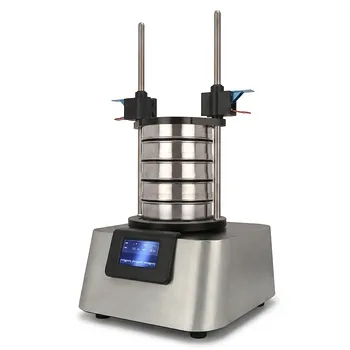
Vibratory Sieve Shaker Electromagnetic 3D Motion Powder Particle Size Analyzer for Dry and Wet Sieving
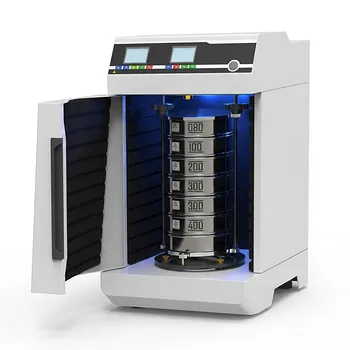
Laboratory Dry and Wet Three Dimensional Vibratory Sieve Shaker for Particle Analysis
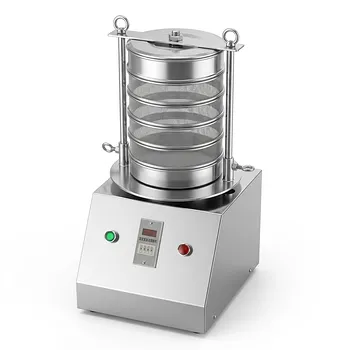
Stainless Steel Laboratory Vibratory Test Sieve Shaker
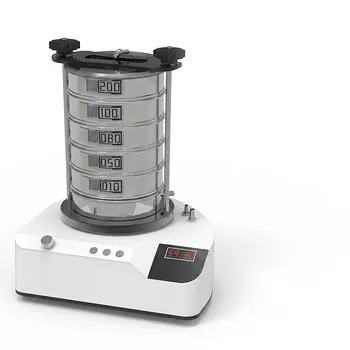
Heavy Duty Dry Three Dimensional Vibratory Sieve Shaker for Particle Separation
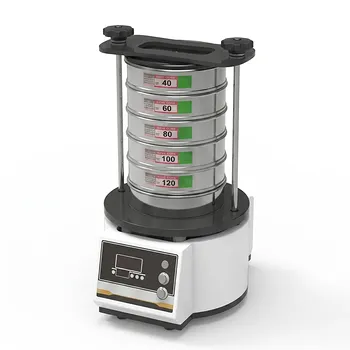
Dry Three Dimensional Vibratory Sieve Shaker
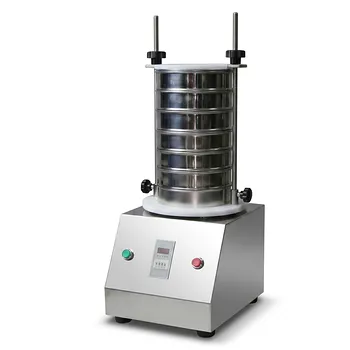
Small Laboratory Vibratory Sieve Shaker for Powder Gradation and Particle Size Analysis
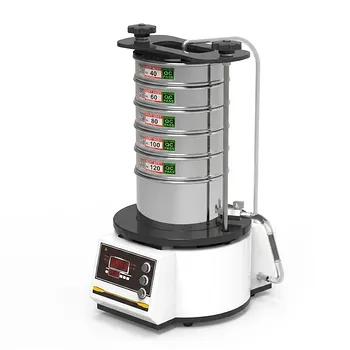
High Frequency Wet Three-Dimensional Vibrating Sieve Shaker for Dry and Wet Particle Size Analysis
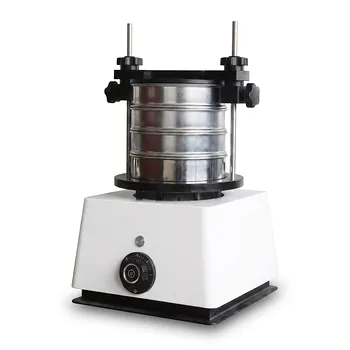
Small Laboratory Vibrating Sieve Shaker for Precise Particle Size Analysis
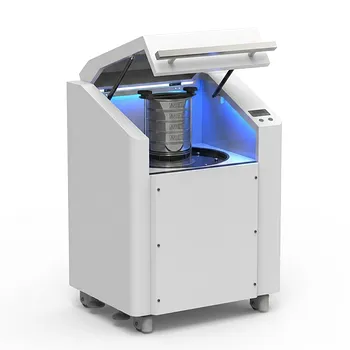
High Frequency Cabinet Type Three-Dimensional Rotary Vibrating Sieve Shaker for Dry Sieving and Particle Classification
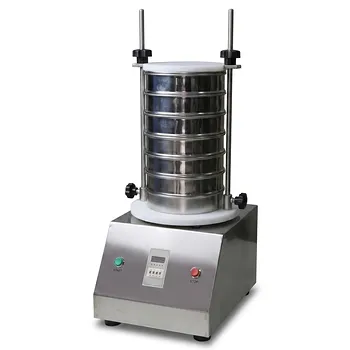
Laboratory Vibratory Test Sieve Shaker for Precision Particle Size Analysis and Powder Grading
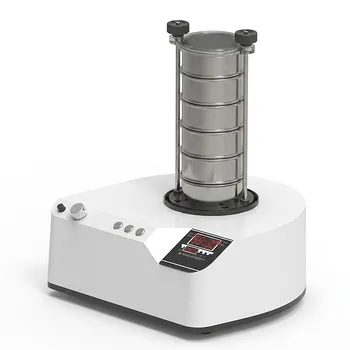
三维电磁微量振动筛分仪
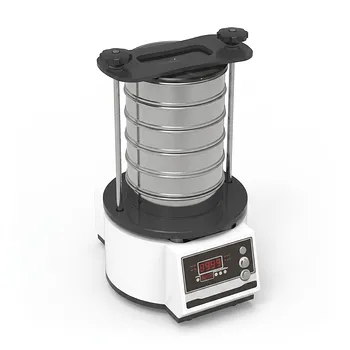
Tapping Oscillating Sieve Shaker for Dry and Wet Particle Size Analysis
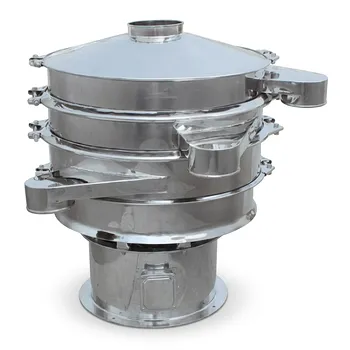
Stainless Steel Rotary Vibrating Sieve High Precision Circular Vibratory Separator Industrial Powder Grading Machine Multi Layer Sifting Equipment
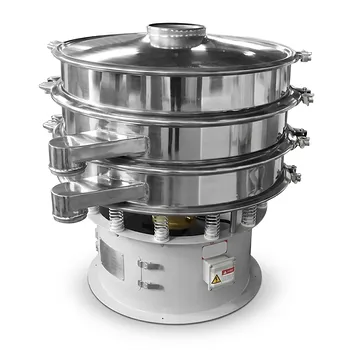
Three Dimensional Rotary Vibrating Sieve
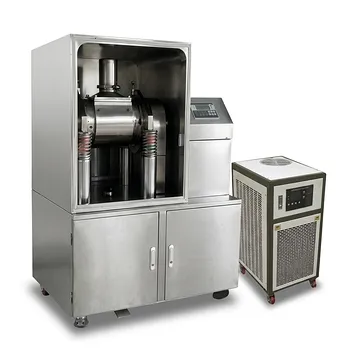
Small Vibrating Ultrafine Grinder for Traditional Chinese Medicine
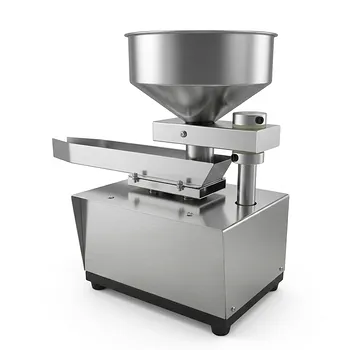
Automatic Vibrating Powder Feeder for Laboratory Material Processing Precision Vibratory Hopper Feeder for Granular and Powder Material Handling Industrial Grade Vibrating Tray Feeder for Consistent Material Sample Preparation
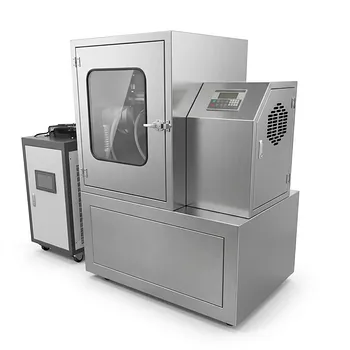
Vibratory Superfine Grinder for Ultra Fine Laboratory Powder Milling
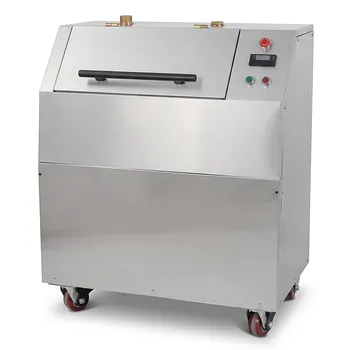
Vibratory Disc Mill for Rapid Fine Grinding and High Throughput Sample Preparation of Hard and Brittle Materials