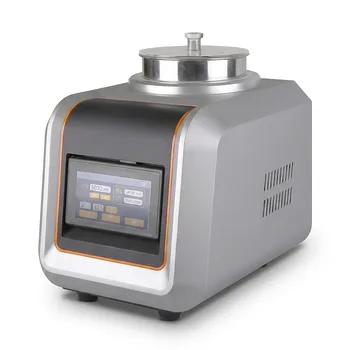
Function of Vibratory Sieve Shakers in Biomass Pelletization: Achieving Uniform Feedstock
Updated 4 months ago
Vibratory sieve shakers and standard test sieves function as the primary calibration tools in biomass pretreatment, isolating material segments with uniform geometric dimensions. This standardization is essential to ensure uniform heat distribution during the drying phase and to eliminate size variations that could lead to inconsistent thermal processing or equipment failure.
The core function of sieving in biomass pretreatment is to transform heterogeneous raw materials into a standardized feedstock. By controlling particle size distribution, operators ensure predictable drying kinetics and the mechanical integrity of the final pellet.
Enhancing Thermal Efficiency and Drying Consistency
Achieving Uniform Heat Distribution
During the drying phase of pretreatment, heat must permeate the biomass evenly to reach a target moisture content. Vibratory sieve shakers ensure that wood chips or straw segments have similar surface-area-to-volume ratios.
This uniformity prevents a common issue where smaller particles over-dry or char while larger segments remain wet. Standard test sieves act as the gatekeepers to maintain this thermal balance.
Preventing Inconsistent Heating
Excessive particle size variation creates "cold spots" and "hot spots" within industrial dryers. By using specific mesh sizes, processors can remove oversized coarse particles that would otherwise require longer residence times.
Removing these outliers ensures the scientific validity of experimental results. It allows researchers to attribute changes in pellet quality to process variables rather than raw material inconsistency.
Mechanical Integrity and Quality Control
Removing Impurities and Foreign Debris
In the preparation of biomass mixtures, such as rice husks or pine sawdust, a sieve with a specific aperture (often 3 mm) is used to extract stones and metal fragments. These impurities can cause catastrophic damage to pellet mill dies and rollers.
Clean feedstock ensures the stability of the densification process. Without this step, foreign debris can create weak points in the pellet structure or cause mechanical blockages in the feeding system.
Optimizing Particle Size Distribution
The vibratory motion allows for the precise calculation of the geometric mean diameter and geometric standard deviation of the biomass. These metrics are critical for predicting how the material will behave under high pressure.
For materials like crushed straw, maintaining a range between 300 to 800 µm optimizes bulk density and internal porosity. This specific grading prevents fine dust from consuming too much binder while ensuring the core structure remains dense.
Understanding the Trade-offs and Pitfalls
Precision vs. Throughput
While high-precision vibratory sieving provides a superior feedstock, it can become a bottleneck in high-volume production. Increasing the vibration intensity may speed up the process but can lead to "blinding," where particles clog the mesh openings.
Material Loss and Dust Management
Aggressive sieving to remove "fines" (excessive dust) improves pellet durability but results in material waste. This dust must be captured and either repurposed or reintroduced at a controlled rate to maintain economic efficiency.
Sieve Wear and Calibration
Standard test sieves are precision instruments that degrade over time due to the abrasive nature of biomass. Regular calibration is required to ensure that a "2 mm" sieve has not worn down to a larger size, which would compromise the repeatability of the entire production run.
How to Apply This to Your Project
To maximize the effectiveness of your pretreatment stage, tailor your sieving strategy to your specific end-use requirements.
- If your primary focus is Research and Development: Use a full stack of multi-layered sieves to calculate the precise Span value and ensure every experimental batch is identical.
- If your primary focus is Industrial Durability: Prioritize the removal of oversized fibers (above 5-8mm) and fine dust (below 0.5mm) to ensure the pellets do not crumble during transport.
- If your primary focus is Equipment Longevity: Focus your sieving efforts on the removal of inorganic impurities like stones and sand that cause premature wear on the pelletizing die.
Properly calibrated sieving turns raw biomass waste into a predictable, high-performance industrial feedstock.
Summary Table:
| Key Function | Technical Benefit | Impact on Final Product |
|---|---|---|
| Thermal Calibration | Ensures uniform surface-area-to-volume ratio | Prevents over-drying or charring of particles |
| Impurity Removal | Extracts stones, metal, and oversized fibers | Protects pellet mill dies and reduces wear |
| PSD Optimization | Controls geometric mean diameter (300–800 µm) | Enhances pellet density and mechanical durability |
| Standardization | Eliminates experimental size variations | Ensures scientific validity and batch repeatability |
Optimize Your Biomass Research with Precision Equipment
Achieving the perfect pellet requires more than just raw material—it requires precise control over particle size and compaction. As experts in providing complete laboratory sample preparation solutions for material science, we offer the specialized equipment needed to transform heterogeneous biomass into high-performance feedstock.
Our extensive product line includes:
- Sieving Excellence: High-precision vibratory and air-jet sieve shakers with a full range of standard test sieves and meshes.
- Advanced Milling: Planetary ball mills, jet mills, and cryogenic grinders for superior particle size reduction.
- Compaction Solutions: A full spectrum of hydraulic presses, including Cold/Warm Isostatic Presses (CIP/WIP), vacuum hot presses, and XRF pellet presses.
Whether you are refining R&D protocols or scaling industrial durability, our powder processing specialists are here to help you select the right tools for your specific material requirements.
Ready to enhance your lab's efficiency? Contact us today to discuss your project!
References
- Marek Wróbel, Adrian Knapczyk. Influence of Raw Material Drying Temperature on the Scots Pine (Pinus sylvestris L.) Biomass Agglomeration Process—A Preliminary Study. DOI: 10.3390/en13071809
Mentioned Products
- Vibratory Sieve Shaker Electromagnetic 3D Motion Powder Particle Size Analyzer for Dry and Wet Sieving
- Laboratory Dry and Wet Three Dimensional Vibratory Sieve Shaker for Particle Analysis
- Stainless Steel Laboratory Vibratory Test Sieve Shaker
- Heavy Duty Dry Three Dimensional Vibratory Sieve Shaker for Particle Separation
- Dry Three Dimensional Vibratory Sieve Shaker
People Also Ask
- How does a vibratory sieve shaker contribute to optimizing the performance of activated carbon? Enhance Adsorption Precision
- Why is a laboratory vibratory sieve shaker necessary for processing magnesium-based borate precursor powders? Boost Activity
- Why use a vibratory sieve shaker to verify coarse aggregate grading in rubberized concrete? Ensure Structural Integrity
- What function do vibratory sieve shakers and standard test sieves serve in the preparation of adsorbents? Key Guide
- What role does a vibratory sieve shaker play in the particle size analysis of ground corn products? Enhance QC Precision

Tech Team · PowderPreparation
Last updated on Jun 03, 2026
Related Products
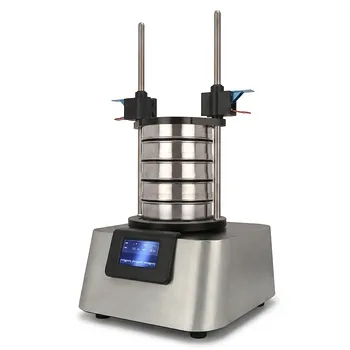
Vibratory Sieve Shaker Electromagnetic 3D Motion Powder Particle Size Analyzer for Dry and Wet Sieving
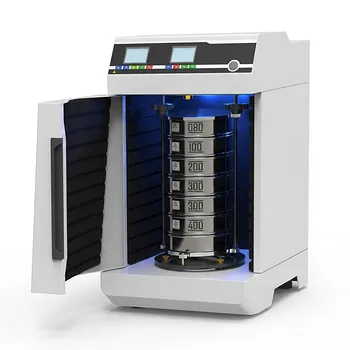
Laboratory Dry and Wet Three Dimensional Vibratory Sieve Shaker for Particle Analysis
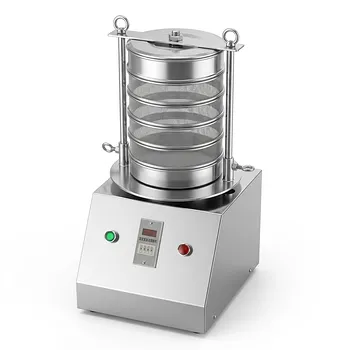
Stainless Steel Laboratory Vibratory Test Sieve Shaker
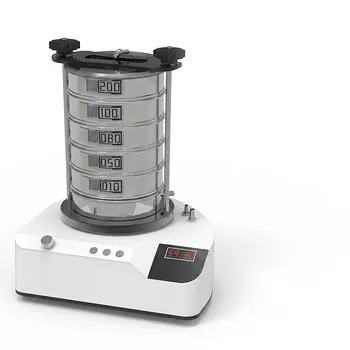
Heavy Duty Dry Three Dimensional Vibratory Sieve Shaker for Particle Separation
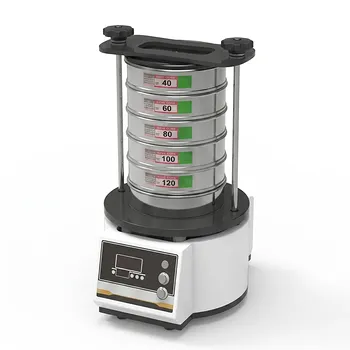
Dry Three Dimensional Vibratory Sieve Shaker
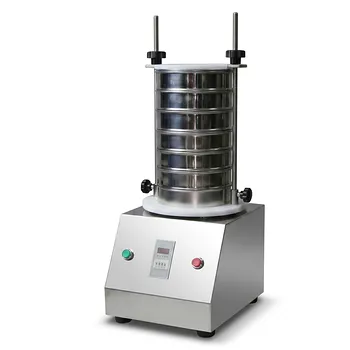
Small Laboratory Vibratory Sieve Shaker for Powder Gradation and Particle Size Analysis
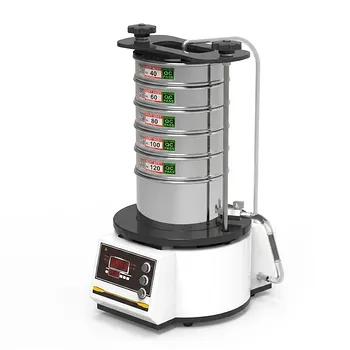
High Frequency Wet Three-Dimensional Vibrating Sieve Shaker for Dry and Wet Particle Size Analysis
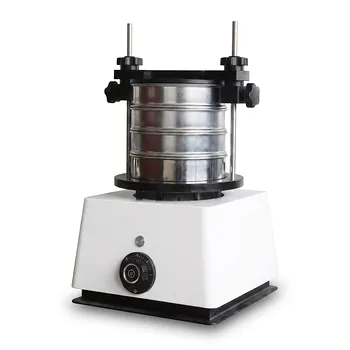
Small Laboratory Vibrating Sieve Shaker for Precise Particle Size Analysis
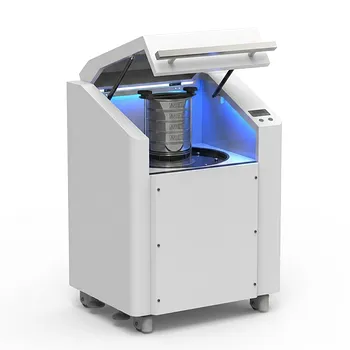
High Frequency Cabinet Type Three-Dimensional Rotary Vibrating Sieve Shaker for Dry Sieving and Particle Classification
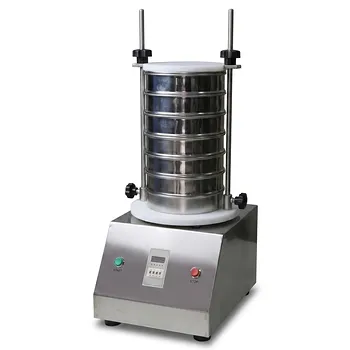
Laboratory Vibratory Test Sieve Shaker for Precision Particle Size Analysis and Powder Grading
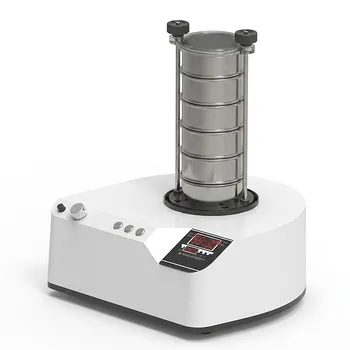
三维电磁微量振动筛分仪
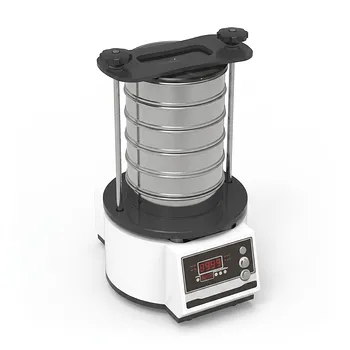
Tapping Oscillating Sieve Shaker for Dry and Wet Particle Size Analysis
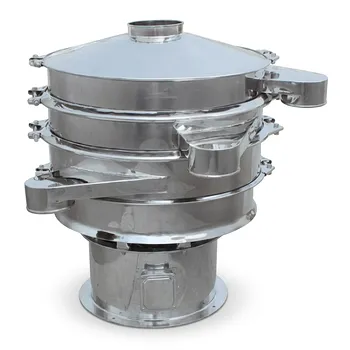
Stainless Steel Rotary Vibrating Sieve High Precision Circular Vibratory Separator Industrial Powder Grading Machine Multi Layer Sifting Equipment
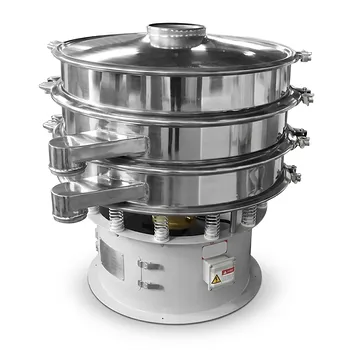
Three Dimensional Rotary Vibrating Sieve
Small Vibrating Ultrafine Grinder for Traditional Chinese Medicine
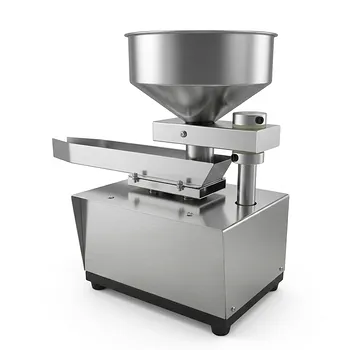
Automatic Vibrating Powder Feeder for Laboratory Material Processing Precision Vibratory Hopper Feeder for Granular and Powder Material Handling Industrial Grade Vibrating Tray Feeder for Consistent Material Sample Preparation
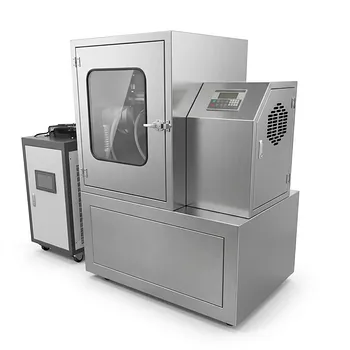
Vibratory Superfine Grinder for Ultra Fine Laboratory Powder Milling
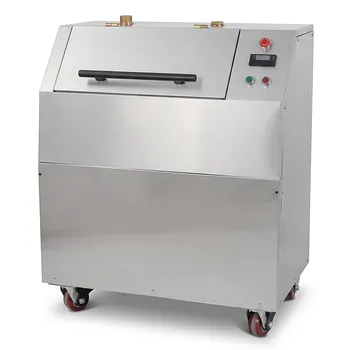
Vibratory Disc Mill for Rapid Fine Grinding and High Throughput Sample Preparation of Hard and Brittle Materials