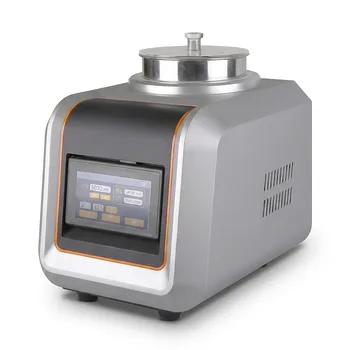
What is the function of a vibratory sieve shaker and test sieves in M20 concrete analysis? Ensure Optimal Strength.
Updated 5 months ago
In M20 concrete production, the vibratory sieve shaker and standard test sieves function as a precision grading system to determine particle size distribution. These tools mechanically separate coarse and fine aggregates into specific size fractions. This analysis ensures that sand meets Zone II standards and coarse aggregates maintain a 20mm nominal size, which is critical for achieving the required 20 MPa compressive strength and optimal workability.
The combined use of vibratory shakers and standard sieves allows engineers to optimize the packing density of raw materials. By achieving a specific grading curve, you minimize voids and reduce cement consumption while ensuring the structural integrity of M20 grade concrete.
The Role of Mechanical Screening in Aggregate Grading
Determining Grain Size Distribution
The shaker uses mechanical vibration to pass materials through a stack of sieves with descending aperture sizes, ranging from 1 inch down to 200 mesh. This process creates a gradation curve, which reveals the exact proportion of different particle sizes present in the raw material.
Optimizing Packing Density
Precise grading allows smaller particles to fill the interstitial gaps between larger aggregates. This minimizes porosity within the mix, which directly informs calculations for reducing the required volume of cement paste.
Improving Workability and Strength
By ensuring a continuous distribution of particles, the sieve analysis helps achieve a mix that flows easily during placement. This consistency is fundamental for ensuring the final concrete reaches its 20 MPa (M20) compressive strength target.
Material-Specific Standards for M20 Concrete
Fine Aggregate and Zone II Compliance
For M20 concrete, fine aggregates (sand) are typically analyzed to ensure they meet Zone II grading standards. The sieve shaker identifies if the sand is too coarse or too fine, which prevents "bleeding" or poor finishability in the wet concrete.
Coarse Aggregate and 20mm Nominal Sizing
Standard sieves verify that coarse aggregates fall within the 20mm nominal particle size range. Correct sizing ensures the concrete can be placed easily around steel reinforcement without creating "honeycombing" or structural weak points.
Standardizing Mix Ratios
The data provided by the sieve analysis allows for the accurate adjustment of common mix ratios, such as 1:2:4 or 1:3:6. This ensures that the raw materials are uniform, providing a stable foundation for subsequent strength modeling and quality control.
Understanding the Trade-offs and Pitfalls
Vibration Frequency and Material Degradation
Using incorrect vibration frequencies or excessive shaking times can cause particle attrition. This occurs when softer aggregates rub together and break down, leading to an inaccurate grading report that suggests the material is finer than it actually is.
The Problem of Particle Shape
Sieve analysis measures the second smallest dimension of a particle, meaning elongated or "flaky" particles may pass through a mesh they shouldn't. Relying solely on sieve results without inspecting particle shape can lead to a mix with poor interlocking strength.
Sieve Blinding and Maintenance
Overloading a sieve tray can lead to "blinding," where particles get stuck in the mesh and prevent others from passing through. Regular calibration and cleaning of standard test sieves are mandatory to maintain the accuracy of the Particle Size Distribution (PSD) analysis.
How to Apply This to Your Project
To ensure your M20 concrete meets engineering specifications, use the sieve analysis results to guide your material procurement and mix adjustments.
- If your primary focus is Maximum Compressive Strength: Use the sieve shaker to ensure a "well-graded" distribution that eliminates internal voids and maximizes the contact area between aggregates.
- If your primary focus is Cost Efficiency: Optimize the grading curve to increase packing density, which allows you to reduce the amount of expensive cement paste required without compromising durability.
- If your primary focus is Workability in Reinforced Sections: Strictly enforce the 20mm nominal size limit for coarse aggregates to ensure the mix flows perfectly around dense rebar configurations.
By masterfully controlling aggregate gradation, you transition from reactive troubleshooting to proactive quality assurance in your concrete production.
Summary Table:
| Component | Primary Function | Impact on M20 Concrete |
|---|---|---|
| Vibratory Shaker | Mechanical separation of particle fractions | Ensures a consistent and repeatable gradation curve |
| Standard Test Sieves | Defining precise size boundaries (200 mesh - 1") | Verifies Zone II sand compliance and 20mm aggregate sizing |
| Grading Analysis | Identifying Particle Size Distribution (PSD) | Optimizes packing density to minimize voids and cement waste |
| Quality Control | Standardizing mix ratios (e.g., 1:2:4) | Guarantees the target 20 MPa compressive strength |
Elevate Your Material Analysis with KINTEK SOLUTION
Precision in grading is the foundation of structural integrity. KINTEK SOLUTION provides complete laboratory sample preparation solutions for material science, specializing in high-performance powder processing and compaction equipment.
From our advanced vibratory and air-jet sieve shakers equipped with precision test sieves and meshes to our robust line of crushers (jaw/roll), liquid nitrogen cryogenic grinders, and planetary ball mills, we ensure your raw materials are analyzed with absolute accuracy.
Our expertise also includes:
- Mixing Technology: High-efficiency powder and defoaming mixers.
- Hydraulic Presses: A full spectrum of Cold/Warm Isostatic Presses (CIP/WIP), XRF pellet presses, and vacuum hot presses for advanced material research.
Whether you are a researcher aiming for the perfect mix or a distributor seeking reliable laboratory equipment, we deliver the tools you need for success. Contact us today to discuss your requirements!
References
- Sarat Mishra -, Sumit Maharjan -. Comparison of Compressive Strength Among 5 Different Brands of Cement Used in Construction of Road in Nepal. DOI: 10.36948/ijfmr.2024.v06i04.24614
Mentioned Products
- Vibratory Sieve Shaker Electromagnetic 3D Motion Powder Particle Size Analyzer for Dry and Wet Sieving
- Laboratory Dry and Wet Three Dimensional Vibratory Sieve Shaker for Particle Analysis
- Stainless Steel Laboratory Vibratory Test Sieve Shaker
- Heavy Duty Dry Three Dimensional Vibratory Sieve Shaker for Particle Separation
- Dry Three Dimensional Vibratory Sieve Shaker
People Also Ask
- How does a vibratory sieve shaker contribute to optimizing the performance of activated carbon? Enhance Adsorption Precision
- Why is a laboratory vibratory sieve shaker necessary for processing magnesium-based borate precursor powders? Boost Activity
- Why use a vibratory sieve shaker to verify coarse aggregate grading in rubberized concrete? Ensure Structural Integrity
- What function do vibratory sieve shakers and standard test sieves serve in the preparation of adsorbents? Key Guide
- What role does a vibratory sieve shaker play in the particle size analysis of ground corn products? Enhance QC Precision

Tech Team · PowderPreparation
Last updated on May 14, 2026
Related Products
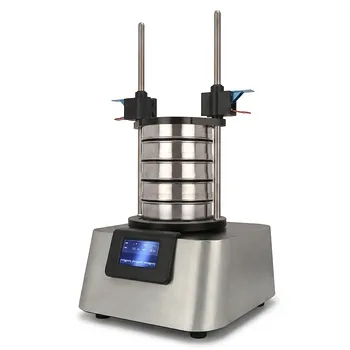
Vibratory Sieve Shaker Electromagnetic 3D Motion Powder Particle Size Analyzer for Dry and Wet Sieving
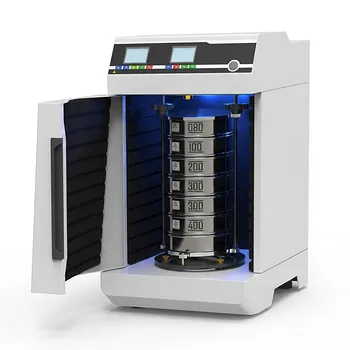
Laboratory Dry and Wet Three Dimensional Vibratory Sieve Shaker for Particle Analysis
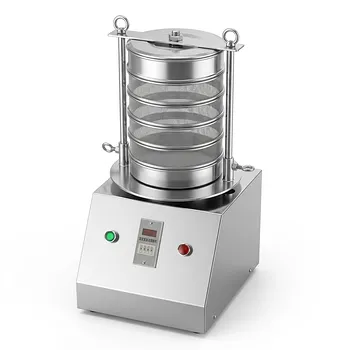
Stainless Steel Laboratory Vibratory Test Sieve Shaker
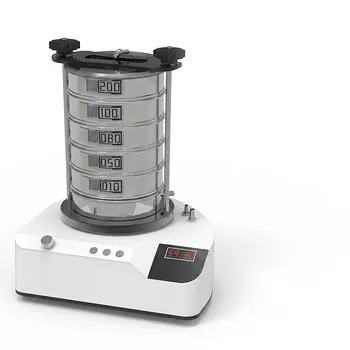
Heavy Duty Dry Three Dimensional Vibratory Sieve Shaker for Particle Separation
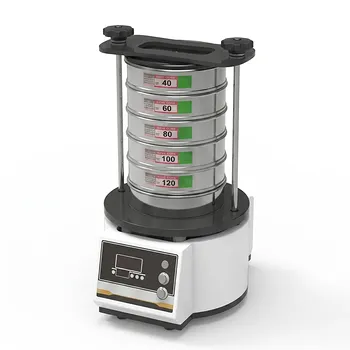
Dry Three Dimensional Vibratory Sieve Shaker
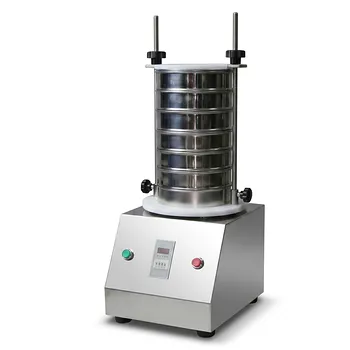
Small Laboratory Vibratory Sieve Shaker for Powder Gradation and Particle Size Analysis
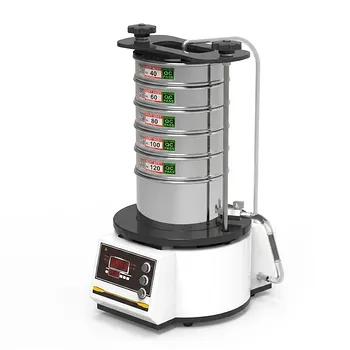
High Frequency Wet Three-Dimensional Vibrating Sieve Shaker for Dry and Wet Particle Size Analysis
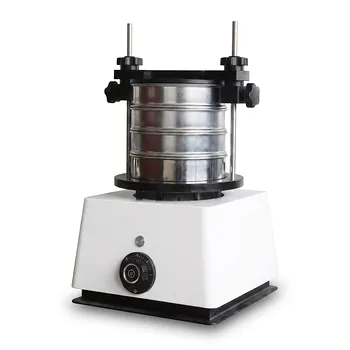
Small Laboratory Vibrating Sieve Shaker for Precise Particle Size Analysis
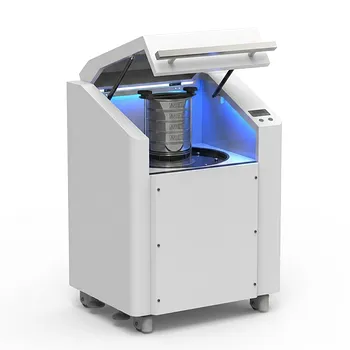
High Frequency Cabinet Type Three-Dimensional Rotary Vibrating Sieve Shaker for Dry Sieving and Particle Classification
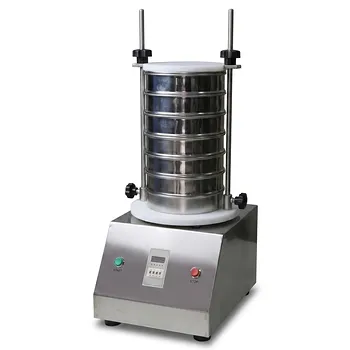
Laboratory Vibratory Test Sieve Shaker for Precision Particle Size Analysis and Powder Grading
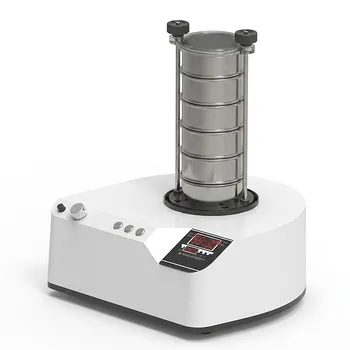
三维电磁微量振动筛分仪
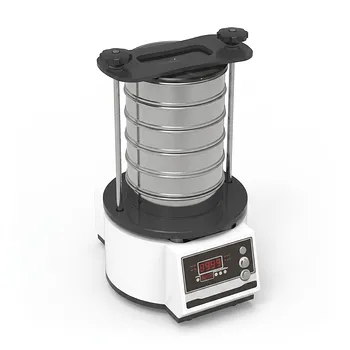
Tapping Oscillating Sieve Shaker for Dry and Wet Particle Size Analysis
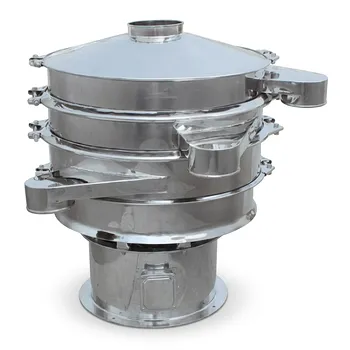
Stainless Steel Rotary Vibrating Sieve High Precision Circular Vibratory Separator Industrial Powder Grading Machine Multi Layer Sifting Equipment
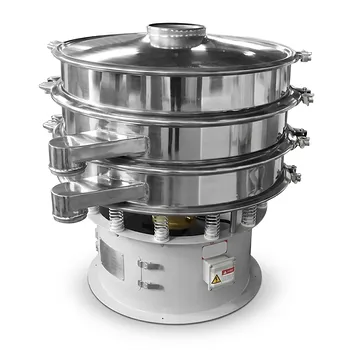
Three Dimensional Rotary Vibrating Sieve
Small Vibrating Ultrafine Grinder for Traditional Chinese Medicine
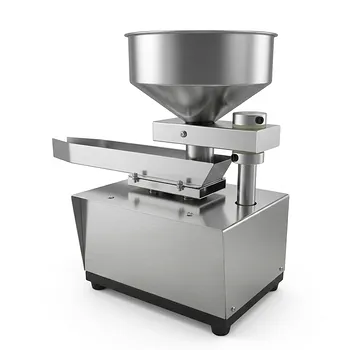
Automatic Vibrating Powder Feeder for Laboratory Material Processing Precision Vibratory Hopper Feeder for Granular and Powder Material Handling Industrial Grade Vibrating Tray Feeder for Consistent Material Sample Preparation
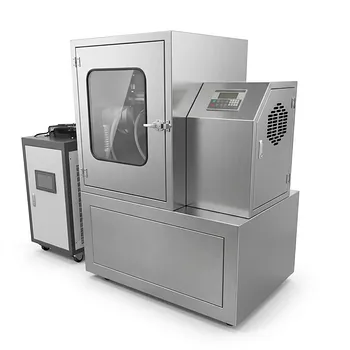
Vibratory Superfine Grinder for Ultra Fine Laboratory Powder Milling
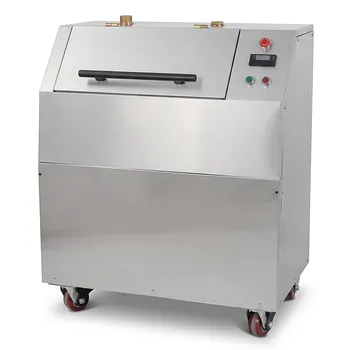
Vibratory Disc Mill for Rapid Fine Grinding and High Throughput Sample Preparation of Hard and Brittle Materials