What is the function of a laboratory-scale vibratory sieve shaker in the preparation of molding sand for casting?
Updated 5 months ago
The primary function of a laboratory-scale vibratory sieve shaker in casting is to accurately determine the Grain Fineness Number (GFN) of silica sand through multi-stage screening. This process allows foundry technicians to quantify the particle size distribution, ensuring the sand falls within an ideal range—typically GFN 55-60—to balance the mold's gas permeability with the desired surface finish of the final casting.
The vibratory sieve shaker serves as a critical diagnostic tool that transforms bulk raw sand into standardized data, allowing for the precise control of mold porosity and the prevention of gas-related casting defects.
Quantifying Sand Quality through GFN Analysis
Determining the Grain Fineness Number (GFN)
The shaker uses a stack of precision test sieves to separate sand into discrete size fractions. By calculating the mass percentage of sand retained on each sieve, technicians can determine the GFN, which represents the average size of the grains.
Identifying the "Main Component"
High-quality molding sand usually requires a "main component" where more than 85% of the total mass falls within a narrow range of adjacent sieves. The vibratory shaker identifies whether a sand sample meets this threshold, ensuring the sand matrix will behave predictably under thermal stress.
Calculating Theoretical Porosity
The data obtained from the sieve analysis serves as the fundamental input for calculating theoretical surface and volume porosity. Understanding these values is essential for predicting how the molding sand will pack and how much binder will be required to coat the grains.
Balancing Permeability and Surface Finish
Preventing Gas-Related Defects
Precise control over grain size is the primary defense against casting defects such as blowholes and pinholes. If the sand is too fine, gas cannot escape the mold; if it is too coarse, the metal may penetrate the sand, causing a poor surface finish.
Ensuring Mold Integrity and Consistency
Vibratory screening prevents particle size segregation, ensuring that the mineralogical heterogeneity is representative throughout the mold. This consistency is vital for maintaining uniform contact morphology, which affects the mechanical strength of the green sand mold.
Refining Aggregate Purity
The high-frequency vibration efficiently filters out organic impurities, large stones, or inorganic clumps that could compromise the mold. Removing these contaminants optimizes the interfacial bonding between the sand grains and the chemical binders or clay used in the mixture.
Understanding the Trade-offs and Technical Pitfalls
Sieve Blinding and Mesh Maintenance
One common issue is "blinding," where particles become wedged in the mesh openings, leading to inaccurate mass measurements. Regular cleaning and the use of de-blinding aids (like specialized balls or cubes) are necessary to maintain the precision of the laboratory results.
Particle Attrition from Over-Vibration
Excessive vibration intensity or duration can cause "attrition," where sand grains rub against each other and break into smaller fragments. This creates a false GFN reading that does not reflect the actual state of the bulk material being used on the foundry floor.
The Limitation of Dry Sieving
While vibratory shakers are excellent for dry silica sand, they may struggle with extremely fine "fines" or wet sand samples. In these cases, the particles may agglomerate due to moisture or static electricity, requiring specialized wet-sieving attachments to achieve an accurate distribution.
How to Apply This to Your Casting Process
Making the Right Choice for Your Goal
To optimize your molding sand preparation, align your sieving protocol with your specific production requirements.
- If your primary focus is reducing gas defects: Prioritize identifying the GFN and ensuring the distribution provides sufficient permeability for the specific alloy's pouring temperature.
- If your primary focus is achieving high-definition surface finish: Use the sieve shaker to select a higher GFN sand and verify that the "fines" content is strictly controlled to prevent surface roughness.
- If your primary focus is minimizing binder costs: Use the shaker to ensure a uniform grain size, as a wide distribution (high variance) significantly increases the surface area that must be coated by expensive resins.
By mastering the use of the vibratory sieve shaker, you move from guesswork to a data-driven approach that guarantees the structural and aesthetic integrity of your cast products.
Summary Table:
| Key Function | Technical Metric | Impact on Casting Quality |
|---|---|---|
| GFN Determination | Grain Fineness Number | Balances gas permeability with surface finish |
| Component Analysis | Mass Percentage (>85%) | Ensures predictable sand behavior under heat |
| Porosity Calculation | Surface/Volume Porosity | Predicts packing density and binder requirements |
| Impurity Removal | Aggregate Purity | Optimizes bonding between sand and binders |
| Quality Control | Distribution Consistency | Prevents gas-related defects like blowholes |
Elevate Your Material Analysis with Precision Equipment
Achieving the perfect Grain Fineness Number (GFN) is critical for defect-free casting. At our facility, we provide complete laboratory sample preparation solutions tailored for material science and foundry applications. We specialize in high-performance powder processing and compaction equipment designed to meet the most rigorous standards.
Our extensive product range includes:
- Sieving & Particle Analysis: Vibratory and air-jet sieve shakers with a full selection of precision test sieves and meshes.
- Milling & Grinding: Planetary ball mills, jet mills, disc mills, and liquid nitrogen cryogenic grinders.
- Crushing & Mixing: Jaw/roll crushers, powder mixers, and defoaming mixers.
- Advanced Compaction: A full spectrum of hydraulic presses, including Cold/Warm Isostatic Presses (CIP/WIP), XRF pellet presses, and vacuum hot presses.
Whether you are refining molding sand or developing new ceramic composites, our equipment ensures accuracy and reliability. Contact our technical experts today to find the ideal solution for your laboratory needs!
References
- Deshpande Anand, Ganesh R. Chate. Study of mould hardness for alpha set type resin bonded moulding sand system using Taguchi approach for metal casting applications. DOI: 10.1051/matecconf/201814403007
Mentioned Products
- Vibratory Sieve Shaker Electromagnetic 3D Motion Powder Particle Size Analyzer for Dry and Wet Sieving
- Small Laboratory Vibratory Sieve Shaker for Powder Gradation and Particle Size Analysis
- Dry Three Dimensional Vibratory Sieve Shaker
- Laboratory Vibratory Test Sieve Shaker for Precision Particle Size Analysis and Powder Grading
- Heavy Duty Dry Three Dimensional Vibratory Sieve Shaker for Particle Separation
People Also Ask
- How does a vibratory sieve shaker contribute to optimizing the performance of activated carbon? Enhance Adsorption Precision
- Why is a laboratory vibratory sieve shaker necessary for processing magnesium-based borate precursor powders? Boost Activity
- Why use a vibratory sieve shaker to verify coarse aggregate grading in rubberized concrete? Ensure Structural Integrity
- What function do vibratory sieve shakers and standard test sieves serve in the preparation of adsorbents? Key Guide
- What role does a vibratory sieve shaker play in the particle size analysis of ground corn products? Enhance QC Precision

Tech Team · PowderPreparation
Last updated on May 14, 2026
Related Products
Vibratory Sieve Shaker Electromagnetic 3D Motion Powder Particle Size Analyzer for Dry and Wet Sieving
Small Laboratory Vibratory Sieve Shaker for Powder Gradation and Particle Size Analysis
Dry Three Dimensional Vibratory Sieve Shaker
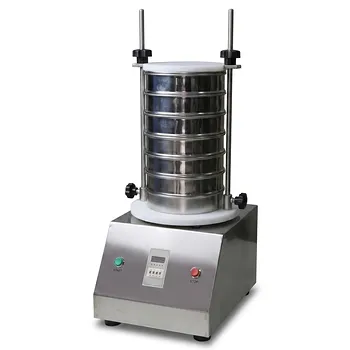
Laboratory Vibratory Test Sieve Shaker for Precision Particle Size Analysis and Powder Grading
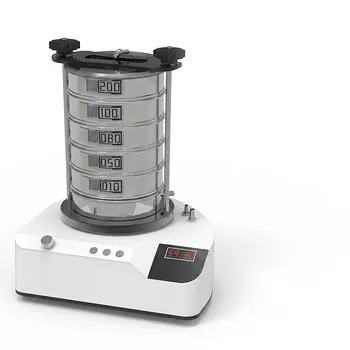
Heavy Duty Dry Three Dimensional Vibratory Sieve Shaker for Particle Separation
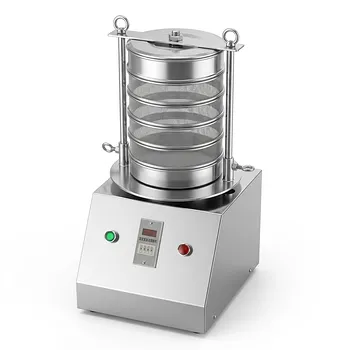
Stainless Steel Laboratory Vibratory Test Sieve Shaker
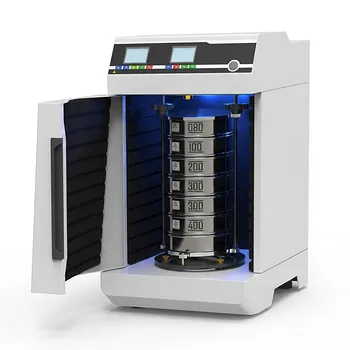
Laboratory Dry and Wet Three Dimensional Vibratory Sieve Shaker for Particle Analysis
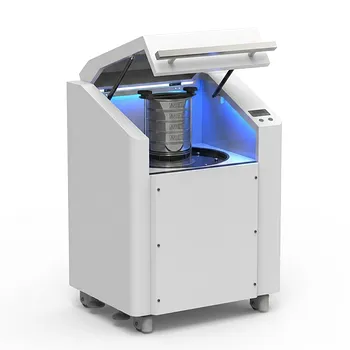
High Frequency Cabinet Type Three-Dimensional Rotary Vibrating Sieve Shaker for Dry Sieving and Particle Classification
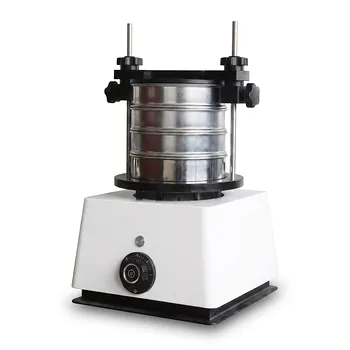
Small Laboratory Vibrating Sieve Shaker for Precise Particle Size Analysis
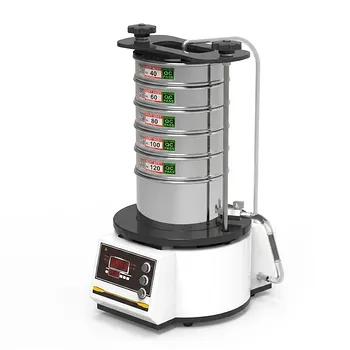
High Frequency Wet Three-Dimensional Vibrating Sieve Shaker for Dry and Wet Particle Size Analysis
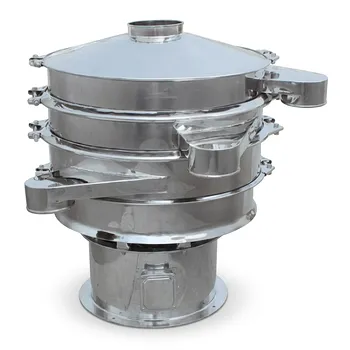
Stainless Steel Rotary Vibrating Sieve High Precision Circular Vibratory Separator Industrial Powder Grading Machine Multi Layer Sifting Equipment
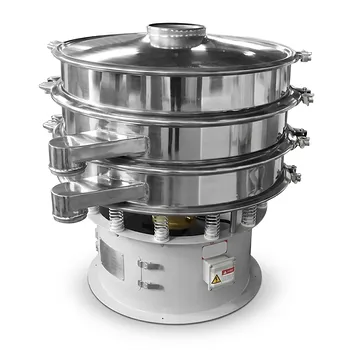
Three Dimensional Rotary Vibrating Sieve
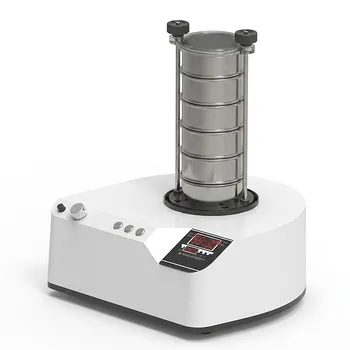
三维电磁微量振动筛分仪
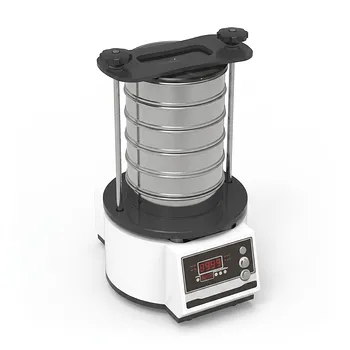
Tapping Oscillating Sieve Shaker for Dry and Wet Particle Size Analysis
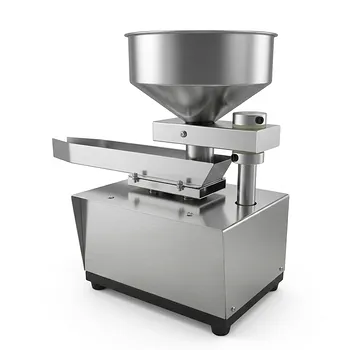
Automatic Vibrating Powder Feeder for Laboratory Material Processing Precision Vibratory Hopper Feeder for Granular and Powder Material Handling Industrial Grade Vibrating Tray Feeder for Consistent Material Sample Preparation