What is the function of a laboratory hydraulic press in the green body formation of alumina-based ceramics? Key Insights
Updated 5 months ago
The laboratory hydraulic press is the primary tool for consolidating alumina powders into a "green body"—a dense, semi-solid preform with a defined geometric shape. By applying precise, uniaxial pressure (typically ranging from 30 to 150 MPa), the press forces loose particles to rearrange, undergo plastic deformation, and mechanically interlock. This compaction is essential for eliminating internal voids and establishing the structural integrity required for handling and subsequent high-temperature sintering.
A laboratory hydraulic press provides the controlled mechanical force necessary to transform loose ceramic powder into a cohesive green body with high relative density. Its precise pressure application is the foundational step in ensuring uniform shrinkage and preventing structural failure during the final densification process.
Transforming Powder into Structure
Particle Rearrangement and Packing
The primary function of the press is to apply axial loading that forces ceramic particles to overcome inter-particle friction. As pressure increases, particles slide into available gaps, significantly reducing the volume of the powder mass.
Plastic Deformation and Interlocking
Under high pressure, such as the 100 MPa commonly cited for alumina, individual particles and organic binders undergo localized deformation. This creates a mechanical "interlocking" effect and increases the number of contact points between particles, which is critical for atomic diffusion later.
Physical Degassing
The compression process facilitates physical degassing, expelling air trapped between loose powder grains. Removing this air is vital because trapped gas can expand during sintering, leading to internal cracks or "bloating" in the final ceramic.
Defining the Properties of the Green Body
Establishing Green Density
The hydraulic press directly determines the relative density of the green body, which often needs to be high enough to ensure a stable foundation for sintering. High initial density reduces the amount of work required during the heating phase to achieve a fully dense ceramic.
Providing Mechanical Strength
A well-pressed green body possesses sufficient mechanical strength to be handled or even machined before it is fired. This strength is derived from the tight packing and the activation of binders under the influence of the press's constant pressure.
Ensuring Dimensional Stability
By providing a uniform internal density distribution, the hydraulic press minimizes the risk of non-uniform shrinkage. Without this stability, alumina components are prone to warping, twisting, or cracking as they contract in the furnace.
Understanding the Trade-offs and Pitfalls
Wall Friction and Density Gradients
A significant challenge in uniaxial pressing is die wall friction, which can cause pressure to drop as it moves further from the punch. This results in density gradients within the green body, potentially leading to uneven shrinkage or internal stresses during sintering.
The Risk of Lamination
Applying pressure too rapidly or using excessive force can lead to lamination, where the green body develops horizontal cracks or layers. This occurs when trapped air or elastic recovery exceeds the bonding strength of the compacted powder.
Tooling Wear and Contamination
The use of high-precision steel or stainless steel molds is necessary to withstand the high pressures of a hydraulic press. However, the abrasive nature of alumina can cause mold wear, which may introduce metallic impurities into the ceramic powder if the molds are not properly maintained or coated.
How to Apply This to Your Project
Optimizing Your Pressing Strategy
To achieve the best results with alumina-based ceramics, the pressing parameters must be tailored to the specific requirements of the final component.
- If your primary focus is maximum final density: Use higher pressures (approaching 150–295 MPa) to minimize initial voids and maximize particle contact points.
- If your primary focus is preventing lamination or cracking: Use a slower loading rate and include a "dwell time" at peak pressure to allow for air escape and binder relaxation.
- If your primary focus is dimensional precision: Ensure the use of high-precision, hardened steel molds and apply lubricants to the die walls to reduce friction-induced density gradients.
The precise control offered by a laboratory hydraulic press is the critical link between raw powder characteristics and the predictable performance of a finished alumina ceramic.
Summary Table:
| Function | Impact on Ceramic Green Body |
|---|---|
| Particle Packing | Reduces volume and eliminates voids by overcoming inter-particle friction. |
| Interlocking | Facilitates plastic deformation and mechanical bonding between particles. |
| Degassing | Expels trapped air to prevent internal cracks and bloating during sintering. |
| Density Control | Establishes the relative density required for uniform shrinkage and strength. |
Optimize Your Ceramic Compaction with Precision Equipment
Achieving the perfect green body requires more than just pressure—it requires precision and reliability. At [Brand Name], we provide complete laboratory sample preparation solutions for material science, specializing in high-performance powder processing and compaction equipment.
Our extensive range includes:
- Hydraulic Presses: Cold/Warm Isostatic Presses (CIP/WIP), standard lab presses, XRF pellet presses, and vacuum hot presses.
- Milling & Grinding: Planetary ball mills, jet mills, and cryogenic grinders.
- Sizing & Mixing: Sieve shakers, powder mixers, and defoaming mixers.
Whether you are refining alumina-based ceramics or developing new composite materials, our equipment ensures uniform density and structural integrity. Contact our experts today to discuss your specific application and find the ideal solution for your laboratory needs!
References
- Anne Caroline de Paula Nascimento, Cosme Roberto Moreira Silva. Effect of Addition of Previously-Synthesized Ce-TZP/Al2O3 Submicrometric Powder on the Properties of Al2O3-Based Ceramics. DOI: 10.1590/1980-5373-mr-2021-0510
Mentioned Products
- 6-Ton Small Single-Punch Tablet Press — Laboratory Powder & Granule Tableting Equipment / Tablet Forming Machine
- 5 Ton Single Punch Tablet Press Laboratory Small Batch Production
- Manual Tablet Press with Dual Scale Pressure Gauge for Pharmaceutical Food Chemical Laboratory Sample Preparation
- 6 Ton Variable Frequency Single Punch Tablet Press
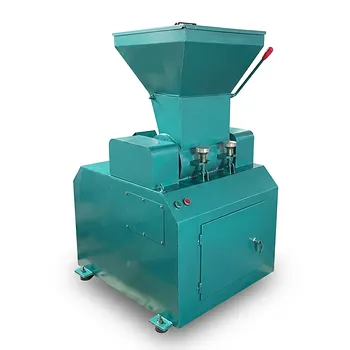
- High Speed Small Laboratory Crusher for Dry Material Sample Preparation
People Also Ask
- What is the function of a laboratory press in Cr-Ti alloy evaluation? Quantify Fracture Stress & Strength
- What is the function of a laboratory press in assessing the hydrophobic performance of modified vermiculite fillers?
- What is the core function of a laboratory press in the forming of ceramic filter element green bodies? Maximize Density.
- What is the function of a laboratory press in the preparation of ceramic feed rods? Master Density and Precision
- Why is vacuum sealing and flexible packaging necessary for Aluminum Titanate powders during CIP? Ensure Peak Density

Tech Team · PowderPreparation
Last updated on May 14, 2026
Related Products
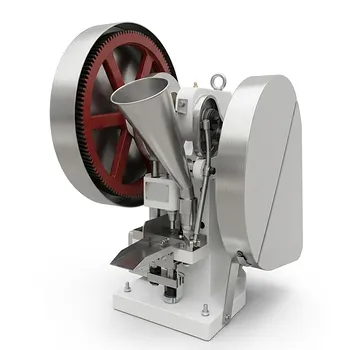
6-Ton Small Single-Punch Tablet Press — Laboratory Powder & Granule Tableting Equipment / Tablet Forming Machine
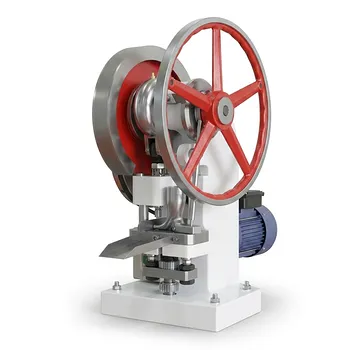
5 Ton Single Punch Tablet Press Laboratory Small Batch Production
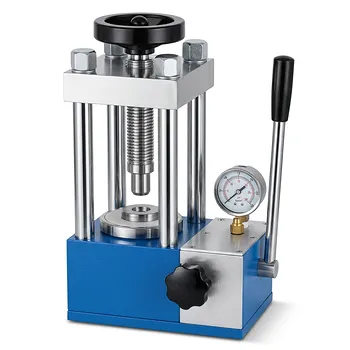
Manual Tablet Press with Dual Scale Pressure Gauge for Pharmaceutical Food Chemical Laboratory Sample Preparation
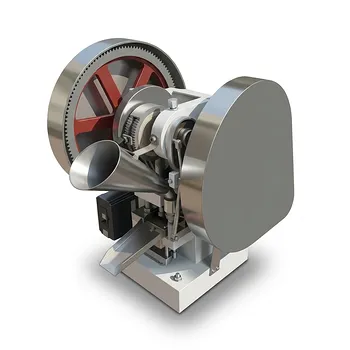
6 Ton Variable Frequency Single Punch Tablet Press
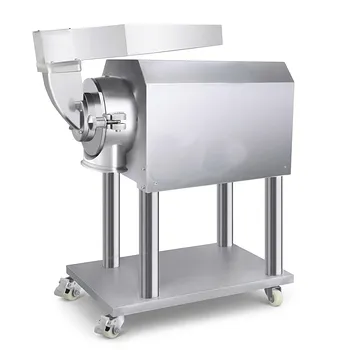
High Speed Small Laboratory Crusher for Dry Material Sample Preparation
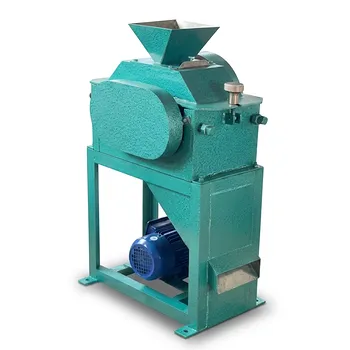
Laboratory Double Roll Crusher for Medium Hardness Materials Coal Ore Sample Preparation
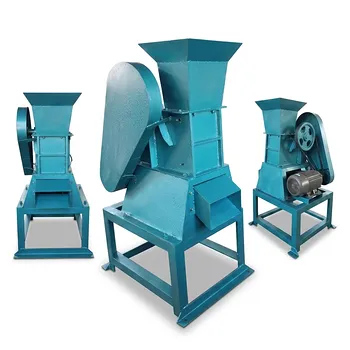
Custom Raised Height Laboratory Jaw Crusher for Precision Sample Preparation in Material Science
Laboratory Benchtop Jaw Crusher for Hard Brittle Materials Primary Size Reduction and Sample Preparation
150x250mm Laboratory Jaw Crusher for Medium Hard Material Crushing and Sample Preparation
Small High Speed Upright Grinder for Laboratory Sample Preparation
Horizontal Jaw Crusher Medium Hard Material Crushing Laboratory Sample Preparation Equipment
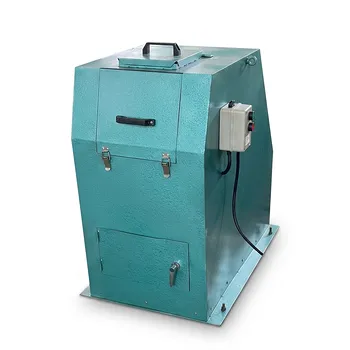
Environmentally Friendly Sealed Laboratory Jaw Crusher for Sample Preparation
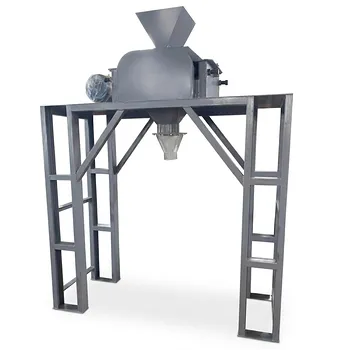
Heightened Customized Laboratory Double Roll Crusher for Coal Ore Rock Crushing
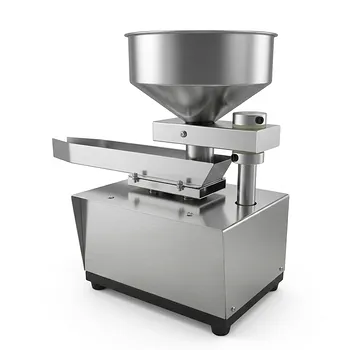
Automatic Vibrating Powder Feeder for Laboratory Material Processing Precision Vibratory Hopper Feeder for Granular and Powder Material Handling Industrial Grade Vibrating Tray Feeder for Consistent Material Sample Preparation
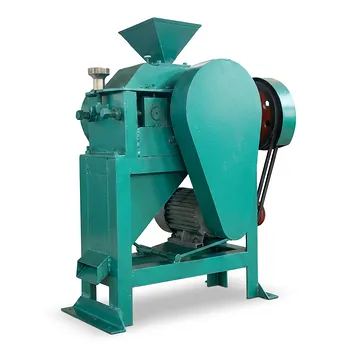
Laboratory Sealed Double Roll Crusher for Coal Ore Rock and Medium Hardness Materials Sample Preparation
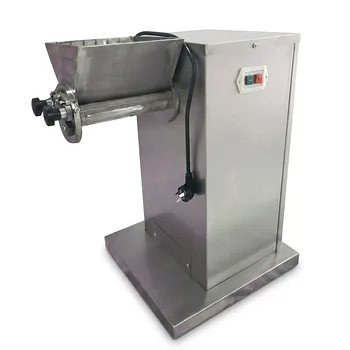
Small Laboratory Oscillating Granulator for Wet and Dry Granulation Processing
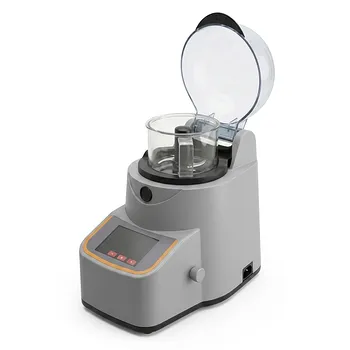
Industrial Knife Mill for Food and Biological Sample Preparation High Speed Laboratory Homogenizer
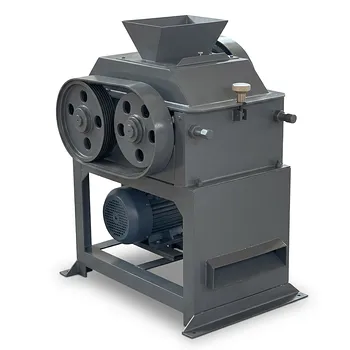
Sealed Laboratory Double Roll Crusher for Coal, Mineral, Ore Sample Preparation
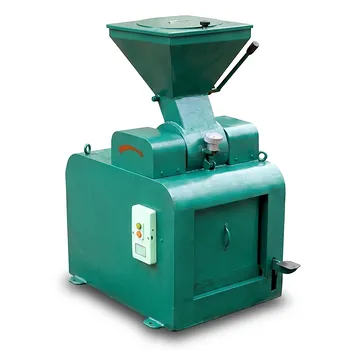
Laboratory Sealed Hammer Crushers for Coal Sample Preparation and Medium Strength Material Crushing