What is the function of a lab hydraulic press in evaluating silicone vitrimer reshaping? Drive Bond Exchange & Precision
Updated 4 months ago
The laboratory hydraulic press acts as the primary catalyst for material reconfiguration in silicone vitrimers by providing the necessary compressive force to drive dynamic covalent bond exchange. It facilitates the intimate physical contact required for fractured surfaces to fuse or for bulk materials to take on new geometries, enabling complete strength recovery through molecular-level network reconstruction.
A laboratory hydraulic press provides a controlled environment that ensures tight interface contact, which is the physical prerequisite for dynamic bond exchange in silicone vitrimers. This equipment allows researchers to reshape materials and repair damage by forcing polymer chains into close proximity, enabling the chemical network to reorganize into a new, stable configuration.
Facilitating Molecular Exchange at the Interface
Achieving Atomic Proximity
For silicone vitrimers to reshape or repair, the polymer chains at the contact surfaces must be close enough to interact chemically. The hydraulic press applies constant normal pressure to overcome surface roughness and force these interfaces into a state of "intimate contact."
Driving Dynamic Covalent Bond Exchange
Once contact is established, the press maintains the pressure required to facilitate dynamic covalent bond exchange reactions. This process allows the cross-linked network to undergo topology changes—meaning the material flows and reforms its chemical bonds—without losing its structural integrity.
Room Temperature and Thermal Activation
While some silicone vitrimers can reshape at room temperature, others require specific elevated temperatures to activate the bond exchange. The hydraulic press (often equipped with heated platens) provides the dual environment of heat and pressure necessary to mobilize the polymer network for efficient reconfiguration.
Geometric Control and Standardization
Eliminating Internal Voids and Air Pockets
During the reshaping process, air can become trapped between layers or within the bulk material. The precise pressure-holding function of the press expels excess air bubbles and eliminates internal pores, ensuring the final reshaped sample is dense and structurally sound.
Precision Molding for Mechanical Testing
Evaluating reshaping performance requires standardized samples to ensure data accuracy. The press works in conjunction with high-precision molds to produce specimens with exact thicknesses and uniform internal structures, which are critical for measuring properties like Young’s modulus and tensile strength.
Consistency in Multi-Layer Consolidation
When evaluating the reshaping of complex or multi-layered vitrimer structures, the press ensures uniform axial pressure across the entire surface area. This prevents density gradients and ensures that the physical cross-linking or chemical bonding is consistent throughout the entire sample volume.
Understanding the Trade-offs
Pressure-Induced Stress Concentrations
Applying excessive or uneven pressure during the reshaping phase can introduce internal stress concentrations. If the pressure is not distributed uniformly, the resulting sample may suffer from latent defects that lead to cracking or warping during subsequent cooling or mechanical testing.
Thermal Lag and Gradient Issues
In presses with heated platens, there is often a thermal lag between the equipment’s sensors and the core of the vitrimer sample. If the material is reshaped before the core reaches the target temperature, the bond exchange will be incomplete, resulting in poor strength recovery at the center of the sample.
Material Overflow and Flash
Using a hydraulic press with "open" or poorly fitted molds can lead to material flash, where the vitrimer is squeezed out of the mold cavity. This not only wastes material but can also result in samples that do not meet the required dimensional tolerances for standardized evaluation.
Making the Right Choice for Your Goal
How to Apply This to Your Project
To effectively evaluate the reshaping performance of silicone vitrimers, your approach to using the hydraulic press should align with your specific research objective.
- If your primary focus is mechanical strength recovery: Prioritize the duration of the pressure-holding phase to ensure maximum resin diffusion and bond reconstruction across the damaged interface.
- If your primary focus is geometric precision: Utilize high-precision stainless steel molds and a slow pressure ramp-up to ensure the vitrimer fully occupies the mold cavity without trapping air.
- If your primary focus is low-temperature reconfiguration: Use a press with highly sensitive pressure control (e.g., 10 MPa) to maintain steady contact without physically crushing the delicate silicone network.
By mastering the balance between compressive force and thermal activation, researchers can reliably transform silicone vitrimers into functional, high-performance materials.
Summary Table:
| Function | Role in Vitrimer Evaluation | Key Benefit |
|---|---|---|
| Compressive Force | Ensures intimate atomic proximity at interfaces | Drives dynamic covalent bond exchange |
| Thermal Activation | Provides controlled heating via heated platens | Enables polymer network reconfiguration |
| Precision Molding | Produces standardized sample geometries | Ensures consistent data for mechanical testing |
| Pressure Holding | Eliminates internal air pockets and voids | Guarantees high-density, defect-free samples |
Elevate Your Material Research with Precision Compaction
At our facility, we provide complete laboratory sample preparation solutions tailored for the rigorous demands of material science. Whether you are evaluating the reshaping performance of silicone vitrimers or developing advanced ceramics, our equipment ensures the accuracy and repeatability your data requires.
Our Specialized Product Lines Include:
- Hydraulic Presses: Full spectrum including Cold/Warm Isostatic Presses (CIP/WIP), standard lab presses, XRF pellet presses, hot presses, and vacuum hot presses.
- Powder Processing: Crushers (jaw/roll), liquid nitrogen cryogenic grinders, and high-efficiency mills (planetary, jet, disc, rotor).
- Sizing & Mixing: Sieve shakers, powder mixers, and specialized defoaming mixers.
Ready to optimize your lab's workflow and achieve superior material performance? Contact us today to find the perfect solution for your project!
References
- Stefano Menasce, André R. Studart. 3D Printing of Strong and Room-Temperature Reprocessable Silicone Vitrimers. DOI: 10.1021/acsami.4c16860
Mentioned Products
- 6-Ton Small Single-Punch Tablet Press — Laboratory Powder & Granule Tableting Equipment / Tablet Forming Machine
- 5 Ton Single Punch Tablet Press Laboratory Small Batch Production
- Manual Tablet Press with Dual Scale Pressure Gauge for Pharmaceutical Food Chemical Laboratory Sample Preparation
- 6 Ton Variable Frequency Single Punch Tablet Press
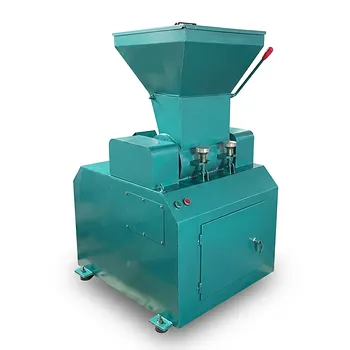
- High Speed Small Laboratory Crusher for Dry Material Sample Preparation
People Also Ask
- What is the function of a laboratory press in Cr-Ti alloy evaluation? Quantify Fracture Stress & Strength
- What is the function of a laboratory press in assessing the hydrophobic performance of modified vermiculite fillers?
- What is the core function of a laboratory press in the forming of ceramic filter element green bodies? Maximize Density.
- What is the function of a laboratory press in the preparation of ceramic feed rods? Master Density and Precision
- Why is vacuum sealing and flexible packaging necessary for Aluminum Titanate powders during CIP? Ensure Peak Density

Tech Team · PowderPreparation
Last updated on Jun 03, 2026
Related Products
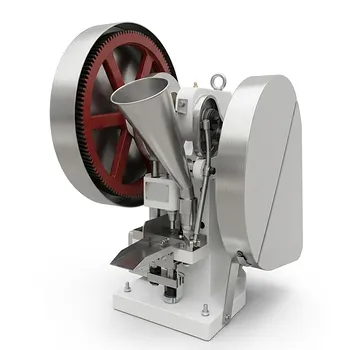
6-Ton Small Single-Punch Tablet Press — Laboratory Powder & Granule Tableting Equipment / Tablet Forming Machine
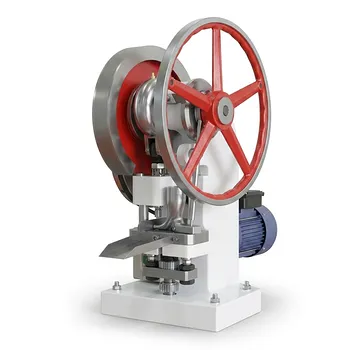
5 Ton Single Punch Tablet Press Laboratory Small Batch Production
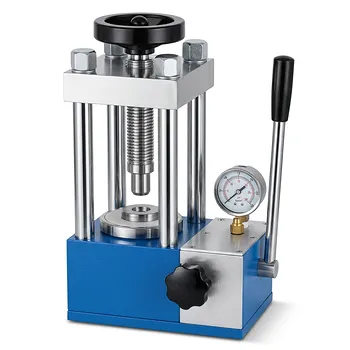
Manual Tablet Press with Dual Scale Pressure Gauge for Pharmaceutical Food Chemical Laboratory Sample Preparation
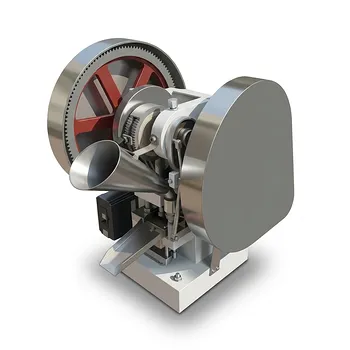
6 Ton Variable Frequency Single Punch Tablet Press
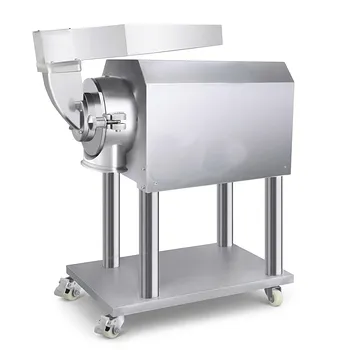
High Speed Small Laboratory Crusher for Dry Material Sample Preparation
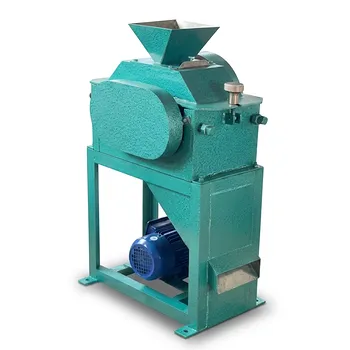
Laboratory Double Roll Crusher for Medium Hardness Materials Coal Ore Sample Preparation
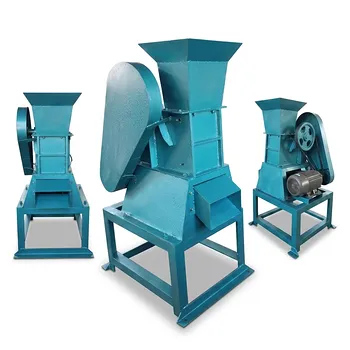
Custom Raised Height Laboratory Jaw Crusher for Precision Sample Preparation in Material Science
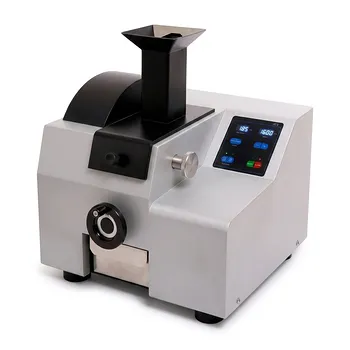
Laboratory Benchtop Jaw Crusher for Hard Brittle Materials Primary Size Reduction and Sample Preparation
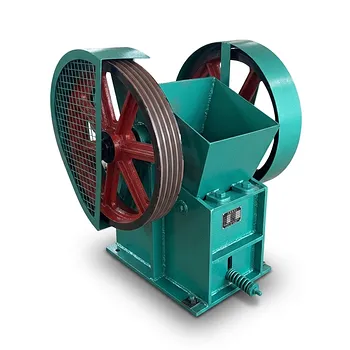
150x250mm Laboratory Jaw Crusher for Medium Hard Material Crushing and Sample Preparation
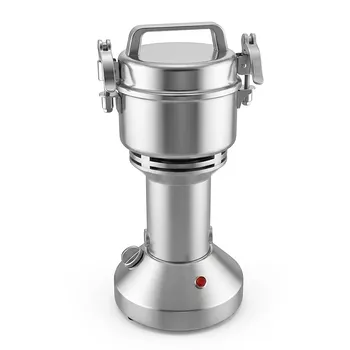
Small High Speed Upright Grinder for Laboratory Sample Preparation
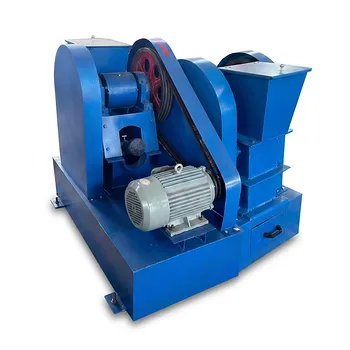
Horizontal Jaw Crusher Medium Hard Material Crushing Laboratory Sample Preparation Equipment
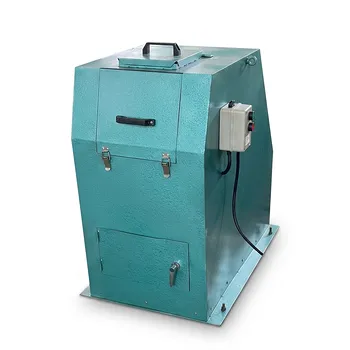
Environmentally Friendly Sealed Laboratory Jaw Crusher for Sample Preparation
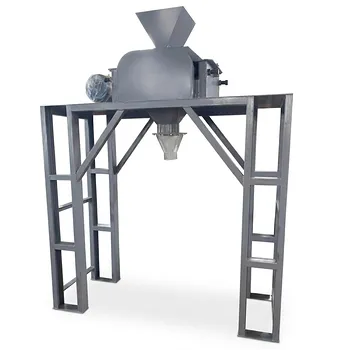
Heightened Customized Laboratory Double Roll Crusher for Coal Ore Rock Crushing
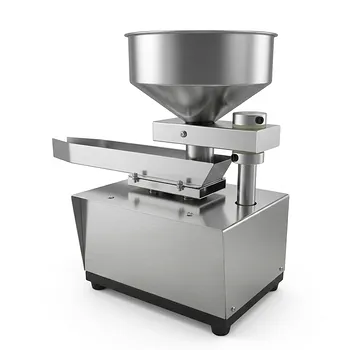
Automatic Vibrating Powder Feeder for Laboratory Material Processing Precision Vibratory Hopper Feeder for Granular and Powder Material Handling Industrial Grade Vibrating Tray Feeder for Consistent Material Sample Preparation
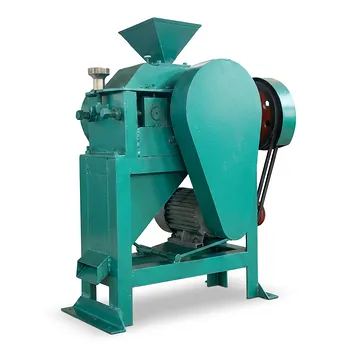
Laboratory Sealed Double Roll Crusher for Coal Ore Rock and Medium Hardness Materials Sample Preparation
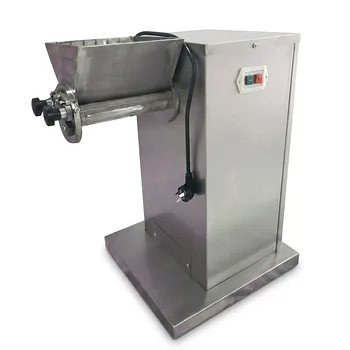
Small Laboratory Oscillating Granulator for Wet and Dry Granulation Processing
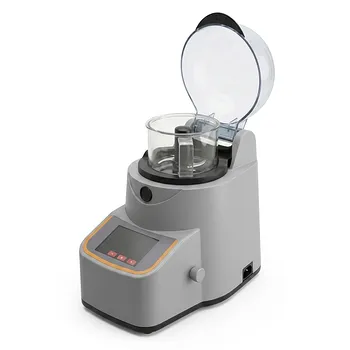
Industrial Knife Mill for Food and Biological Sample Preparation High Speed Laboratory Homogenizer
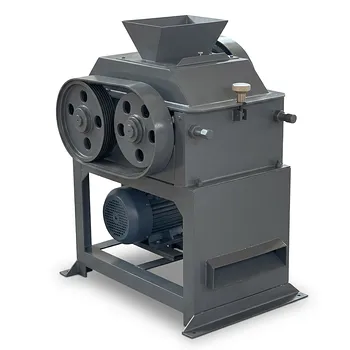
Sealed Laboratory Double Roll Crusher for Coal, Mineral, Ore Sample Preparation
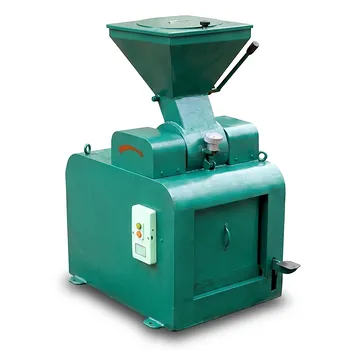
Laboratory Sealed Hammer Crushers for Coal Sample Preparation and Medium Strength Material Crushing