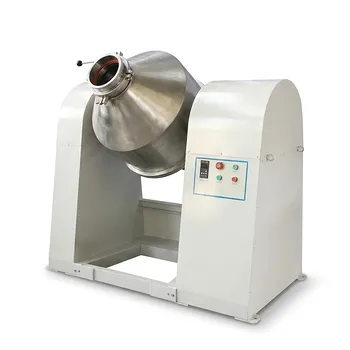
What is the function of a laboratory blender for mixed fuels? Achieving Microscopic Uniformity for Accurate Analysis
Updated 5 months ago
The primary function of a laboratory blender is to achieve microscopic uniformity. In the preparation of co-combustion fuels, it uses mechanical force to distribute lignite coal and biomass—which often have vastly different densities and structures—into a single, homogeneous mixture. This prevents material segregation and ensures that subsequent combustion and emission tests yield accurate, repeatable data.
A laboratory blender serves as the critical bridge between raw, disparate materials and a scientifically valid fuel sample. By ensuring a uniform distribution at the microscopic level, it eliminates localized variations that would otherwise compromise the reliability of energy output and emission analysis.
Achieving Microscopic Homogeneity
Overcoming Density Disparities
Lignite coal and biomass materials, such as cow manure or agricultural waste, possess significantly different physical structures and densities. Without high-efficiency mechanical mixing, these materials tend to separate, leading to inconsistent fuel samples.
The blender applies specific mechanical forces to intermix these disparate particles thoroughly. This ensures that the specific mass ratios—such as 50:50 or 75:25—are maintained throughout the entire volume of the sample.
Preventing Sample Segregation
Sample segregation occurs when heavier coal particles settle while lighter biomass particles rise or cluster. This leads to "pockets" of uneven material that can skew the results of thermal treatments.
High-efficiency blending mitigates this risk by locking the particles into a uniform matrix. This stability is essential for the reliability of small-scale laboratory experiments that represent industrial-scale processes.
Impact on Fuel Performance and Testing
Ensuring Energy Distribution Consistency
For co-combustion experiments to be valid, the energy density of the sample must be consistent across all trials. A well-blended sample prevents localized uneven reactions during thermal processing or combustion.
This consistency allows researchers to accurately measure the combustion characteristics and energy output of the composite fuel. It ensures that any observed fluctuations are due to the material properties rather than mixing errors.
Facilitating Binder Integration
In many fuel preparation workflows, a binder like cassava starch is added to create molded briquettes. The blending process ensures that these binders are uniformly coated onto the surfaces of both coal and biomass particles.
Uniform coating eliminates internal voids and structural irregularities within the final fuel product. This results in enhanced mechanical durability and stability for the resulting bio-char or charcoal briquettes.
Understanding the Trade-offs
Mechanical Shear vs. Particle Integrity
High-speed blending creates significant shear forces that are necessary to break down agglomerates. However, excessive shear can inadvertently refine particles into a finer powder than desired, potentially altering the intended combustion profile.
Heat Generation During Mixing
Intense mechanical agitation can generate localized heat, which may affect the moisture content or volatile components of certain biomass materials. Researchers must balance mixing intensity with the thermal sensitivity of the specific biomass being studied.
Optimizing the Blending Process for Research Goals
How to Apply This to Your Project
To ensure the highest quality fuel samples, align your blending strategy with your ultimate testing objectives.
- If your primary focus is emission testing accuracy: Prioritize high-efficiency blending at the microscopic level to ensure that the chemical composition of every milligram of fuel is identical.
- If your primary focus is briquette structural strength: Focus on the uniform distribution of binders and the elimination of internal voids during the mixing phase.
- If your primary focus is energy density analysis: Utilize precise mass ratios and ensure complete homogenization to prevent localized spikes in thermal output.
The laboratory blender is not merely a prep tool, but a precision instrument that dictates the integrity of your entire fuel research data set.
Summary Table:
| Key Aspect | Role in Fuel Preparation | Impact on Research Data |
|---|---|---|
| Homogeneity | Overcomes density differences between coal & biomass. | Ensures accurate, repeatable combustion data. |
| Segregation Control | Prevents heavier coal from settling below lighter biomass. | Eliminates localized variations in energy output. |
| Binder Integration | Distributes binders (e.g., starch) across all particles. | Enhances structural durability of fuel briquettes. |
| Consistency | Maintains precise mass ratios (e.g., 50:50). | Validates energy density across all test trials. |
Elevate Your Material Research with Precision Engineering
Ensure the integrity of your co-combustion studies with KINTEK SOLUTION. We provide complete laboratory sample preparation solutions specifically designed for material science and powder processing. From achieving microscopic homogeneity to final sample compaction, our high-performance equipment eliminates variables and guarantees repeatable results.
Our specialized equipment line includes:
- Processing & Milling: Jaw/roll crushers, liquid nitrogen cryogenic grinders, and high-efficiency mills (planetary ball, jet, sand, disc, and rotor).
- Sieving & Mixing: Precision sieve shakers (vibratory/air-jet), powder mixers, and specialized defoaming mixers.
- Compaction & Pressing: A full spectrum of hydraulic presses, including Cold/Warm Isostatic Presses (CIP/WIP), standard lab presses, XRF pellet presses, and vacuum hot presses.
Ready to optimize your fuel preparation workflow? Contact our experts today to find the perfect solution for your lab!
References
- Mohammad Siddique, Sylvain Tomé. Lignite Coal Co-combustion Performance with Banana Tree Waste, Tree Leaves and Cow Dung Manure Blends for Emission Reduction During Power Generation. DOI: 10.31284/j.jmesi.2024.v4i1.5346
Mentioned Products
- Horizontal Ribbon Mixer for Uniform Powder and Slurry Mixing
- Small High-Speed Grinder for Efficient Laboratory Sample Preparation
- Universal Laboratory Pulverizer Grinder for Small Batch Powder Processing and Material Science Research
- Continuous Feeding Grinder High Efficiency Pulverizer for Lab Sample Preparation
- High Speed Laboratory Grinder Efficient Stainless Steel Powder Pulverizer Universal Material Science Mill for Sample Preparation
People Also Ask
- How does the fill level of a horizontal mixer influence the selection of the stirring mechanism? Optimize Your Design
- What is the technical significance of radial clearance in horizontal mixers? Boost Homogeneity & Reduce Dead Zones.
- What is the function of additives like cellulose or wax in lab mixers? Enhance Pellet Integrity and Strength
- How does a laboratory mixer ensure the final performance of lead-zinc metallurgical slag-based mortar? Best Practices
- How does a laboratory mixer facilitate mixing PE wax and bentonite? Master Shear Force for Superior Material Properties

Tech Team · PowderPreparation
Last updated on May 14, 2026
Related Products
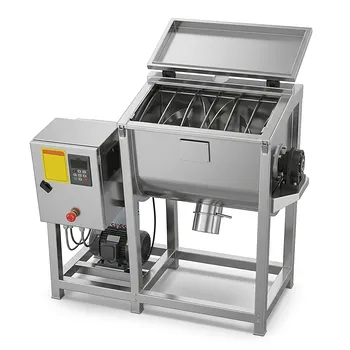
Horizontal Ribbon Mixer for Uniform Powder and Slurry Mixing
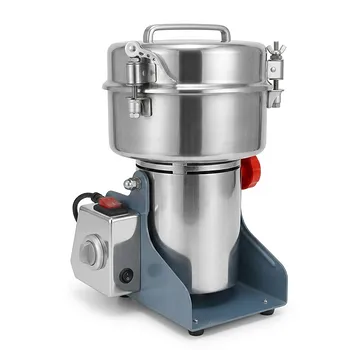
Small High-Speed Grinder for Efficient Laboratory Sample Preparation
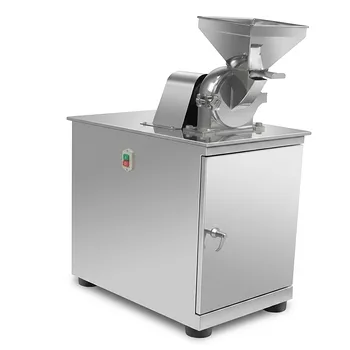
Universal Laboratory Pulverizer Grinder for Small Batch Powder Processing and Material Science Research
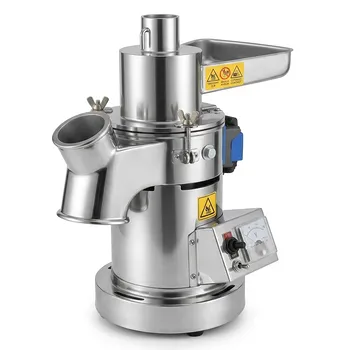
Continuous Feeding Grinder High Efficiency Pulverizer for Lab Sample Preparation
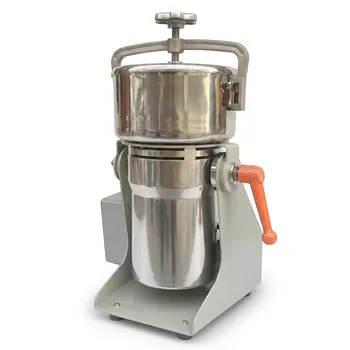
High Speed Laboratory Grinder Efficient Stainless Steel Powder Pulverizer Universal Material Science Mill for Sample Preparation
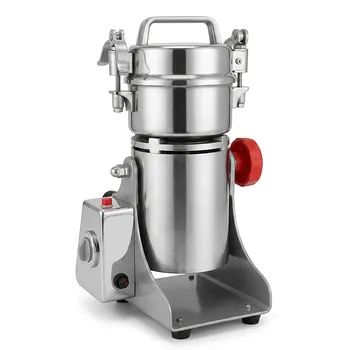
Industrial High Speed Small Sample Pulverizer Swing Type Laboratory Grinder for Powder Processing
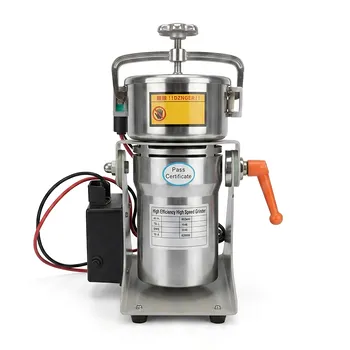
High Efficiency High Speed Grinder Laboratory Mill 1300W 25000rpm
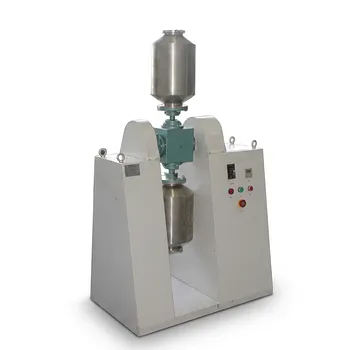
Multi Dimensional Universal Mixer for High Uniformity Powder Blending
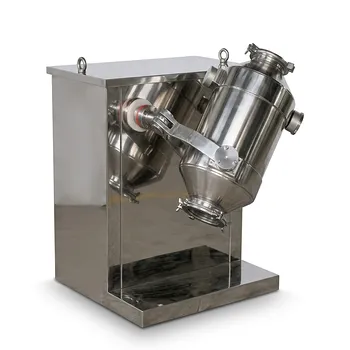
Three-Dimensional Motion Mixer for Laboratory Powder and Granule Blending
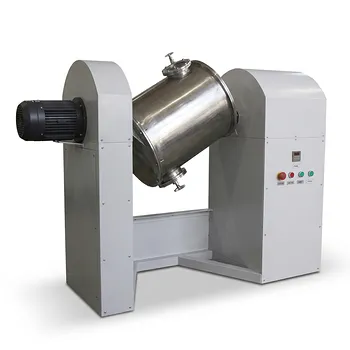
Inclined Mixer for Homogeneous Powder Blending and Grinding

360° Rotating Omnidirectional Laboratory Planetary Ball Mill for Homogeneous Ultra-Fine Grinding and Mixing
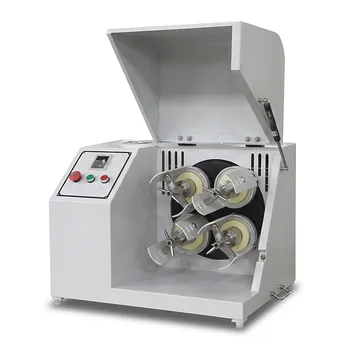
Horizontal Light Duty Planetary Ball Mill for Laboratory Sample Preparation

High Viscosity Planetary Centrifugal Mixing and Vacuum Defoaming Machine for Laboratory Material Preparation
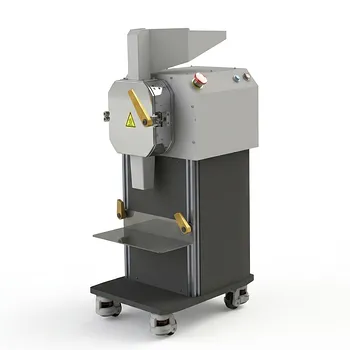
Small Laboratory Knife Crusher for Plastic Sample Preparation and Material Grinding
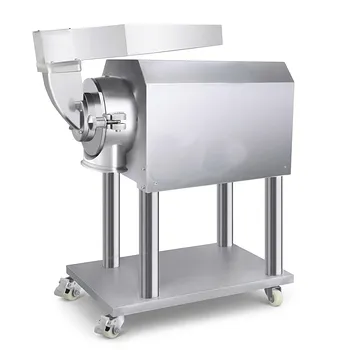
High Speed Small Laboratory Crusher for Dry Material Sample Preparation
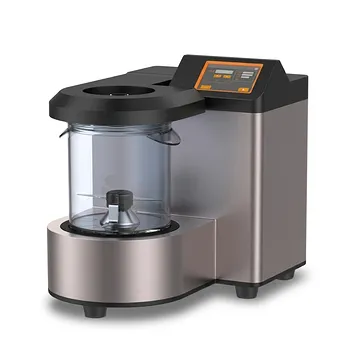
Laboratory Knife Mill for Large Volume Sample Homogenization and Food Preparation
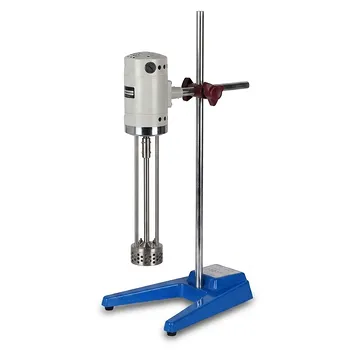
High Shear Laboratory Emulsifier for Mixing and Homogenization

Industrial Knife Mill for Food and Biological Sample Preparation High Speed Laboratory Homogenizer
Custom Raised Height Laboratory Jaw Crusher for Precision Sample Preparation in Material Science