What is the function of additives like cellulose or wax in lab mixers? Enhance Pellet Integrity and Strength
Updated 4 months ago
Additives such as cellulose, wax, and stearic acid function primarily as binders and lubricants that create cohesive bonds between powder particles. These substances are mixed with mineral or metallic powders to provide the necessary internal strength for the material to hold a specific shape. Without these additives, many materials—particularly silicate minerals—lack the inherent properties required to form a stable, solid pellet.
Core Takeaway: Additives serve as the essential "glue" that transforms loose powders into structurally sound pellets by increasing inter-particle cohesion and ensuring the material can survive the mechanical stresses of demolding and handling.
The Mechanics of Binding and Cohesion
Enhancing Structural Integrity
The most critical function of these additives is to significantly increase the cohesive forces between individual powder particles. During the pelletizing process, the additive coats the particles and creates physical or chemical bridges that prevent the pellet from crumbling. This is vital for maintaining the structural integrity of the sample during the high-pressure stages of production.
Bridging Gaps in Non-Binding Materials
Many raw materials, such as silicate mineral powders, have almost no natural binding properties and cannot be compressed into pellets on their own. Additives like cellulose act as a matrix, providing a framework that holds these inert particles together. This allows for the successful pelletization of materials that would otherwise remain in a loose, powdery state.
Facilitating the Demolding Process
Beyond internal binding, additives like wax and stearic acid often provide lubrication during the compression phase. This reduces friction between the pellet and the mold walls, ensuring a clean demolding process. Without this lubrication, pellets are prone to cracking or sticking to the equipment, which compromises the quality of the laboratory sample.
The Critical Role of Mix Uniformity
Preventing Structural Weak Zones
High-intensity laboratory mixers are used to ensure the uniform distribution of binders throughout the powder mass. If the binder is not distributed evenly, the pellet will develop weak zones where the cohesive forces are insufficient. These localized flaws are the primary cause of pellet failure during subsequent handling or testing.
Homogenization in Multi-Stage Processes
In complex preparations, such as Liqui-Pellets, mixing ensures that the carrier material, liquid medium, and additives reach a state of homogeneity. This uniform wet mass is a mandatory prerequisite for downstream processes like extrusion and spheronization. Consistent mechanical mixing at controlled speeds prevents the formation of clumps and ensures every pellet has the same chemical and physical composition.
Even Distribution for Chemical Reactions
For pellets involving steel plant by-products or cementitious binders, uniformity is essential for even chemical reactions. When additives like retarders or ettringite-based binders are perfectly blended, the hardening reaction occurs simultaneously throughout the pellet. This prevents internal stresses that could cause the pellet to burst or degrade over time.
Understanding the Trade-offs
The Risk of Excessive Binder Concentrations
While binders are necessary for stability, using an excessive amount can interfere with the chemical purity or the intended behavior of the sample. In pharmaceutical or analytical applications, too much binder may mask the properties of the primary material or alter the dissolution rate. It is essential to find the minimum effective concentration that ensures structural stability without compromising the sample's integrity.
Mixing Intensity vs. Material Sensitivity
The speed and duration of mixing must be carefully calibrated to the specific additive being used. For example, high-intensity mixing generates heat, which can cause wax-based additives to soften or melt prematurely, leading to uneven clumping. Conversely, insufficient mixing will leave dry pockets of powder, resulting in a fragile pellet that cannot withstand handling.
How to Apply This to Your Project
Choosing the Right Additive Strategy
- If your primary focus is structural stability of inert minerals: Use cellulose-based binders to create a strong internal matrix that compensates for the lack of natural cohesion.
- If your primary focus is clean release and surface finish: Prioritize lubricants like stearic acid or specialized waxes to reduce friction during the demolding stage.
- If your primary focus is chemical uniformity in industrial by-products: Employ high-intensity mixing to ensure binders and retarders are distributed perfectly to avoid internal weak spots.
By precisely balancing the type of additive with the intensity of the mixing process, you can ensure that every laboratory pellet meets the required standards for durability and analytical accuracy.
Summary Table:
| Additive | Primary Function | Impact on Pellet Quality |
|---|---|---|
| Cellulose | Binder / Matrix | Provides structural strength to inert or non-binding powders |
| Wax | Lubricant / Binder | Reduces friction during demolding and helps particle adhesion |
| Stearic Acid | Lubricant | Prevents sticking to mold walls and reduces internal stress |
| Mixing Process | Homogenization | Ensures uniform binder distribution to prevent weak zones |
Achieve Superior Pellet Quality with Expert Solutions
Uniformity is the key to reliable laboratory samples. At [Brand Name], we provide complete laboratory sample preparation solutions tailored for material science. Our high-performance powder mixers and defoaming mixers ensure that additives like cellulose and wax are perfectly homogenized, eliminating weak zones in your pellets.
To complement your mixing process, we offer a full spectrum of compaction equipment, including:
- Hydraulic Presses: Cold/Warm Isostatic Presses (CIP/WIP), standard lab presses, XRF pellet presses, and vacuum hot presses.
- Size Reduction: Jaw/roll crushers and mills (planetary ball, jet, rotor, and cryogenic grinders).
- Analysis: Vibratory and air-jet sieve shakers for precise particle size control.
Contact us today to find the perfect equipment combination for your powder processing and compaction needs!
References
- Philip Robinson. <scp>GGR</scp> Handbook of Rock and Mineral Analysis Chapter 2 (Part 1) Analysis of Geological Materials – 1: Sample Preparation Methods. DOI: 10.1111/ggr.12555
Mentioned Products
- Horizontal Ribbon Mixer for Uniform Powder and Slurry Mixing
- High Efficiency Vacuum Planetary Centrifugal Mixer and Defoaming Machine for Industrial Material Research and Precise Laboratory Powder Dispersion
- High Viscosity Planetary Centrifugal Mixing and Vacuum Defoaming Machine for Laboratory Material Preparation
- High Shear Laboratory Emulsifier for Mixing and Homogenization
- Three-Dimensional Motion Mixer for Laboratory Powder and Granule Blending
People Also Ask
- How does the fill level of a horizontal mixer influence the selection of the stirring mechanism? Optimize Your Design
- What is the technical significance of radial clearance in horizontal mixers? Boost Homogeneity & Reduce Dead Zones.
- How does a laboratory mixer ensure the final performance of lead-zinc metallurgical slag-based mortar? Best Practices
- How does a laboratory mixer facilitate mixing PE wax and bentonite? Master Shear Force for Superior Material Properties
- What is the primary function of a laboratory powder mixer in mullite ceramic batching? Achieve Microscopic Homogeneity

Tech Team · PowderPreparation
Last updated on Jun 03, 2026
Related Products
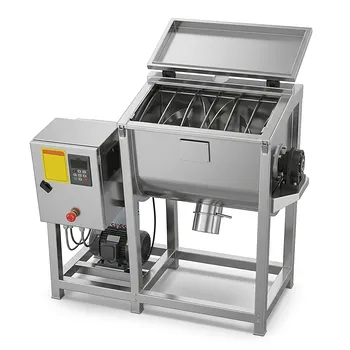
Horizontal Ribbon Mixer for Uniform Powder and Slurry Mixing
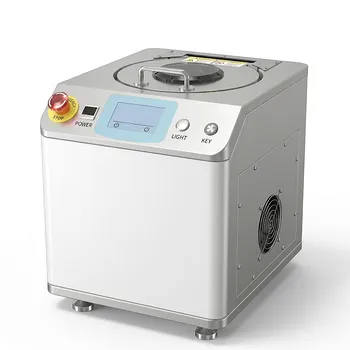
High Efficiency Vacuum Planetary Centrifugal Mixer and Defoaming Machine for Industrial Material Research and Precise Laboratory Powder Dispersion
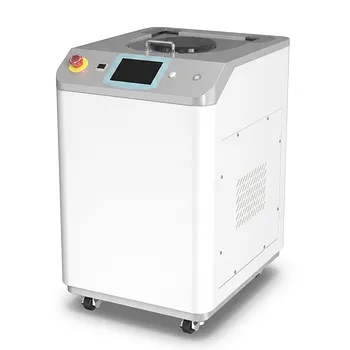
High Viscosity Planetary Centrifugal Mixing and Vacuum Defoaming Machine for Laboratory Material Preparation
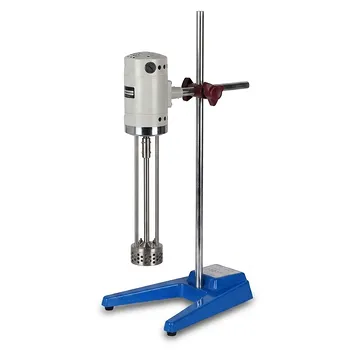
High Shear Laboratory Emulsifier for Mixing and Homogenization
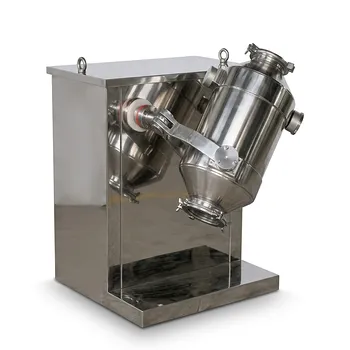
Three-Dimensional Motion Mixer for Laboratory Powder and Granule Blending
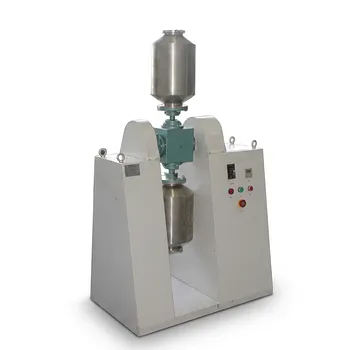
Multi Dimensional Universal Mixer for High Uniformity Powder Blending
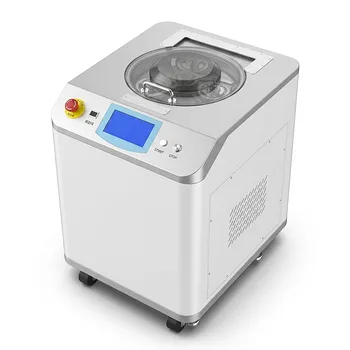
Dual Cup Vacuum Centrifugal Mixer Planetary Paste Defoaming Machine Industrial Material Processor
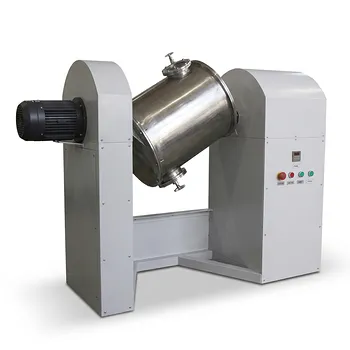
Inclined Mixer for Homogeneous Powder Blending and Grinding
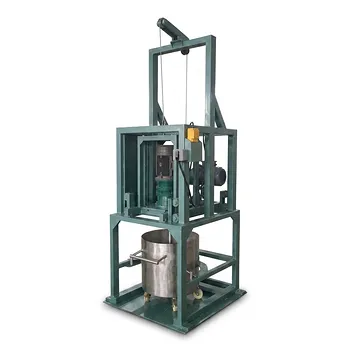
High-Speed Simple Disperser for Efficient Mixing, Dispersion, and Emulsification

360° Rotating Omnidirectional Laboratory Planetary Ball Mill for Homogeneous Ultra-Fine Grinding and Mixing
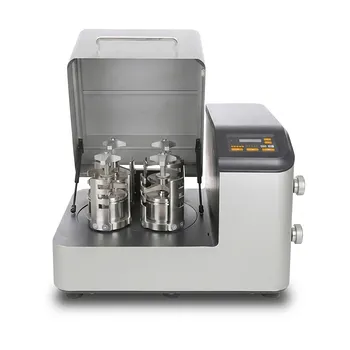
High Energy Planetary Ball Mill for Nano Scale Grinding and Colloidal Mixing in Material Science Research
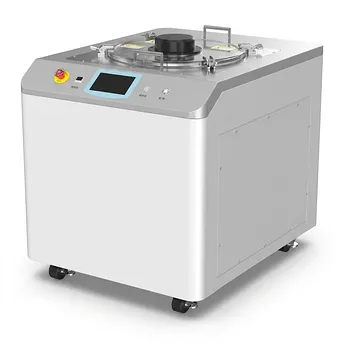
Industrial Planetary Centrifugal Vacuum Defoaming Mixer for High Viscosity Paste and Powder Homogenization
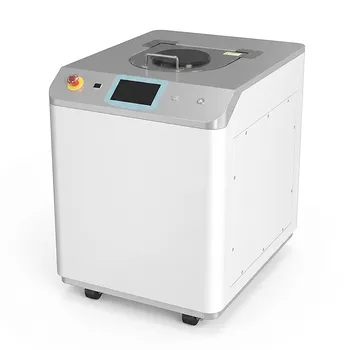
Industrial Planetary Centrifugal Vacuum Defoaming Mixer for High Viscosity Paste and Advanced Material Science
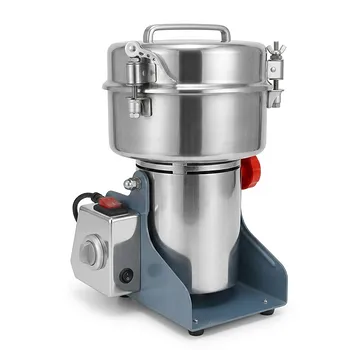
Small High-Speed Grinder for Efficient Laboratory Sample Preparation
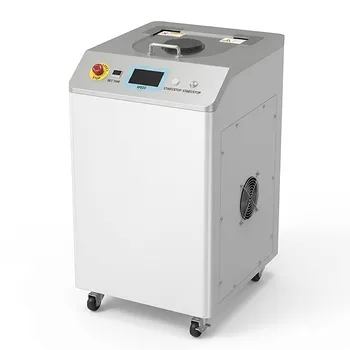
High Viscosity Planetary Centrifugal Vacuum Mixer for Material Defoaming and Uniform Mixing
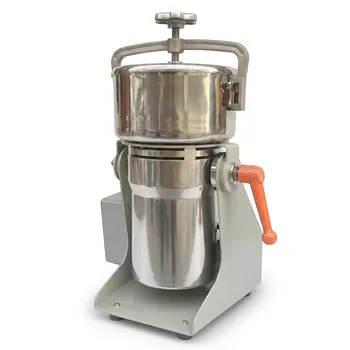
High Speed Laboratory Grinder Efficient Stainless Steel Powder Pulverizer Universal Material Science Mill for Sample Preparation
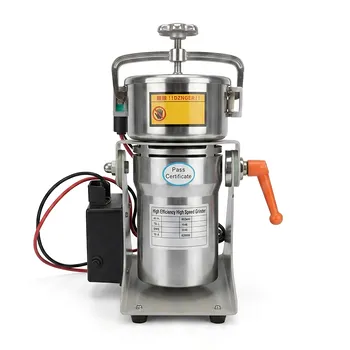
High Efficiency High Speed Grinder Laboratory Mill 1300W 25000rpm
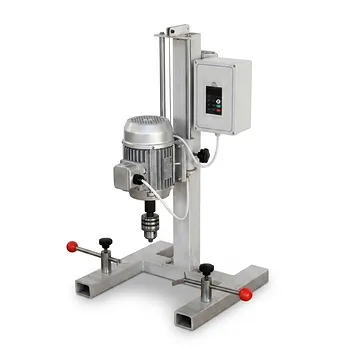
Laboratory Disperser and Sand Mill for Grinding Dispersing Emulsifying
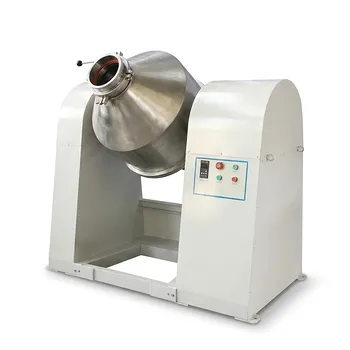
Industrial Double Cone Mixer for Powder Blending and Homogeneous Mixing