How does a laboratory mixer ensure the final performance of lead-zinc metallurgical slag-based mortar? Best Practices
Updated 3 months ago
A laboratory mixer ensures the final performance of lead-zinc slag-based composite mortar by achieving microscopic homogeneity between diverse components. This specialized equipment utilizes forced-action mixing to uniformly distribute Portland cement, coarse and fine slag aggregates, and ultra-fine powders throughout the water matrix. By eliminating localized variations in density and moisture, the mixer establishes the structural foundation required for high mechanical strength and long-term durability.
Core Takeaway: The laboratory mixer is critical because it converts raw ingredients into a cohesive matrix, optimizing the physical packing of slag particles and enabling the chemical reactions necessary for structural integrity.
Achieving Microstructural Uniformity
Total Homogeneity at a Microscopic Level
The primary role of a laboratory forced-action mixer is to ensure that Portland cement and lead-zinc metallurgical slag are distributed with absolute precision. This process prevents the formation of "weak spots" within the mortar, where an absence of binder or an excess of slag could lead to premature failure.
Standardized mixing procedures generate the forced shear forces necessary to break down particle clusters. This ensures that every slag aggregate, regardless of its size or density, is fully coated with cement paste.
Activation of Pozzolanic Reactions
Lead-zinc slag-based mortars rely on the pozzolanic reaction of fine powders within the cement matrix to gain strength. The mixer facilitates this by ensuring that ultra-fine slag powder fillers are in constant, intimate contact with the alkaline environment of the hydrating cement.
Without this high-efficiency mixing, these powders might remain inert or clumped. Uniform dispersion allows these chemical reactions to occur evenly, directly determining the microstructural density of the hardened mortar.
Enhancing Physical and Mechanical Properties
Optimizing the Physical Packing Effect
The mixer plays a vital role in the physical packing effect, where smaller particles fill the voids between larger slag aggregates. Forced-action mixing drives these particles into a tight configuration, reducing the internal porosity of the fresh mixture.
By minimizing air pockets and voids, the mixer ensures that the final product reaches its maximum potential density. This dense arrangement is essential for creating a high-strength green body that can withstand subsequent mechanical testing or industrial application.
Managing Variations in Density and Absorption
Lead-zinc slag often exhibits different density and water absorption rates compared to traditional silica sand. The laboratory mixer uses high-speed mechanical shear to maintain a consistent consistency despite these variations.
This prevents aggregate sedimentation, a common issue where heavier slag particles sink to the bottom of the mold. Maintaining a uniform suspension ensures that the test specimens are representative of the entire batch, leading to more reliable and accurate performance data.
Understanding the Trade-offs and Limitations
The Risks of Over-Mixing
While high shear is necessary for homogeneity, excessive mixing time can introduce unwanted heat into the mixture. This heat can accelerate the hydration of cement prematurely, leading to a loss of workability and potential "flash setting" before the mortar can be properly molded.
Addressing Component Degradation
Aggressive forced-action mixing may cause mechanical degradation of softer slag aggregates or specialized fibers. If the shear force is too high, it may alter the intended particle size distribution, which can negatively impact the final mechanical interlocking and strength of the composite.
How to Apply These Insights to Your Project
Optimizing Your Mixing Strategy
To ensure the highest performance of your slag-based composite mortar, tailor your mixing protocol to your specific material goals.
- If your primary focus is Maximum Compressive Strength: Prioritize longer mixing cycles at moderate speeds to fully activate the pozzolanic reactions of ultra-fine slag powders.
- If your primary focus is Workability and Flow: Utilize high-efficiency water reducers and ensure the mixer is set to a speed that fully disperses these additives without entraining excess air.
- If your primary focus is Research Accuracy: Strictly adhere to standardized mixing sequences to ensure that every specimen has a uniform distribution of components, eliminating variables in your mechanical test results.
Effective laboratory mixing is the bridge between raw metallurgical waste and high-performance construction materials.
Summary Table:
| Key Mechanism | Impact on Mortar Performance | Primary Benefit |
|---|---|---|
| Forced-Action Mixing | Eliminates localized density variations | Microscopic homogeneity |
| Pozzolanic Activation | Ensures ultra-fine powder contact with cement | Enhanced chemical strength |
| Physical Packing | Drives particles into voids to reduce porosity | Maximum density & durability |
| High-Speed Shear | Maintains consistent aggregate suspension | Accurate, repeatable test data |
Elevate Your Material Research with Professional Lab Solutions
As specialists in complete laboratory sample preparation, we provide the precision tools necessary to turn metallurgical waste into high-performance construction materials. From initial crushing to final compaction, our specialized equipment ensures your lead-zinc slag-based composites meet the highest industrial standards.
Our comprehensive range includes:
- Material Processing: Jaw/roll crushers, cryogenic grinders, and advanced mills (planetary ball, jet, and rotor mills).
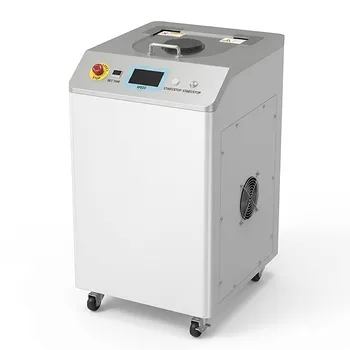
- High-Efficiency Mixing: Forced-action powder mixers and vacuum defoaming mixers for perfect homogeneity.
- Advanced Compaction: A full spectrum of hydraulic presses, including Cold/Warm Isostatic Presses (CIP/WIP), hot presses, and XRF pellet presses.
Ready to optimize your research workflow and achieve superior material performance? Contact our technical experts today for a tailored equipment consultation!
References
- Dragan Radulović, Branislav Ivošević. Reapplication Potential of Historic Pb–Zn Slag with Regard to Zero Waste Principles. DOI: 10.3390/su16020720
Mentioned Products
- Horizontal Ribbon Mixer for Uniform Powder and Slurry Mixing
- High Efficiency Vacuum Planetary Centrifugal Mixer and Defoaming Machine for Industrial Material Research and Precise Laboratory Powder Dispersion
- High Shear Laboratory Emulsifier for Mixing and Homogenization
- High Viscosity Planetary Centrifugal Mixing and Vacuum Defoaming Machine for Laboratory Material Preparation
- Three-Dimensional Motion Mixer for Laboratory Powder and Granule Blending
People Also Ask
- How does the fill level of a horizontal mixer influence the selection of the stirring mechanism? Optimize Your Design
- What is the technical significance of radial clearance in horizontal mixers? Boost Homogeneity & Reduce Dead Zones.
- What is the function of additives like cellulose or wax in lab mixers? Enhance Pellet Integrity and Strength
- How does a laboratory mixer facilitate mixing PE wax and bentonite? Master Shear Force for Superior Material Properties
- What is the primary function of a laboratory powder mixer in mullite ceramic batching? Achieve Microscopic Homogeneity

Tech Team · PowderPreparation
Last updated on Jun 03, 2026
Related Products
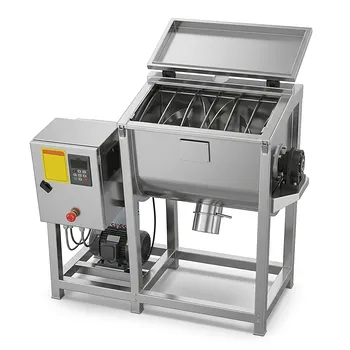
Horizontal Ribbon Mixer for Uniform Powder and Slurry Mixing
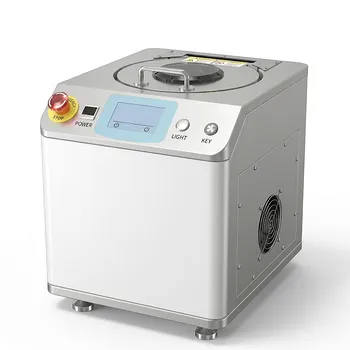
High Efficiency Vacuum Planetary Centrifugal Mixer and Defoaming Machine for Industrial Material Research and Precise Laboratory Powder Dispersion
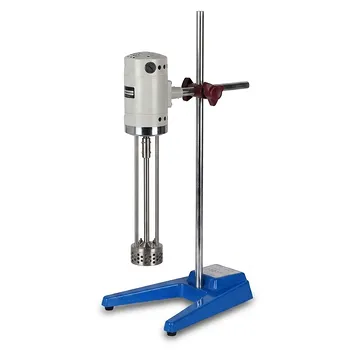
High Shear Laboratory Emulsifier for Mixing and Homogenization
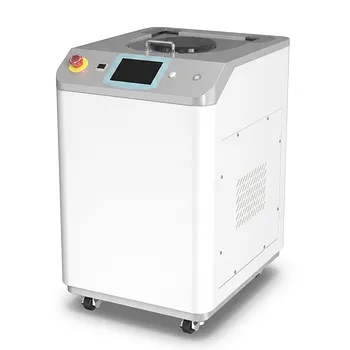
High Viscosity Planetary Centrifugal Mixing and Vacuum Defoaming Machine for Laboratory Material Preparation
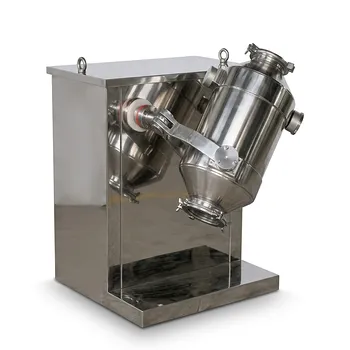
Three-Dimensional Motion Mixer for Laboratory Powder and Granule Blending
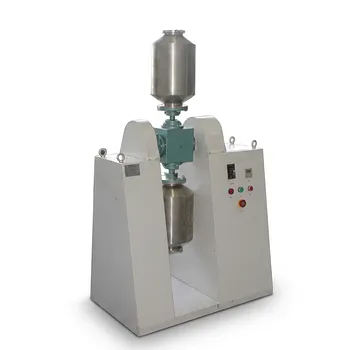
Multi Dimensional Universal Mixer for High Uniformity Powder Blending
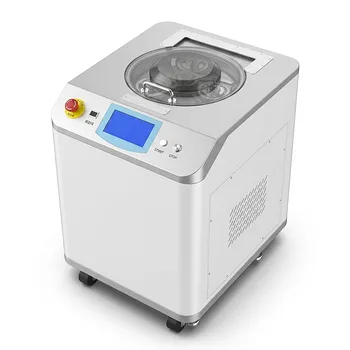
Dual Cup Vacuum Centrifugal Mixer Planetary Paste Defoaming Machine Industrial Material Processor
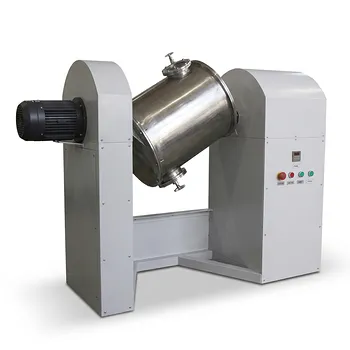
Inclined Mixer for Homogeneous Powder Blending and Grinding
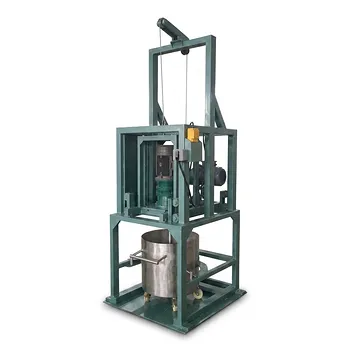
High-Speed Simple Disperser for Efficient Mixing, Dispersion, and Emulsification
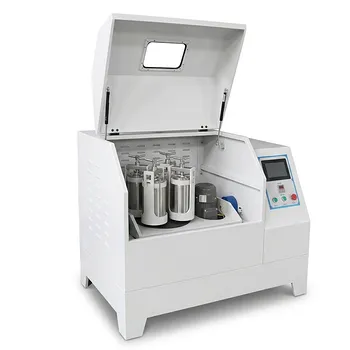
360° Rotating Omnidirectional Laboratory Planetary Ball Mill for Homogeneous Ultra-Fine Grinding and Mixing
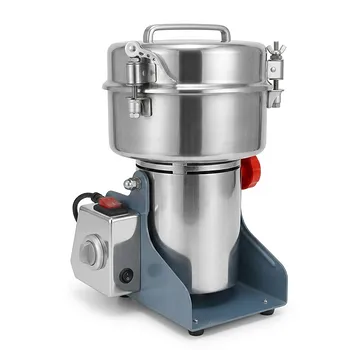
Small High-Speed Grinder for Efficient Laboratory Sample Preparation
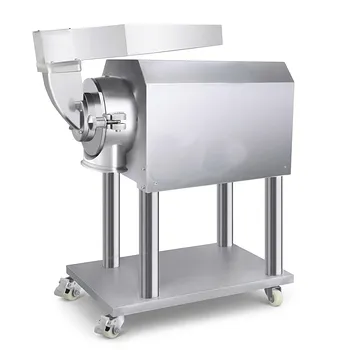
High Speed Small Laboratory Crusher for Dry Material Sample Preparation
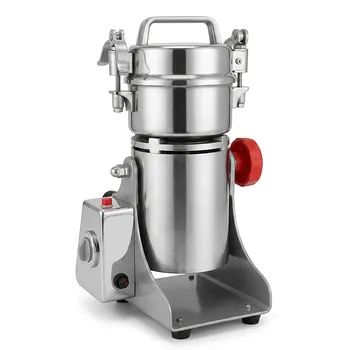
Industrial High Speed Small Sample Pulverizer Swing Type Laboratory Grinder for Powder Processing
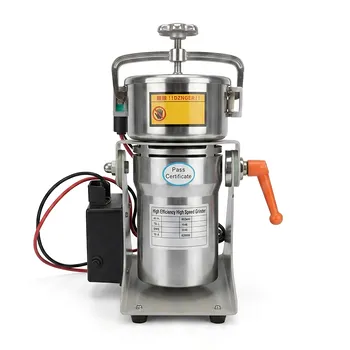
High Efficiency High Speed Grinder Laboratory Mill 1300W 25000rpm
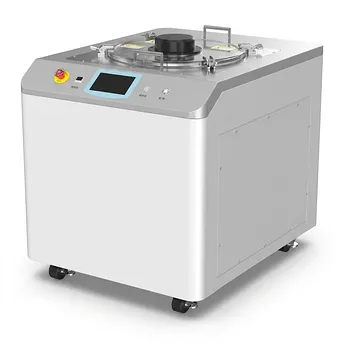
Industrial Planetary Centrifugal Vacuum Defoaming Mixer for High Viscosity Paste and Powder Homogenization
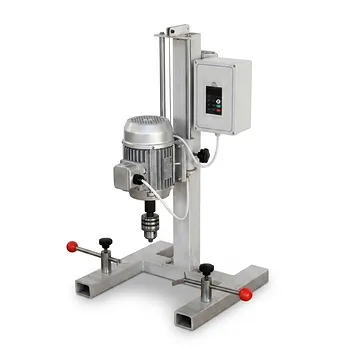
Laboratory Disperser and Sand Mill for Grinding Dispersing Emulsifying
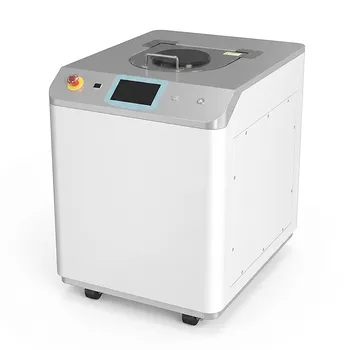
Industrial Planetary Centrifugal Vacuum Defoaming Mixer for High Viscosity Paste and Advanced Material Science
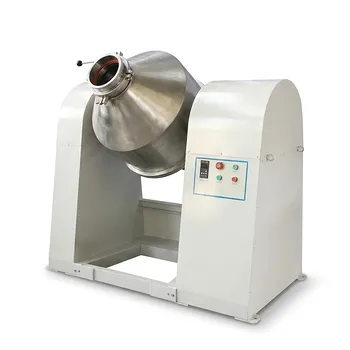
Industrial Double Cone Mixer for Powder Blending and Homogeneous Mixing
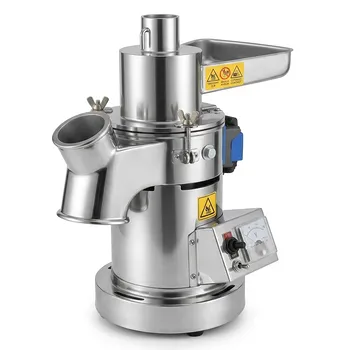
Continuous Feeding Grinder High Efficiency Pulverizer for Lab Sample Preparation