How does a laboratory mixer facilitate mixing PE wax and bentonite? Master Shear Force for Superior Material Properties
Updated 4 months ago
The mixing of polyethylene wax and bentonite modifiers is driven by mechanical shear force, which ensures that solid particles are uniformly integrated into a molten polymer matrix. By utilizing controlled rotation speeds and specific thermal conditions, a laboratory mixer prevents particle clumping and ensures the final composite achieves its intended hardness and structural uniformity.
Laboratory mixers use forced mechanical rotation to break down bentonite agglomerates, allowing for a truly isotropic distribution within molten polyethylene wax. This precise dispersion is the critical factor in enhancing the crystallinity and physical durability of the resulting material.
The Mechanics of Particle Dispersion
The Role of Mechanical Shear Force
A laboratory mixer generates shear force through consistent mechanical rotation, often set at specific speeds such as 200 rpm. This force is necessary to physically pull apart bentonite particles that would otherwise remain clustered.
The energy transferred from the mixer blades to the fluid allows the solid modifiers to overcome internal cohesive forces. Without this active shearing, the bentonite would fail to integrate, leading to a weak and inconsistent final product.
Achieving a Molten Matrix
The mixing process must occur under specific temperature conditions to ensure the polyethylene wax remains in a molten state. This liquid phase acts as a carrier, allowing the shear force to move particles effectively throughout the volume.
Proper thermal management ensures the wax's viscosity is low enough for the mixer to achieve uniform dispersion. If the temperature fluctuates, the wax may thicken prematurely, trapping air or preventing the modifiers from spreading.
Impact on Material Properties
Inhibition of Bentonite Agglomerates
One of the primary functions of forced mechanical mixing is to inhibit the formation of agglomerates. Bentonite particles naturally tend to stick together, creating "hot spots" of high concentration and areas of depletion.
The mixer ensures that every part of the wax matrix contains a proportional amount of modifier. This results in an isotropic composite, meaning the material's properties—such as strength and heat resistance—are identical in every direction.
Enhancement of Crystallinity and Hardness
Uniformly dispersing bentonite into the wax directly improves the crystallinity of the resulting mold. The particles act as sites for crystal growth, leading to a more organized molecular structure.
This structural refinement translates to increased material hardness. By ensuring the modifiers are not localized, the mixer prevents the formation of stress concentration points that would otherwise lead to cracks or structural failure.
Understanding the Trade-offs and Pitfalls
Speed vs. Material Degradation
While higher RPMs increase shear force and speed up dispersion, excessive speeds can introduce unwanted heat through friction. This localized overheating can degrade the polyethylene wax or cause the bentonite to lose its modified properties.
Finding the balance between effective shearing and thermal stability is critical. Over-mixing can also lead to air entrainment, which introduces microscopic bubbles that compromise the density of the final mold.
Sedimentation and Distribution Challenges
Even with high-quality mixers, sedimentation can occur if the mixing is stopped before the wax has sufficiently cooled and solidified. In mixtures involving high-density aggregates, the particles may begin to sink as soon as the mechanical force is removed.
A common pitfall is failing to maintain the mixing action during the initial cooling phase. This can result in a gradient where the bottom of the mold is modifier-heavy while the top remains soft and wax-rich.
Applying This to Your Laboratory Process
Making the Right Choice for Your Goal
The success of your polyethylene wax composite depends on how you calibrate your mixing parameters to match your specific performance requirements.
- If your primary focus is maximum material hardness: Prioritize a steady, moderate RPM (such as 200 rpm) over a longer duration to ensure the highest possible level of particle de-agglomeration.
- If your primary focus is structural isotropy: Ensure your mixer provides a "forced" action that reaches the edges of the vessel to prevent localized uneven hardening or stress concentration points.
- If your primary focus is preventing material defects: Closely monitor the temperature of the molten matrix to ensure the wax remains at its optimal viscosity for particle suspension throughout the entire cycle.
By mastering the balance of mechanical shear and thermal control, you transform a simple mixture into a high-performance engineering material.
Summary Table:
| Mixing Parameter | Mechanism & Action | Impact on Final Material |
|---|---|---|
| Mechanical Shear | Forced rotation (e.g., 200 rpm) breaks agglomerates | Ensures isotropic distribution and structural uniformity |
| Thermal Control | Maintains wax in a low-viscosity molten state | Prevents air entrainment and ensures uniform particle flow |
| De-agglomeration | Overcomes internal cohesive forces of bentonite | Prevents stress concentration points and material failure |
| Solidification Phase | Continued mixing during initial cooling | Prevents sedimentation and density gradients in the mold |
Elevate Your Material Research with Precision Engineering
Achieving the perfect composite requires more than just mixing; it demands precise control over shear, temperature, and pressure. At [Brand Name], we provide complete laboratory sample preparation solutions tailored for advanced material science.
Whether you are focusing on powder processing or structural compaction, our extensive equipment line supports your entire workflow:
- Powder Processing: High-efficiency mills (planetary ball, jet, rotor), liquid nitrogen cryogenic grinders, and precise sieve shakers.
- Compaction & Shaping: A full spectrum of hydraulic presses, including Cold/Warm Isostatic Presses (CIP/WIP), vacuum hot presses, and XRF pellet presses.
- Mixing Solutions: Specialized powder and defoaming mixers designed to eliminate air entrainment and ensure isotropic uniformity.
Ready to optimize your lab's efficiency and material performance? Contact our experts today to find the perfect equipment solution for your specific application requirements.
References
- Dorota Czarnecka‐Komorowska, Paweł Popielarski. Microscopic Analysis of the Aluminium Castings Produced with the use of Polymer Composite Patterns. DOI: 10.24425/afe.2022.140244
Mentioned Products
- Horizontal Ribbon Mixer for Uniform Powder and Slurry Mixing
- High Efficiency Vacuum Planetary Centrifugal Mixer and Defoaming Machine for Industrial Material Research and Precise Laboratory Powder Dispersion
- High Shear Laboratory Emulsifier for Mixing and Homogenization
- High Viscosity Planetary Centrifugal Mixing and Vacuum Defoaming Machine for Laboratory Material Preparation
- Three-Dimensional Motion Mixer for Laboratory Powder and Granule Blending
People Also Ask
- How does the fill level of a horizontal mixer influence the selection of the stirring mechanism? Optimize Your Design
- What is the technical significance of radial clearance in horizontal mixers? Boost Homogeneity & Reduce Dead Zones.
- What is the function of additives like cellulose or wax in lab mixers? Enhance Pellet Integrity and Strength
- How does a laboratory mixer ensure the final performance of lead-zinc metallurgical slag-based mortar? Best Practices
- What is the primary function of a laboratory powder mixer in mullite ceramic batching? Achieve Microscopic Homogeneity

Tech Team · PowderPreparation
Last updated on Jun 03, 2026
Related Products
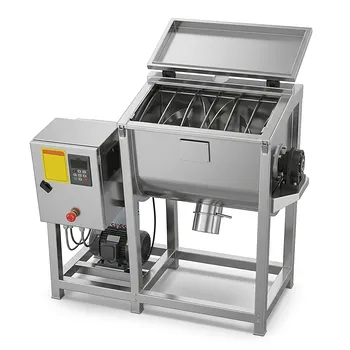
Horizontal Ribbon Mixer for Uniform Powder and Slurry Mixing
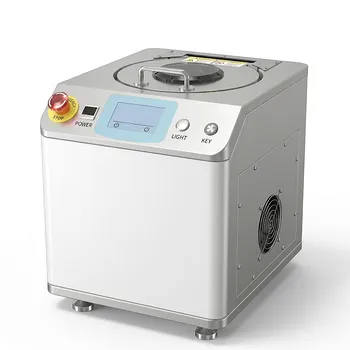
High Efficiency Vacuum Planetary Centrifugal Mixer and Defoaming Machine for Industrial Material Research and Precise Laboratory Powder Dispersion
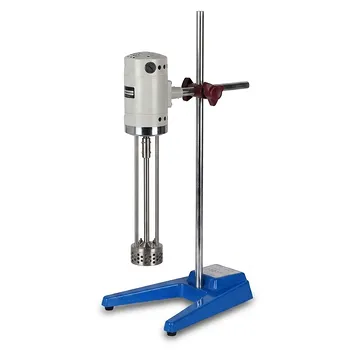
High Shear Laboratory Emulsifier for Mixing and Homogenization
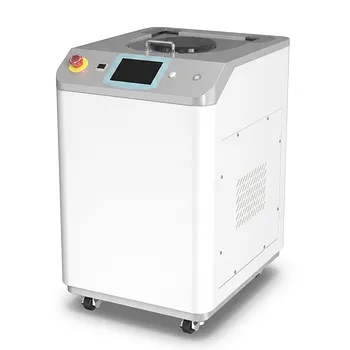
High Viscosity Planetary Centrifugal Mixing and Vacuum Defoaming Machine for Laboratory Material Preparation
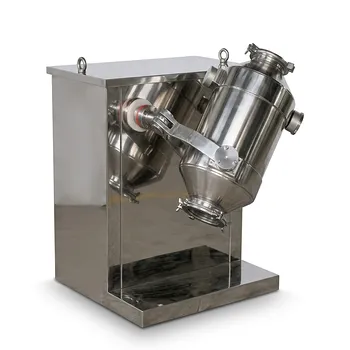
Three-Dimensional Motion Mixer for Laboratory Powder and Granule Blending
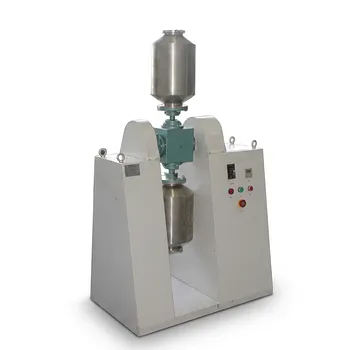
Multi Dimensional Universal Mixer for High Uniformity Powder Blending
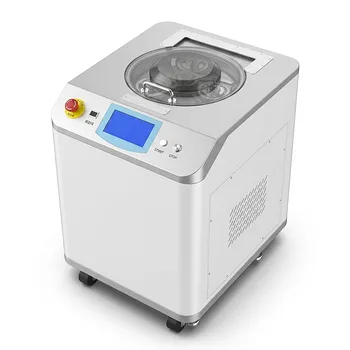
Dual Cup Vacuum Centrifugal Mixer Planetary Paste Defoaming Machine Industrial Material Processor
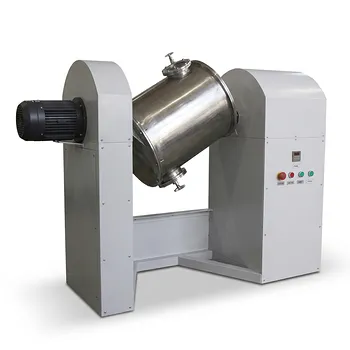
Inclined Mixer for Homogeneous Powder Blending and Grinding
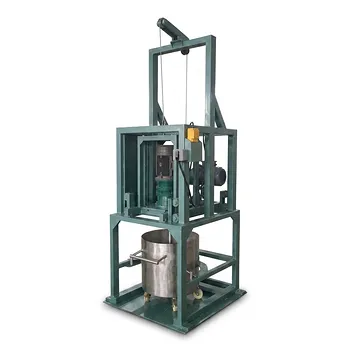
High-Speed Simple Disperser for Efficient Mixing, Dispersion, and Emulsification
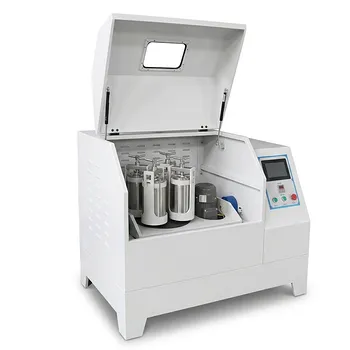
360° Rotating Omnidirectional Laboratory Planetary Ball Mill for Homogeneous Ultra-Fine Grinding and Mixing
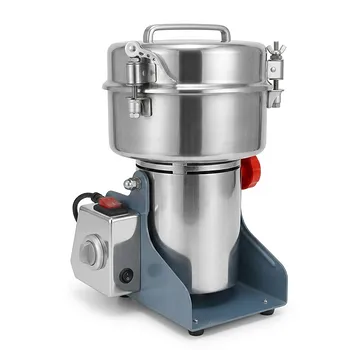
Small High-Speed Grinder for Efficient Laboratory Sample Preparation
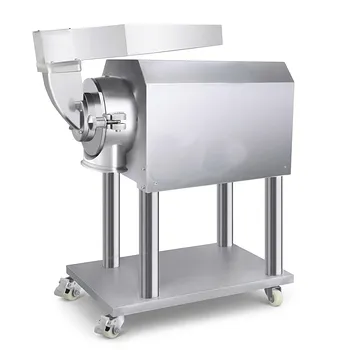
High Speed Small Laboratory Crusher for Dry Material Sample Preparation
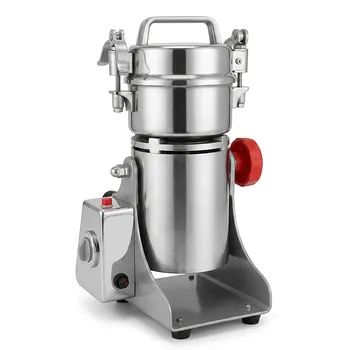
Industrial High Speed Small Sample Pulverizer Swing Type Laboratory Grinder for Powder Processing
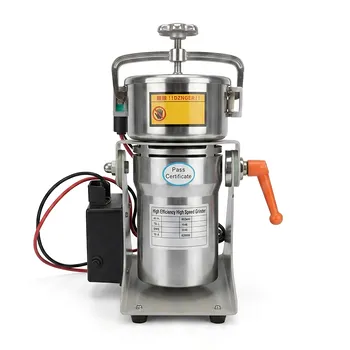
High Efficiency High Speed Grinder Laboratory Mill 1300W 25000rpm
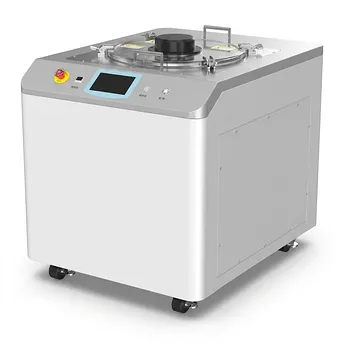
Industrial Planetary Centrifugal Vacuum Defoaming Mixer for High Viscosity Paste and Powder Homogenization
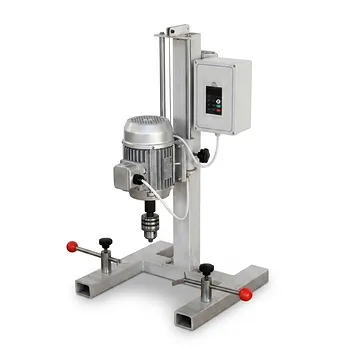
Laboratory Disperser and Sand Mill for Grinding Dispersing Emulsifying
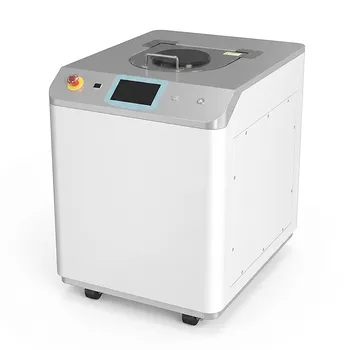
Industrial Planetary Centrifugal Vacuum Defoaming Mixer for High Viscosity Paste and Advanced Material Science
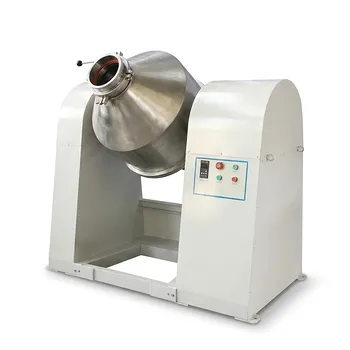
Industrial Double Cone Mixer for Powder Blending and Homogeneous Mixing
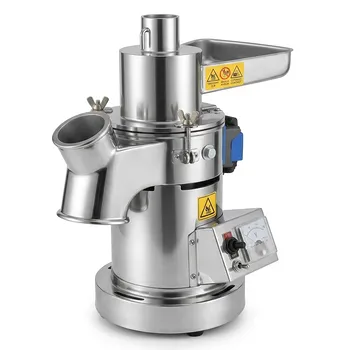
Continuous Feeding Grinder High Efficiency Pulverizer for Lab Sample Preparation