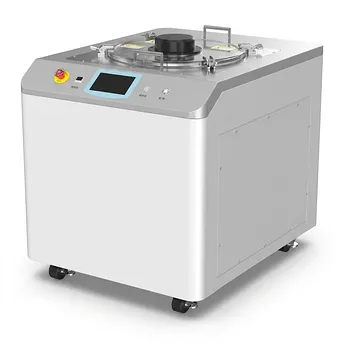
Importance of High-Efficiency Lab Mixers for Iron Tailings Mortar: Ensure Uniform Dispersion & Accuracy
Updated 3 months ago
High-efficiency laboratory mixers are the fundamental tools required to transform raw industrial waste into high-performance construction materials. These mixers provide the intensive mechanical shear necessary to disperse ultra-fine iron tailings particles—which often average a mere 0.008 mm in size—uniformly throughout the cementitious matrix. By preventing particle agglomeration and ensuring a standardized distribution of the binder, these machines ensure that subsequent compressive strength and fluidity tests yield accurate, reproducible data.
A high-efficiency laboratory mixer is essential for achieving a homogenous blend of ultra-fine tailings, cement, and aggregates. This uniformity is the prerequisite for a consistent pozzolanic reaction and the elimination of structural defects that would otherwise compromise mechanical testing.
Overcoming the Challenges of Ultra-Fine Particulates
Preventing Particle Agglomeration
Iron tailings are frequently processed into ultra-fine powders to increase their reactivity, but their high surface area leads to flocculation and clumping. High-efficiency mixers apply the forced homogenization required to break these clusters, ensuring every particle is individualistically integrated into the mix.
Optimizing the Pozzolanic Reaction
For iron tailings to contribute to the strength of the mortar, the pozzolanic reaction must occur evenly across the entire specimen. Standardized mixing speeds ensure that the tailings are in direct contact with the cement and water, allowing hydration products to develop a dense, stable microstructure without localized "weak spots."
Enhancing Rheological and Mechanical Properties
Improving Aggregate Coating
The mixer’s high-intensity action ensures that the cement paste thoroughly and uniformly coats every aggregate grain. This optimized coating thickness is critical for enhancing the fluidity of the mortar and preventing the segregation of grout during the casting process.
Ensuring Representative Strength Testing
Reliable research depends on the stability of the mechanical performance tests. By providing a high degree of homogeneity in a short timeframe, professional mixers ensure that compressive strength data reflects the material's true properties rather than inconsistencies caused by manual or low-efficiency mixing.
Calculating Packing Density
High-shear mixing is vital for wet packing experiments to determine the maximum solid concentration. By eliminating bridging between fine particles, researchers can accurately calculate the Average Water Film Thickness (AWFT), a key parameter in modern mortar design.
Technical Precision Through Programmable Control
Staged Mixing Protocols
Modern laboratory mixers allow for programmable speed control, enabling a sequence of low-speed wetting followed by high-speed dispersion. This staged approach is critical for integrating polycarboxylate superplasticizers and other admixtures without causing air entrainment or fluidity fluctuations.
Uniform Activator Dispersion
In systems using alkaline activators or chemical additives, the mixer ensures these solutions uniformly coat every solid particle. This promotes rapid dissolution and polycondensation of ions, preventing the incomplete reactions and structural defects often associated with inconsistent manual stirring.
Understanding the Trade-offs and Pitfalls
The Risk of Over-Mixing
While high intensity is necessary, excessive mixing duration can generate internal friction heat. This temperature rise may inadvertently accelerate the setting time of the cement or negatively impact the effectiveness of certain heat-sensitive chemical retarders.
Equipment Maintenance and Calibration
The precision of a high-efficiency mixer is dependent on the condition of the blades and the bowl. Wear and tear on the mixing elements or residual buildup from previous batches can alter the shear patterns, leading to a subtle loss of uniformity that skews experimental results.
How to Apply This to Your Research Project
To achieve the best results when incorporating iron tailings into cementitious mortars, your mixing strategy should align with your specific research objectives.
- If your primary focus is maximizing compressive strength: Utilize a high-shear planetary mixer to ensure the total dispersion of tailings, which promotes a dense microstructure and a uniform pozzolanic reaction.
- If your primary focus is optimizing workability and flow: Prioritize a mixer with programmable, multi-stage speed control to ensure that water-reducing agents are fully activated and distributed without causing segregation.
- If your primary focus is microstructural analysis: Ensure a standardized, high-intensity mixing time to eliminate particle bridging, providing a clear and representative view of the hydration products during SEM or XRD analysis.
By treating the mixing process as a controlled scientific variable rather than a preparatory chore, you ensure the integrity and scalability of your material research.
Summary Table:
| Key Feature | Benefit for Iron Tailings Mortar | Impact on Research |
|---|---|---|
| Forced Homogenization | Breaks clusters of 0.008 mm ultra-fine particles | Eliminates structural defects and weak spots |
| High-Shear Action | Ensures uniform cement coating on aggregates | Improves rheology and prevents grout segregation |
| Programmable Control | Enables staged mixing and precise additive integration | Stabilizes fluidity and prevents air entrainment |
| Uniform Dispersion | Maximizes pozzolanic reaction across the matrix | Provides representative and reproducible strength data |
Elevate Your Material Research with Precision Engineering
Achieving consistent results in iron tailings and cementitious research requires more than just standard mixing—it demands specialized equipment designed for ultra-fine particle management.
[Brand Name] provides complete laboratory sample preparation solutions for material science, specializing in high-performance powder processing and compaction equipment. Whether you are optimizing mortar workability or conducting microstructural analysis, our extensive product line supports every stage of your workflow:
- Advanced Mixing: Powder mixers and defoaming mixers for perfect homogeneity.
- Milling & Grinding: Planetary ball mills, jet mills, and liquid nitrogen cryogenic grinders for fine powder preparation.
- Material Processing: Crushers (jaw/roll), sieve shakers (vibratory/air-jet), and precise test sieves.
- Compaction Solutions: A full spectrum of hydraulic presses, including Cold/Warm Isostatic Presses (CIP/WIP), XRF pellet presses, and vacuum hot presses.
Ready to enhance your lab's efficiency and data reliability? Contact us today to discuss your specific application needs and find the ideal solution for your material science projects!
References
- Ilda Tole, Andrzej Ćwirzeń. Revalorization of Swedish Iron Ore Mine Tailings as Supplementary Cementitious Material through Mechanochemical Activation. DOI: 10.1061/jmcee7.mteng-19878
Mentioned Products
- High Efficiency Vacuum Planetary Centrifugal Mixer and Defoaming Machine for Industrial Material Research and Precise Laboratory Powder Dispersion
- Multifunctional High Efficiency High Speed Laboratory Grinder
- High Efficiency High Speed Grinder 2200W 25000 RPM Laboratory Sample Preparation
- High Efficiency High Speed Grinder Laboratory Mill 1300W 25000rpm
- High-Speed Simple Disperser for Efficient Mixing, Dispersion, and Emulsification
People Also Ask
- Why is a planetary centrifugal mixer recommended for geopolymer slurries? Achieve high-shear, air-free homogenization.
- What core functions does a planetary centrifugal mixer perform? Optimize Hard Carbon Anode Slurry & Degassing
- Why is a planetary centrifugal mixer utilized for wood powder and HPMC? Achieve uniform dispersion & rapid defoaming.
- What role does a planetary centrifugal mixer play in flexible sensor inks? Achieve Nano-Scale Homogenization
- What is the role of a planetary centrifugal mixer in preparing DCPD resin-based matrices? Ensure Flawless Homogeneity

Tech Team · PowderPreparation
Last updated on Jun 03, 2026
Related Products
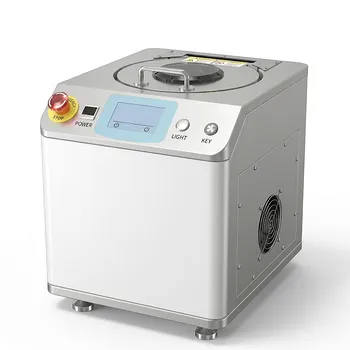
High Efficiency Vacuum Planetary Centrifugal Mixer and Defoaming Machine for Industrial Material Research and Precise Laboratory Powder Dispersion
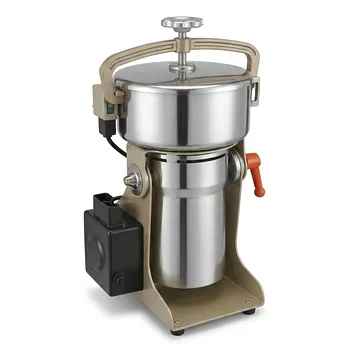
Multifunctional High Efficiency High Speed Laboratory Grinder
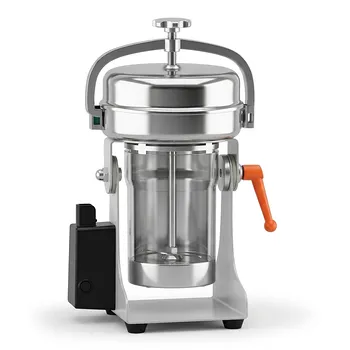
High Efficiency High Speed Grinder 2200W 25000 RPM Laboratory Sample Preparation
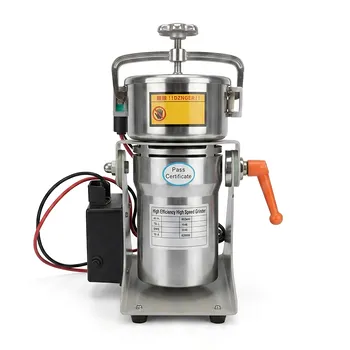
High Efficiency High Speed Grinder Laboratory Mill 1300W 25000rpm
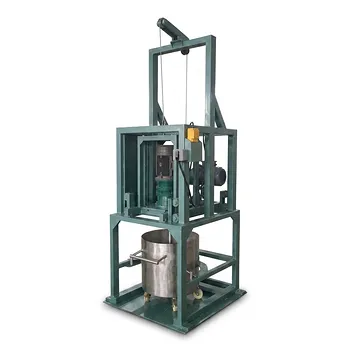
High-Speed Simple Disperser for Efficient Mixing, Dispersion, and Emulsification
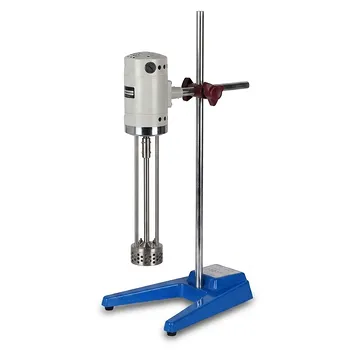
High Shear Laboratory Emulsifier for Mixing and Homogenization
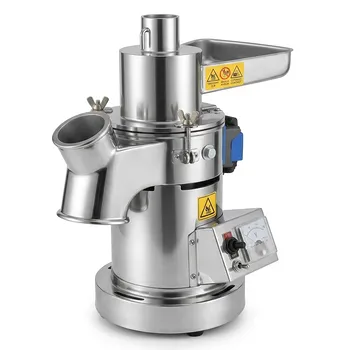
Continuous Feeding Grinder High Efficiency Pulverizer for Lab Sample Preparation
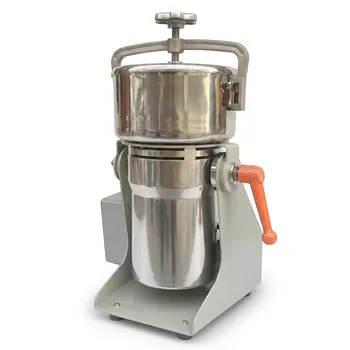
High Speed Laboratory Grinder Efficient Stainless Steel Powder Pulverizer Universal Material Science Mill for Sample Preparation
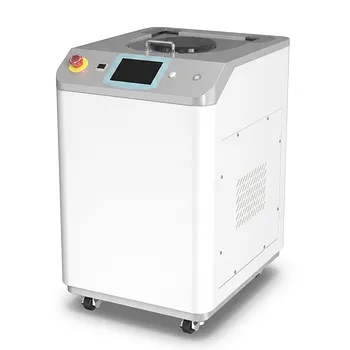
High Viscosity Planetary Centrifugal Mixing and Vacuum Defoaming Machine for Laboratory Material Preparation
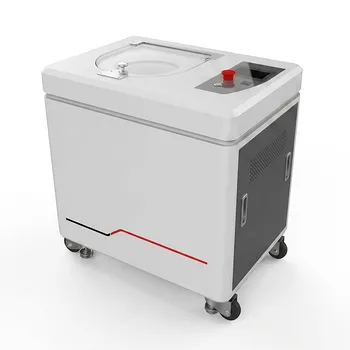
非介入式材料均质机真空脱泡行星搅拌高粘度混合设备
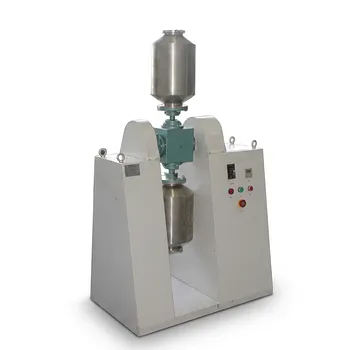
Multi Dimensional Universal Mixer for High Uniformity Powder Blending
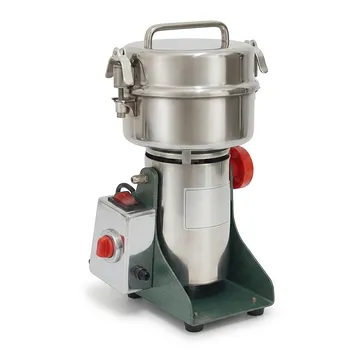
Small High Speed Grinder for Laboratory Sample Preparation
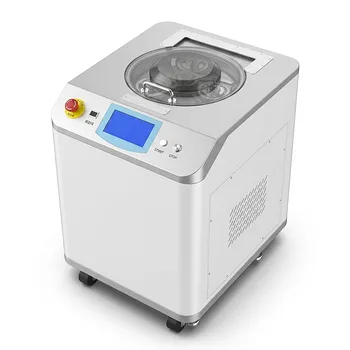
Dual Cup Vacuum Centrifugal Mixer Planetary Paste Defoaming Machine Industrial Material Processor
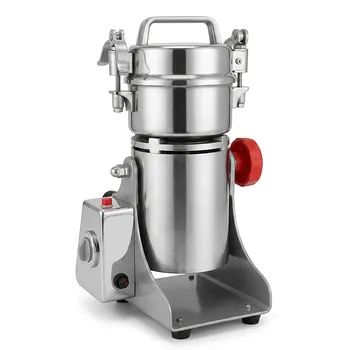
Industrial High Speed Small Sample Pulverizer Swing Type Laboratory Grinder for Powder Processing
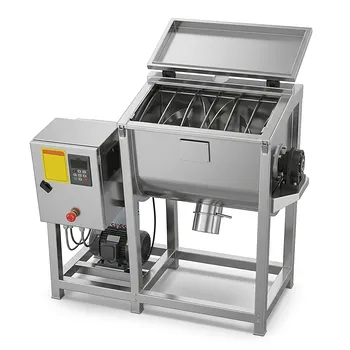
Horizontal Ribbon Mixer for Uniform Powder and Slurry Mixing
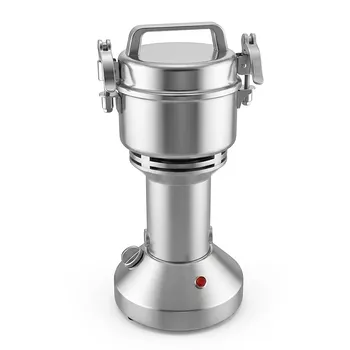
Small High Speed Upright Grinder for Laboratory Sample Preparation
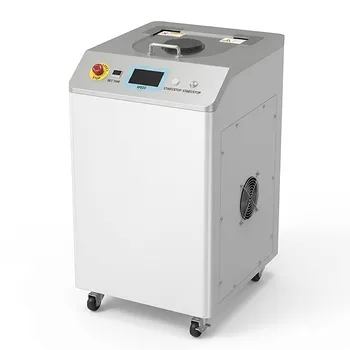
High Viscosity Planetary Centrifugal Vacuum Mixer for Material Defoaming and Uniform Mixing
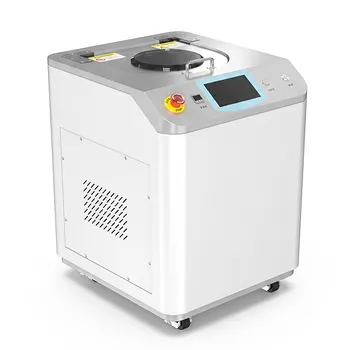
High Speed Vacuum Planetary Centrifugal Mixer and Defoamer for Industrial Paste Processing
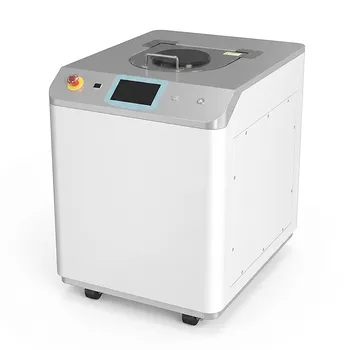
Industrial Planetary Centrifugal Vacuum Defoaming Mixer for High Viscosity Paste and Advanced Material Science