What is the core function of a laboratory hydraulic press in particleboard forming? Optimize Heat & Pressure Cycles
Updated 4 months ago
The core function of a laboratory hydraulic press in particleboard forming is to provide the simultaneous heat and pressure required to cure adhesives and compact loose particles into a solid panel. This process transforms a mixture of raw fibers and resin into a structural composite by triggering chemical cross-linking and achieving specific density targets.
The laboratory hydraulic press serves as the definitive tool for simulating industrial production, using controlled thermal energy and mechanical force to define a board's final thickness, internal bond strength, and mechanical properties. It is the critical bridge between loose raw materials and a high-performance, stable composite product.
The Dual Role of Thermal Energy and Mechanical Force
Chemical Curing of Adhesives
The press provides a controlled environment of high temperatures, typically ranging from 120°C to 190°C, to activate bonding agents. This thermal energy is essential for resins, such as urea-formaldehyde (UF), to undergo the chemical cross-linking necessary to form stable bonds with wood fibers or other biomass.
Without this precise heat transfer from the platens to the core of the board, the adhesive cannot cure, and the particles will fail to adhere.
Mechanical Compaction and Densification
The press applies significant axial pressure—often between 2.5 and 6.0 MPa—to rearrange loose particles and fibers into a tightly packed matrix. This mechanical compression discharges excess air and eliminates internal voids, which is the primary factor in determining the nominal density of the final product.
By maintaining constant pressure, the equipment ensures the board reaches specific thickness and hardness requirements, creating the physical foundation for the composite's structural integrity.
Defining Material Performance and Quality
Ensuring Internal Bond Strength
The synergy of heat and pressure ensures that additives, such as waterproofing wax, melt and redistribute evenly throughout the particles. This uniform distribution, combined with resin curing, defines the modulus of rupture and the overall bending strength of the particleboard.
Stable pressure cycles prevent the particles from shifting during the curing phase, ensuring a consistent internal structure.
Degassing and Defect Prevention
Advanced laboratory presses utilize specific degassing and pressure-release sequences to exhaust moisture and accumulated gases from the board core. This step is vital for preventing delamination, bubbling, or internal cracking that can occur when the board is removed from the press.
Proper gas management ensures the board remains intact and dimensionally stable after the pressing cycle is complete.
Understanding the Trade-offs
Temperature vs. Pressing Time
Higher temperatures can accelerate the curing process and increase throughput, but they also carry the risk of scorching the surface or causing "pre-cure" of the resin before full pressure is reached. Finding the balance is critical to avoid brittle surfaces and weak cores.
Pressure Intensity vs. Fiber Integrity
While higher pressure leads to higher density and strength, excessive force can crush the individual fibers, potentially reducing the elastic properties of the board. Conversely, insufficient pressure results in a porous board with poor moisture resistance and low internal bond strength.
Moisture Content and Blow-outs
If the raw material has high moisture content, the heat from the press generates steam; if the pressure is released too quickly without an adequate degassing phase, the internal steam pressure can cause the board to literally explode or "blow out," ruining the specimen.
How to Apply This to Your Project
Making the Right Choice for Your Goal
To achieve the best results in the laboratory, your pressing parameters should align with your specific research or production objectives:
- If your primary focus is maximizing mechanical strength: Prioritize a higher pressure setting and a longer "pressure-holding" phase to ensure maximum density and fiber contact.
- If your primary focus is reducing production cycles: Optimize the platen temperature to the highest safe limit for your resin to trigger faster chemical cross-linking.
- If your primary focus is dimensional stability: Ensure a rigorous degassing sequence is programmed into the press cycle to prevent internal stress and delamination.
- If your primary focus is testing new bio-adhesives: Use a press with highly precise temperature controls to identify the exact activation point of the natural bonding agents.
Mastering the precise balance of heat, pressure, and timing within the laboratory press is the only way to ensure your particleboard specimens meet the rigorous standards required for industrial application and mechanical testing.
Summary Table:
| Key Parameter | Primary Function | Impact on Particleboard Quality |
|---|---|---|
| Thermal Energy | Activates chemical cross-linking in resins (120°C-190°C) | Determines internal bond strength and cure rate. |
| Mechanical Force | Compaction and densification of loose particles (2.5-6.0 MPa) | Defines nominal density, thickness, and structural integrity. |
| Degassing Phase | Exhausts moisture and accumulated internal gases | Prevents delamination, bubbling, and specimen "blow-outs." |
| Pressure Timing | Maintains matrix stability during adhesive setting | Ensures uniform modulus of rupture and bending strength. |
Elevate Your Material Research with Precision Engineering
At [Company Name], we provide complete laboratory sample preparation solutions tailored for material science and composite development. Whether you are optimizing resin curing cycles or testing new biomass fibers, our equipment ensures repeatable, industry-standard results.
Our extensive product line includes:
- Powder Processing: Crushers (jaw/roll), liquid nitrogen cryogenic grinders, and high-efficiency mills (planetary ball, jet, sand, disc, rotor).
- Sieving & Mixing: Vibratory/air-jet sieve shakers and advanced powder/defoaming mixers.
- Hydraulic Press Solutions: A full spectrum of manual and automatic presses, including Cold/Warm Isostatic Presses (CIP/WIP), XRF pellet presses, and specialized Vacuum Hot Presses ideal for particleboard and composite forming.
Ready to upgrade your lab's capabilities? Contact our technical experts today to find the perfect compaction and heating solution for your specific application.
References
- Fernando Rusch, Gabriel de Magalhães Miranda. Particleboard experimental production with bamboo, pine and mate for one product of new applications. DOI: 10.4067/s0718-221x2023000100414
Mentioned Products
- 6-Ton Small Single-Punch Tablet Press — Laboratory Powder & Granule Tableting Equipment / Tablet Forming Machine
- 5 Ton Single Punch Tablet Press Laboratory Small Batch Production
- Manual Tablet Press with Dual Scale Pressure Gauge for Pharmaceutical Food Chemical Laboratory Sample Preparation
- 6 Ton Variable Frequency Single Punch Tablet Press
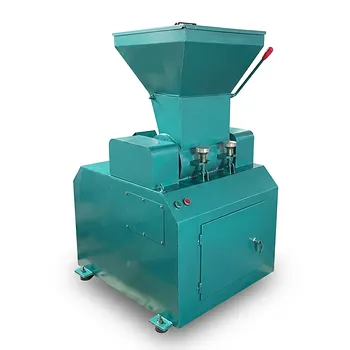
- High Speed Small Laboratory Crusher for Dry Material Sample Preparation
People Also Ask
- What is the function of a laboratory press in Cr-Ti alloy evaluation? Quantify Fracture Stress & Strength
- What is the function of a laboratory press in assessing the hydrophobic performance of modified vermiculite fillers?
- What is the core function of a laboratory press in the forming of ceramic filter element green bodies? Maximize Density.
- What is the function of a laboratory press in the preparation of ceramic feed rods? Master Density and Precision
- Why is vacuum sealing and flexible packaging necessary for Aluminum Titanate powders during CIP? Ensure Peak Density

Tech Team · PowderPreparation
Last updated on Jun 03, 2026
Related Products
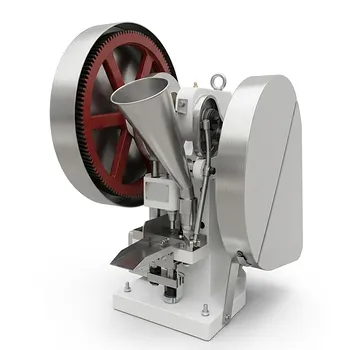
6-Ton Small Single-Punch Tablet Press — Laboratory Powder & Granule Tableting Equipment / Tablet Forming Machine
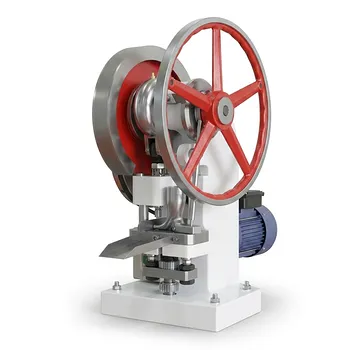
5 Ton Single Punch Tablet Press Laboratory Small Batch Production
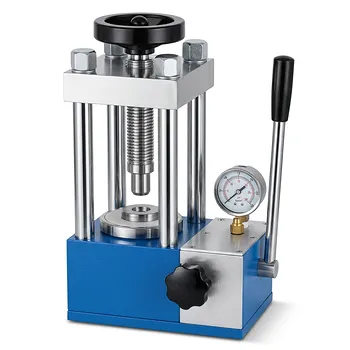
Manual Tablet Press with Dual Scale Pressure Gauge for Pharmaceutical Food Chemical Laboratory Sample Preparation
6 Ton Variable Frequency Single Punch Tablet Press
High Speed Small Laboratory Crusher for Dry Material Sample Preparation
Laboratory Double Roll Crusher for Medium Hardness Materials Coal Ore Sample Preparation
Custom Raised Height Laboratory Jaw Crusher for Precision Sample Preparation in Material Science
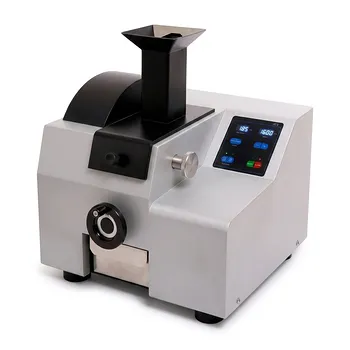
Laboratory Benchtop Jaw Crusher for Hard Brittle Materials Primary Size Reduction and Sample Preparation
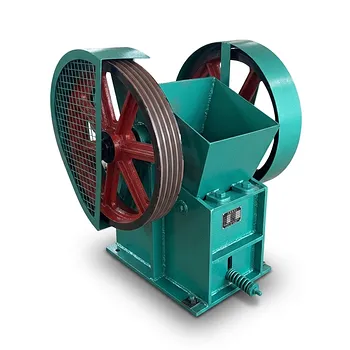
150x250mm Laboratory Jaw Crusher for Medium Hard Material Crushing and Sample Preparation
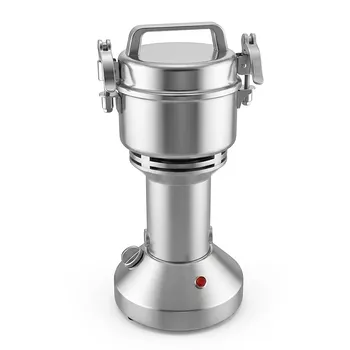
Small High Speed Upright Grinder for Laboratory Sample Preparation
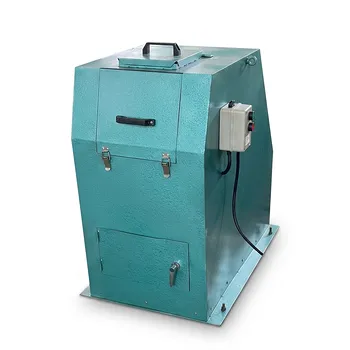
Environmentally Friendly Sealed Laboratory Jaw Crusher for Sample Preparation
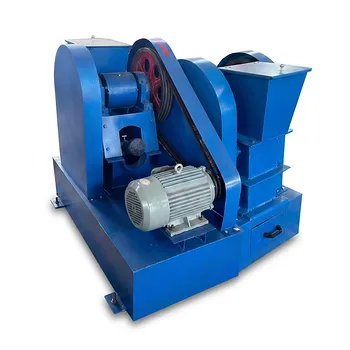
Horizontal Jaw Crusher Medium Hard Material Crushing Laboratory Sample Preparation Equipment
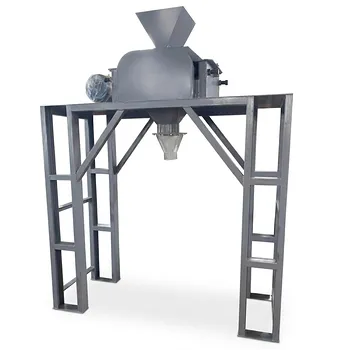
Heightened Customized Laboratory Double Roll Crusher for Coal Ore Rock Crushing
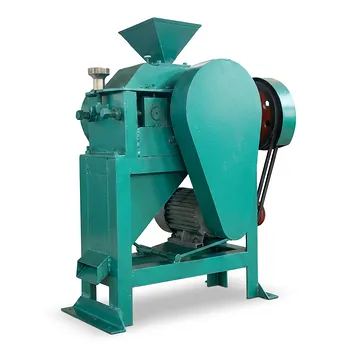
Laboratory Sealed Double Roll Crusher for Coal Ore Rock and Medium Hardness Materials Sample Preparation
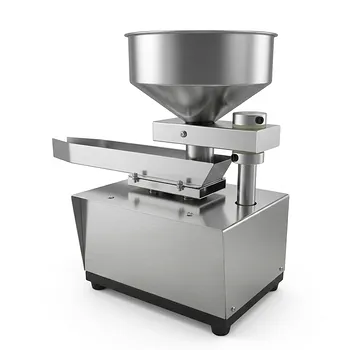
Automatic Vibrating Powder Feeder for Laboratory Material Processing Precision Vibratory Hopper Feeder for Granular and Powder Material Handling Industrial Grade Vibrating Tray Feeder for Consistent Material Sample Preparation
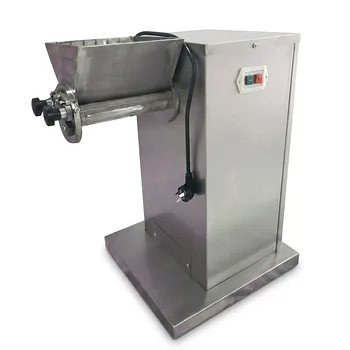
Small Laboratory Oscillating Granulator for Wet and Dry Granulation Processing
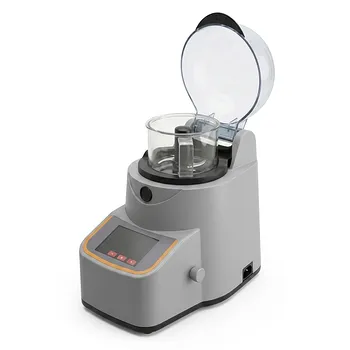
Industrial Knife Mill for Food and Biological Sample Preparation High Speed Laboratory Homogenizer
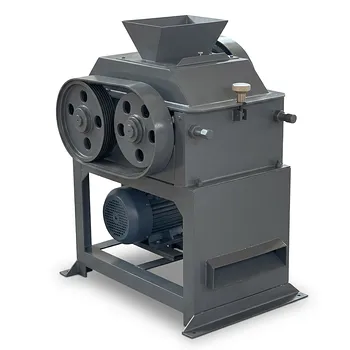
Sealed Laboratory Double Roll Crusher for Coal, Mineral, Ore Sample Preparation
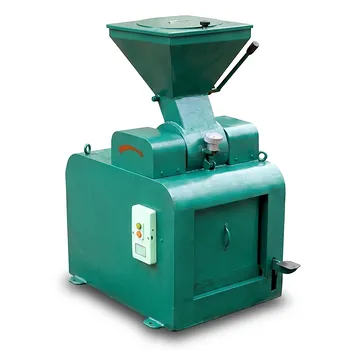
Laboratory Sealed Hammer Crushers for Coal Sample Preparation and Medium Strength Material Crushing