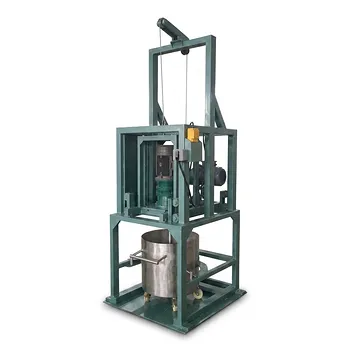
What function does a powder mixer perform during WPC formulation homogenization? Achieve Superior Material Uniformity
Updated 3 months ago
A powder mixer achieves macroscopic and microscopic homogenization by using mechanical agitation to distribute plastic particles uniformly within the wood particle framework. This process ensures that specific ratios of wood and polymer—such as Polyethylene Terephthalate (PET)—are thoroughly dry-mixed, preventing component segregation during subsequent hot pressing. By eliminating localized composition bias, the mixer guarantees the material maintains consistent physical and mechanical properties throughout its structure.
The powder mixer serves as the critical bridge between raw raw ingredients and a stable composite, ensuring that disparate materials are locked into a uniform state before thermal processing. Without this step, WPC materials would suffer from structural defects and unpredictable mechanical failure.
Achieving Structural Uniformity
The Role of Mechanical Agitation
Mechanical agitation provides the kinetic energy required to overcome the natural tendency of particles to clump or settle based on density. In WPC production, this force ensures that Polyethylene Terephthalate (PET) powder is evenly dispersed among wood particles.
This uniform distribution is the foundation of a high-quality dry-mix. It ensures that every cubic centimeter of the mixture contains the precise ratio of components intended by the formulation.
Preventing Component Segregation
Segregation occurs when materials of different sizes or densities separate during handling or processing. A powder mixer creates a homogeneous dry blend that resists this separation during the transition to the hot-pressing stage.
If segregation is not prevented, the final product will exhibit "resin-rich" or "wood-rich" zones. These areas become points of failure, leading to structural instability or aesthetic inconsistencies.
Impact on Material Performance
Consistency of Physical Properties
The primary goal of homogenization is to ensure that the physical and mechanical properties of the WPC are repeatable and predictable. This includes ensuring uniform density, moisture resistance, and tensile strength across the entire board.
When the plastic matrix is perfectly dispersed, it can effectively encapsulate the wood fibers during melting. This encapsulation is what gives WPCs their characteristic durability and weather resistance.
Microscopic and Macroscopic Homogenization
Homogenization must occur at two levels: the macroscopic level (bulk distribution) and the microscopic level (particle-to-particle contact). Effective powder mixers achieve both, ensuring that even trace additives or flame retardants are evenly distributed.
This fine-scale blending is a prerequisite for subsequent melt processing. It allows for even dispersion of components within the polymer matrix during extrusion or injection molding.
Understanding the Trade-offs
Mechanical Degradation of Fibers
While high-intensity mixing is necessary for homogenization, excessive agitation can lead to particle size reduction. In WPCs, preserving the aspect ratio of wood fibers is often vital for reinforcing the composite.
Over-mixing can turn fibrous wood into fine dust, which may decrease the mechanical strength of the final product. Balancing mixing time with fiber integrity is a constant challenge for manufacturers.
Heat Generation and Pre-melting
Mechanical friction within the mixer generates heat. If the mixing cycle is too long or too intense, the temperature may approach the glass transition temperature of the polymer.
Premature softening of the plastic powder can cause it to stick to the mixer blades or form clumps. This defeats the purpose of the homogenization process and complicates equipment maintenance.
Optimization Strategies for WPC Formulation
How to Apply This to Your Project
To achieve the best results in WPC homogenization, the mixing strategy must be tailored to the specific materials and the desired end-use of the composite.
- If your primary focus is Maximum Mechanical Strength: Prioritize low-shear mixing cycles that achieve homogenization without fracturing the wood fibers.
- If your primary focus is Flame Retardancy or Color Consistency: Utilize high-speed pre-mixing for additives before introducing the bulk wood fibers to ensure microscopic dispersion.
- If your primary focus is High-Volume Production Efficiency: Implement automated weighing systems in conjunction with the mixer to maintain exact component ratios across every batch.
Precise powder homogenization is the non-negotiable prerequisite for transforming raw wood and plastic into a high-performance engineering material.
Summary Table:
| Mixing Function | Benefit to WPC Production | Key Process Optimization |
|---|---|---|
| Mechanical Agitation | Ensures uniform distribution of PET/plastic in wood | Prevent particle size reduction (fiber integrity) |
| Homogenization | Eliminates microscopic and macroscopic composition bias | Balance mixing intensity to avoid pre-melting |
| Segregation Prevention | Stops component separation during hot pressing | Tailor shear levels to specific density differences |
| Additive Dispersion | Uniformly integrates flame retardants and colorants | Use high-speed pre-mixing for trace additives |
Optimize Your WPC Research with Precision Powder Processing
Achieving the perfect dry-mix is the first step toward high-performance Wood Plastic Composites. At [Company Name], we provide complete laboratory sample preparation solutions for material science, specializing in advanced powder processing and compaction equipment.
Whether you are focusing on fiber integrity or high-speed additive dispersion, our extensive product line supports every stage of your workflow:
- Powder Processing: High-efficiency powder mixers, defoaming mixers, and specialized mills (planetary ball, jet, and rotor mills).
- Material Preparation: Industrial-grade crushers (jaw/roll) and liquid nitrogen cryogenic grinders for heat-sensitive polymers.
- Forming & Compaction: A full spectrum of hydraulic presses, including Cold/Warm Isostatic Presses (CIP/WIP), vacuum hot presses, and XRF pellet presses.
- Analysis Support: Sieve shakers (vibratory/air-jet) and precision test sieves to monitor particle size distribution.
Ready to enhance your lab's efficiency and material consistency? Contact our technical experts today to find the ideal equipment for your specific WPC formulation needs.
References
- Khandkar‐Siddikur Rahman, Md. Obaidullah Hannan. Properties of flat-pressed wood plastic composites as a function of particle size and mixing ratio. DOI: 10.1007/s10086-018-1702-3
Mentioned Products
- V-Type Powder Mixer for Uniform Blending of Dry Powders and Granules
- Inclined Mixer for Homogeneous Powder Blending and Grinding
- Horizontal Ribbon Mixer for Dry Powder and Slurry Blending
- Horizontal Ribbon Mixer for Uniform Powder and Slurry Mixing
- Horizontal Trough Mixer for Uniform Powder and Paste Blending
People Also Ask
- Why is a media-free and ball-free V-type powder mixer used for Al2O3/Inconel 718? Preserve Purity & Shape
- How does a V-type powder mixer facilitate the blending of oxidizers and catalysts? Safe & Uniform Mixing Solutions
- Why is it necessary to consider the influence of static walls in powder mixing experiment design? Optimize Uniformity.
- What role does powder mixing play in Al2O3-Er3Al5O12 ceramics? Achieve Precise Homogeneity and Phase Control
- How do powder mixers and additives influence ZTA ceramics? Optimize microstructure for superior toughness and density

Tech Team · PowderPreparation
Last updated on Jun 03, 2026
Related Products
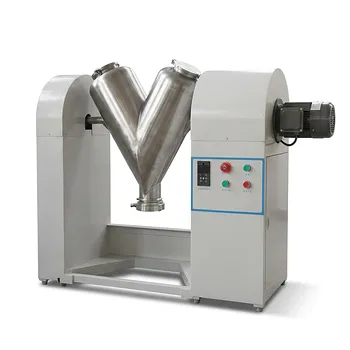
V-Type Powder Mixer for Uniform Blending of Dry Powders and Granules
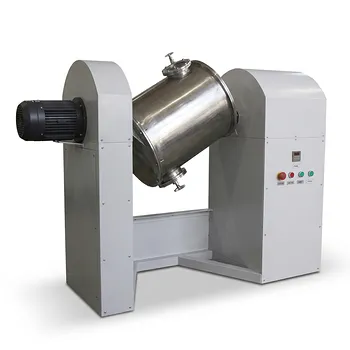
Inclined Mixer for Homogeneous Powder Blending and Grinding
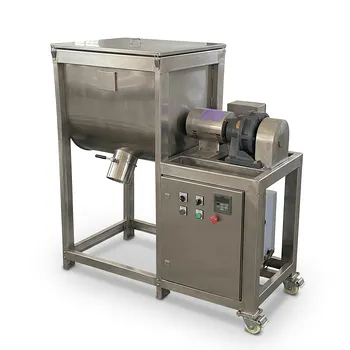
Horizontal Ribbon Mixer for Dry Powder and Slurry Blending
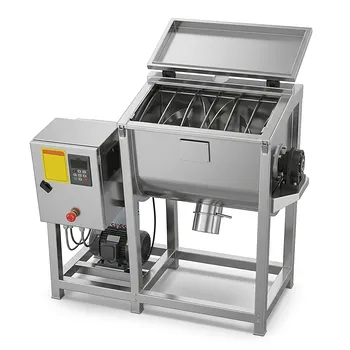
Horizontal Ribbon Mixer for Uniform Powder and Slurry Mixing
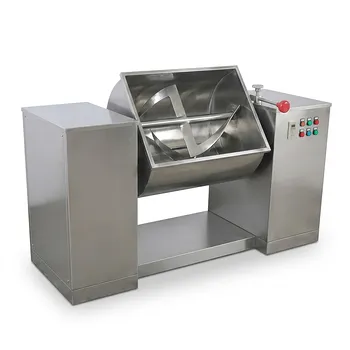
Horizontal Trough Mixer for Uniform Powder and Paste Blending
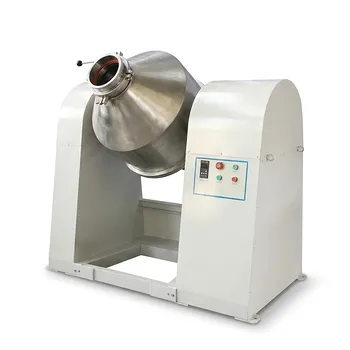
Industrial Double Cone Mixer for Powder Blending and Homogeneous Mixing
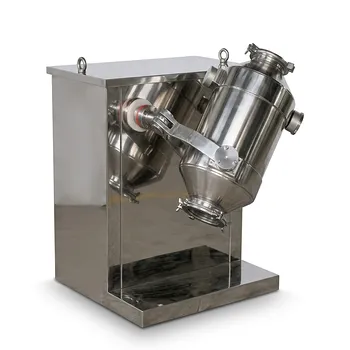
Three-Dimensional Motion Mixer for Laboratory Powder and Granule Blending
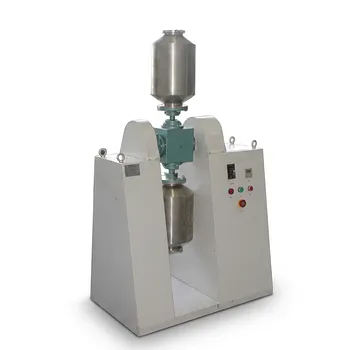
Multi Dimensional Universal Mixer for High Uniformity Powder Blending
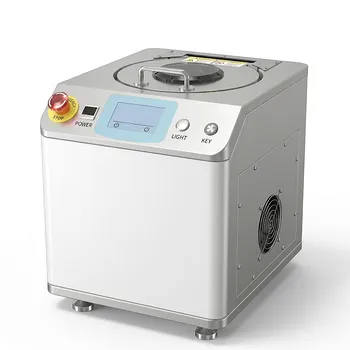
High Efficiency Vacuum Planetary Centrifugal Mixer and Defoaming Machine for Industrial Material Research and Precise Laboratory Powder Dispersion
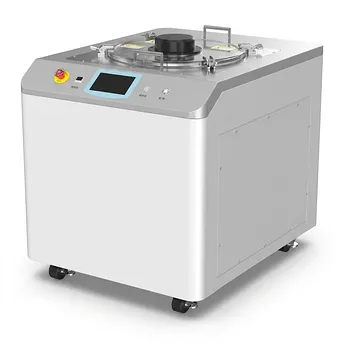
Industrial Planetary Centrifugal Vacuum Defoaming Mixer for High Viscosity Paste and Powder Homogenization
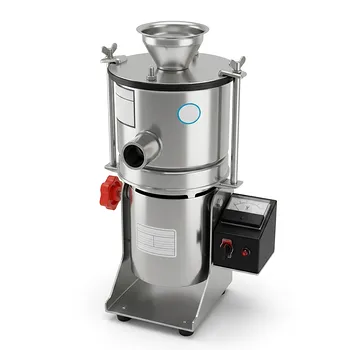
Air Guided Ultrafine Pulverizer High Speed Laboratory Powder Grinder for Chemical and Material Processing
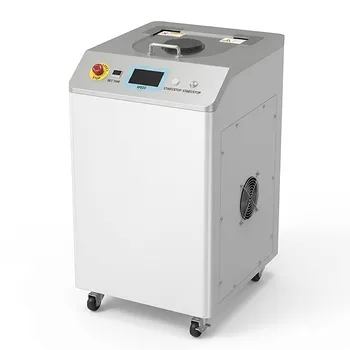
High Viscosity Planetary Centrifugal Vacuum Mixer for Material Defoaming and Uniform Mixing

Vertical Production Planetary Ball Mill for High Throughput Powder Processing
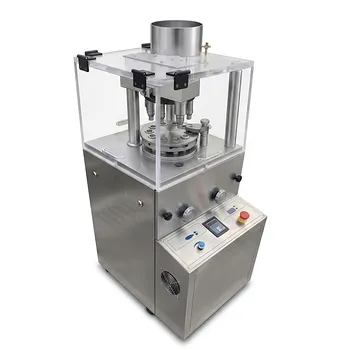
Enhanced 9 Punch Rotary Tablet Press for Powder Compaction
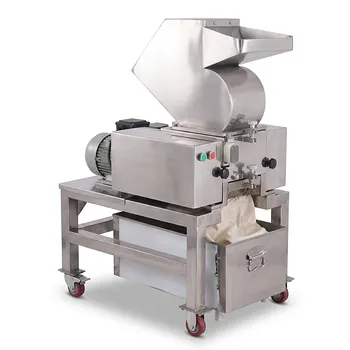
Stainless Steel Coarse Crusher for Pharmaceutical Food and Plastic Material Processing
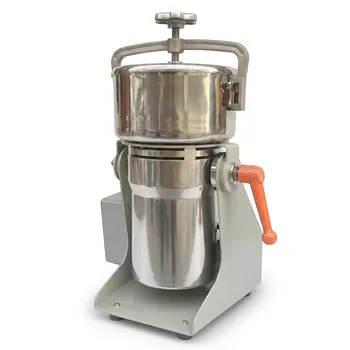
High Speed Laboratory Grinder Efficient Stainless Steel Powder Pulverizer Universal Material Science Mill for Sample Preparation
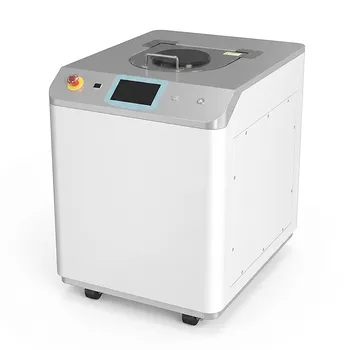
Industrial Planetary Centrifugal Vacuum Defoaming Mixer for High Viscosity Paste and Advanced Material Science
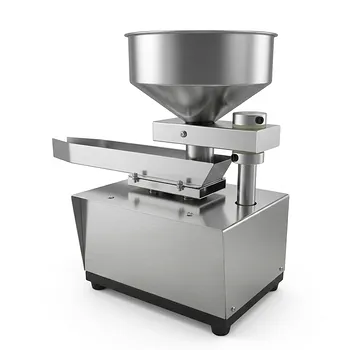
Automatic Vibrating Powder Feeder for Laboratory Material Processing Precision Vibratory Hopper Feeder for Granular and Powder Material Handling Industrial Grade Vibrating Tray Feeder for Consistent Material Sample Preparation
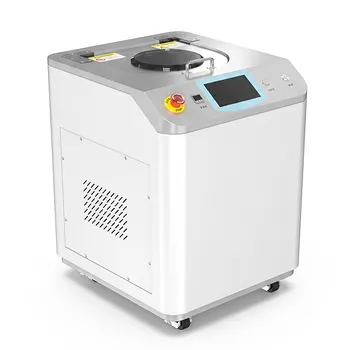
High Speed Vacuum Planetary Centrifugal Mixer and Defoamer for Industrial Paste Processing