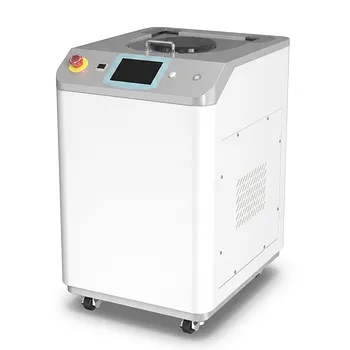
How does a V-type powder mixer facilitate the blending of oxidizers and catalysts? Safe & Uniform Mixing Solutions
Updated 4 months ago
A V-type powder mixer facilitates the blending of propellant components through gravity-driven division and recombination within an asymmetric rotating vessel. This process ensures a high degree of distribution uniformity between oxidizers like Ammonium Perchlorate (AP) and catalysts without generating the frictional heat that could trigger premature decomposition.
The V-type mixer provides a low-shear, high-uniformity blending solution that is critical for propellant safety and combustion stability. By relying on geometric dilution and gravity rather than aggressive mechanical force, it achieves a homogeneous distribution of catalysts essential for predictable chemical reactions.
The Mechanics of Gravity-Driven Mixing
Asymmetric Vessel Rotation
The mixer consists of two cylindrical shells joined in a "V" shape, which rotates around a horizontal axis. This asymmetric geometry forces the powder to shift constantly, ensuring that the material does not simply slide but instead undergoes a complex tumbling motion.
The Divide-and-Merge Principle
As the vessel rotates, the powder bed is continuously split into two separate paths and then recombined into a single mass. This repetitive action allows the catalyst particles to be intercalated between the larger oxidizer crystals without the need for internal agitating blades.
Low-Shear Motion
Because the blending is driven by gravity and tumbling rather than high-speed impellers, the process is considered "low-shear." This is vital for maintaining the physical integrity of the powder particles and preventing unwanted changes in particle size distribution.
Thermal Management and Material Integrity
Mitigation of Frictional Heat
In propellant manufacturing, mechanical friction is a significant hazard that can lead to the thermal decomposition of sensitive raw materials. The V-type mixer’s gentle action minimizes internal friction, keeping the temperature of the mix well below the decomposition threshold of the oxidizer.
Maintaining Crystal Structure
High-shear environments can inadvertently crush or alter the crystal form of the Ammonium Perchlorate. The V-type mixer preserves the original morphology of the ingredients, which is critical for maintaining the specific surface area required for a controlled burn rate.
Prevention of Localized Hotspots
By avoiding high-speed mechanical contact, the mixer prevents the formation of localized hotspots. This ensures that the catalytic iron oxide is distributed safely throughout the batch without creating points of premature ignition.
Achieving Distribution Uniformity
Geometric Dilution Technology
The V-type mixer excels at geometric dilution, a technique used to mix small amounts of active catalysts into much larger volumes of oxidizer. At low rotational speeds, often around 25 rpm, the equipment ensures that even trace amounts of catalyst are uniformly dispersed.
Counteracting Powder Segregation
Propellant components often have different densities and particle sizes, which typically leads to segregation during mixing. The alternating shear motions and flipping action of the V-vessel counteract these forces, ensuring every portion of the final product has a consistent active ingredient content.
Uniform Catalytic Environment
The end goal of the process is to provide a uniform catalytic environment for the propellant. When the catalyst is perfectly distributed, the resulting propellant exhibits stable, uniform combustion characteristics during use.
Understanding the Trade-offs
Loading Volume Constraints
The efficiency of a V-type mixer is highly dependent on the fill level, typically requiring the vessel to be filled to only 40-60% of its total capacity. Overfilling inhibits the "divide-and-merge" action, leading to "dead zones" where powders remain unmixed.
Processing Time Requirements
Because it relies on gentle gravity rather than force, the V-type mixer may require longer cycle times compared to high-intensity ribbon blenders. However, in the context of energetic materials, this trade-off is usually accepted in exchange for the significantly higher safety margin.
Density Sensitivity
While effective at preventing segregation, extreme differences in bulk density between the oxidizer and catalyst can still pose challenges. Operators must carefully calibrate rotation speeds to ensure that heavier particles do not settle at the bottom of the "V" during the cycle.
How to Apply This to Propellant Production
To achieve the best results when blending oxidizers and catalysts, consider your specific production goals and safety requirements.
- If your primary focus is safety and heat sensitivity: Utilize the V-type mixer at lower RPMs to eliminate the risk of frictional ignition and material decomposition.
- If your primary focus is combustion consistency: Prioritize geometric dilution by adding the catalyst in stages to ensure it is perfectly distributed across the oxidizer crystals.
- If your primary focus is batch-to-batch repeatability: Standardize the loading volume and mixing duration to ensure the degree of distribution uniformity remains identical across every production run.
By leveraging gravity-driven mechanics, the V-type mixer ensures the high-precision blending necessary for safe and effective propellant performance.
Summary Table:
| Key Feature | Mechanism / Detail | Impact on Propellant Production |
|---|---|---|
| Mixing Action | Asymmetric rotation & gravity | Ensures high distribution uniformity |
| Shear Level | Low-shear tumbling motion | Preserves crystal structure & particle size |
| Thermal Safety | Minimal internal friction | Prevents localized hotspots & decomposition |
| Loading Ratio | 40% – 60% optimal fill | Eliminates "dead zones" for a consistent mix |
| Rotational Speed | Typically ~25 rpm | Facilitates precise geometric dilution |
Optimize Your Energetic Material Processing Today
Achieving the perfect blend of oxidizers and catalysts requires equipment that prioritizes both safety and precision. At [Company Name], we provide complete laboratory sample preparation solutions for material science, specializing in high-performance powder processing and compaction equipment.
Whether you need a V-type powder mixer for low-shear blending, crushers (jaw/roll), or cryogenic grinders for material preparation, our extensive line is designed to meet the most rigorous standards. We also offer a full spectrum of hydraulic presses, including Cold/Warm Isostatic Presses (CIP/WIP), hot presses, and vacuum hot presses to assist in final product forming.
Ready to enhance your lab's efficiency and safety? Contact our technical experts today to discuss how our mixers and pressing solutions can be tailored to your specific propellant or material science applications.
References
- R. Mukesh, Satish Kumar Kanhar. Studies on the Internal Ballistics of Composite Solid Rocket Propellants Incorporating Nano-Structured Catalysts. DOI: 10.4236/aast.2017.24005
Mentioned Products
- V-Type Powder Mixer for Uniform Blending of Dry Powders and Granules
- High Efficiency Vacuum Planetary Centrifugal Mixer and Defoaming Machine for Industrial Material Research and Precise Laboratory Powder Dispersion
- 非介入式材料均质机真空脱泡行星搅拌高粘度混合设备
- Multi Dimensional Universal Mixer for High Uniformity Powder Blending
- Industrial Planetary Centrifugal Vacuum Defoaming Mixer for High Viscosity Paste and Powder Homogenization
People Also Ask
- Why is a media-free and ball-free V-type powder mixer used for Al2O3/Inconel 718? Preserve Purity & Shape
- Why is it necessary to consider the influence of static walls in powder mixing experiment design? Optimize Uniformity.
- What role does powder mixing play in Al2O3-Er3Al5O12 ceramics? Achieve Precise Homogeneity and Phase Control
- How do powder mixers and additives influence ZTA ceramics? Optimize microstructure for superior toughness and density
- What is the function of laboratory milling equipment in Sc2SnC synthesis? Achieve High-Purity MAX Phase Ceramics

Tech Team · PowderPreparation
Last updated on Jun 03, 2026
Related Products
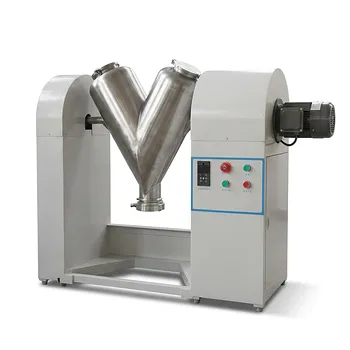
V-Type Powder Mixer for Uniform Blending of Dry Powders and Granules
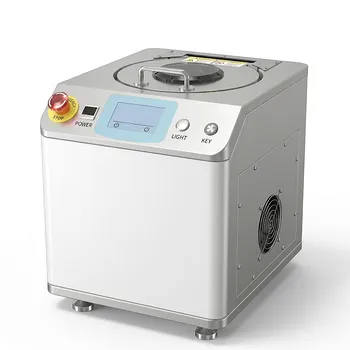
High Efficiency Vacuum Planetary Centrifugal Mixer and Defoaming Machine for Industrial Material Research and Precise Laboratory Powder Dispersion
非介入式材料均质机真空脱泡行星搅拌高粘度混合设备
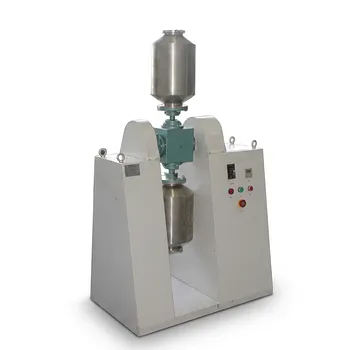
Multi Dimensional Universal Mixer for High Uniformity Powder Blending
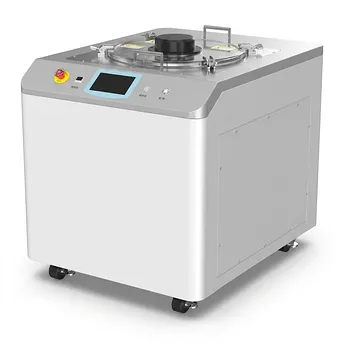
Industrial Planetary Centrifugal Vacuum Defoaming Mixer for High Viscosity Paste and Powder Homogenization
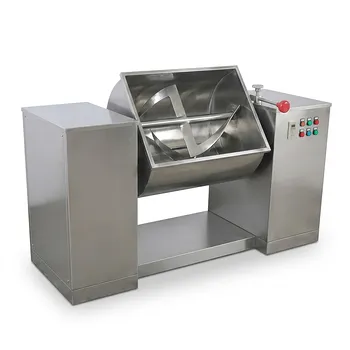
Horizontal Trough Mixer for Uniform Powder and Paste Blending
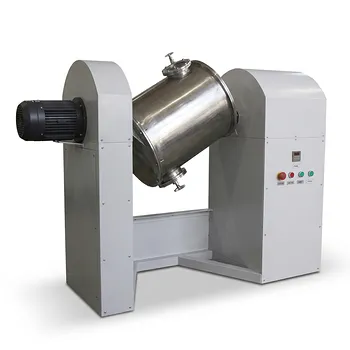
Inclined Mixer for Homogeneous Powder Blending and Grinding
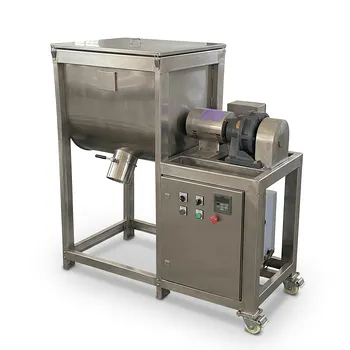
Horizontal Ribbon Mixer for Dry Powder and Slurry Blending
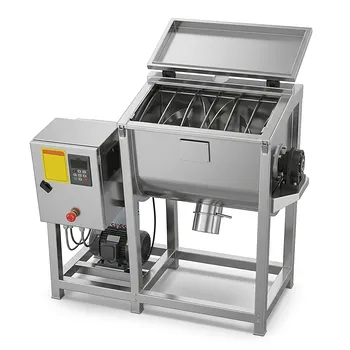
Horizontal Ribbon Mixer for Uniform Powder and Slurry Mixing
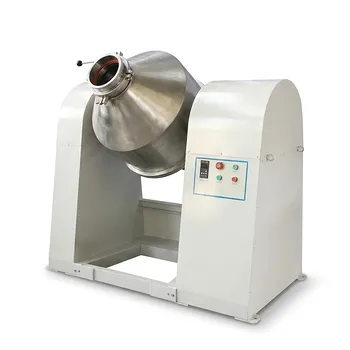
Industrial Double Cone Mixer for Powder Blending and Homogeneous Mixing
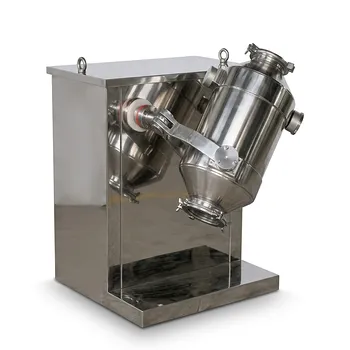
Three-Dimensional Motion Mixer for Laboratory Powder and Granule Blending
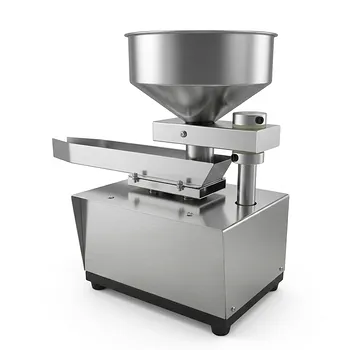
Automatic Vibrating Powder Feeder for Laboratory Material Processing Precision Vibratory Hopper Feeder for Granular and Powder Material Handling Industrial Grade Vibrating Tray Feeder for Consistent Material Sample Preparation
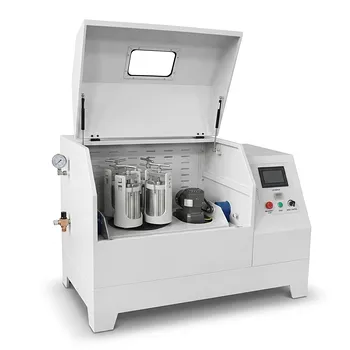
Vertical Production Planetary Ball Mill for High Throughput Powder Processing
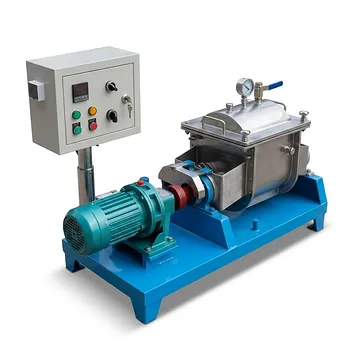
Industrial Vacuum Kneader for High-Viscosity Silicone, Rubber, and Compound Mixing
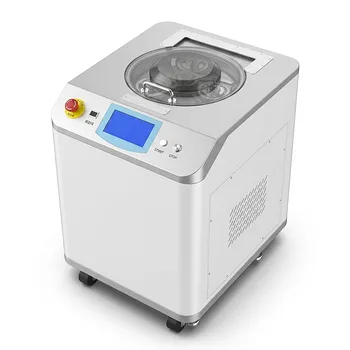
Dual Cup Vacuum Centrifugal Mixer Planetary Paste Defoaming Machine Industrial Material Processor
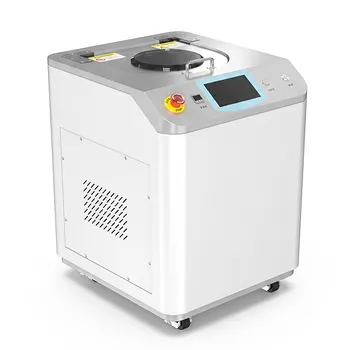
High Speed Vacuum Planetary Centrifugal Mixer and Defoamer for Industrial Paste Processing
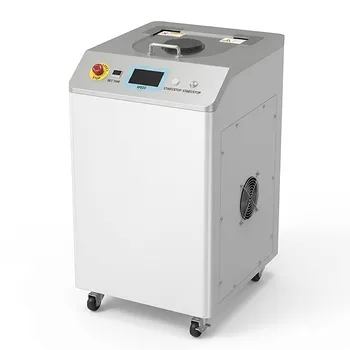
High Viscosity Planetary Centrifugal Vacuum Mixer for Material Defoaming and Uniform Mixing
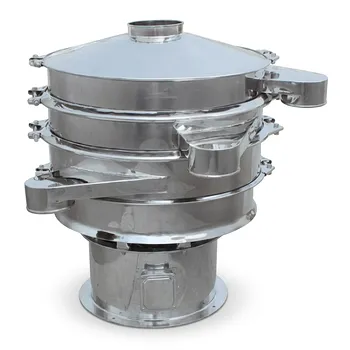
Stainless Steel Rotary Vibrating Sieve High Precision Circular Vibratory Separator Industrial Powder Grading Machine Multi Layer Sifting Equipment
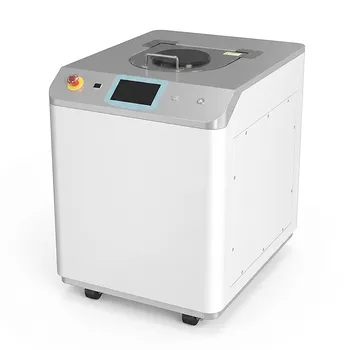
Industrial Planetary Centrifugal Vacuum Defoaming Mixer for High Viscosity Paste and Advanced Material Science