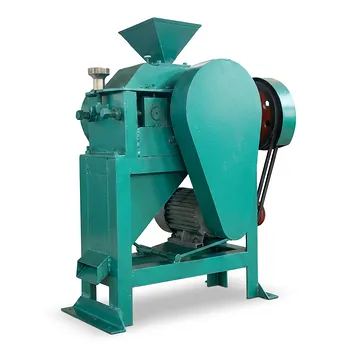
What function does a lab hydraulic press serve in Ni-MH battery electrode preparation? Improve Density & Integrity
Updated 5 months ago
A laboratory hydraulic press is used to compact magnesium-based alloy and nickel powders into dense, structurally sound negative electrode sheets. By applying stable axial pressure, it ensures tight physical contact between powder particles and strengthens the mechanical bond between the active material and the current collector, preventing the electrode from powdering or detaching during electrochemical cycling.
The laboratory hydraulic press serves as a critical densification tool that transforms loose hydride powders into a cohesive electronic network. This process is essential for overcoming the poor natural conductivity of hydride materials and maintaining structural integrity during the volume changes associated with battery charging and discharging.
Enhancing Structural Integrity and Durability
Resistance to Mechanical Degradation
Hydride powders often undergo significant volume changes during the hydrogen absorption and desorption phases of battery operation. The hydraulic press creates a high-density body that can withstand these stresses, preventing the active material from "powdering" or falling off the electrode.
Prevention of Material Detachment
By applying precise pressure—often ranging from 10 MPa to 20 MPa—the press ensures the active material remains firmly adhered to the current collector, such as nickel foam or mesh. This bond is vital for maintaining electrode performance when immersed in harsh alkaline electrolytes.
Formation of Stable Green Bodies
In the preparation of nanocomposite electrodes, the press compacts powders into "green bodies" with sufficient strength for subsequent processing. This high-pressure environment expels trapped gases and achieves a uniform microstructural foundation that prevents cracking during sintering or consolidation.
Optimizing Electrical and Electrochemical Performance
Reducing Inter-particle Contact Resistance
Metal hydride powders generally possess poor intrinsic electrical conductivity. The hydraulic press forces these particles into intimate contact, drastically reducing the resistance at the particle-to-particle interfaces and the interface with the current collector.
Establishing Electronic Transmission Networks
The compaction process creates a continuous path for electron transfer throughout the electrode. This effective electronic network is crucial for high-rate operations, allowing the battery to charge and discharge quickly without significant energy loss.
Improving Volumetric Energy Density
By eliminating excess voids and pores between powder particles, the hydraulic press increases the amount of active material that can fit into a specific volume. This leads to a higher volumetric energy density, allowing for smaller batteries with higher capacities.
Understanding the Trade-offs
Risk of Over-Compaction
While high pressure increases density, excessive compaction can deform the current collector or damage the delicate structure of nickel foam. If the pressure is too high, it may also reduce the porosity to a point where the electrolyte cannot effectively penetrate the electrode, hindering ion transport.
Material Stress and Cracking
Applying pressure unevenly or exceeding the material's structural limits can introduce internal stresses. These stresses can lead to micro-cracks that propagate during the expansion and contraction cycles of the battery, eventually causing premature electrode failure.
How to Apply This to Your Battery Research
Making the Right Choice for Your Goal
To achieve the best results with a laboratory hydraulic press, you must align the pressure settings with your specific electrode chemistry and design.
- If your primary focus is high-rate discharge performance: Apply higher pressures (e.g., 20 MPa) to minimize contact resistance and maximize the electronic network efficiency.
- If your primary focus is long-term cycle life: Use moderate pressure to ensure mechanical adhesion while maintaining enough controlled porosity to accommodate material volume expansion.
- If your primary focus is solid-state hydride research: Utilize very high axial pressure to eliminate interfacial resistance between the solid electrolyte and the negative electrode layers.
Precise control of compaction pressure is the foundational step in bridging the gap between raw powder materials and a high-performance, durable nickel-metal hydride electrode.
Summary Table:
| Process Action | Primary Benefit | Electrochemical Impact |
|---|---|---|
| Powder Compaction | Increases particle-to-particle contact | Reduces internal resistance & boosts power |
| Structural Bonding | Secures material to current collector | Prevents powdering & extends cycle life |
| Void Elimination | Maximizes material density | Increases volumetric energy density |
| Pressure Control | Maintains balanced porosity | Ensures efficient electrolyte penetration |
Elevate Your Material Research with Precision Compaction Solutions
Are you looking to bridge the gap between raw powder materials and high-performance battery components? At [Company Name], we provide complete laboratory sample preparation solutions for material science, specializing in advanced powder processing and compaction equipment.
Our extensive product lines are designed to meet the rigorous demands of battery research and material development:
- Compaction Excellence: A full spectrum of hydraulic presses, including Cold/Warm Isostatic Presses (CIP/WIP), standard lab presses, XRF pellet presses, hot presses, and vacuum hot presses.
- Powder Processing: High-performance crushers (jaw/roll), liquid nitrogen cryogenic grinders, and various mills (planetary ball, jet, sand/bead, disc, rotor).
- Material Refinement: Sieve shakers (vibratory/air-jet) with precision test sieves, plus specialized powder and defoaming mixers.
Whether you are optimizing Ni-MH electrodes or developing next-generation solid-state batteries, our equipment ensures the structural integrity and electrochemical performance your research requires.
Contact us today to discuss your specific application and find the perfect equipment for your laboratory!
References
- E. Grigorova, П. В. Марков. Electrochemical and Gas-Solid Hydrogen Storage Properties of a Multi-Metal Magnesium-Based Alloy Obtained by Ball Milling. DOI: 10.3390/inorganics13090299
Mentioned Products
- Portable Cutting Mill for Laboratory Sample Preparation and RoHS WEEE Compliance Testing
- Manual Tablet Press with Dual Scale Pressure Gauge for Pharmaceutical Food Chemical Laboratory Sample Preparation
- Laboratory Disc Mill for Ore and Mineral Sample Preparation
- 6-Ton Small Single-Punch Tablet Press — Laboratory Powder & Granule Tableting Equipment / Tablet Forming Machine
- High Speed Small Laboratory Crusher for Dry Material Sample Preparation
People Also Ask
- What is the role of a cutting mill equipped with a 1 mm screen in the preliminary preparation of Maguey fibers?
- What role does a laboratory mill play in the study of lignite coal co-combustion? Optimizing Fuel Blends and Reactivity
- What is the purpose of using a laboratory mill to grind dried precipitates? Optimize TiO2/AuNRs Catalyst Homogeneity
- What is the function of a laboratory mill in Cassia tora L. seed analysis? Master Precision Thermal Data Prep.
- What function does a laboratory mill serve in corn starch saccharification experiments? Optimize Surface Area & Reactions

Tech Team · PowderPreparation
Last updated on May 14, 2026
Related Products
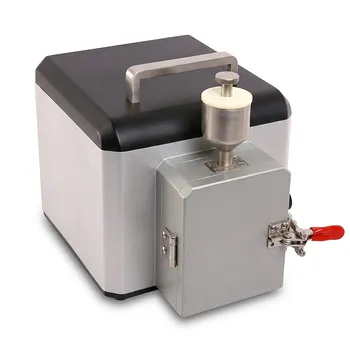
Portable Cutting Mill for Laboratory Sample Preparation and RoHS WEEE Compliance Testing
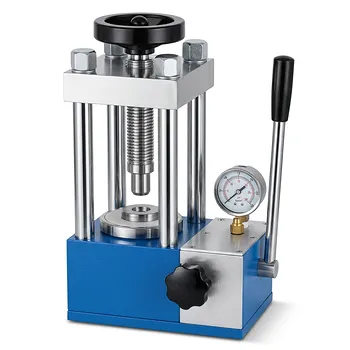
Manual Tablet Press with Dual Scale Pressure Gauge for Pharmaceutical Food Chemical Laboratory Sample Preparation
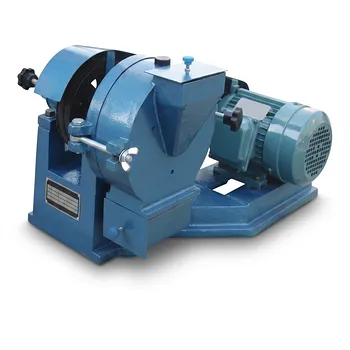
Laboratory Disc Mill for Ore and Mineral Sample Preparation
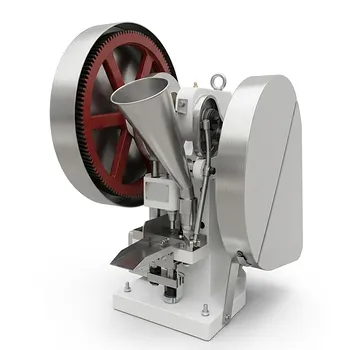
6-Ton Small Single-Punch Tablet Press — Laboratory Powder & Granule Tableting Equipment / Tablet Forming Machine
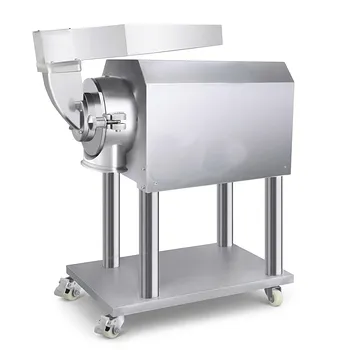
High Speed Small Laboratory Crusher for Dry Material Sample Preparation
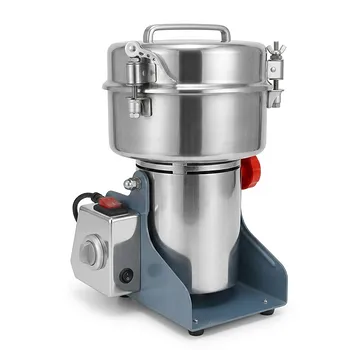
Small High-Speed Grinder for Efficient Laboratory Sample Preparation
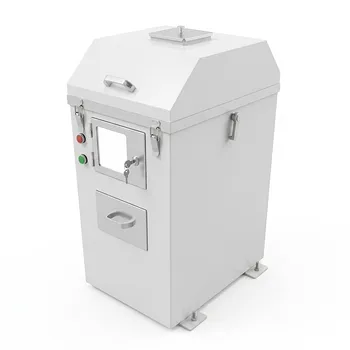
Sealed Double Roll Crusher for Laboratory Sample Preparation of Medium Hardness Materials
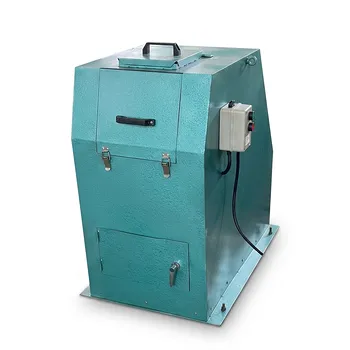
Environmentally Friendly Sealed Laboratory Jaw Crusher for Sample Preparation
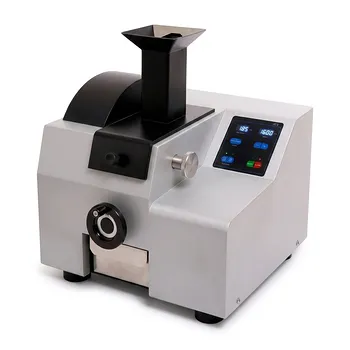
Laboratory Benchtop Jaw Crusher for Hard Brittle Materials Primary Size Reduction and Sample Preparation
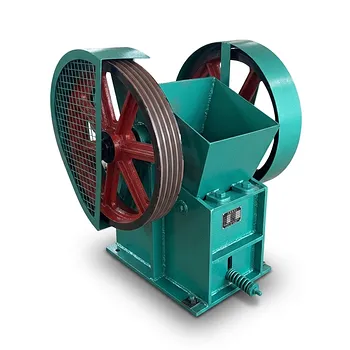
150x250mm Laboratory Jaw Crusher for Medium Hard Material Crushing and Sample Preparation
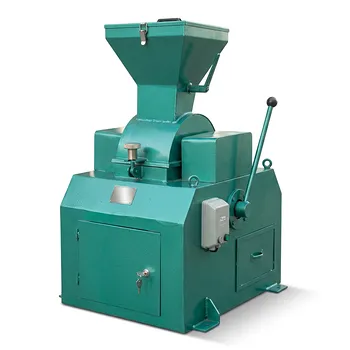
Laboratory Sealed Hammer Blade Crusher Divider for High Hardness Sample Preparation
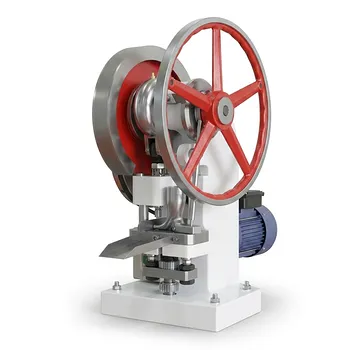
5 Ton Single Punch Tablet Press Laboratory Small Batch Production
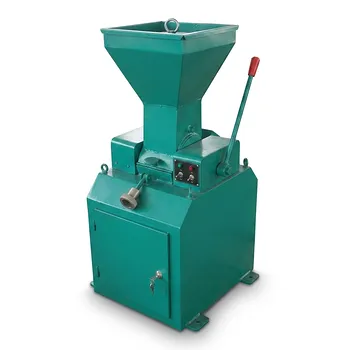
Laboratory Sealed Hammer Crusher for Coal and Mineral Sample Preparation
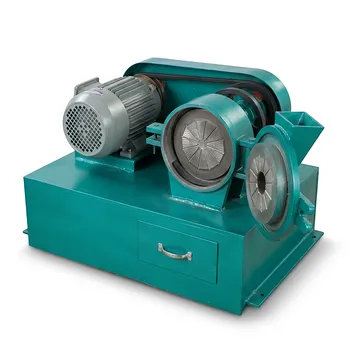
Laboratory Disc Pulverizer for Coal Coke Ore and Medium Hard Materials Sample Preparation
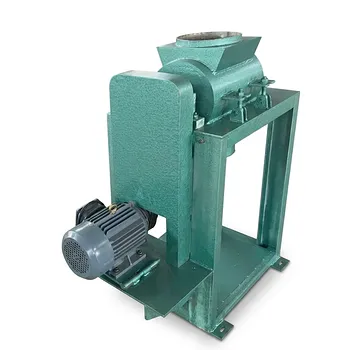
Customized Sealed Laboratory Hammer Crusher for Coal and Medium Hardness Sample Preparation