What function does a laboratory hydraulic press serve in FTIR microplastic identification? Optimize Your KBr Pellets.
Updated 4 months ago
The primary function of a laboratory hydraulic press in microplastic analysis is the creation of transparent Potassium Bromide (KBr) pellets. By applying intense, continuous pressure—often up to 10 tons—the press transforms a mixture of microplastic powder and KBr into an extremely thin, uniform disc. This mechanical preparation is essential because it enables the infrared beam of the FTIR spectrometer to penetrate the sample, allowing for the precise identification of the polymer’s chemical structure.
The laboratory hydraulic press acts as the critical bridge between a raw sample and a readable spectrum by ensuring sample transparency and uniformity. This process minimizes light scattering and produces the high-resolution data required to accurately distinguish between different microplastic polymer types.
Achieving Optical Clarity for FTIR Analysis
The Role of KBr in Pellet Formation
Microplastics in their raw state are typically too dense or opaque for infrared light to pass through effectively. To resolve this, the sample is ground into a fine powder and mixed with spectroscopic-grade Potassium Bromide (KBr), which remains transparent in the infrared region.
The hydraulic press applies high tonnage to this mixture, causing plastic deformation of the KBr crystals. This process binds the microplastic particles into a solid, glass-like pellet that is thin enough for transmission spectroscopy.
Eliminating Infrared Light Scattering
A key challenge in FTIR is "noise" caused by light scattering, which occurs when the infrared beam hits air pockets or uneven surfaces. The press exerts enough force to exclude air between the powders and achieve dense bonding between particles.
By creating a void-free pellet, the press ensures that the infrared light travels through the sample with minimal interference. This result is a stable baseline and clear characteristic peaks that represent the polymer's functional groups.
Enhancing Spectral Data Quality
Improving the Signal-to-Noise Ratio
The quality of the identification depends on the signal-to-noise ratio of the resulting spectrum. A high-quality pellet produced by a precision press reduces background noise, making it easier to see the "fingerprint" of the microplastic.
This clarity is vital for distinguishing between similar polymers, such as polyethylene and polypropylene. It allows the software to match the sample's absorption peaks against a reference library with high statistical confidence.
Precision Pressure for Consistent Thickness
Consistency is critical when comparing multiple samples or performing quantitative analysis. The hydraulic press allows the operator to apply specific, repeatable pressure (such as 5 t/cm² or 12 tons) to ensure every pellet has a uniform thickness.
This uniformity ensures that the path length of the infrared beam is consistent across different tests. Without this level of control, spectral intensity could vary wildly, leading to inaccurate conclusions about the sample's composition.
Understanding the Trade-offs
Pressure Limits and Equipment Wear
While high pressure is necessary, exceeding the recommended tonnage for a specific pellet die can lead to equipment failure or safety hazards. Applying too much pressure can also cause the KBr to crack upon release, ruining the sample's optical properties.
The Risk of Sample Contamination
Because FTIR is extremely sensitive, any residue left on the press or the die from previous samples can lead to cross-contamination. Maintaining a rigorous cleaning protocol for the stainless steel surfaces of the press is just as important as the pressing process itself.
Sample-to-KBr Ratios
If the concentration of microplastic is too high, the pellet will remain opaque regardless of the pressure applied. Conversely, if it is too low, the absorption peaks will be too weak to identify. Finding the ideal balance—usually around 1% sample to 99% KBr—is a prerequisite for a successful press.
How to Apply This to Your Laboratory Workflow
Selecting the right pressing parameters is essential for obtaining actionable data from your FTIR analysis.
- If your primary focus is rapid polymer screening: Use a manual hydraulic press with a standard 13mm die to quickly produce pellets for qualitative identification.
- If your primary focus is high-precision research: Invest in an automated or motorized hydraulic press to ensure perfectly repeatable pressure cycles and eliminate operator-to-operator variability.
- If your primary focus is fragile or limited samples: Use a smaller diameter micro-die to concentrate the microplastic powder, requiring less total tonnage to achieve the necessary transparency.
Mastering the use of the laboratory hydraulic press is the definitive step in ensuring your microplastic samples yield the clear, accurate spectra required for scientific certainty.
Summary Table:
| Key Function | Impact on FTIR Analysis | Critical Requirement |
|---|---|---|
| KBr Pellet Formation | Creates a transparent disc for IR beam penetration. | 1% sample to 99% KBr ratio. |
| Light Scattering Reduction | Eliminates air pockets to ensure a stable, clear baseline. | High, continuous pressure (up to 10 tons). |
| Signal-to-Noise Improvement | Enhances peak clarity for precise polymer fingerprinting. | Clean, residue-free stainless steel dies. |
| Path Length Consistency | Ensures repeatable results across multiple samples. | Precise and repeatable tonnage application. |
Elevate Your Microplastic Research with Professional Sample Prep
Achieving scientific certainty in polymer identification starts with flawless sample preparation. At our core, we provide complete laboratory sample preparation solutions for material science, specializing in high-performance powder processing and compaction equipment.
Whether you are conducting rapid qualitative screening or high-precision quantitative research, our extensive line of hydraulic presses—including standard lab presses, XRF pellet presses, Hot Presses, and Cold/Warm Isostatic Presses (CIP/WIP)—delivers the consistent pressure needed for perfect KBr pellets. Our expertise extends across the entire workflow, offering:
- Size Reduction: Jaw/roll crushers and liquid nitrogen cryogenic grinders.
- Precision Milling: Planetary ball, jet, and rotor mills.
- Material Classification: Vibratory and air-jet sieve shakers.
- Advanced Mixing: Powder mixers and vacuum defoaming mixers.
Don't let poor sample quality compromise your spectral data. Contact us today to discuss how our specialized equipment can enhance your laboratory's efficiency and accuracy.
References
- Partho Banik, Jun Sun. Microplastics in Sediment of Kuakata Beach, Bangladesh: Occurrence, Spatial Distribution, and Risk Assessment. DOI: 10.3389/fmars.2022.860989
Mentioned Products
- 6-Ton Small Single-Punch Tablet Press — Laboratory Powder & Granule Tableting Equipment / Tablet Forming Machine
- Heightened Customized Laboratory Double Roll Crusher for Coal Ore Rock Crushing
- Small Hammer Crusher for Brittle Material Crushing in Mining Metallurgy and Lab Sample Preparation
- Laboratory Benchtop Jaw Crusher for Hard Brittle Materials Primary Size Reduction and Sample Preparation
- 5 Ton Single Punch Tablet Press Laboratory Small Batch Production
People Also Ask
- What is the function of a laboratory press in Cr-Ti alloy evaluation? Quantify Fracture Stress & Strength
- What is the function of a laboratory press in assessing the hydrophobic performance of modified vermiculite fillers?
- What is the core function of a laboratory press in the forming of ceramic filter element green bodies? Maximize Density.
- What is the function of a laboratory press in the preparation of ceramic feed rods? Master Density and Precision
- Why is vacuum sealing and flexible packaging necessary for Aluminum Titanate powders during CIP? Ensure Peak Density

Tech Team · PowderPreparation
Last updated on May 14, 2026
Related Products
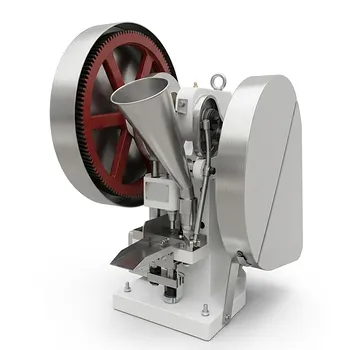
6-Ton Small Single-Punch Tablet Press — Laboratory Powder & Granule Tableting Equipment / Tablet Forming Machine
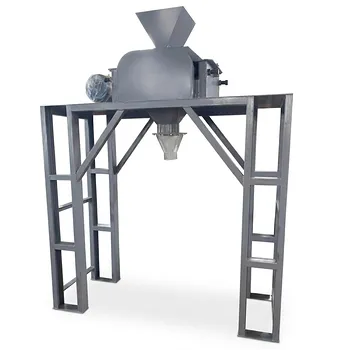
Heightened Customized Laboratory Double Roll Crusher for Coal Ore Rock Crushing
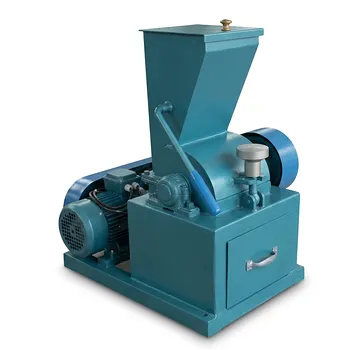
Small Hammer Crusher for Brittle Material Crushing in Mining Metallurgy and Lab Sample Preparation
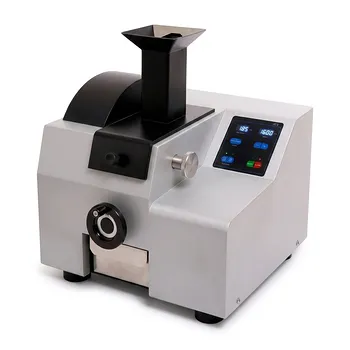
Laboratory Benchtop Jaw Crusher for Hard Brittle Materials Primary Size Reduction and Sample Preparation
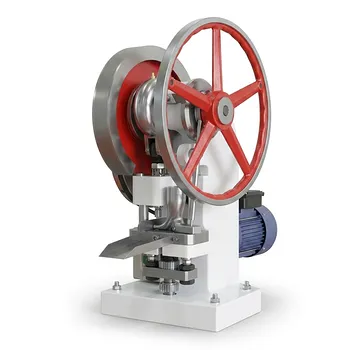
5 Ton Single Punch Tablet Press Laboratory Small Batch Production
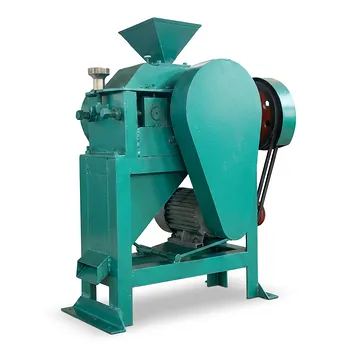
Laboratory Sealed Double Roll Crusher for Coal Ore Rock and Medium Hardness Materials Sample Preparation
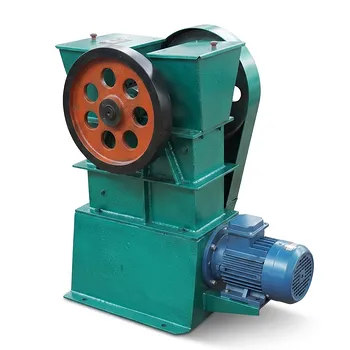
150×125mm Laboratory Jaw Crusher for Medium and Fine Crushing of Brittle Materials
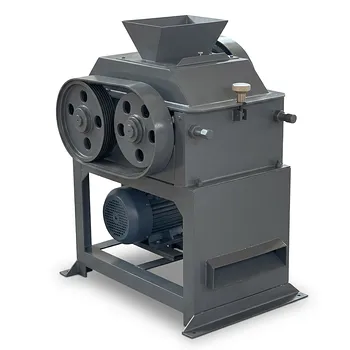
Sealed Laboratory Double Roll Crusher for Coal, Mineral, Ore Sample Preparation
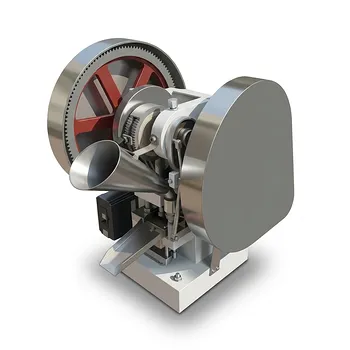
6 Ton Variable Frequency Single Punch Tablet Press
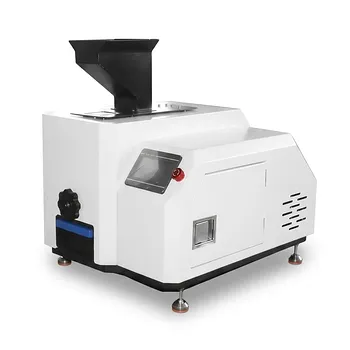
Laboratory Jaw Crusher 2025 Model for Ore and Brittle Material Crushing
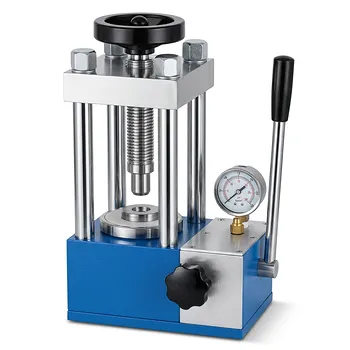
Manual Tablet Press with Dual Scale Pressure Gauge for Pharmaceutical Food Chemical Laboratory Sample Preparation
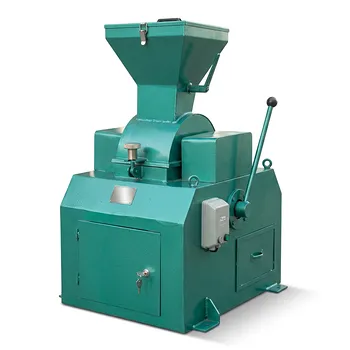
Laboratory Sealed Hammer Blade Crusher Divider for High Hardness Sample Preparation
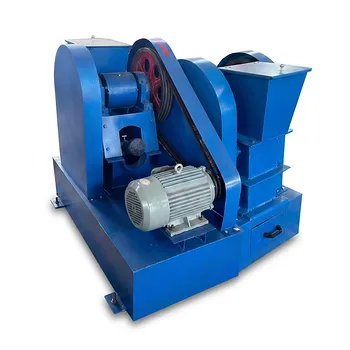
Horizontal Jaw Crusher Medium Hard Material Crushing Laboratory Sample Preparation Equipment
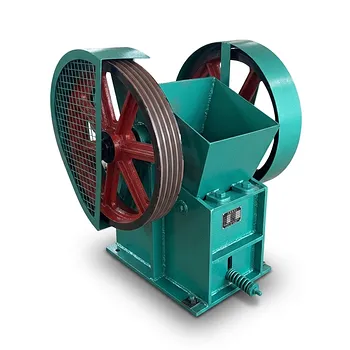
150x250mm Laboratory Jaw Crusher for Medium Hard Material Crushing and Sample Preparation
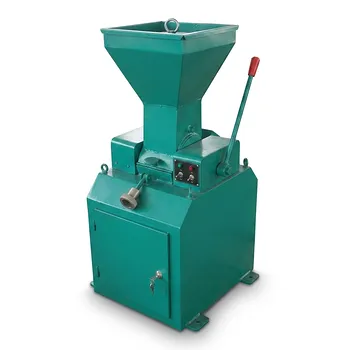
Laboratory Sealed Hammer Crusher for Coal and Mineral Sample Preparation