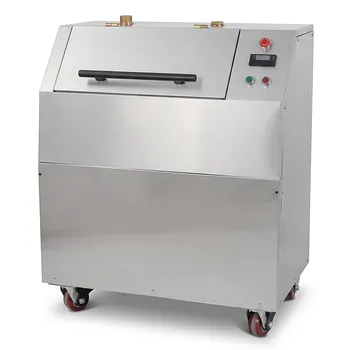
What function do vibratory sieve shakers perform in powder processing prior to isostatic pressing? Ensure Uniformity
Updated 4 months ago
Vibratory sieve shakers are the critical gatekeepers of particle uniformity. They are used to remove coarse components and agglomerated particles from granulated powders—typically after spray granulation or ball milling—to ensure that only consistent material enters the forming mold. This classification process is essential for eliminating macro defects and ensuring the structural precision and mechanical reliability of the final component.
The core function of a vibratory sieve shaker is to ensure a consistent particle size distribution, which directly dictates the uniformity of the green body's packing density. By removing oversized agglomerates, the equipment prevents structural weaknesses and surface defects that would otherwise compromise the integrity of the material during isostatic pressing.
Ensuring Material Consistency for Pressing
Removing Coarse Agglomerates
During processes like spray granulation or ball milling, particles often clump together into oversized agglomerates. A vibratory sieve shaker uses high-frequency mechanical vibration to force these materials through a precision mesh, isolating and removing coarse fractions.
Optimizing Particle Size Distribution
By utilizing a stack of specific mesh screens, the shaker organizes the powder into a micro-range of sizes. This precise classification ensures that the material entering the mold is compliant with strict size requirements, allowing for a more predictable and stable raw material.
Improving Packing Density
A consistent particle size distribution is the primary driver of uniform packing density within the mold. When particles are sized correctly, they nest together efficiently under pressure, which is vital for preventing voids or uneven density distributions in the green body.
Impact on the Isostatic Pressing Process
Eliminating Macro Defects
Large particle agglomerates are often the source of macro defects within a ceramic or metal green body. By filtering these out prior to pressing, the vibratory sieve shaker ensures the structural precision of components like alumina pistons or piezoelectric ceramics.
Enhancing Mechanical Reliability
Uniform density achieved through proper sieving leads to consistent shrinkage and grain growth during the subsequent sintering process. This reliability reduces the risk of internal stresses or structural failure in the finished product.
Preventing Surface Imperfections
In applications such as powder coatings or tape casting, sieving prevents surface defects like pinholes or grain protrusions. Ensuring the upper limit of particle size is controlled results in a smoother surface finish and higher-quality green tapes.
Understanding the Trade-offs
Processing Time vs. Precision
Achieving a "constant state" where the sample mass on each sieve is stable typically requires 5 to 10 minutes of operation. While longer vibration times increase classification precision, they can also lead to particle attrition or reduced throughput in high-volume environments.
Mesh Blinding and Maintenance
Fine meshes are susceptible to "blinding," where particles become lodged in the screen openings and reduce efficiency. Regular inspection and the use of de-blinding aids are necessary to maintain the accuracy of the particle size distribution.
Material Sensitivity
Aggressive mechanical vibration may degrade fragile granules produced by spray drying. The intensity of the vibration must be carefully calibrated to balance efficient separation with the preservation of the granule's physical integrity.
Making the Right Choice for Your Goal
To maximize the effectiveness of your powder processing workflow, align your sieving strategy with your specific production requirements.
- If your primary focus is structural reliability: Use a vibratory shaker with high-precision meshes to eliminate all oversized agglomerates that act as stress concentrators.
- If your primary focus is uniform packing density: Implement a multi-sieve stack to isolate a narrow particle size fraction, ensuring optimal particle nesting within the isostatic mold.
- If your primary focus is surface quality: Utilize fine meshes (e.g., 106μm or 200μm) to remove coarse particles that cause pinholes or protrusions in the final cured film or tape.
By precisely controlling particle size prior to isostatic pressing, you ensure a defect-free green body and a mechanically superior final product.
Summary Table:
| Key Function | Benefit for Isostatic Pressing | Impact on Final Product |
|---|---|---|
| Removing Agglomerates | Eliminates macro defects & stress points | Enhanced structural reliability |
| Size Classification | Ensures uniform packing density | Consistent shrinkage & grain growth |
| Surface Control | Prevents pinholes and protrusions | Superior surface finish & quality |
| Vibration Calibration | Maintains granule physical integrity | Precise material characteristics |
Elevate your material consistency with professional-grade sample preparation. At [Brand Name], we provide complete laboratory solutions for material science, specializing in high-performance powder processing and compaction equipment.
Our extensive range includes vibratory and air-jet sieve shakers, precision mills (planetary ball, jet, and rotor), and a full spectrum of hydraulic presses—from Cold/Warm Isostatic Presses (CIP/WIP) to vacuum hot presses. Whether you are refining advanced ceramics or perfecting metal powders, our equipment ensures the particle uniformity and density your research demands.
Contact our material science specialists today to optimize your workflow!
References
- Viktor Gerlei, Miklós Jakab. Manufacturing of Large and Polished Ceramic Pistons by Cold Isostatic Pressing. DOI: 10.33927/hjic-2023-05
Mentioned Products
- Vibratory Sieve Shaker Electromagnetic 3D Motion Powder Particle Size Analyzer for Dry and Wet Sieving
- Laboratory Dry and Wet Three Dimensional Vibratory Sieve Shaker for Particle Analysis
- Dry Three Dimensional Vibratory Sieve Shaker
- Stainless Steel Laboratory Vibratory Test Sieve Shaker
- Heavy Duty Dry Three Dimensional Vibratory Sieve Shaker for Particle Separation
People Also Ask
- How does a vibratory sieve shaker contribute to optimizing the performance of activated carbon? Enhance Adsorption Precision
- Why is a laboratory vibratory sieve shaker necessary for processing magnesium-based borate precursor powders? Boost Activity
- Why use a vibratory sieve shaker to verify coarse aggregate grading in rubberized concrete? Ensure Structural Integrity
- What function do vibratory sieve shakers and standard test sieves serve in the preparation of adsorbents? Key Guide
- What role does a vibratory sieve shaker play in the particle size analysis of ground corn products? Enhance QC Precision

Tech Team · PowderPreparation
Last updated on Jun 03, 2026
Related Products
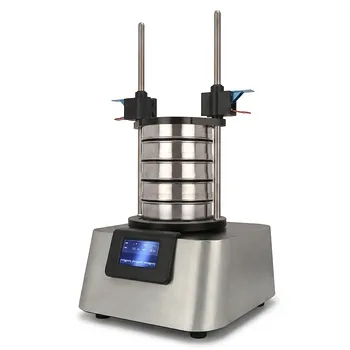
Vibratory Sieve Shaker Electromagnetic 3D Motion Powder Particle Size Analyzer for Dry and Wet Sieving
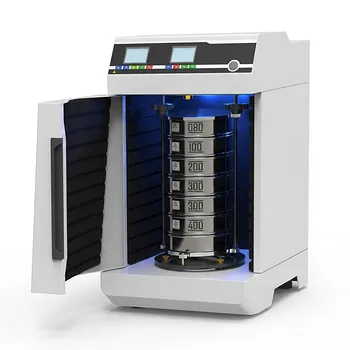
Laboratory Dry and Wet Three Dimensional Vibratory Sieve Shaker for Particle Analysis
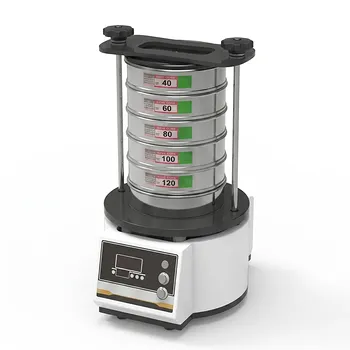
Dry Three Dimensional Vibratory Sieve Shaker
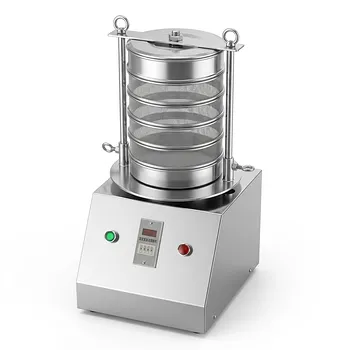
Stainless Steel Laboratory Vibratory Test Sieve Shaker
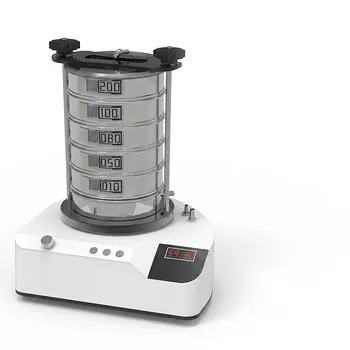
Heavy Duty Dry Three Dimensional Vibratory Sieve Shaker for Particle Separation
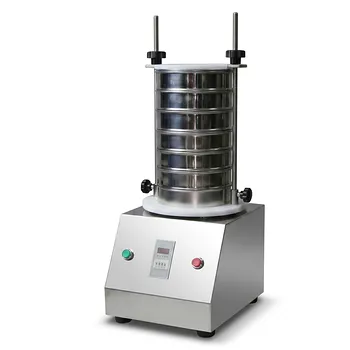
Small Laboratory Vibratory Sieve Shaker for Powder Gradation and Particle Size Analysis
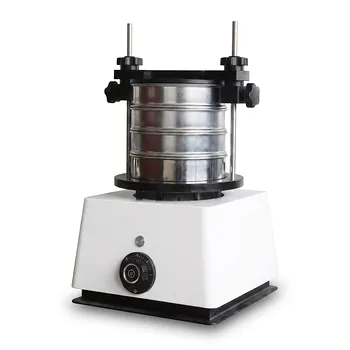
Small Laboratory Vibrating Sieve Shaker for Precise Particle Size Analysis
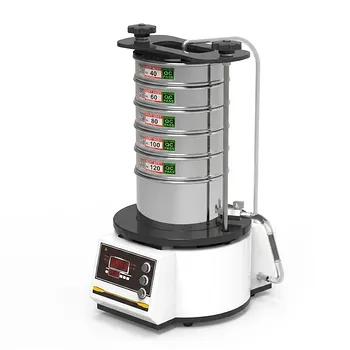
High Frequency Wet Three-Dimensional Vibrating Sieve Shaker for Dry and Wet Particle Size Analysis
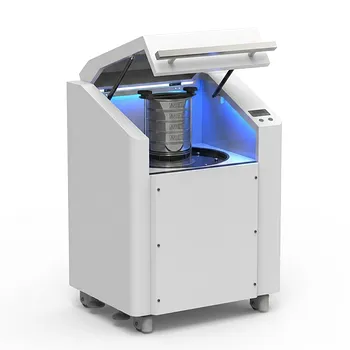
High Frequency Cabinet Type Three-Dimensional Rotary Vibrating Sieve Shaker for Dry Sieving and Particle Classification
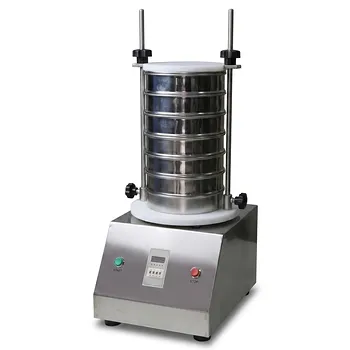
Laboratory Vibratory Test Sieve Shaker for Precision Particle Size Analysis and Powder Grading
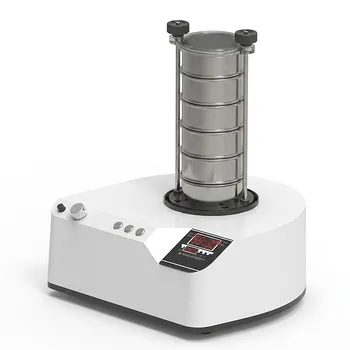
三维电磁微量振动筛分仪
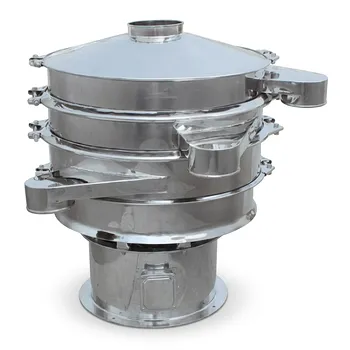
Stainless Steel Rotary Vibrating Sieve High Precision Circular Vibratory Separator Industrial Powder Grading Machine Multi Layer Sifting Equipment
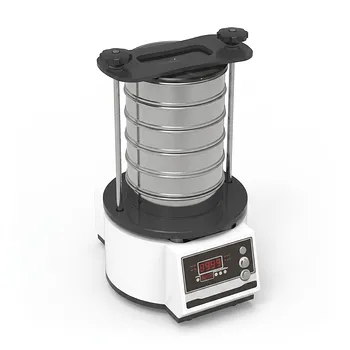
Tapping Oscillating Sieve Shaker for Dry and Wet Particle Size Analysis
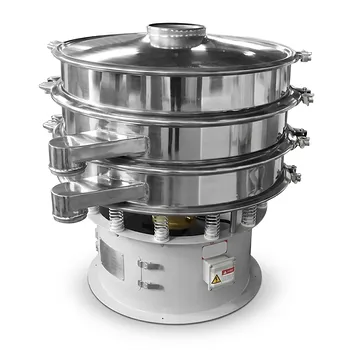
Three Dimensional Rotary Vibrating Sieve
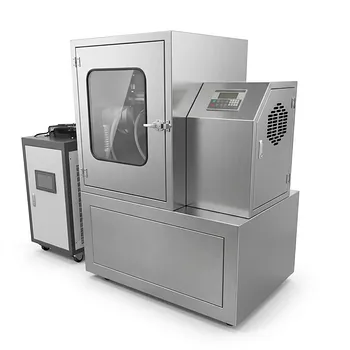
Vibratory Superfine Grinder for Ultra Fine Laboratory Powder Milling
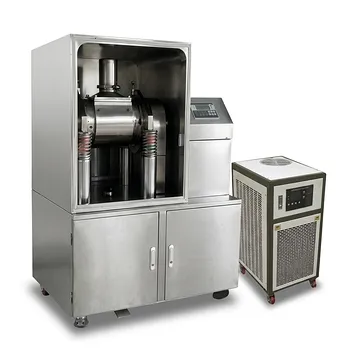
Small Vibrating Ultrafine Grinder for Traditional Chinese Medicine
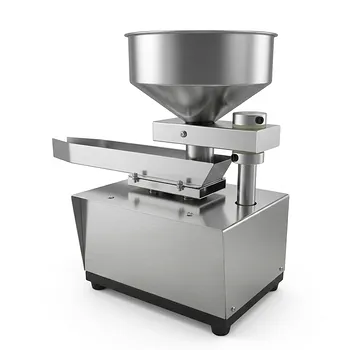
Automatic Vibrating Powder Feeder for Laboratory Material Processing Precision Vibratory Hopper Feeder for Granular and Powder Material Handling Industrial Grade Vibrating Tray Feeder for Consistent Material Sample Preparation