What are the technical requirements for cylindrical dies, punches, and base plates? Key Standards for Precision Molding
Updated 4 months ago
The technical requirements for cylindrical dies, punches, and base plates center on extreme material hardness, high-pressure dimensional stability, and superior surface finishes. To function effectively in pellet molding, these components must be manufactured from hardened steel or carbide capable of withstanding pressures reaching several hundred megapascals without deformation, while maintaining standardized geometric dimensions to ensure test accuracy.
To achieve reliable and repeatable pellet formation, the molding assembly must prioritize material integrity and precision machining. This ensures that the applied force translates directly into material bonding rather than tool deformation or frictional heat.
Material Durability and Structural Integrity
Requirement for Extreme Hardness
Components must be fabricated from hardened steel or high-grade carbides to provide maximum wear resistance. This hardness is essential to withstand the rigors of high-pressure reciprocating pressing, preventing the abrasive nature of many powders from degrading the tool surfaces over time.
Dimensional Stability Under Load
The die assembly acts as a rigid container that must remain perfectly stationary under loads of several hundred megapascals. Any elastic or plastic deformation of the die walls during compression will lead to non-uniform density in the pellet and potential structural failure of the sample.
Resistance to Reciprocating Stress
Because pellet molding often involves repetitive cycles, the steel must possess high fatigue strength. This prevents the initiation of micro-cracks in the punches and base plates, which could otherwise lead to catastrophic failure during high-pressure phases.
Precision and Surface Characteristics
Surface Finish and Friction Reduction
The internal sidewalls of the die and the faces of the punches must feature a highly polished, smooth finish. This minimizes frictional losses during the molding process, ensuring that the force is distributed uniformly throughout the sample rather than being absorbed by the tool walls.
Standardization of Geometric Dimensions
Standardization, such as the use of 20 mm diameter dies, is critical for producing samples with consistent geometric profiles. This consistency is the foundation for reducing experimental errors and ensuring that subsequent mechanical tests reflect the material's inherent properties.
Optimized Tolerance and Fit
The clearance between the punch and the die must be precisely engineered. A fit that is too tight causes excessive friction and wear, while a fit that is too loose allows material "flash" to escape, resulting in pellets with irregular edges and inaccurate mass.
Understanding the Trade-offs and Limitations
Hardness vs. Brittleness
While increasing the hardness of the steel improves wear resistance, it often increases brittleness. Overly hardened punches may be prone to chipping or shattering if they are subjected to non-axial loads or if the material being pressed contains hard, large aggregates.
Cost vs. Longevity
Standard hardened steel is typically sufficient for most laboratory applications and offers a balance of performance and cost. However, for high-volume production or extremely abrasive materials, tungsten carbide may be required; while significantly more expensive, it offers vastly superior wear life.
Maintenance and Cleaning Requirements
High-precision dies require meticulous maintenance to prevent corrosion or material buildup. Even minor oxidation on the hardened steel surfaces can increase friction significantly, leading to "stuck" pellets and distorted test results.
How to Apply This to Your Project
When selecting or specifying your pellet molding equipment, align your technical requirements with the specific goals of your material analysis.
- If your primary focus is high-accuracy mechanical testing (CCS/STS): Prioritize standardized 20 mm hardened steel dies with a mirror-polished finish to ensure uniform force distribution.
- If your primary focus is high-volume sample throughput: Invest in carbide-lined dies which, despite a higher initial cost, maintain dimensional stability over thousands of pressing cycles.
- If your primary focus is cost-effective material screening: Utilize standard hardened tool steel (such as D2 or A2) and ensure a rigorous lubrication and cleaning protocol to extend the life of the components.
The precision of your molding hardware is the single most important factor in ensuring your pelletized samples provide a true reflection of your material's inherent bonding strength.
Summary Table:
| Requirement | Key Specification | Primary Benefit |
|---|---|---|
| Material Hardness | Hardened steel or tungsten carbide | Prevents wear and deformation under high pressure |
| Surface Finish | Mirror-polished, smooth internal walls | Minimizes friction for uniform force distribution |
| Dimensional Stability | Resistant to several hundred MPa | Ensures consistent pellet density and structural integrity |
| Geometric Precision | Standardized diameters (e.g., 20 mm) | Reduces experimental error and ensures repeatability |
| Fit & Tolerance | Precisely engineered clearance | Prevents material "flash" and ensures clean edges |
Elevate Your Sample Preparation Precision
Achieving reliable material analysis starts with high-quality tooling and consistent compaction. At [Company Name], we provide complete laboratory sample preparation solutions tailored for material science.
From initial powder processing—using our jaw crushers, cryogenic grinders, and planetary ball mills—to the final pressing stage, we offer a full spectrum of high-performance equipment. Our range includes:
- Hydraulic Presses: Cold/Warm Isostatic Presses (CIP/WIP), standard lab presses, and XRF pellet presses.
- Advanced Thermal Systems: Vacuum hot presses and standard hot presses.
- Powder Management: Vibratory sieve shakers, powder mixers, and defoaming mixers.
Whether you require standardized hardened steel dies or specialized carbide components, our solutions ensure your pellets reflect the true inherent properties of your materials.
Ready to optimize your lab’s efficiency? Contact our technical experts today to find the perfect equipment for your application!
References
- Marek Wróbel, Adrian Knapczyk. Influence of Raw Material Drying Temperature on the Scots Pine (Pinus sylvestris L.) Biomass Agglomeration Process—A Preliminary Study. DOI: 10.3390/en13071809
Mentioned Products
- 5 Ton Single Punch Tablet Press Laboratory Small Batch Production
- Enhanced 9 Punch Rotary Tablet Press for Powder Compaction
- 6 Ton Variable Frequency Single Punch Tablet Press
- Ordinary Type Rotary Tablet Press for Pharmaceutical Chemical Food Electronic Industries
- 6-Ton Small Single-Punch Tablet Press — Laboratory Powder & Granule Tableting Equipment / Tablet Forming Machine
People Also Ask
- What is the function of a laboratory press in assessing the hydrophobic performance of modified vermiculite fillers?
- What is the core function of a laboratory press in the forming of ceramic filter element green bodies? Maximize Density.
- What is the function of a laboratory press in Cr-Ti alloy evaluation? Quantify Fracture Stress & Strength
- Why is vacuum sealing and flexible packaging necessary for Aluminum Titanate powders during CIP? Ensure Peak Density
- Why is a laboratory hydraulic press required for FT-IR KBr pellets? Achieve Precise Sample Clarity for ZrC–SiC Analysis

Tech Team · PowderPreparation
Last updated on Jun 03, 2026
Related Products
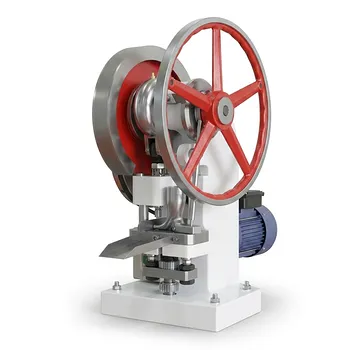
5 Ton Single Punch Tablet Press Laboratory Small Batch Production

Enhanced 9 Punch Rotary Tablet Press for Powder Compaction
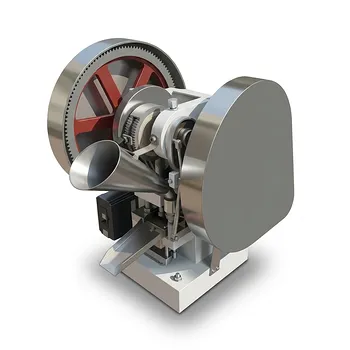
6 Ton Variable Frequency Single Punch Tablet Press
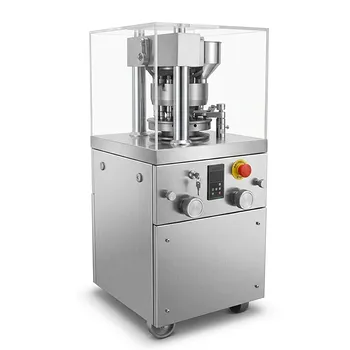
Ordinary Type Rotary Tablet Press for Pharmaceutical Chemical Food Electronic Industries
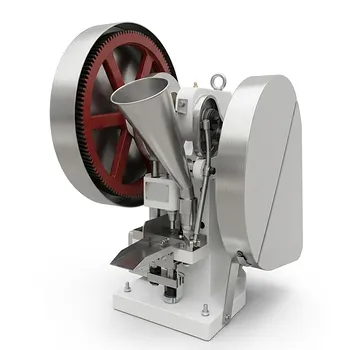
6-Ton Small Single-Punch Tablet Press — Laboratory Powder & Granule Tableting Equipment / Tablet Forming Machine
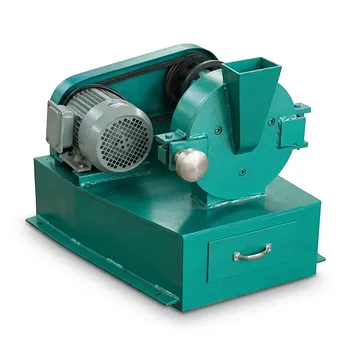
Medium Hardness Material Disc Pulverizer for Coal Ore Sample Preparation
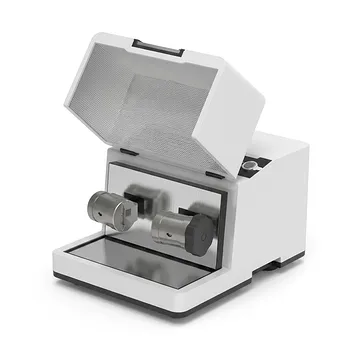
Heating Temperature Controlled High Energy Vibratory Ball Mill
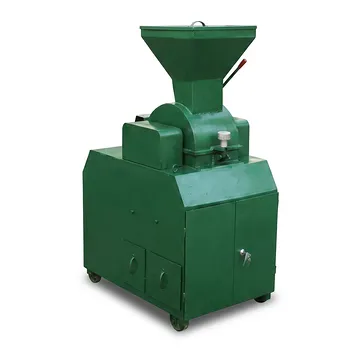
Industrial Sealed Hammer Knife Crusher for Mining Ore and Coal Sample Preparation
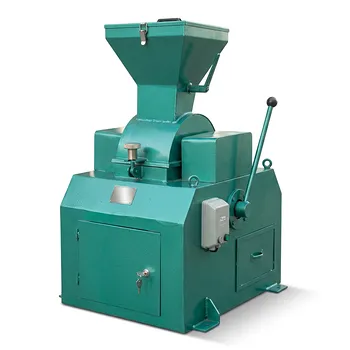
Laboratory Sealed Hammer Blade Crusher Divider for High Hardness Sample Preparation
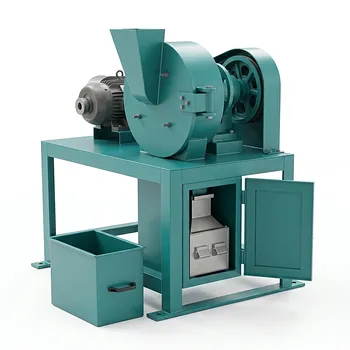
Sealed Disc Pulverizer Customized Model

Automatic Vibrating Powder Feeder for Laboratory Material Processing Precision Vibratory Hopper Feeder for Granular and Powder Material Handling Industrial Grade Vibrating Tray Feeder for Consistent Material Sample Preparation
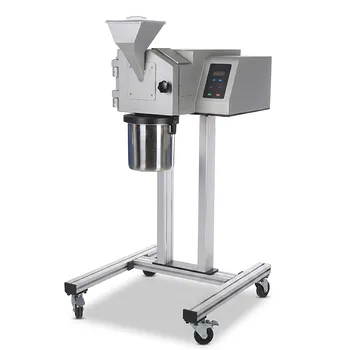
Cross Beater Mill for Brittle Material Grinding and Continuous Fine Crushing Industrial Sample Preparation

Vertical Production Planetary Ball Mill for High Throughput Powder Processing
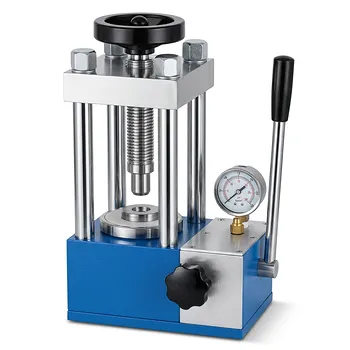
Manual Tablet Press with Dual Scale Pressure Gauge for Pharmaceutical Food Chemical Laboratory Sample Preparation
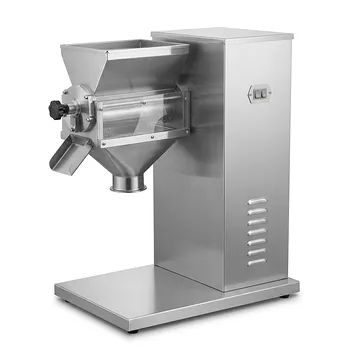
Small Swing Granulator Efficient Powder Granulation for Pharmaceutical Chemical Food Industries
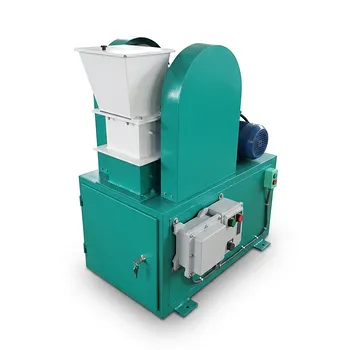
Custom Explosion-Proof Sealed Jaw Crusher for Laboratory and Industrial Sample Preparation
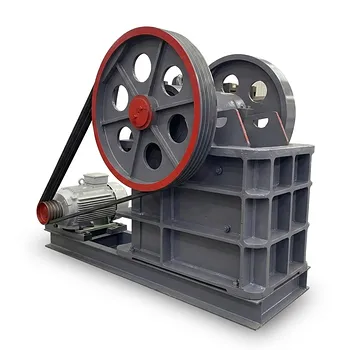
250x400mm Jaw Crusher Medium Crushing Equipment for Mining Mineral Sample Preparation

Sealed Double Roll Crusher for Laboratory Sample Preparation of Medium Hardness Materials
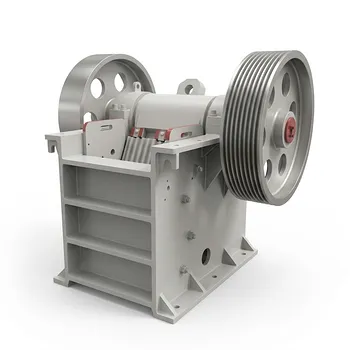
Jaw Crusher with 400x600mm Feed Opening for Primary Rock Crushing in Mining and Construction