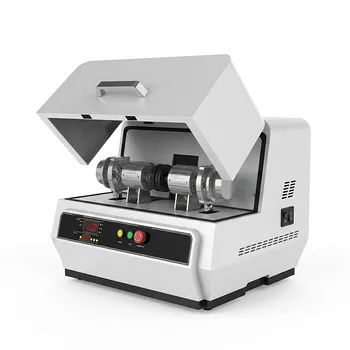
What are the technical considerations for using polyethylene jars as containers in the ball milling process? - Purity Tips
Updated 4 months ago
Polyethylene jars are selected for ball milling primarily due to their superior chemical stability and high wear resistance, which prevent sample contamination. These containers act as a protective barrier against the infiltration of foreign ions and debris that typically flake off from glass or metallic alternatives during high-energy milling sessions.
Core Takeaway: Utilizing polyethylene jars ensures the integrity of sensitive materials, such as (Mg,Co)(Ti,Sn)O3 ceramic powders, by providing a chemically inert and impact-dampening environment that preserves the material's final electrical and mechanical properties.
Maintaining Material Purity and Chemical Stability
Preventing Metal Ion Infiltration
High-density polyethylene (HDPE) jars effectively block the introduction of metal ions, such as iron, into the sample. This is critical because even trace amounts of metallic contaminants can degrade the dielectric performance and high-temperature mechanical properties of specialized ceramics like silicon nitride.
Mitigating Container Wall Spalling
Unlike glass or metal, polyethylene does not easily spall or flake during long-duration milling. This ensures that the final powder remains free from "secondary contamination," which is a prerequisite for maintaining the optical transparency and electrical standards required for precision wireless communication components.
Chemical Inertness across Extended Cycles
Polyethylene maintains its structural integrity even during extended milling cycles, such as 24-hour sessions. Its resistance to chemical reactions ensures that the milling environment remains neutral, preventing the container from participating in the mechanochemical reaction itself.
Mechanical and Physical Dynamics
Impact Dampening and Equipment Longevity
The inherent flexibility of polyethylene walls helps to dampen the impact of the grinding balls. This reduction in vibration and shock not only protects the sample but also extends the operational lifespan of the milling equipment by reducing mechanical stress.
The Influence of Internal Dimensions
The internal geometry of the polyethylene jar defines the reaction space and directly influences the motion trajectory of the grinding balls. These dimensions determine the collision frequency, which dictates the efficiency of the particle size reduction process.
Heat Exchange and Temperature Distribution
The jar material serves as the boundary for heat exchange during the milling process. Because polyethylene has different thermal properties than metal, it influences how local temperature distributions are managed during high-energy collisions.
Understanding the Trade-offs
Temperature Sensitivity
A primary limitation of polyethylene is its low melting point and thermal softening compared to metallic or ceramic jars. If the milling process generates excessive heat, the jar may deform, potentially altering the milling dynamics or leading to structural failure.
Wear Rates vs. Ultra-Hard Materials
While polyethylene is wear-resistant, it may still experience material loss when grinding extremely abrasive or ultra-hard powders. In these specific cases, the wear debris from the polyethylene itself, though often less harmful than metal, must be accounted for in the final material analysis.
Structural Rigidity Constraints
Polyethylene jars are more flexible than steel or alumina, which can lead to lower energy transfer efficiency in certain high-impact milling modes. This flexibility absorbs some of the kinetic energy that would otherwise be directed toward particle fracturing.
How to Apply This to Your Project
Making the Right Choice for Your Goal
To optimize your ball milling process using polyethylene jars, consider your primary performance requirements:
- If your primary focus is electrical or dielectric performance: Use HDPE jars to strictly prevent metal ion contamination that would otherwise bridge conductive paths or alter permittivity.
- If your primary focus is equipment longevity and noise reduction: Leverage the dampening properties of polyethylene to minimize mechanical wear on the mill's drive system and create a quieter laboratory environment.
- If your primary focus is high-purity ceramic synthesis: Ensure the internal dimensions are optimized for your ball-to-powder ratio to maximize collision frequency while maintaining chemical inertness.
Selecting polyethylene as your container material provides a strategic balance between high-purity results and mechanical protection for your sensitive ceramic powders.
Summary Table:
| Feature | Technical Impact | Key Advantage |
|---|---|---|
| Chemical Stability | Prevents metal ion (e.g., Fe) infiltration | Maintains dielectric & mechanical purity |
| Wear Resistance | Minimizes container wall spalling/flaking | Ensures zero secondary contamination |
| Impact Dampening | Absorbs kinetic energy & vibration | Reduces noise & extends equipment life |
| Thermal Limits | Low melting/softening point | Requires monitoring of milling temperature |
| Structural Rigidity | Lower energy transfer efficiency | Ideal for sensitive, non-abrasive powders |
Elevate Your Material Research with Expert Sample Prep Solutions
Achieving high-purity results starts with the right equipment. At our facility, we provide complete laboratory sample preparation solutions tailored for material science professionals. Whether you are dealing with sensitive ceramic powders or ultra-hard alloys, we specialize in high-performance powder processing and compaction equipment.
Our extensive product range includes:
- Advanced Milling: Planetary ball mills, jet mills, disc mills, and liquid nitrogen cryogenic grinders.
- Crushing & Sizing: Jaw/roll crushers and vibratory/air-jet sieve shakers.
- Mixing Excellence: High-efficiency powder mixers and vacuum defoaming mixers.
- Precision Compaction: A full spectrum of hydraulic presses, including Cold/Warm Isostatic Presses (CIP/WIP), vacuum hot presses, and XRF pellet presses.
Don't let contamination or inefficient processing compromise your data. Contact us today to consult with our specialists and find the perfect configuration for your laboratory needs!
References
- Hameed Ullah. Effect of Calcium Titanate Addition on the Phase, Microstructure, and Microwave Dielectric Properties of (Mg0.95Co0.05) (Ti0.95 Sn0.05)O3 Ceramics Calcined at 1200 °C for 5h.. DOI: 10.52783/tjjpt.v46.i01.8873
Mentioned Products
- Heavy Duty Horizontal Planetary Ball Mill for Efficient Industrial Grinding and Sample Preparation
- Vertical Semi Circular Planetary Ball Mill for Laboratory Precision Grinding
- Vertical Square Planetary Ball Mill for Laboratory Sample Preparation and Nanoscale Grinding
- High Energy Planetary Ball Mill for Nano Scale Grinding and Mechanical Alloying
- Vertical Production Planetary Ball Mill for High Throughput Powder Processing
People Also Ask
- Why grind lime-pozzolan specimens for TG/DTA for 3 mins? Master sample prep for high-precision thermal analysis.
- What is the role of a planetary ball mill in the mechanical activation of ZTA powder? Boost Sintering Performance
- What is the function of a planetary ball mill in wollastonite ceramic prep? Achieve Molecular Homogenization & Reactivity
- How does a planetary ball mill contribute to the homogenization of trace elements? Achieve Sub-Micron Uniformity
- What is the function of a high-performance planetary ball mill in AMZ laminates? Master Ceramic Homogenization.

Tech Team · PowderPreparation
Last updated on May 14, 2026
Related Products
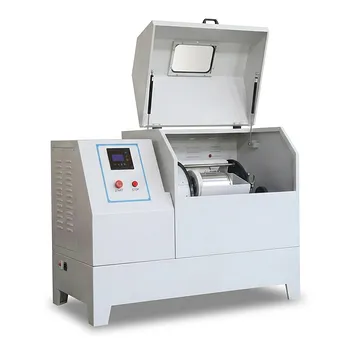
Heavy Duty Horizontal Planetary Ball Mill for Efficient Industrial Grinding and Sample Preparation
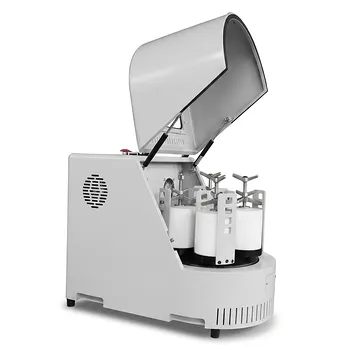
Vertical Semi Circular Planetary Ball Mill for Laboratory Precision Grinding
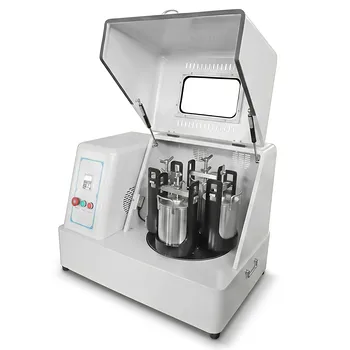
Vertical Square Planetary Ball Mill for Laboratory Sample Preparation and Nanoscale Grinding
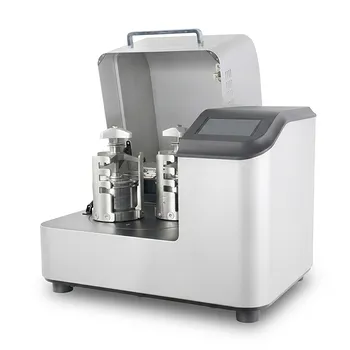
High Energy Planetary Ball Mill for Nano Scale Grinding and Mechanical Alloying
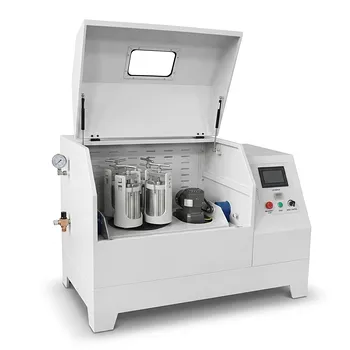
Vertical Production Planetary Ball Mill for High Throughput Powder Processing
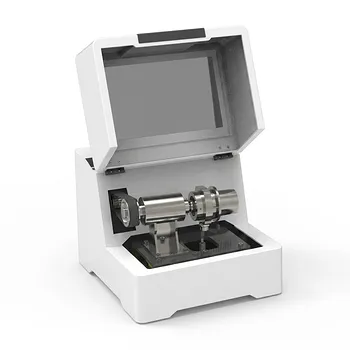
Single Tank High Energy Vibratory Ball Mill for Laboratory Grinding and Mixing
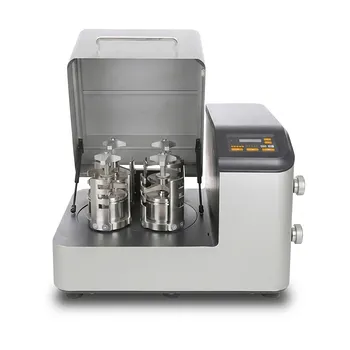
High Energy Planetary Ball Mill for Nano Scale Grinding and Colloidal Mixing in Material Science Research
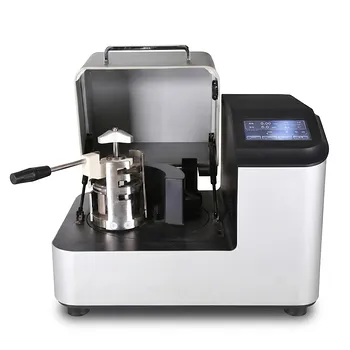
High Energy Laboratory Planetary Ball Mill for Nano Grinding and Material Science Sample Preparation
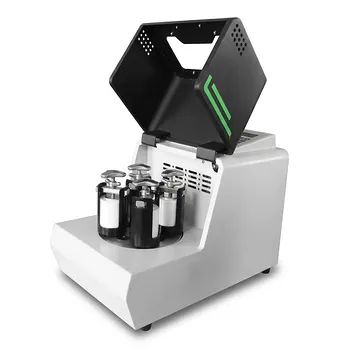
Miniature Planetary Ball Mill with Vacuum Grinding and High Efficiency for Laboratory Sample Preparation
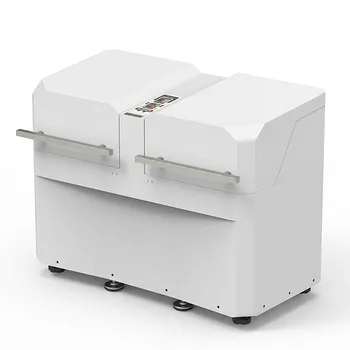
Dual Station Planetary Ball Mill 24L
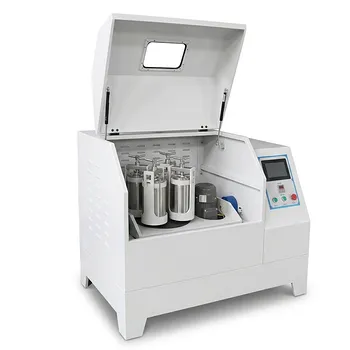
360° Rotating Omnidirectional Laboratory Planetary Ball Mill for Homogeneous Ultra-Fine Grinding and Mixing
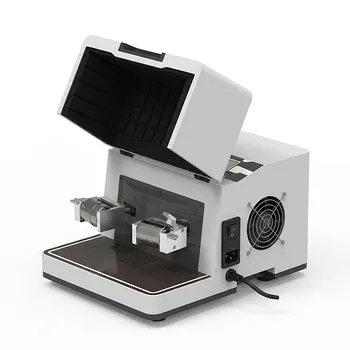
High Energy Hybrid Vibratory Ball Mill for Grinding Mixing and Cell Disruption
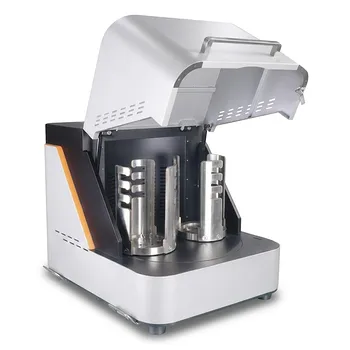
High Energy Laboratory Planetary Ball Mill for Nano Grinding and Colloidal Mixing of Hard and Brittle Materials
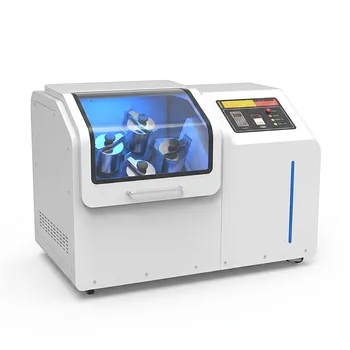
High Energy Omnidirectional Planetary Ball Mill 16L
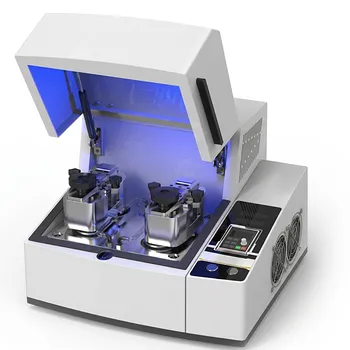
Laboratory Nano High Energy Ball Mill Ultrafine Grinding Mechanical Alloying
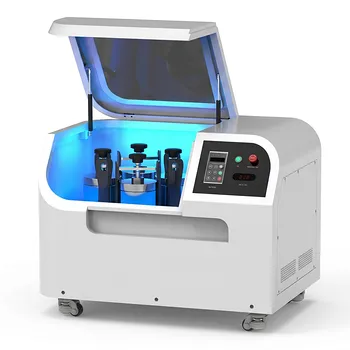
Planetary Ball Mill 12L
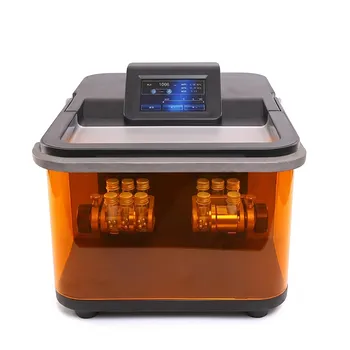
High Throughput Micro Ball Mill for Cryogenic Grinding and Laboratory Cell Disruption
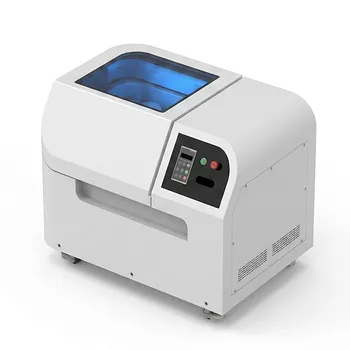
8L Planetary Ball Mill for Laboratory Grinding and Sample Preparation
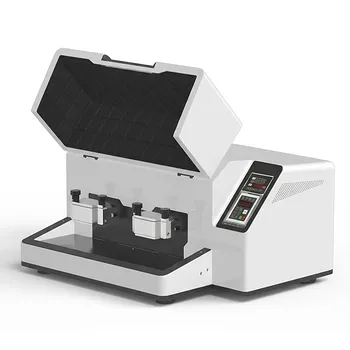
Nanoscale High-Energy Vibratory Ball Mill for Laboratory Sample Preparation, Mechanochemistry, and Mechanical Alloying