What are the technical benefits of using acetone as a grinding medium during the planetary ball milling of pyrrhotite?
Updated 4 months ago
Acetone is a critical thermal and chemical stabilizer in the planetary ball milling of pyrrhotite. Using it as a liquid medium (wet milling) primarily suppresses localized high temperatures to prevent unwanted oxidation and the formation of secondary phases like pyrite or magnetite. Simultaneously, it acts as a surfactant to reduce surface energy, eliminating particle agglomeration and enabling the production of stable, sub-micron powders.
Core Takeaway: Acetone transforms high-energy milling from a destructive process into a controlled refinement technique. It preserves the chemical integrity of pyrrhotite by mitigating heat while facilitating a more uniform, ultra-fine particle distribution through reduced surface tension.
Thermal and Chemical Stabilization
Suppressing Localized Heat Generation
The intense centrifugal and shear forces in a planetary ball mill generate significant friction and impact energy. Acetone acts as a heat sink, absorbing and dissipating this energy to prevent localized "hot spots" within the grinding jar.
Preventing Oxidation and Phase Changes
Without a cooling medium, the heat generated during dry milling often triggers oxidation in pyrrhotite. Using acetone inhibits the formation of secondary phases such as magnetite or pyrite, ensuring the final powder retains its original chemical characteristics.
Maintaining Chemical Purity
By providing a protective liquid environment, acetone creates a barrier against atmospheric oxygen during the milling cycle. This is essential for researchers and engineers who require high-purity pyrrhotite for sensitive downstream applications or analytical procedures.
Enhancing Physical Morphology and Efficiency
Modification of Surface Energy
As particles reach sub-micron levels, their surface energy increases, causing them to clump together or stick to the mill walls. Acetone alters the surface energy states, acting as a grinding aid that keeps individual particles separated and mobile.
Achieving Sub-Micron Precision
Wet milling with acetone facilitates the achievement of particle sizes below 1 micron, a threshold difficult to reach with dry milling alone. The liquid medium ensures that the impact energy is efficiently transferred to the particles, leading to more effective fragmentation.
Eliminating Particle Agglomeration
Acetone prevents the "cold welding" of fine particles back into larger clusters. This results in a uniform and stable powder morphology, providing a consistent surface area that is critical for subsequent reactions or coating processes.
Operational Advantages and Post-Processing
Rapid and Residue-Free Removal
One of acetone's greatest technical strengths is its low boiling point. Once the milling process is complete, the medium can be evaporated quickly through standard drying, leaving behind a dry, uncontaminated powder.
Facilitating Uniform Dispersion
The use of a liquid medium ensures that the pyrrhotite particles are distributed evenly throughout the grinding chamber. This promotes molecular-level uniformity, which is particularly beneficial when mixing pyrrhotite with other additives or catalysts.
Understanding the Trade-offs
Flammability and Safety Risks
Acetone is highly volatile and flammable, requiring strict adherence to safety protocols when used in high-energy equipment. Static discharge or excessive heat within the mill can pose a combustion risk if the grinding jars are not properly sealed or rated for solvents.
Pressure Accumulation
The low boiling point of acetone means that as temperatures rise—even slightly—internal pressure within the grinding jar increases. Operators must use pressure-rated jars and monitor the milling duration to prevent seal failure or explosive decompression.
Potential for Organic Contamination
While acetone generally evaporates without a trace, technical-grade solvents may contain impurities that remain on the powder surface. For high-precision applications, using HPLC-grade or high-purity acetone is necessary to avoid introducing unwanted organic residues.
Making the Right Choice for Your Goal
How to Apply This to Your Project
The decision to use acetone depends on your specific requirements for particle size, phase purity, and safety infrastructure.
- If your primary focus is phase purity: Utilize acetone specifically to suppress thermal oxidation and prevent the transition of pyrrhotite into magnetite or pyrite.
- If your primary focus is ultra-fine particle size: Leverage acetone's ability to reduce surface energy to reach sub-micron levels (0.4 ± 0.3 µm) without the risk of agglomeration.
- If your primary focus is rapid turnaround: Take advantage of acetone's high volatility for quick post-milling drying and immediate transition to the next process step.
By integrating acetone into your milling workflow, you achieve a level of chemical and physical control that dry milling cannot provide.
Summary Table:
| Technical Benefit | Impact on Pyrrhotite Processing | Key Mechanism |
|---|---|---|
| Thermal Stabilization | Prevents unwanted oxidation and phase changes | Acts as a heat sink to dissipate localized friction heat. |
| Agglomeration Control | Maintains uniform, free-flowing sub-micron powder | Reduces surface energy to prevent particle "cold welding." |
| Size Reduction | Enables precision grinding to < 1 micron levels | Facilitates efficient energy transfer during high-energy impacts. |
| Ease of Removal | Ensures residue-free, uncontaminated final product | Low boiling point allows for rapid, complete evaporation. |
| Chemical Protection | Preserves high purity of the material | Provides a liquid barrier against atmospheric oxygen. |
Master Your Powder Processing with Precision Laboratory Solutions
Achieving sub-micron precision and maintaining chemical purity in materials like pyrrhotite requires more than just the right solvent—it requires professional-grade equipment. At [Company Name], we provide complete laboratory sample preparation solutions tailored for material science and advanced powder processing.
Our extensive product line is designed to handle the most demanding milling and compaction workflows:
- Advanced Milling: Planetary ball mills, jet mills, and liquid nitrogen cryogenic grinders for ultra-fine particle sizes.
- Sample Preparation: High-performance crushers, sieve shakers (vibratory/air-jet), and powder/defoaming mixers.
- Material Compaction: A full spectrum of hydraulic presses, including Cold/Warm Isostatic Presses (CIP/WIP), hot presses, and vacuum hot presses for superior density.
Whether you are a researcher aiming for phase purity or a distributor seeking reliable OEM/ODM support and certified equipment, we are here to help you optimize your results.
Ready to elevate your lab's efficiency? Contact us today to discuss your project needs!
References
- К. А. Кох. Contribution of Planetary Ball Milling to the Homogeneity of Pyrrhotite Reference Material for LA-ICP-MS. DOI: 10.46770/as.2025.145
Mentioned Products
- Vertical Semi Circular Planetary Ball Mill for Laboratory Precision Grinding
- High Energy Planetary Ball Mill for Nano Scale Grinding and Mechanical Alloying
- Vertical Production Planetary Ball Mill for High Throughput Powder Processing
- Heavy Duty Horizontal Planetary Ball Mill for Efficient Industrial Grinding and Sample Preparation
- 360° Rotating Omnidirectional Laboratory Planetary Ball Mill for Homogeneous Ultra-Fine Grinding and Mixing
People Also Ask
- What role does a planetary ball mill play in the synthesis of Li6PS5Cl (LPSCl)? Unlock High Ionic Conductivity
- Why is a planetary ball mill essential for SiBCN-rGO wet-spinning? Achieve Superior Dispersion and Spinnability
- Why is an intermittent grinding process required for perovskites in a planetary ball mill? Ensure Stability & Purity
- Why is a planetary ball mill required for PET micronization? Ensure Accurate Chemical Analysis of Reprocessed PET
- How does mechanized planetary ball milling compare to manual agate grinding? Optimize sulfide standard material precision.

Tech Team · PowderPreparation
Last updated on Jun 03, 2026
Related Products
Vertical Semi Circular Planetary Ball Mill for Laboratory Precision Grinding
High Energy Planetary Ball Mill for Nano Scale Grinding and Mechanical Alloying
Vertical Production Planetary Ball Mill for High Throughput Powder Processing
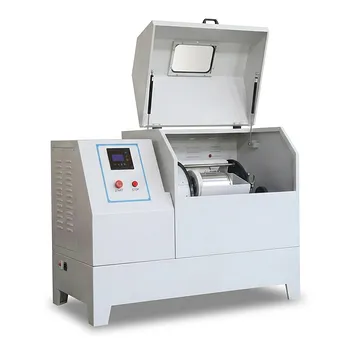
Heavy Duty Horizontal Planetary Ball Mill for Efficient Industrial Grinding and Sample Preparation
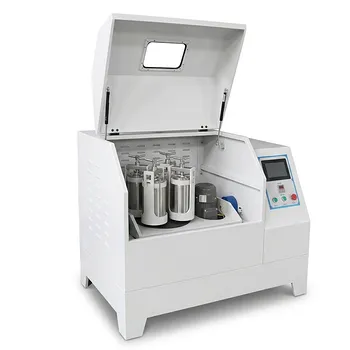
360° Rotating Omnidirectional Laboratory Planetary Ball Mill for Homogeneous Ultra-Fine Grinding and Mixing
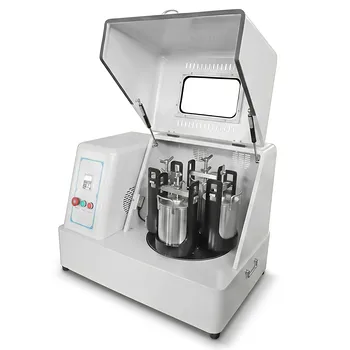
Vertical Square Planetary Ball Mill for Laboratory Sample Preparation and Nanoscale Grinding
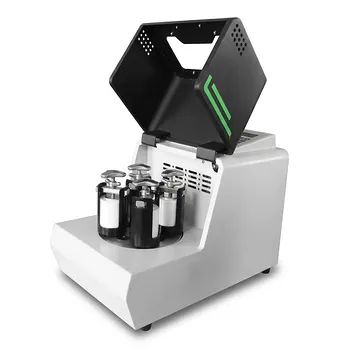
Miniature Planetary Ball Mill with Vacuum Grinding and High Efficiency for Laboratory Sample Preparation
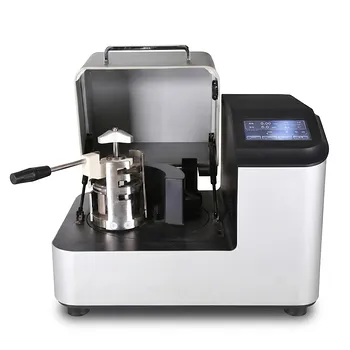
High Energy Laboratory Planetary Ball Mill for Nano Grinding and Material Science Sample Preparation
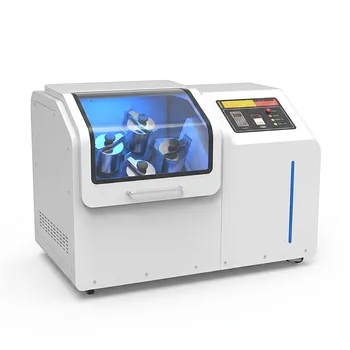
High Energy Omnidirectional Planetary Ball Mill 16L
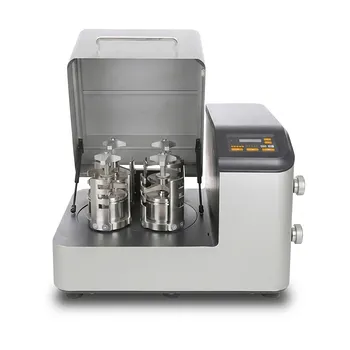
High Energy Planetary Ball Mill for Nano Scale Grinding and Colloidal Mixing in Material Science Research
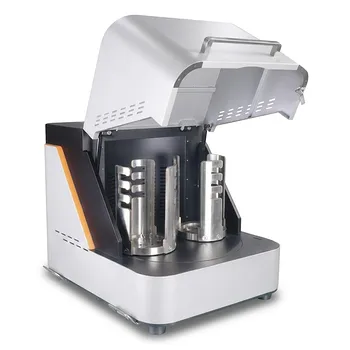
High Energy Laboratory Planetary Ball Mill for Nano Grinding and Colloidal Mixing of Hard and Brittle Materials
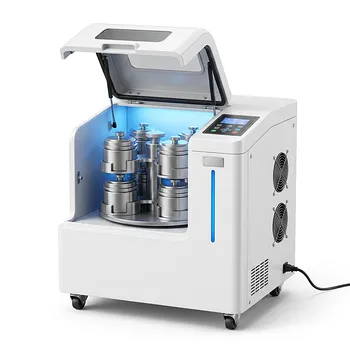
High Energy Omnidirectional Planetary Ball Mill 20L
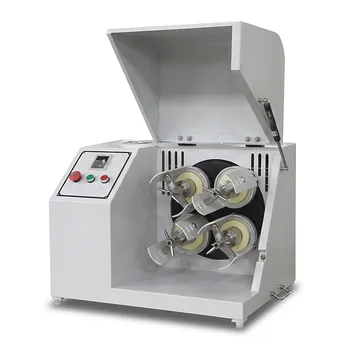
Horizontal Light Duty Planetary Ball Mill for Laboratory Sample Preparation
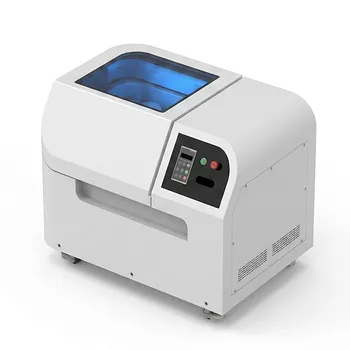
8L Planetary Ball Mill for Laboratory Grinding and Sample Preparation
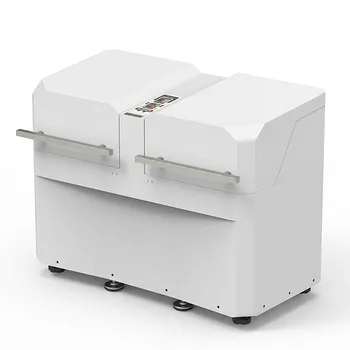
Dual Station Planetary Ball Mill 24L
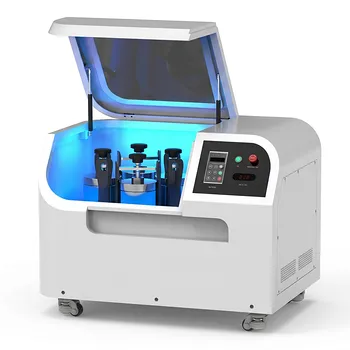
Planetary Ball Mill 12L

Nano High Energy Vibratory Ball Mill for Laboratory Sample Preparation
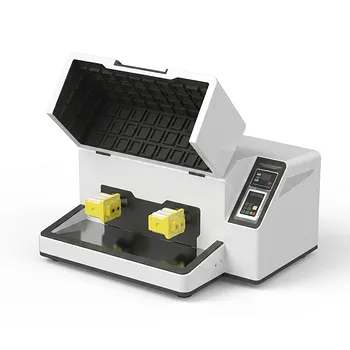
Multi-Platform Nanoscale High-Energy Vibratory Ball Mill
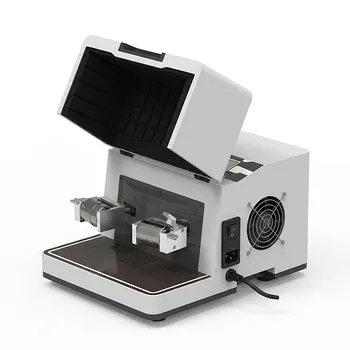
High Energy Hybrid Vibratory Ball Mill for Grinding Mixing and Cell Disruption