What are the technical benefits of a bottom discharge port design in horizontal screw mixers? Maximize Batch Efficiency
Updated 5 months ago
The bottom discharge port design is a fundamental engineering choice that optimizes the evacuation phase of material processing. By positioning the outlet at the lowest point of the mixing vessel, this design utilizes gravity to ensure rapid, complete emptying, which directly reduces downtime between batches. This configuration is essential for high-throughput operations where material purity and cycle time are critical performance indicators.
Core Takeaway: A bottom discharge port minimizes material "dead zones," leveraging gravity and mechanical screw assistance to ensure total batch evacuation and eliminate cross-contamination risks.
Accelerating Throughput with Gravity-Assisted Discharge
Leveraging Natural Forces
The primary technical advantage of a bottom-mounted port is the immediate application of gravity. Unlike side-discharge systems that may require significant mechanical effort to push material uphill or outward, gravity facilitates a natural flow that accelerates the unloading process.
Synergy with Reverse Screw Rotation
The efficiency of the bottom port is significantly enhanced when paired with the reverse rotation of the bottom screw. This mechanical action actively drives the material toward the center or end-mounted discharge point, effectively clearing the chamber in a fraction of the time required by passive systems.
Reducing Cycle Intervals
By shortening the unloading phase, the bottom discharge design increases the overall operational efficiency of the mixer. This allows facilities to process more batches per shift without increasing the mechanical stress on the equipment or the energy consumption of the motor.
Ensuring Batch Integrity and Quality Control
Minimizing Material Residue
The central challenge in horizontal mixing is the accumulation of "heels" or residual material. A bottom discharge port, especially one designed with a flush-fitting valve, ensures that material residue is kept to an absolute minimum, maintaining the precise formulation of every batch.
Preventing Cross-Contamination
In industries with strict hygiene or chemical purity standards, preventing cross-contamination is a non-negotiable requirement. The complete evacuation enabled by a bottom port ensures that remnants from a previous batch do not compromise the integrity of the subsequent run.
Facilitating Clean-in-Place (CIP) Processes
Because the discharge is at the lowest point, any cleaning agents or rinse fluids used during maintenance will naturally drain toward the port. This makes the cleaning process more effective and ensures that no liquid pockets remain to harbor bacteria or degrade future materials.
Understanding Technical Trade-offs
Clearances and Facility Height
One significant consideration is the vertical space required for the discharge valve and the receiving equipment. Bottom discharge mixers often necessitate a higher mezzanine or a specialized pit to accommodate conveyors or bulk bags beneath the unit.
Seal and Valve Maintenance
The discharge valve at the bottom of the vessel is under constant pressure from the weight of the material. This requires robust sealing mechanisms and regular maintenance to prevent leaks, particularly when handling fine powders or low-viscosity materials.
Maximizing Operational Efficiency with Bottom Discharge
When selecting a discharge configuration, your choice should align with your specific material characteristics and production volume requirements.
- If your primary focus is batch purity: Use a bottom discharge port to ensure 99.9% evacuation and eliminate the risk of leftover material contaminating your next product run.
- If your primary focus is maximum throughput: Pair the bottom discharge with a reversible screw drive to minimize unloading time and increase the number of cycles per hour.
- If your primary focus is facility footprint: Carefully evaluate the vertical height requirements of bottom-mounted valves to ensure they integrate seamlessly with your existing material handling infrastructure.
By prioritizing gravity-assisted evacuation, you transform the discharge phase from a bottleneck into a streamlined component of your production logic.
Summary Table:
| Feature | Technical Benefit | Impact on Production |
|---|---|---|
| Gravity-Assisted Flow | Rapid and natural material unloading | Reduced downtime and increased throughput |
| Minimal "Dead Zones" | Elimination of residual material "heels" | Guaranteed batch integrity and purity |
| Reverse Screw Synergy | Active mechanical driving of material | Faster cycle intervals and lower motor stress |
| Low-Point Drainage | Natural flow of cleaning agents (CIP) | Simplified maintenance and hygiene compliance |
| Flush-Fitting Valves | Precision sealing at the lowest point | Prevention of leaks and cross-contamination |
Optimize Your Powder Processing with Expert Engineering
Achieving 100% batch purity and rapid throughput requires equipment designed for precision. We provide complete laboratory sample preparation solutions for material science, specializing in high-performance powder processing and compaction equipment.
Whether you need specialized powder mixers and defoaming mixers or are looking for a full suite of preparation tools—including crushers, cryogenic grinders, planetary ball mills, and sieve shakers—our equipment is engineered to eliminate bottlenecks. We also manufacture a full spectrum of hydraulic presses, from Cold/Warm Isostatic Presses (CIP/WIP) to XRF pellet presses and vacuum hot presses, tailored to your specific material requirements.
Ready to eliminate dead zones and streamline your workflow? Contact our technical experts today to discuss how our solutions can enhance your lab's efficiency and product quality.
References
- Алматинский технологический университет, г. Алматы, Республика Казахстан. EXPERIMENTAL SUBSTANTIATION OF THE OPTIMAL VALUES OF THE ANGLE OF INCLINATION AND ROTATION FREQUENCY OF THE SCREWS OF A HORIZONTAL SCREW MIXER. DOI: 10.55956/yket2568
Mentioned Products
- Horizontal Trough Mixer for Uniform Powder and Paste Blending
- Horizontal Ribbon Mixer for Uniform Powder and Slurry Mixing
- Horizontal Ribbon Mixer for Dry Powder and Slurry Blending
- 非介入式材料均质机真空脱泡行星搅拌高粘度混合设备
- Horizontal Jaw Crusher Medium Hard Material Crushing Laboratory Sample Preparation Equipment
People Also Ask
- How does the fill level of a horizontal mixer influence the selection of the stirring mechanism? Optimize Your Design
- What is the technical significance of radial clearance in horizontal mixers? Boost Homogeneity & Reduce Dead Zones.
- What is the role of a powder mixer in SiC mechanical seal ring production? Ensure Homogeneity and Structural Integrity
- What is the importance of using a high-efficiency powder mixer when preparing sand and soil mixtures? Accurate Results.
- Why is it necessary to consider the influence of static walls in powder mixing experiment design? Optimize Uniformity.

Tech Team · PowderPreparation
Last updated on May 14, 2026
Related Products
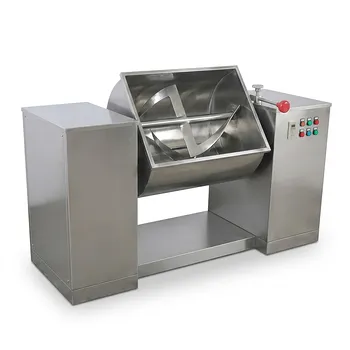
Horizontal Trough Mixer for Uniform Powder and Paste Blending
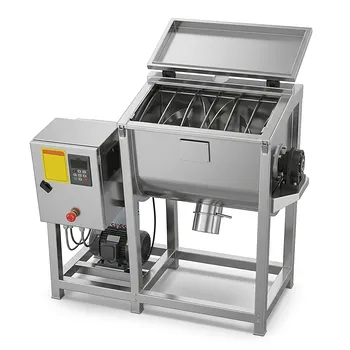
Horizontal Ribbon Mixer for Uniform Powder and Slurry Mixing
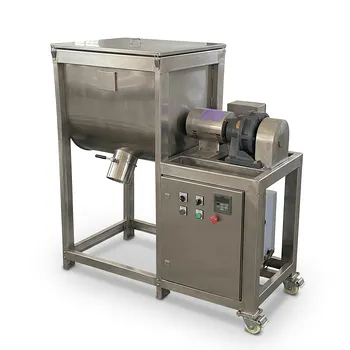
Horizontal Ribbon Mixer for Dry Powder and Slurry Blending
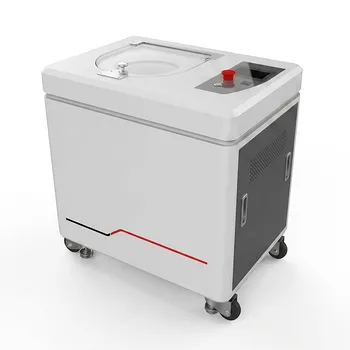
非介入式材料均质机真空脱泡行星搅拌高粘度混合设备
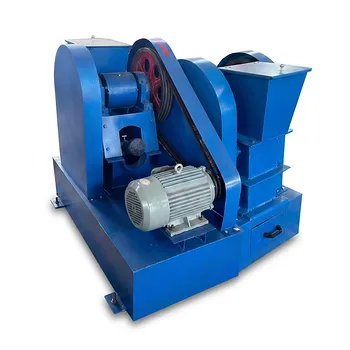
Horizontal Jaw Crusher Medium Hard Material Crushing Laboratory Sample Preparation Equipment
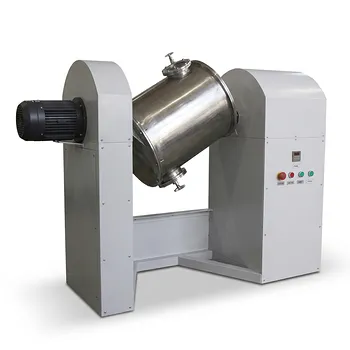
Inclined Mixer for Homogeneous Powder Blending and Grinding
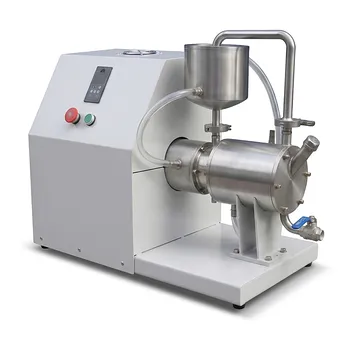
Laboratory Small Horizontal Sand Mill for Nano Materials Wet Grinding
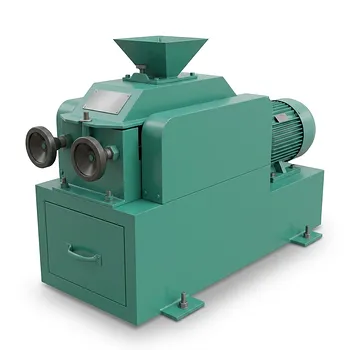
Horizontal Double Roll Crusher for Medium Fine Crushing of Coal Limestone and Ores
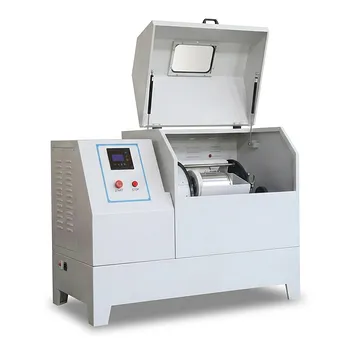
Heavy Duty Horizontal Planetary Ball Mill for Efficient Industrial Grinding and Sample Preparation
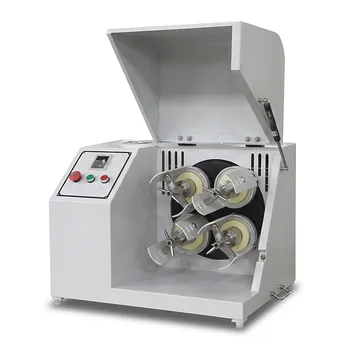
Horizontal Light Duty Planetary Ball Mill for Laboratory Sample Preparation
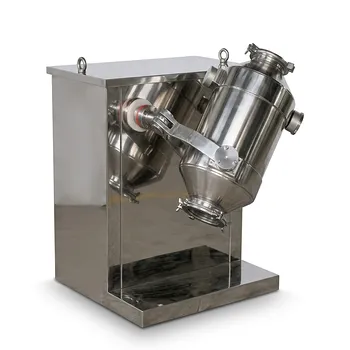
Three-Dimensional Motion Mixer for Laboratory Powder and Granule Blending
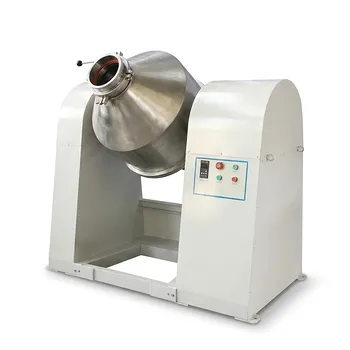
Industrial Double Cone Mixer for Powder Blending and Homogeneous Mixing
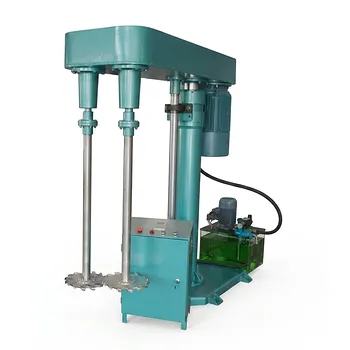
Hydraulic Double Shaft Disperser for High Viscosity Liquid Mixing and Dispersion
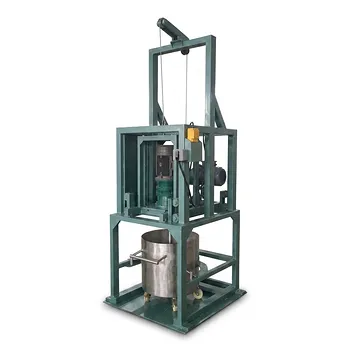
High-Speed Simple Disperser for Efficient Mixing, Dispersion, and Emulsification
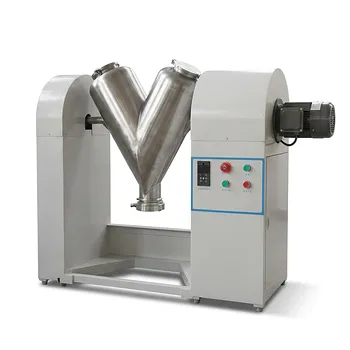
V-Type Powder Mixer for Uniform Blending of Dry Powders and Granules
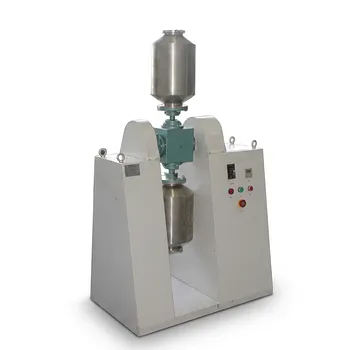
Multi Dimensional Universal Mixer for High Uniformity Powder Blending
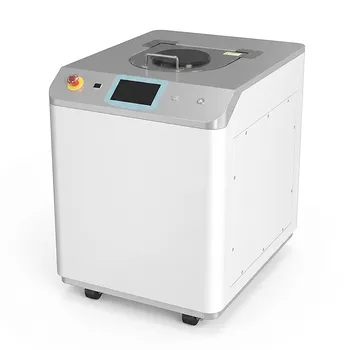
Industrial Planetary Centrifugal Vacuum Defoaming Mixer for High Viscosity Paste and Advanced Material Science
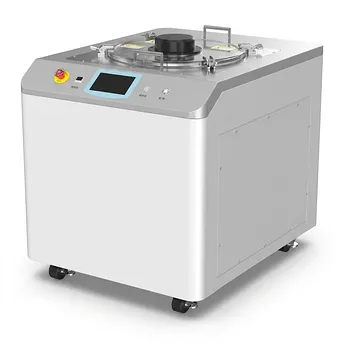
Industrial Planetary Centrifugal Vacuum Defoaming Mixer for High Viscosity Paste and Powder Homogenization
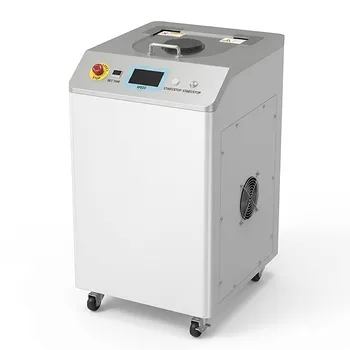
High Viscosity Planetary Centrifugal Vacuum Mixer for Material Defoaming and Uniform Mixing