How does adjusting the tilt angle of the top screws affect the horizontal screw mixing process? Optimize Efficiency
Updated 5 months ago
Adjusting the tilt angle of the top screws transforms the material flow trajectory within a horizontal screw mixer. By modifying this angle, you directly influence how material falls and diffuses, effectively eliminating stagnation zones and preventing material build-up on the chamber walls. This adjustment is a critical lever for achieving high distribution uniformity while simultaneously reducing operational energy costs.
The tilt angle of top screws serves as a primary control mechanism for optimizing material fallback paths and preventing stagnation. Properly calibrated angles—often around 8 degrees—ensure a continuous, uniform flow that eliminates clumping and maximizes energy efficiency.
Optimizing Material Flow Dynamics
Enhancing Diffusion and Fallback Paths
The tilt angle determines the specific path material takes as it is lifted and released by the top screws. By optimizing this fallback trajectory, you ensure that material is redistributed across the mixing bed rather than simply dropping back into the same location.
This controlled diffusion allows for a more chaotic and thorough interaction between particles. It effectively turns a linear movement into a multi-dimensional mixing process.
Eliminating Stagnation Zones
One of the primary challenges in horizontal mixing is the formation of stagnation zones, where material remains stationary and unmixed. Adjusting the tilt angle disrupts these dead zones by forcing material movement in the upper sections of the chamber.
Active flow in these regions ensures that the entire batch is consistently engaged. This prevents the "dead spots" that often lead to inconsistent final product quality.
Impact on Material Integrity and Energy
Preventing Bridging and Clumping
When the tilt angle is poorly calibrated, material can accumulate and stick to the shell of the mixer, a phenomenon known as bridging. This clumping restricts flow and can lead to batch contamination or mechanical strain.
A precise tilt angle ensures that material is constantly "scoured" or moved away from the shell. This keeps the internal surfaces clean and the material flowing freely.
Maximizing Energy Efficiency
Research indicates that a specific tilt angle, such as 8 degrees, can significantly reduce the torque required to move the material. When flow is optimized and stagnation is removed, the motor does not have to fight against "stuck" material.
This reduction in mechanical resistance translates directly into lower energy consumption. Efficient flow dynamics allow the mixer to achieve the desired homogeneity in a shorter timeframe with less power.
Understanding the Trade-offs
The Risk of Excessive Tilt
While increasing the angle can improve flow, an excessive tilt may lead to material short-circuiting. In this scenario, material might move too quickly toward the discharge end before it has been sufficiently blended with other components.
Mechanical Complexity and Wear
Changing tilt angles can sometimes increase the complexity of the drive system or lead to uneven wear patterns on the screw flights. It is essential to balance the flow benefits with the long-term maintenance requirements of the hardware.
How to Apply This to Your Mixing Process
Selecting the right tilt angle depends on your specific material properties and production goals. Use the following guidelines to inform your adjustments:
- If your primary focus is Maximum Distribution Uniformity: Set the tilt angle to approximately 8 degrees to optimize the diffusion paths and ensure consistent particle dispersion.
- If your primary focus is Energy Conservation: Focus on eliminating stagnation zones through incremental angle adjustments until the motor's power draw stabilizes at its lowest point.
- If your primary focus is Preventing Clumping or Bridging: Increase the tilt angle to ensure material fallback occurs away from the chamber walls, keeping the shell clear of sticky deposits.
By masterfully calibrating the tilt angle of your top screws, you transition from simple agitation to a highly efficient, precision-controlled mixing environment.
Summary Table:
| Adjustment Goal | Recommended Action | Impact on Mixing Performance |
|---|---|---|
| Distribution Uniformity | Set angle to ~8 degrees | Optimizes diffusion and chaotic particle interaction. |
| Energy Conservation | Incremental calibration | Reduces torque and motor power draw by removing resistance. |
| Anti-Clumping/Bridging | Increase tilt angle | Forces material fallback away from shell walls to keep them clean. |
| Stagnation Removal | Disrupt dead zones | Ensures continuous flow in the upper chamber sections. |
Elevate Your Material Preparation with Precision Engineering
Achieving perfect homogeneity requires more than just agitation—it demands the right equipment calibrated for your specific material needs. At [Company Name], we provide complete laboratory sample preparation solutions for material science, specializing in high-performance powder processing and compaction equipment.
Our extensive product line is designed to streamline your workflow:
- Advanced Mixing: Powder mixers and defoaming mixers for maximum distribution uniformity.
- Precision Milling: Planetary ball mills, jet mills, and cryogenic grinders for fine particle control.
- Material Compaction: A full spectrum of hydraulic presses, including Cold/Warm Isostatic Presses (CIP/WIP), vacuum hot presses, and XRF pellet presses.
- Sizing & Processing: Jaw/roll crushers and vibratory/air-jet sieve shakers.
Ready to optimize your mixing efficiency and reduce operational costs? Our experts are here to help you select the ideal configuration for your research or production goals.
Contact Us Today to Find Your Solution
References
- Алматинский технологический университет, г. Алматы, Республика Казахстан. EXPERIMENTAL SUBSTANTIATION OF THE OPTIMAL VALUES OF THE ANGLE OF INCLINATION AND ROTATION FREQUENCY OF THE SCREWS OF A HORIZONTAL SCREW MIXER. DOI: 10.55956/yket2568
Mentioned Products
- Horizontal Trough Mixer for Uniform Powder and Paste Blending
- Horizontal Ribbon Mixer for Uniform Powder and Slurry Mixing
- Horizontal Ribbon Mixer for Dry Powder and Slurry Blending
- 非介入式材料均质机真空脱泡行星搅拌高粘度混合设备
- Horizontal Jaw Crusher Medium Hard Material Crushing Laboratory Sample Preparation Equipment
People Also Ask
- How does the fill level of a horizontal mixer influence the selection of the stirring mechanism? Optimize Your Design
- What is the technical significance of radial clearance in horizontal mixers? Boost Homogeneity & Reduce Dead Zones.
- What is the role of a powder mixer in SiC mechanical seal ring production? Ensure Homogeneity and Structural Integrity
- What is the importance of using a high-efficiency powder mixer when preparing sand and soil mixtures? Accurate Results.
- Why is it necessary to consider the influence of static walls in powder mixing experiment design? Optimize Uniformity.

Tech Team · PowderPreparation
Last updated on May 14, 2026
Related Products
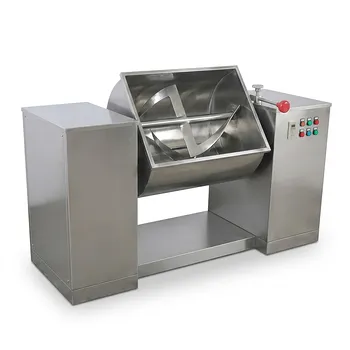
Horizontal Trough Mixer for Uniform Powder and Paste Blending
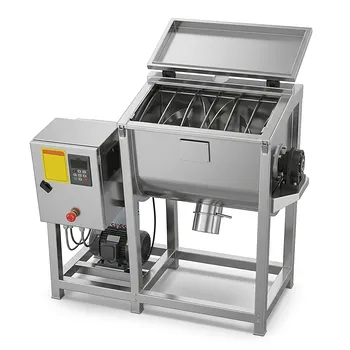
Horizontal Ribbon Mixer for Uniform Powder and Slurry Mixing
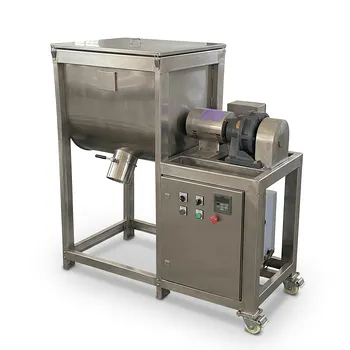
Horizontal Ribbon Mixer for Dry Powder and Slurry Blending
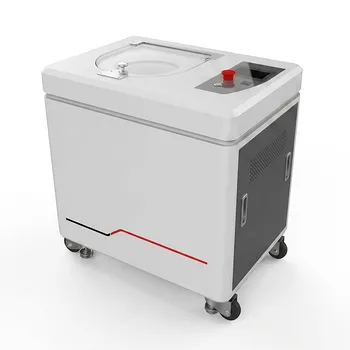
非介入式材料均质机真空脱泡行星搅拌高粘度混合设备
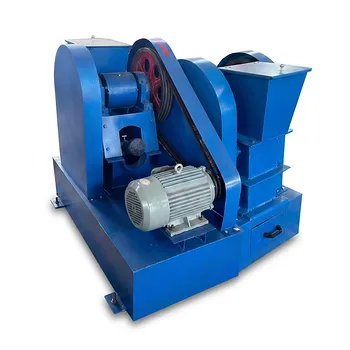
Horizontal Jaw Crusher Medium Hard Material Crushing Laboratory Sample Preparation Equipment
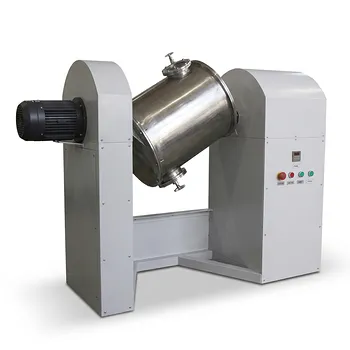
Inclined Mixer for Homogeneous Powder Blending and Grinding
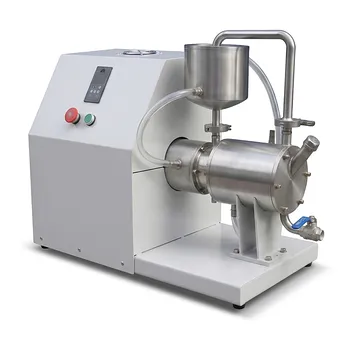
Laboratory Small Horizontal Sand Mill for Nano Materials Wet Grinding
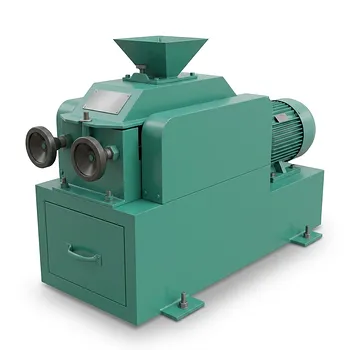
Horizontal Double Roll Crusher for Medium Fine Crushing of Coal Limestone and Ores

Heavy Duty Horizontal Planetary Ball Mill for Efficient Industrial Grinding and Sample Preparation
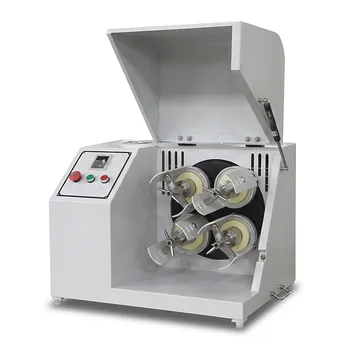
Horizontal Light Duty Planetary Ball Mill for Laboratory Sample Preparation
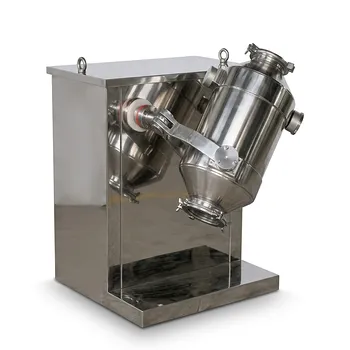
Three-Dimensional Motion Mixer for Laboratory Powder and Granule Blending
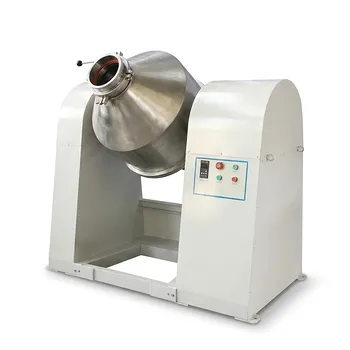
Industrial Double Cone Mixer for Powder Blending and Homogeneous Mixing
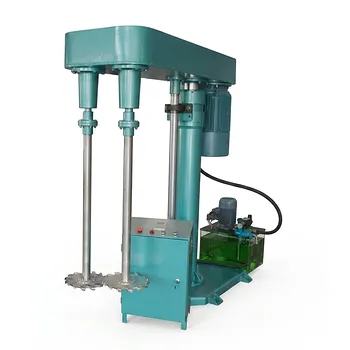
Hydraulic Double Shaft Disperser for High Viscosity Liquid Mixing and Dispersion
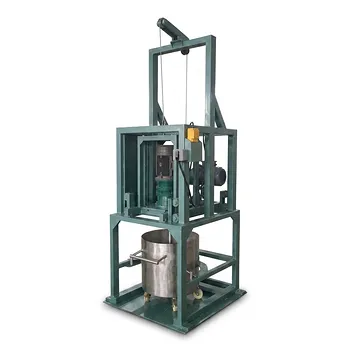
High-Speed Simple Disperser for Efficient Mixing, Dispersion, and Emulsification
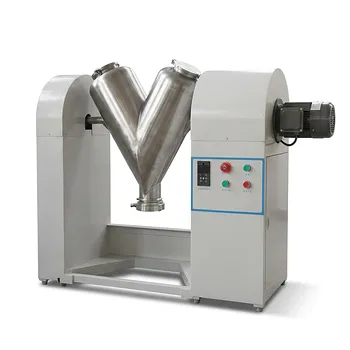
V-Type Powder Mixer for Uniform Blending of Dry Powders and Granules
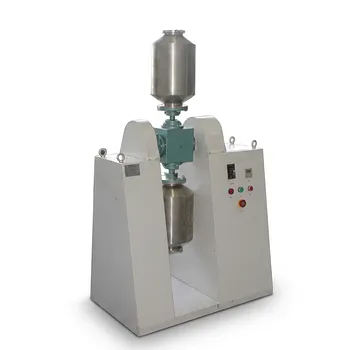
Multi Dimensional Universal Mixer for High Uniformity Powder Blending
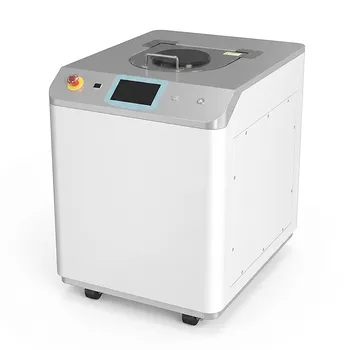
Industrial Planetary Centrifugal Vacuum Defoaming Mixer for High Viscosity Paste and Advanced Material Science
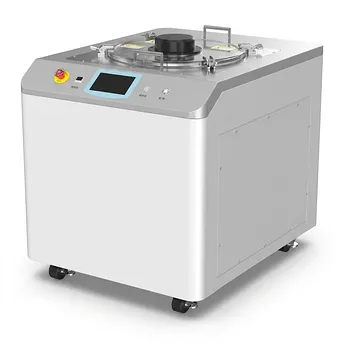
Industrial Planetary Centrifugal Vacuum Defoaming Mixer for High Viscosity Paste and Powder Homogenization
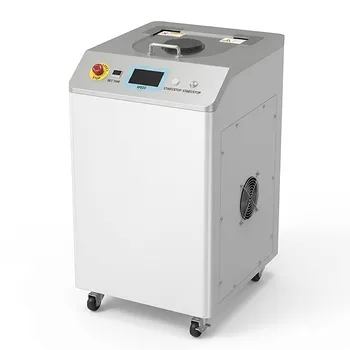
High Viscosity Planetary Centrifugal Vacuum Mixer for Material Defoaming and Uniform Mixing