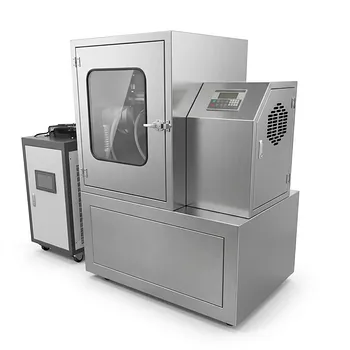
What are the technical advantages of using a vibratory sieve shaker for ferrovanadium residue analysis? - Key Benefits
Updated 4 months ago
Vibratory sieve shakers offer a quantum leap in accuracy over manual methods by providing controlled, multi-dimensional agitation that ensures consistent particle size distribution (PSD) data. This automated approach eliminates the variables of human fatigue and inconsistent force, guaranteeing that irregularly shaped ferrovanadium residue particles are properly oriented to pass through the mesh. For metallurgical analysis, this precision is critical for verifying if grinding and milling processes have successfully met target cut-off grain sizes.
A vibratory sieve shaker replaces the randomness of manual labor with standardized, repeatable mechanical force. This ensures that every analysis of ferrovanadium residue is objective, accurate, and capable of meeting strict industrial specifications.
Enhancing Measurement Precision and Repeatability
Eliminating Human Bias
Manual sieving is inherently prone to operator error, as the force, frequency, and duration of shaking vary between individuals. Vibratory shakers provide standardized operation, utilizing programmed mechanical vibrations to deliver a constant power output that removes human operational bias from the equation.
Ensuring Uniform Mechanical Force
Unlike the uneven distribution typical of manual shaking, a vibratory shaker delivers a consistent and uniform mechanical force across the entire sieve stack. This uniformity ensures that the resulting gradation curve is highly reproducible, which is essential for determining if materials comply with ASTM or other industrial standards.
Precise Temporal Control
Advanced shakers use digital timers to maintain uniform sieving times, often set for 30 minutes for ferrovanadium residue. This level of control ensures that every sample is treated identically, providing a reliable foundation for calculating the fractal dimension and grain size distribution of the material.
Optimizing Particle Reorientation and Passage
Multi-Dimensional Mechanical Movement
Vibratory shakers generate multi-dimensional movement that causes particles to rotate and jump both vertically and horizontally. This complex agitation is far more effective than manual shaking at redistributing material across the sieve surface and ensuring thorough movement.
Managing Irregularly Shaped Particles
Ferrovanadium residue often consists of irregularly shaped particles that can become trapped or "blind" the mesh. The high-frequency vibration forces these particles to continuously reorient, giving them the optimal opportunity to pass through the precision sieve pores based on their smallest dimension.
Maximizing Screening Efficiency
The continuous agitation provided by a high-frequency motor ensures that fine particles are fully separated from larger aggregates. This thorough rearrangement significantly improves the efficiency of particle filtration and reduces the total analysis time compared to laborious manual methods.
Understanding the Trade-offs
Equipment Maintenance and Calibration
While a vibratory shaker provides superior data, it requires regular calibration and maintenance to ensure the vibration frequency remains within specification. Mechanical wear over time can affect the intensity of the impact, necessitating a more rigorous quality control protocol than a simple hand sieve.
Material Integrity Risks
For some sensitive materials, the high-intensity vibration can lead to particle degradation or attrition, where the particles themselves break down during the test. It is vital to determine the optimal vibration amplitude to balance thorough sieving with the preservation of the original particle sizes.
Initial Capital Investment
The primary hurdle for many labs is the higher initial cost of a digital or electric vibratory shaker compared to inexpensive manual sieve sets. However, this cost is typically offset by the reduction in labor hours and the mitigation of expensive errors in milling process verification.
How to Apply This to Your Project
Making the Right Choice for Your Goal
To achieve the best results in your residue analysis, align your equipment settings with your specific production objectives.
- If your primary focus is Process Verification: Utilize a standardized 30-minute vibration cycle to ensure your PSD data accurately reflects the success of your grinding and milling stages.
- If your primary focus is Regulatory Compliance: Invest in a digital vibratory shaker with programmable intensity to meet the strict repeatability requirements of ASTM or NEVI standards.
- If your primary focus is High-Throughput Testing: Use a multi-tier sieve stack on a high-frequency shaker to classify multiple grain sizes simultaneously, significantly reducing your laboratory's total "man-hours per sample."
By transitioning to a vibratory sieve shaker, you secure a reliable, objective, and highly efficient framework for the technical analysis of ferrovanadium residues.
Summary Table:
| Comparison Factor | Manual Sieving Methods | Vibratory Sieve Shaker |
|---|---|---|
| Accuracy | Low (Susceptible to human error) | High (Standardized mechanical force) |
| Repeatability | Poor (Varies by operator/fatigue) | Excellent (Programmable intensity/time) |
| Particle Motion | Random and simple agitation | Multi-dimensional (3D) rotation |
| Mesh Blinding | High risk with irregular particles | Low (Continuous reorientation) |
| Efficiency | Labor-intensive and slow | Automated and high-throughput |
Enhance Your Material Analysis with Professional Laboratory Solutions
Ensure the highest precision in your research and production with [Your Brand Name]. We provide complete laboratory sample preparation solutions for material science, specializing in advanced powder processing and compaction equipment.
Our extensive product line is designed to streamline your workflow and guarantee accurate results:
- Sieving & Classification: High-performance vibratory and air-jet sieve shakers with various precision test sieves.
- Milling & Crushing: Planetary ball mills, jet mills, cryogenic grinders, and jaw/roll crushers.
- Powder Processing: Powder mixers and defoaming mixers for uniform material preparation.
- Pressing Solutions: A full spectrum of hydraulic presses, including Cold/Warm Isostatic Presses (CIP/WIP), XRF pellet presses, and vacuum hot presses.
Whether you are verifying milling processes or ensuring regulatory compliance for ferrovanadium residue, our expertise ensures your lab achieves superior consistency.
Contact our technical experts today to find the perfect solution for your lab!
References
- M. Nevondo, Emmanuel Rotimi Sadiku. Phase transformation sequence of pre-oxidized roast-leach ferrovanadium residue. DOI: 10.1016/j.heliyon.2024.e28308
Mentioned Products
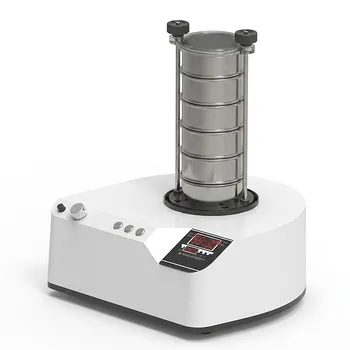
- Small Laboratory Vibratory Sieve Shaker for Powder Gradation and Particle Size Analysis
- Laboratory Dry and Wet Three Dimensional Vibratory Sieve Shaker for Particle Analysis
- Stainless Steel Laboratory Vibratory Test Sieve Shaker
- Vibratory Sieve Shaker Electromagnetic 3D Motion Powder Particle Size Analyzer for Dry and Wet Sieving
- Small Laboratory Vibrating Sieve Shaker for Precise Particle Size Analysis
People Also Ask
- Why use a 450 μm vibratory sieve shaker for MLO? Ensure Superior Particle Uniformity & Adsorption Performance
- Why is a laboratory vibratory sieve shaker essential for coconut cake fiber? Achieve Precise Particle Size Analysis
- What is the role of laboratory vibratory sieve shakers in waste PUR foam recycling? Optimize Particle Size and Density
- How does a laboratory vibratory sieve shaker contribute to the pre-treatment of PCB powders before sorting? Boost Yields
- What is the primary function of a laboratory vibratory sieve shaker in the evaluation of sand liquefaction potential?

Tech Team · PowderPreparation
Last updated on Jun 03, 2026
Related Products
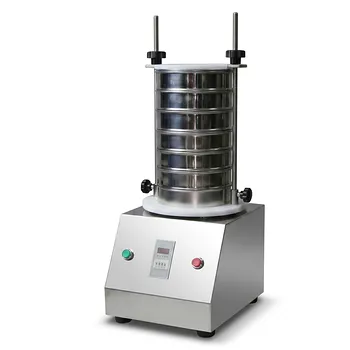
Small Laboratory Vibratory Sieve Shaker for Powder Gradation and Particle Size Analysis
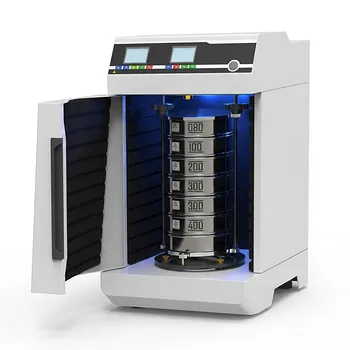
Laboratory Dry and Wet Three Dimensional Vibratory Sieve Shaker for Particle Analysis
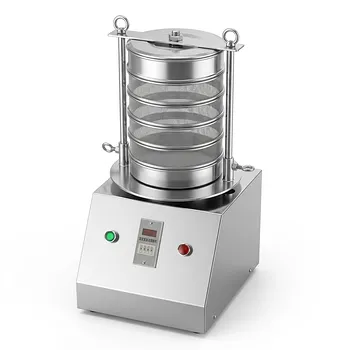
Stainless Steel Laboratory Vibratory Test Sieve Shaker
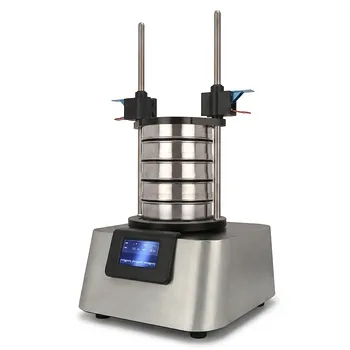
Vibratory Sieve Shaker Electromagnetic 3D Motion Powder Particle Size Analyzer for Dry and Wet Sieving
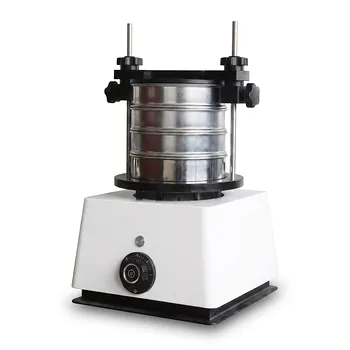
Small Laboratory Vibrating Sieve Shaker for Precise Particle Size Analysis
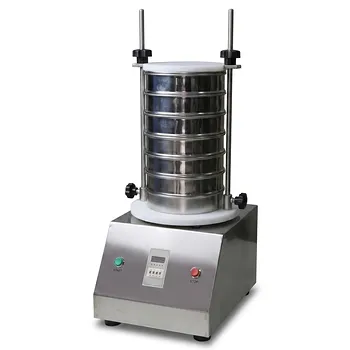
Laboratory Vibratory Test Sieve Shaker for Precision Particle Size Analysis and Powder Grading
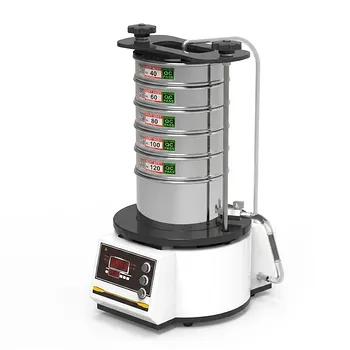
High Frequency Wet Three-Dimensional Vibrating Sieve Shaker for Dry and Wet Particle Size Analysis
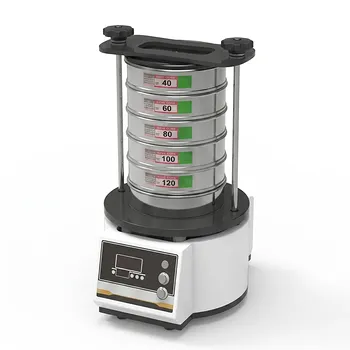
Dry Three Dimensional Vibratory Sieve Shaker
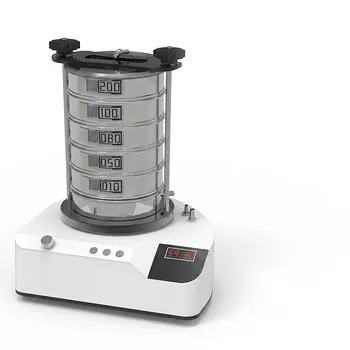
Heavy Duty Dry Three Dimensional Vibratory Sieve Shaker for Particle Separation
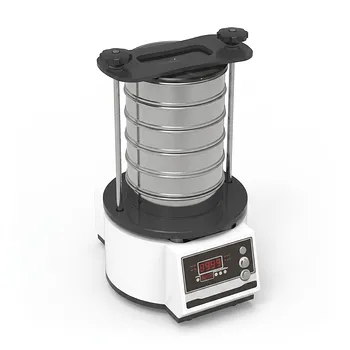
Tapping Oscillating Sieve Shaker for Dry and Wet Particle Size Analysis
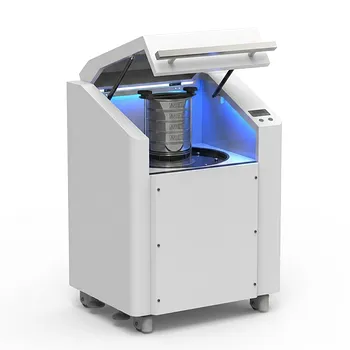
High Frequency Cabinet Type Three-Dimensional Rotary Vibrating Sieve Shaker for Dry Sieving and Particle Classification
三维电磁微量振动筛分仪
Stainless Steel Rotary Vibrating Sieve High Precision Circular Vibratory Separator Industrial Powder Grading Machine Multi Layer Sifting Equipment
High Speed Vibratory Disc Mill for Spectral Analysis Sample Preparation and Rapid Powder Grinding
Three Dimensional Rotary Vibrating Sieve
Laboratory Air Jet Sieving Machine for Fine Powder Particle Size Analysis and Deagglomeration
Automatic Vibrating Powder Feeder for Laboratory Material Processing Precision Vibratory Hopper Feeder for Granular and Powder Material Handling Industrial Grade Vibrating Tray Feeder for Consistent Material Sample Preparation