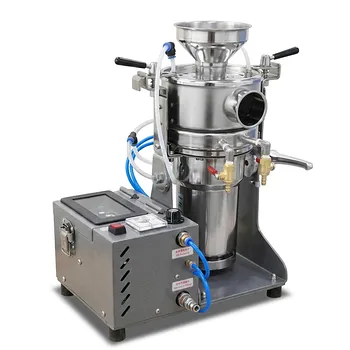
What are the key advantages of liquid nitrogen cryogenic grinders compared to conventional grinders for processing turmeric powder? Key Benefits
Updated 4 months ago
Liquid nitrogen cryogenic grinding transforms turmeric processing by replacing destructive mechanical heat with extreme cold.
Conventional grinding methods generate friction temperatures between 90°C and 95°C, which rapidly degrade the delicate chemical profile of the spice. In contrast, liquid nitrogen systems maintain a working environment typically below -50°C, preserving the volatile oils, natural aroma, and vibrant color of turmeric. This process not only protects the quality of the final product but also enables a level of particle fineness that is unattainable through standard room-temperature milling.
Core Takeaway: Cryogenic grinding is the definitive solution for high-quality turmeric production, as it utilizes sub-zero temperatures to prevent thermal degradation, eliminate equipment clogging, and produce a superior, micronized powder with maximum bioactivity.
Superior Quality Retention through Thermal Control
Protecting Volatile Oils and Aroma
Turmeric contains essential oils and aromatic compounds that are highly sensitive to heat. Conventional grinding causes these elements to evaporate or chemically alter, resulting in a loss of flavor and medicinal potency. Cryogenic grinding suppresses frictional heat, ensuring the volatile oil content remains intact within the powder.
Maintaining Natural Color and Pigmentation
High temperatures during processing can cause the curcuminoids in turmeric to oxidize or darken, leading to a duller appearance. By operating at ultra-low temperatures, the cryogenic process prevents thermal degradation, allowing the turmeric powder to retain its bright, natural yellow-orange hue.
Preventing Oxidation and Chemical Change
The use of liquid nitrogen creates an inert processing environment. This displacement of oxygen during the grinding process prevents oxidative side reactions that can spoil the product or reduce its shelf life.
Enhanced Physical Properties of the Powder
Micronization and Particle Uniformity
The extreme cold induces low-temperature embrittlement, making the turmeric fibers brittle and easier to fracture. This allows the equipment to achieve ultra-fine particle sizes, often reaching median sizes below 10 micrometers. This results in a more uniform powder with a narrower size distribution.
Increased Specific Surface Area
Finer particles produced through cryogenic milling have a significantly larger specific surface area. For turmeric used in culinary or nutraceutical applications, this translates to better dispersion in liquids and improved extraction rates of its active components.
Improved Bioavailability
In the context of turmeric's active ingredient, curcumin, micronization is critical. Reducing the particle size to the micron level improves the dissolution rate and bioavailability, making the turmeric more effective when consumed or used in pharmaceutical formulations.
Operational Efficiency and Safety
Eliminating Equipment Clogging
Turmeric can become sticky or "oily" when heated, leading to the clogging of screens and grinding components. Cryogenic temperatures prevent this heat-induced stickiness, ensuring an uninterrupted flow of material and reducing the need for frequent equipment cleaning.
Higher Extraction Yields
The sub-zero environment more effectively breaks down the hard cellular tissues and vascular bundles of the turmeric rhizome. This superior cellular disruption facilitates a higher yield during subsequent essential oil or curcumin extraction processes.
Safety and Microbial Control
Processing in a cryogenic environment suppresses microbial growth during the grinding phase. Furthermore, the inert atmosphere provided by nitrogen gas enhances safety when handling combustible organic powders.
Understanding the Trade-offs
High Operational Costs
The primary disadvantage of this technology is the cost of liquid nitrogen. The continuous consumption of cryogenic fluid makes this process significantly more expensive per kilogram of output compared to traditional ambient milling.
Infrastructure Complexity
Cryogenic systems require specialized vacuum-insulated piping, storage tanks for liquid nitrogen, and sophisticated temperature control sensors. This complexity demands a higher initial capital investment and specialized training for maintenance staff.
Ventilation Requirements
The use of large volumes of nitrogen requires robust ventilation systems in the processing facility. Since nitrogen displaces oxygen, processors must implement strict safety protocols and oxygen monitoring to prevent asphyxiation risks in enclosed spaces.
How to Apply This to Your Project
When choosing between conventional and cryogenic grinding for turmeric, your decision should be driven by the intended market value of your final product.
- If your primary focus is high-end culinary or nutraceutical grade powder: Cryogenic grinding is essential to guarantee the retention of volatile oils and the vibrant color demanded by premium consumers.
- If your primary focus is bulk extraction of curcumin: Use cryogenic milling to maximize the cellular breakdown of the rhizome, which significantly increases the efficiency of the solvent extraction process.
- If your primary focus is low-cost commodity spice production: Conventional grinding may be more sustainable, provided you implement cooling intervals to mitigate the most severe heat damage.
The shift to cryogenic grinding represents a move toward technical precision, ensuring that the biological integrity of turmeric is preserved from the field to the final consumer.
Summary Table:
| Feature | Conventional Grinding | Cryogenic Grinding |
|---|---|---|
| Processing Temp | 90°C – 95°C (High Heat) | Below -50°C (Ultra-Cold) |
| Oil & Aroma | Significant thermal loss | Maximum preservation |
| Color Quality | Dull/Darkened (Oxidation) | Bright, natural yellow-orange |
| Particle Size | Coarser / Inconsistent | Ultra-fine (Sub-10μm) |
| Material State | Sticky / Prone to clogging | Brittle / Free-flowing |
| Bioavailability | Lower | Enhanced via micronization |
Elevate Your Powder Processing with Expert Solutions
At the forefront of material science, we provide complete laboratory sample preparation solutions designed for precision and efficiency. Whether you are processing delicate organic spices like turmeric or advanced industrial materials, our specialized equipment ensures superior quality retention and micron-level uniformity.
Our extensive product range includes:
- Advanced Grinding & Milling: Liquid nitrogen cryogenic grinders, planetary ball mills, jet mills, and rotor mills.
- Crushing & Sizing: Jaw/roll crushers and vibratory/air-jet sieve shakers with precision test sieves.
- Mixing & De-aeration: High-performance powder mixers and vacuum defoaming mixers.
- Compaction & Pressing: A full spectrum of hydraulic presses, including Cold/Warm Isostatic Presses (CIP/WIP), XRF pellet presses, and vacuum hot presses.
Ready to optimize your production quality? Contact our technical team today to find the perfect equipment configuration for your specific material needs.
References
- P. Barnwal, Pankaj Kumar. Selected physico-mechanical characteristics of cryogenic and ambient ground turmeric. DOI: 10.2478/intag-2013-0033
Mentioned Products
- Liquid Nitrogen Cryogenic Grinder for Plastic and Heat-Sensitive Materials
- Small Liquid Nitrogen Cryogenic Grinder for Ultrafine Grinding of Heat-Sensitive Materials in Laboratories
- Cryogenic Liquid Nitrogen Grinder for DNA Analysis and Polymer Pulverization with Automatic Cooling and Electromagnetic Impact Technology
- Cryogenic Liquid Nitrogen Grinder for Ultrafine Heat-Sensitive Powder Processing
- Small Liquid Nitrogen Cryogenic Grinder with Vibratory Feeder for Laboratory Sample Preparation
People Also Ask
- Why is a liquid nitrogen cryogenic grinder required before DSC? Ensure Accurate Thermal Analysis & Sample Integrity.
- Why is a liquid nitrogen cryogenic grinder necessary for plastic pre-processing? Achieve Precise Co-Pyrolysis Results
- What role does liquid nitrogen cryogenic grinding play in the modification of CNTs? Optimize Nanomaterial Processing
- Why is a laboratory-grade liquid nitrogen cryogenic grinder essential for processing drug-loaded polymer nanofiber mats?
- What is the role of a liquid nitrogen cryogenic grinder in drug-polymer mixing? Achieve Superior Sample Homogeneity

Tech Team · PowderPreparation
Last updated on Jun 03, 2026
Related Products
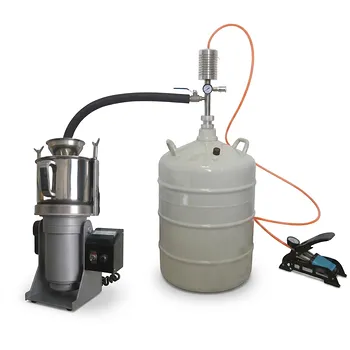
Liquid Nitrogen Cryogenic Grinder for Plastic and Heat-Sensitive Materials
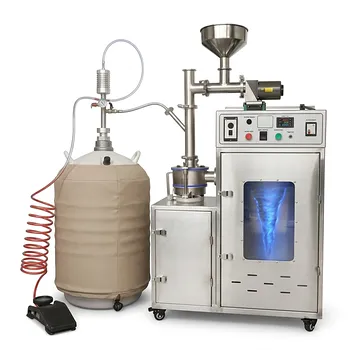
Small Liquid Nitrogen Cryogenic Grinder for Ultrafine Grinding of Heat-Sensitive Materials in Laboratories
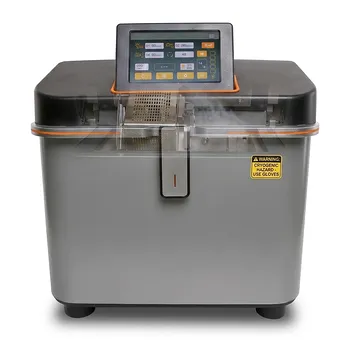
Cryogenic Liquid Nitrogen Grinder for DNA Analysis and Polymer Pulverization with Automatic Cooling and Electromagnetic Impact Technology
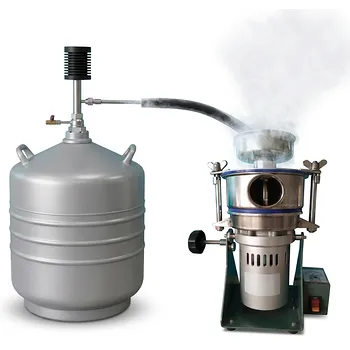
Cryogenic Liquid Nitrogen Grinder for Ultrafine Heat-Sensitive Powder Processing
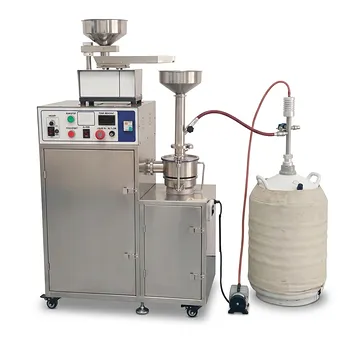
Small Liquid Nitrogen Cryogenic Grinder with Vibratory Feeder for Laboratory Sample Preparation
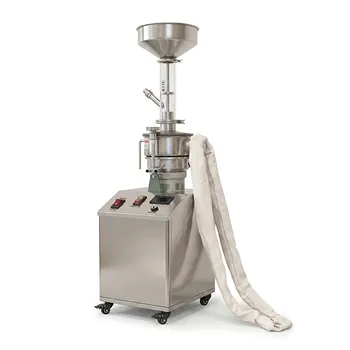
Small Liquid Nitrogen Cryogenic Grinder for Plastic and Heat-Sensitive Material Sample Preparation
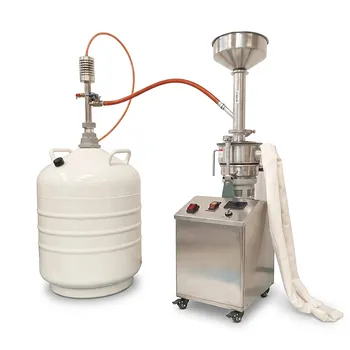
Laboratory Liquid Nitrogen Cryogenic Grinder for Polymer and Elastomer Materials
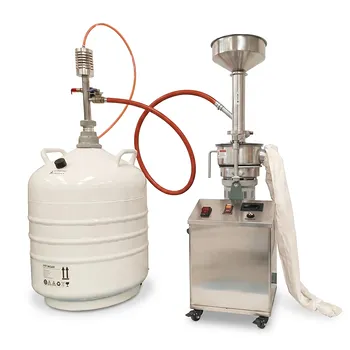
Laboratory Liquid Nitrogen Cryogenic Grinder Polymer Sample Preparation Pulverizer
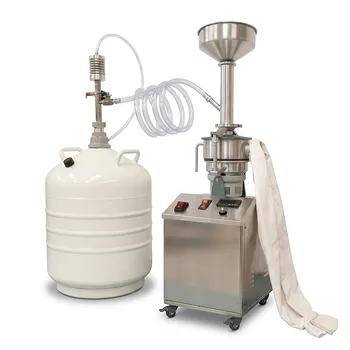
Laboratory Cryogenic Grinder Liquid Nitrogen Low Temperature Ultrafine Grinding
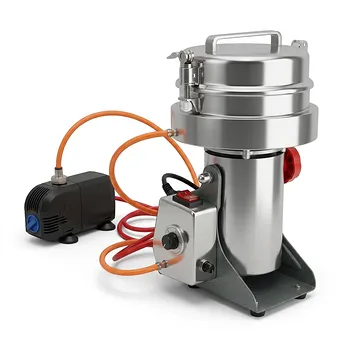
Water Cooled High Speed Grinder with Cryogenic Option for Laboratory Sample Preparation
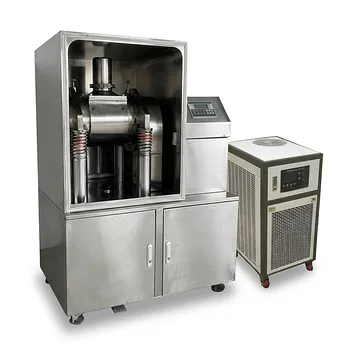
Water Cooled Cryogenic Ultra Fine Cell Wall Breaking Mill
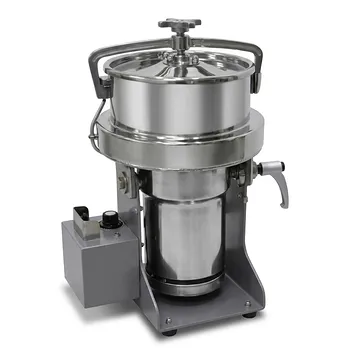
500g Capacity Water Cooled Low Temperature Grinder with Variable Speed and Safety Cover
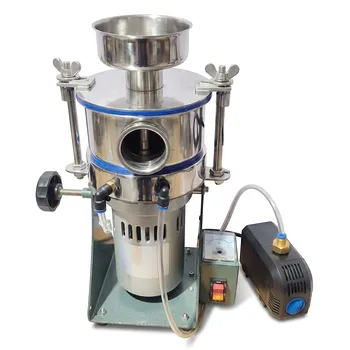
Water Cooled Airflow Ultra Fine Grinder for Low Temperature Material Processing
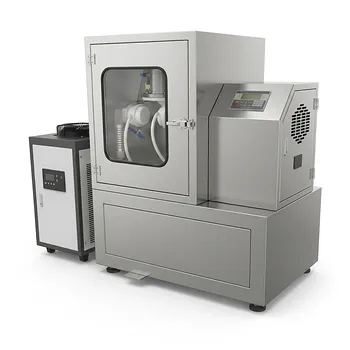
Vibratory Ultra-Low Temperature Ultrafine Grinder for Cryogenic Powder Processing
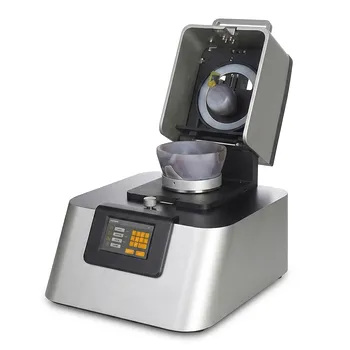
Laboratory Mortar Grinder for Sample Preparation and Cryogenic Powder Homogenization
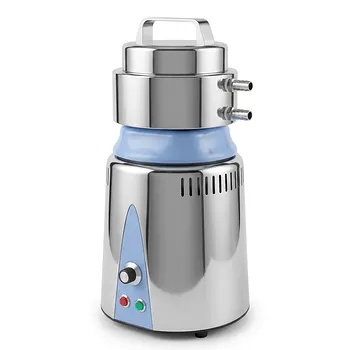
Low Temperature Laboratory Knife Mill Cryogenic Sample Grinder Material Science Powder Processing
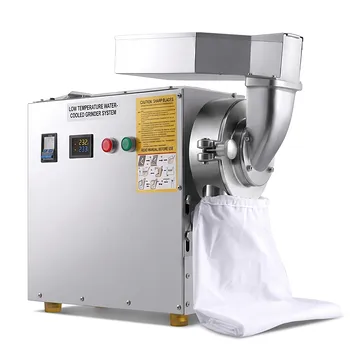
Low Temperature Water Cooled Continuous Feed Grinder Two Stage Coarse and Fine Grinding System
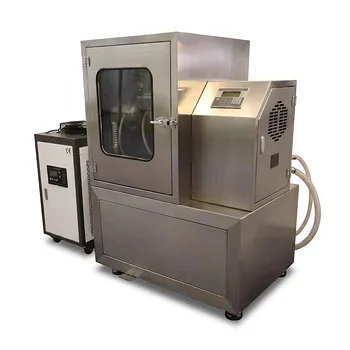
Ultra-Low Temperature Vibratory Mill for Ultrafine Grinding
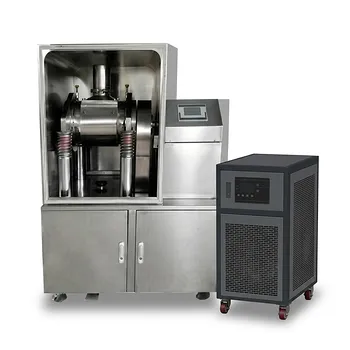
Ultra-low Temperature Vibratory Mill Ultrafine Grinder