What are the advantages of using a 3D tumbling mixer? Achieve Precision Content Uniformity for Matrix Tablets
Updated 4 months ago
A three-dimensional (3D) tumbling mixer provides superior content uniformity, protects delicate excipients from shear damage, and eliminates drug stratification compared to manual mixing. By utilizing complex multi-axis motion trajectories, these mixers ensure that trace active pharmaceutical ingredients (APIs) are distributed evenly throughout a matrix without the physical inconsistencies and human error inherent in manual processes.
A 3D tumbling mixer replaces the variability of manual handling with repeatable, multi-directional motion that achieves "ordered mixing." This process is essential for drug-containing matrix tablets because it ensures dose accuracy while maintaining the structural integrity of the release-controlling excipients.
The Mechanics of 3D Motion vs. Manual Methods
Eliminating Centrifugal Interference
Unlike manual stirring or simple rotational mixing, a 3D mixer employs a unique motion trajectory that allows powders to undergo intense alternating displacement. This prevents centrifugal forces from separating particles of different densities, a common failure point in manual or single-axis mixing.
Achieving High-Efficiency Diffusion
The mixer generates intense diffusion, shear, and collision through a combination of rotation, inversion, and shaking. This multi-directional movement ensures a highly uniform random distribution of components like microcrystalline cellulose, lactose, and disintegrants.
Breaking Particle Agglomerates
Manual mixing often lacks the consistent energy required to break down drug self-agglomeration. 3D tumbling provides sufficient "press-on forces" to facilitate ordered mixing, where drug particles are evenly redistributed across carrier surfaces rather than clumping together.
Preservation of Material Integrity
Protecting Starch and Polymer Structures
In matrix tablets, the structure of the excipient (such as modified starch) is critical for controlling the drug release rate. The low-shear nature of 3D tumbling prevents the destruction of starch granule structures that can occur with the excessive force often applied during manual trituration.
Preventing Granule Breakage
When mixing pre-formed granules with lubricants, 3D mixers prevent the granules from breaking and generating unwanted dust. This is achieved by using low-speed spatial motion rather than the high-impact forces typically found in high-shear granulators or vigorous manual shaking.
Enhancing Surface Finish
By ensuring a minimal amount of lubricant forms a uniform film on the surface of granules, 3D mixers improve flowability and reduce sticking during compression. Manual mixing rarely achieves this level of precise lubricant distribution, often leading to tablets with poor surface finish or inconsistent weights.
Ensuring Content Uniformity in Trace Drugs
Geometric Dilution Precision
3D mixers are specifically designed to utilize geometric dilution techniques mechanically. This is vital when the API is a "trace drug," meaning it represents a very small percentage of the total tablet weight.
Avoiding Drug Stratification
Manual mixing is prone to stratification, where drugs and excipients separate based on particle size or weight over time. The complex spatial trajectory of a 3D mixer provides ideal kinetic conditions that keep ingredients locked in a homogenous state during the transition to the tablet press.
Foundation for Non-Destructive Testing
High homogeneity provided by 3D mixing eliminates component agglomeration, creating a uniform internal pore distribution. This physical consistency is required for accurate non-destructive testing, such as Terahertz spectroscopy, which monitors tablet quality.
Understanding the Trade-offs
Equipment and Validation Requirements
While manual mixing requires almost no capital investment, it is nearly impossible to validate for industrial pharmaceutical standards. 3D mixers require initial capital expenditure and a rigorous cleaning validation protocol to prevent cross-contamination between batches.
Processing Time vs. Energy Input
Manual mixing is often perceived as faster for small lab-scale batches, but it lacks scalability. 3D mixers can achieve extremely high mixing uniformity in a relatively short period, but the process must be carefully timed to avoid over-mixing, which can occasionally lead to lubricant over-blending and hindered dissolution.
Making the Right Choice for Your Goal
To select the best mixing strategy for your matrix tablet formulation, consider your primary manufacturing objective:
- If your primary focus is Dose Accuracy: Use a 3D tumbling mixer to ensure trace APIs are distributed with molecular-level precision, eliminating the risk of "hot spots" or "dead zones."
- If your primary focus is Controlled Release Integrity: Choose 3D mixing to protect the delicate physical structure of your matrix-forming excipients (like starches) from high-shear degradation.
- If your primary focus is Production Scalability: Transition from manual to 3D mechanical mixing to ensure that the physical properties of your blend remain consistent as batch sizes increase.
The shift from manual to 3D tumbling mixing is a transition from operator-dependent variability to scientifically repeatable homogeneity.
Summary Table:
| Feature | 3D Tumbling Mixer | Manual Mixing |
|---|---|---|
| Content Uniformity | Exceptional (Multi-axis motion) | Low (Subject to human error) |
| Excipient Integrity | Low-shear; preserves structures | High risk of shear damage |
| Trace API Dilution | Precise geometric redistribution | Prone to "hot spots" |
| Stratification | Prevented by complex trajectory | High risk based on particle size |
| Scalability | High (Repeatable & Validatable) | None (Operator-dependent) |
| Surface Finish | Uniform lubricant film | Inconsistent; prone to sticking |
Optimize Your Material Preparation with Precision Engineering
Achieving perfect homogeneity is the foundation of high-quality drug formulation. At our facility, we provide complete laboratory sample preparation solutions for material science, specializing in advanced powder processing and compaction equipment.
Whether you need to achieve molecular-level blending with our 3D tumbling and defoaming mixers or require high-density sample formation using our Cold/Warm Isostatic Presses (CIP/WIP), we have the expertise to support your research. Our extensive product line includes:
- Milling & Grinding: Planetary ball mills, jet mills, disc mills, and liquid nitrogen cryogenic grinders.
- Size Analysis: Sieve shakers (vibratory/air-jet) and high-precision test sieves.
- Compaction: Standard lab presses, XRF pellet presses, and vacuum hot presses.
Contact our experts today to enhance your lab’s efficiency and accuracy!
References
- Jomjai Peerapattana, Voranuch Srijesdaruk. Modified Glutinous Starch as a Hydrophilic Matrix Substance(แปงขาวเหนยวดดแปรเพอใชเปนสารเมทรกซชนดชอบนำ). DOI: 10.56808/3027-7922.2246
Mentioned Products
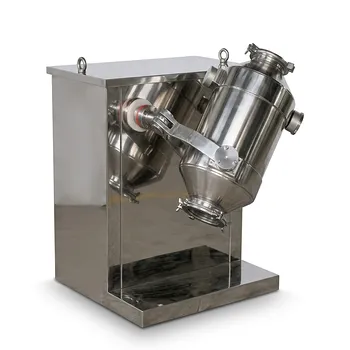
- Three-Dimensional Motion Mixer for Laboratory Powder and Granule Blending
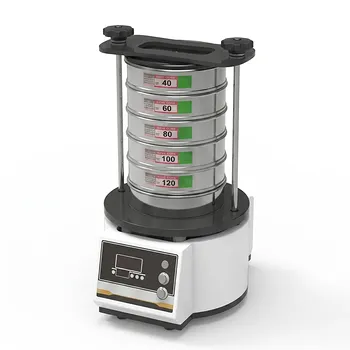
- Dry Three Dimensional Vibratory Sieve Shaker
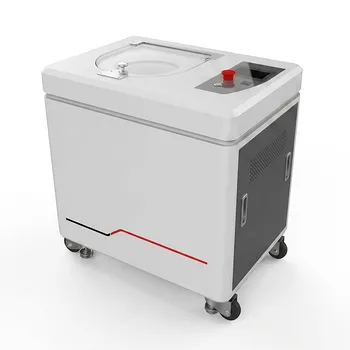
- 非介入式材料均质机真空脱泡行星搅拌高粘度混合设备
- Single Tank High Energy Vibratory Ball Mill for Laboratory Grinding and Mixing
- High Frequency Cabinet Type Three-Dimensional Rotary Vibrating Sieve Shaker for Dry Sieving and Particle Classification
People Also Ask
- Why is a 3D Motion Mixer employed when preparing binary powder mixtures for tableting? Achieve Superior Homogeneity
- What role does an industrial 3D mixer play in the preparation of diamond tool segment raw materials? Achieve Homogeneity
- What is the role of a 3D mixer in Ti2SnC synthesis? Optimize Precursor Homogeneity for High-Purity MAX Phases
- How does a 3D mixer with tungsten balls contribute to magnesium composite mixing? Achieve Superior Macro-Homogeneity
- What are the advantages of using a 3D powder mixer? Boost Tablet Consistency with Advanced Mixing Technology

Tech Team · PowderPreparation
Last updated on Jun 03, 2026
Related Products
Three-Dimensional Motion Mixer for Laboratory Powder and Granule Blending
Dry Three Dimensional Vibratory Sieve Shaker
非介入式材料均质机真空脱泡行星搅拌高粘度混合设备
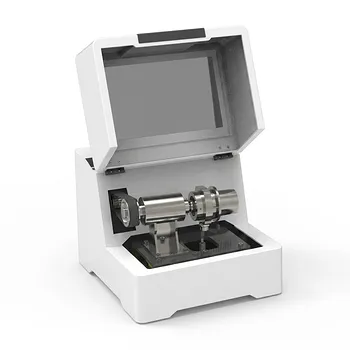
Single Tank High Energy Vibratory Ball Mill for Laboratory Grinding and Mixing
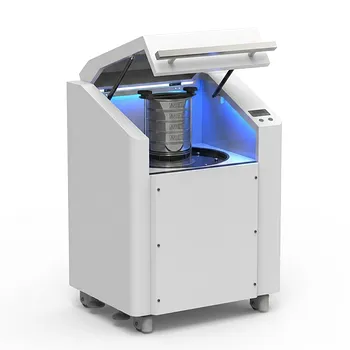
High Frequency Cabinet Type Three-Dimensional Rotary Vibrating Sieve Shaker for Dry Sieving and Particle Classification
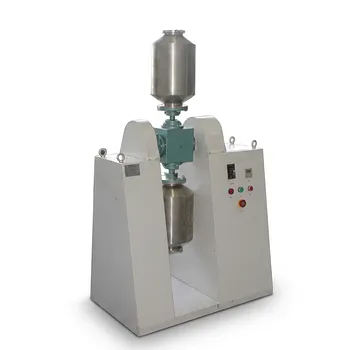
Multi Dimensional Universal Mixer for High Uniformity Powder Blending
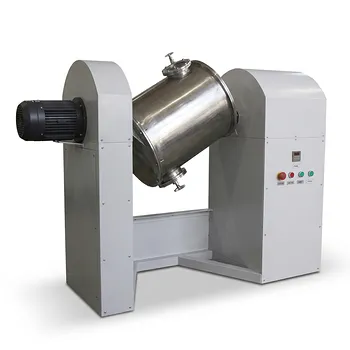
Inclined Mixer for Homogeneous Powder Blending and Grinding
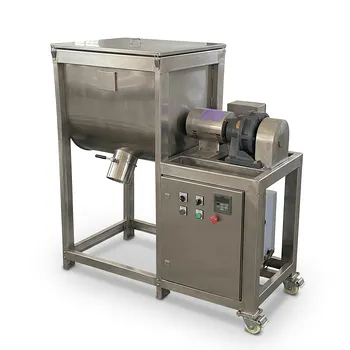
Horizontal Ribbon Mixer for Dry Powder and Slurry Blending
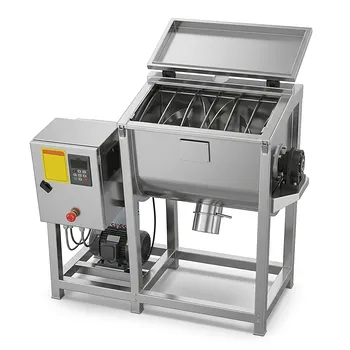
Horizontal Ribbon Mixer for Uniform Powder and Slurry Mixing
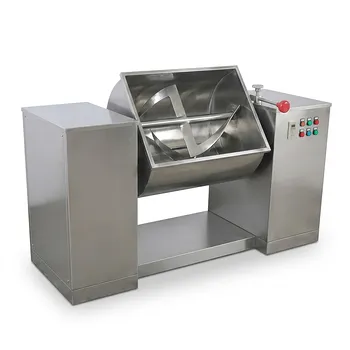
Horizontal Trough Mixer for Uniform Powder and Paste Blending
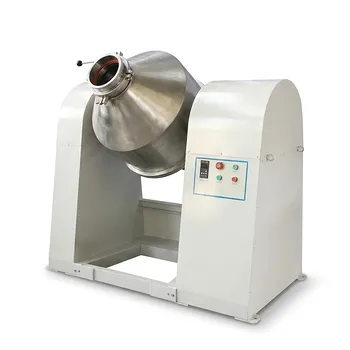
Industrial Double Cone Mixer for Powder Blending and Homogeneous Mixing
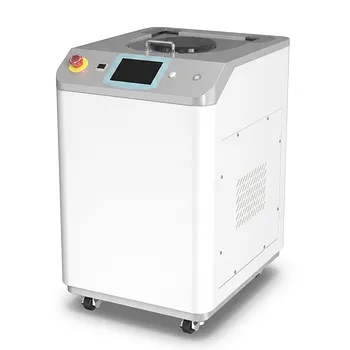
High Viscosity Planetary Centrifugal Mixing and Vacuum Defoaming Machine for Laboratory Material Preparation
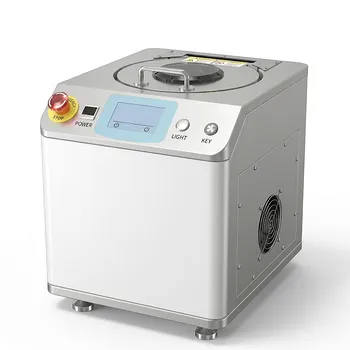
High Efficiency Vacuum Planetary Centrifugal Mixer and Defoaming Machine for Industrial Material Research and Precise Laboratory Powder Dispersion
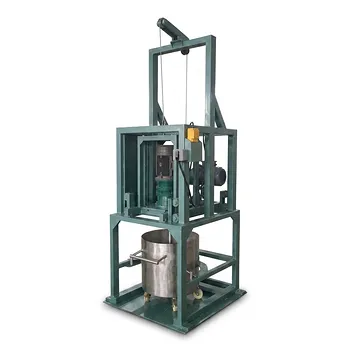
High-Speed Simple Disperser for Efficient Mixing, Dispersion, and Emulsification
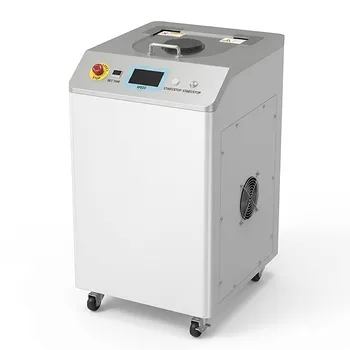
High Viscosity Planetary Centrifugal Vacuum Mixer for Material Defoaming and Uniform Mixing
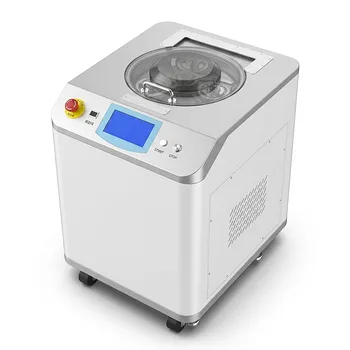
Dual Cup Vacuum Centrifugal Mixer Planetary Paste Defoaming Machine Industrial Material Processor
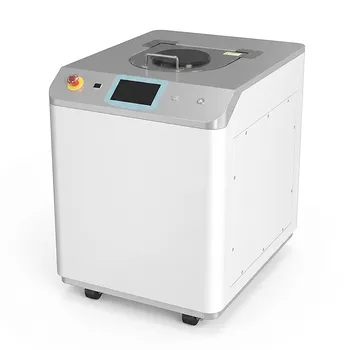
Industrial Planetary Centrifugal Vacuum Defoaming Mixer for High Viscosity Paste and Advanced Material Science
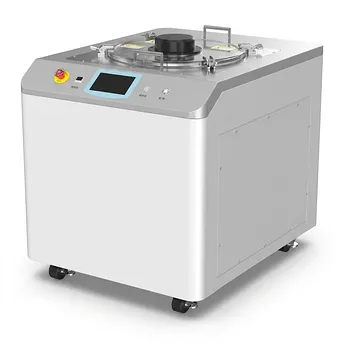
Industrial Planetary Centrifugal Vacuum Defoaming Mixer for High Viscosity Paste and Powder Homogenization
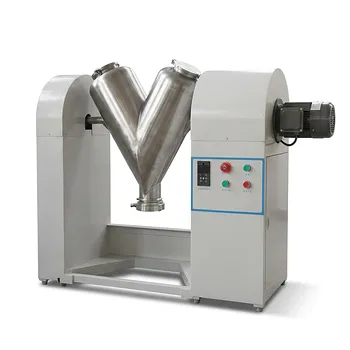
V-Type Powder Mixer for Uniform Blending of Dry Powders and Granules