What are the advantages of using tungsten carbide grinding jars and balls for nano-milling arsenic selenide (As4Se3)?
Updated 3 months ago
Tungsten carbide (WC) is the preferred material for nano-milling arsenic selenide due to its extreme density and exceptional hardness. These mechanical properties allow for maximum kinetic energy transfer to the alloy while providing the wear resistance necessary to prevent metallic contamination. By utilizing tungsten carbide, researchers can achieve the high-energy impact required to break molecular bonds and induce nanostructuring without compromising the chemical purity of the sample.
The use of tungsten carbide grinding media ensures that the high-energy milling process efficiently transforms arsenic selenide into nanopowders by optimizing energy conversion and minimizing the introduction of impurities from equipment wear.
Maximizing Energy Transfer and Grinding Efficiency
Increasing Kinetic Impact Energy
Tungsten carbide possesses a very high density, which is critical for high-energy planetary ball milling. This density ensures that the grinding balls carry significant momentum during high-speed rotation, delivering the intense impact forces required to pulverize hard arsenic selenide alloys.
Accelerating Particle Fragmentation
The superior energy conversion efficiency of tungsten carbide allows for a faster reduction in particle size. By applying intense shear and impact forces, the media accelerates the fragmentation of the material, reaching the nano-scale more quickly than lighter, less dense materials.
Enhancing Mechanical Activation
High density also facilitates a greater degree of mechanical activation within the material. This activation is essential for inducing the microstructural transformations necessary to move from a bulk crystalline or glass state to a refined nanocrystalline structure.
Preserving Chemical Purity and Material Integrity
Minimizing Metallic Contamination
Because arsenic selenide is a sensitive semiconductor material, maintaining high chemical purity is paramount. The extreme hardness of tungsten carbide prevents the grinding jars and balls from flaking or eroding during long-duration, high-speed milling cycles.
Resisting Abrasive Wear
Arsenic-selenium alloys can be abrasive during the grinding process. Tungsten carbide’s wear resistance ensures that the internal surfaces of the milling equipment remain intact, preventing the introduction of external iron (Fe) or other metallic impurities that could interfere with research data.
Ensuring Compatibility with High-Energy Processes
Standard hardened steel tools are often prone to degradation under the intense conditions of a high-energy mill. Tungsten carbide provides a chemically stable and physically robust alternative that withstands high rotational speeds, such as 500 rpm, without contributing debris to the final nanopowder.
Facilitating Structural and Morphological Changes
Breaking Molecular Cage Structures
Arsenic selenide (As4Se3) often contains specific cage-like molecular structures that are difficult to disrupt. The high energy input provided by tungsten carbide media is necessary to break these structures and encourage their redistribution into a polymeric network.
Inducing Re-amorphization
The mechanochemical pathways required for re-amorphization demand significant energy. Tungsten carbide media provides the necessary force to induce these polymorphic transitions, allowing for the successful nanostructuring of the glass alloy.
Optimizing Thermodynamic Stability
By ensuring a high degree of material activation without contamination, tungsten carbide media allows researchers to study the true thermodynamic stability of the resulting nanopowders. This is critical for developing consistent and reliable arsenic selenide-based nanomaterials.
Understanding the Trade-offs
Equipment Weight and Load Limits
The high density of tungsten carbide makes the grinding jars significantly heavier than those made of steel or ceramic. Users must ensure that their planetary ball mill is rated for the additional weight to avoid motor strain or mechanical failure.
Cost and Material Investment
Tungsten carbide is a premium material and represents a higher initial investment than stainless steel or alumina. However, this cost is usually offset by the increased lifespan of the media and the higher quality of the resulting high-purity nanopowders.
Thermal Management During Milling
Because tungsten carbide transfers energy so efficiently, high-speed milling can generate substantial heat within the jar. It is often necessary to implement cooling breaks or use specialized ventilated equipment to prevent unwanted thermal effects on the arsenic selenide sample.
How to Apply This to Your Project
Making the Right Choice for Your Goal
- If your primary focus is maximum chemical purity: Utilize tungsten carbide to eliminate the risk of iron flaking and other metallic contaminants common with steel media.
- If your primary focus is rapid particle size reduction: Leverage the high density of tungsten carbide to maximize impact energy and reduce total milling time.
- If your primary focus is inducing phase transitions: Ensure the use of tungsten carbide jars and balls to provide the intense shear forces required to break molecular cage structures.
By aligning the unique mechanical properties of tungsten carbide with the specific structural requirements of arsenic selenide, researchers can achieve precise control over the nano-milling process while maintaining the highest levels of material integrity.
Summary Table:
| Feature | Advantage for As4Se3 Milling | Impact on Research |
|---|---|---|
| High Density | Maximizes kinetic impact energy | Rapid reduction to nano-scale particles |
| Extreme Hardness | Resists abrasive wear and flaking | Ensures high chemical purity (No Fe contamination) |
| Energy Efficiency | High shear and impact forces | Breaks molecular cage structures for re-amorphization |
| Mechanical Stability | Withstands high-speed (500+ rpm) cycles | Consistent, reproducible morphological changes |
Achieve High-Purity Nanomaterials with Professional Lab Solutions
Precision in material science begins with the right preparation. Whether you are nano-milling sensitive semiconductors like arsenic selenide or developing advanced alloys, [Your Company Name] provides the high-performance equipment necessary to ensure material integrity and process efficiency.
We specialize in complete laboratory sample preparation solutions, focusing on powder processing and compaction. Our extensive product line includes:
- Advanced Milling & Grinding: Planetary ball mills (compatible with tungsten carbide), jet mills, and cryogenic grinders for ultra-fine particle sizes.
- Sieving & Mixing: Vibratory sieve shakers and high-efficiency defoaming mixers.
- Compaction Equipment: A full spectrum of hydraulic presses, including Cold/Warm Isostatic Presses (CIP/WIP), vacuum hot presses, and XRF pellet presses.
Ready to optimize your milling process? Our experts are here to help you select the ideal media and equipment for your specific research goals.
Contact us today for a technical consultation
References
- O. Shpotyuk, A. Kovalskiy. Molecular-Network Transformations in Tetra-Arsenic Triselenide Glassy Alloys Tuned within Nanomilling Platform. DOI: 10.3390/molecules29143245
Mentioned Products
- High Energy Laboratory Planetary Ball Mill for Nano Grinding and Material Science Sample Preparation
- Laboratory Nano High Energy Ball Mill Ultrafine Grinding Mechanical Alloying
- Vertical Semi Circular Planetary Ball Mill for Laboratory Precision Grinding
- Mass Production Nano Sand Mill for Industrial Nanomaterial Grinding and Dispersion
- Vertical Square Planetary Ball Mill for Laboratory Sample Preparation and Nanoscale Grinding
People Also Ask
- How does the size distribution of steel ball grinding media affect ore grindability? Optimize Energy & Lab Accuracy
- What role does a laboratory ball mill play in the study of chalcopyrite mineral liberation? Key for Recovery Success
- What are the primary functions of a laboratory ball mill or powder mixer when synthesizing multi-component standard reference materials?
- What core function does a laboratory ball mill perform during phosphate ore grinding? Achieve Monomer Dissociation
- What role does a laboratory ball mill serve in the Berry and Bruce modified Bond method? Standardizing Ore Analysis

Tech Team · PowderPreparation
Last updated on Jun 03, 2026
Related Products
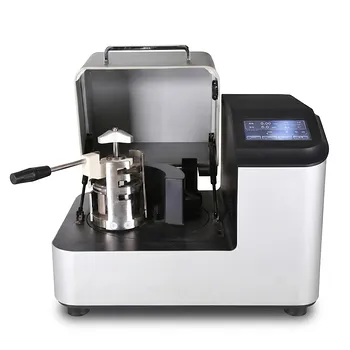
High Energy Laboratory Planetary Ball Mill for Nano Grinding and Material Science Sample Preparation
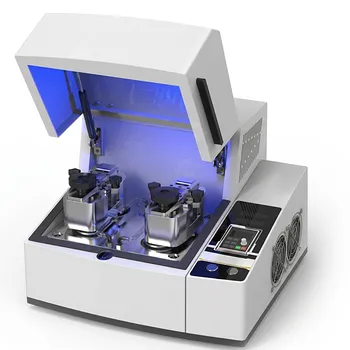
Laboratory Nano High Energy Ball Mill Ultrafine Grinding Mechanical Alloying
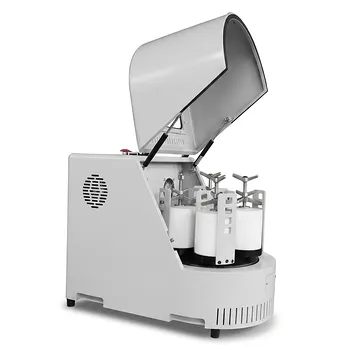
Vertical Semi Circular Planetary Ball Mill for Laboratory Precision Grinding
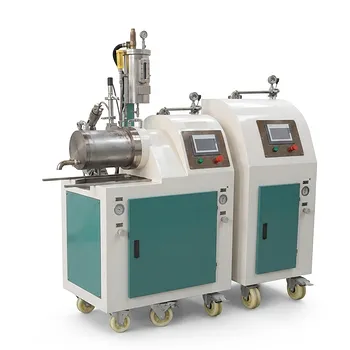
Mass Production Nano Sand Mill for Industrial Nanomaterial Grinding and Dispersion
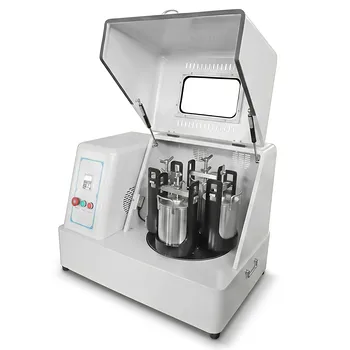
Vertical Square Planetary Ball Mill for Laboratory Sample Preparation and Nanoscale Grinding
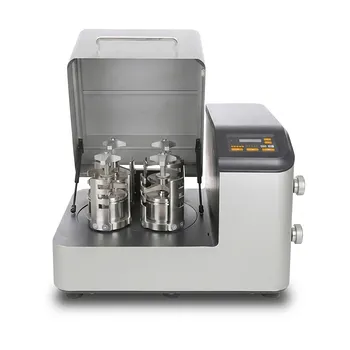
High Energy Planetary Ball Mill for Nano Scale Grinding and Colloidal Mixing in Material Science Research
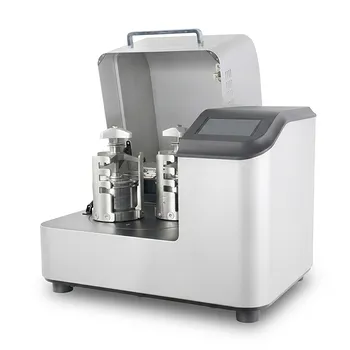
High Energy Planetary Ball Mill for Nano Scale Grinding and Mechanical Alloying
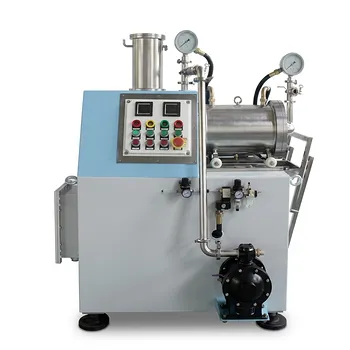
Horizontal Bead Mill for Nanoscale Grinding and Advanced Material Powder Processing
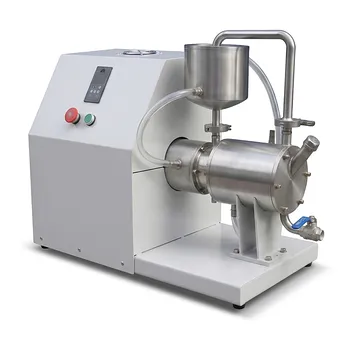
Laboratory Small Horizontal Sand Mill for Nano Materials Wet Grinding
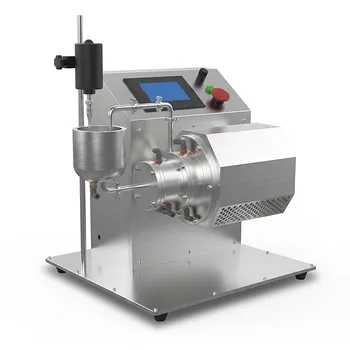
Laboratory Horizontal Pin Nano Sand Mill
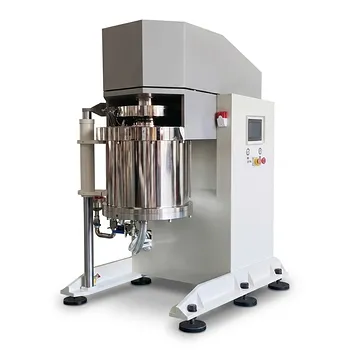
Vertical Nano Bead Mill for Ceramic Materials with Permanent Magnet Motor and High Efficiency Grinding

Nano High Energy Vibratory Ball Mill for Laboratory Sample Preparation
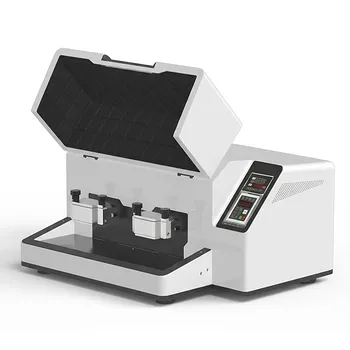
Nanoscale High-Energy Vibratory Ball Mill for Laboratory Sample Preparation, Mechanochemistry, and Mechanical Alloying
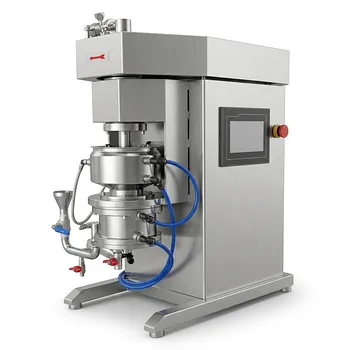
Small Ceramic Structure Laboratory Sand Mill Nanoscale Grinding Dispersion Equipment Seal-less Screen-less Design
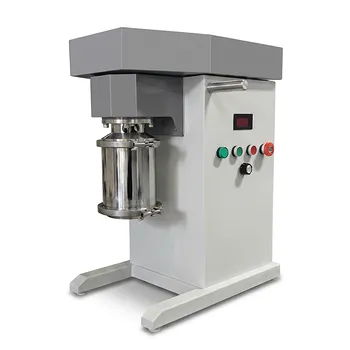
Nano Laboratory Bead Mill Desktop Sub Micron Sand Mill Screenless Seal Less Powder Grinder
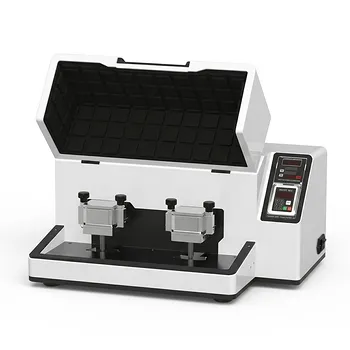
Nanoscale High Energy Vibratory Ball Mill Low Temperature
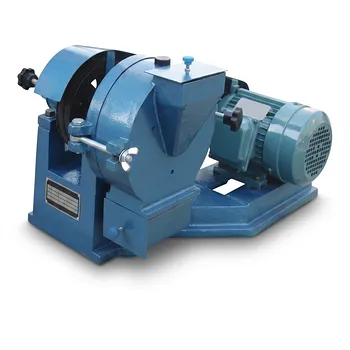
Laboratory Disc Mill for Ore and Mineral Sample Preparation
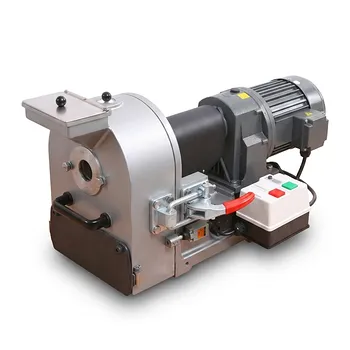
Laboratory Disc Mill for Fine Sample Preparation of Hard and Brittle Materials
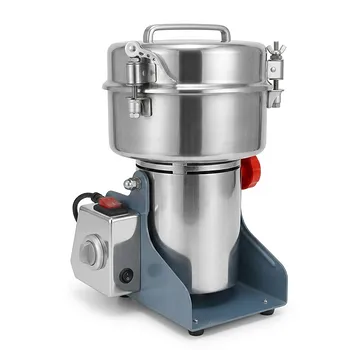
Small High-Speed Grinder for Efficient Laboratory Sample Preparation