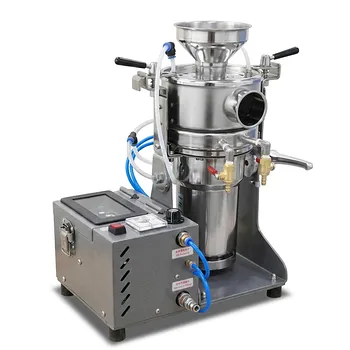
What are the advantages of using liquid nitrogen cryogenic grinding for PP MP samples? Ensure Purity and Precision
Updated 5 months ago
Liquid nitrogen cryogenic grinding is the most effective method for preparing polypropylene microplastic (PP MP) samples because it overcomes the material’s high toughness and ductility at room temperature. By inducing low-temperature embrittlement, this process allows the plastic to be pulverized into uniform, micron-sized powders without the risk of melting or chemical degradation caused by frictional heat.
Cryogenic grinding ensures that polypropylene microplastic samples remain chemically and physically identical to the source material, providing a standardized and uncontaminated substrate for scientific research and environmental simulation.
Overcoming Material Ductility Through Embrittlement
Transitioning from Ductile to Brittle States
At room temperature, polypropylene is a highly tough and ductile polymer that resists traditional mechanical crushing. Instead of shattering, the material tends to stretch or deform when subjected to impact, making it nearly impossible to reach micron-level sizes using standard methods.
Liquid nitrogen immersion rapidly cools the polypropylene below its glass transition and embrittlement points. In this ultra-low temperature state, the polymer loses its flexibility and can be efficiently fractured into fine particles using high-frequency impact and shear forces.
Efficiency in Micron-Sized Pulverization
By maintaining the plastic in a brittle state, cryogenic grinders can achieve a controlled target size range, often between 63μm and 200μm. This level of precision is necessary for creating "standardized" microplastics used in toxicological or environmental impact studies.
Preserving Physicochemical Integrity
Prevention of Thermal Degradation
Standard mechanical grinding generates significant frictional heat, which can easily exceed the melting point of polypropylene. This heat often leads to "melt-bonding," where particles fuse back together, or thermal degradation, which alters the polymer's molecular weight and chemical structure.
Circulating liquid nitrogen acts as a continuous heat sink during the grinding process. This ensures that the generated mechanical energy does not translate into a temperature rise, effectively preventing any accidental changes to the material's thermal properties or chemical signature.
Maintaining Original Chemical Characteristics
For researchers, the "originality" of the sample is paramount. Cryogenic grinding is a purely physical process that avoids the need for chemical additives or surfactants that might be required in wet-grinding methods.
Because the process prevents pre-degradation, the resulting microplastic fragments maintain the exact physicochemical integrity of the bulk plastic. This ensures that subsequent experiments, such as microbial assimilation or chemical leaching tests, yield accurate and reproducible data.
Achieving Realistic Particle Morphology
Simulating Physical Weathering
While some methods produce spherical beads, cryogenic grinding typically results in irregular, sharp-edged fragments. These fragments more accurately simulate the morphology of microplastics formed through physical weathering in natural environments, such as wave action or mechanical abrasion.
Consistency in Particle Size Distribution
The high-frequency impact used in cryogenic systems produces a high degree of consistency in particle size distribution. This uniformity is critical for laboratory experiments where the surface-area-to-volume ratio must be strictly controlled to ensure valid comparisons between different study groups.
Understanding the Trade-offs
Equipment and Operational Complexity
Cryogenic grinding requires specialized equipment capable of handling ultra-low temperatures and a consistent supply of liquid nitrogen. This increases the operational cost and requires specific infrastructure compared to simple ambient-temperature mechanical mills.
Safety and Handling Requirements
The use of liquid nitrogen introduces safety risks, including cryogenic burns and potential oxygen deficiency in poorly ventilated spaces. Operators must be highly trained in cryogenic safety protocols, adding a layer of procedural complexity to the sample preparation phase.
Making the Right Choice for Your Research
Ensuring the quality of your polypropylene microplastic samples depends on your specific experimental requirements.
- If your primary focus is chemical purity and integrity: Use liquid nitrogen grinding to ensure no thermal degradation or "melting" alters the polymer's baseline characteristics.
- If your primary focus is environmental simulation: Prioritize cryogenic impact grinding to produce the irregular, sharp-edged fragments that mimic naturally weathered microplastics.
- If your primary focus is high-throughput screening with low precision: Standard mechanical grinding may suffice if the resulting thermal artifacts do not interfere with your specific detection metrics.
By utilizing the extreme cooling power of liquid nitrogen, researchers can transform tough polypropylene into precise, high-quality microplastic samples that serve as a reliable foundation for environmental science.
Summary Table:
| Key Feature | Benefit for PP Microplastics | Research Impact |
|---|---|---|
| Low-Temp Embrittlement | Overcomes PP toughness and ductility | Enables fine pulverization (63μm-200μm) |
| Thermal Regulation | Prevents melting and molecular changes | Maintains original chemical signature |
| Impact Grinding | Produces irregular, sharp-edged fragments | Accurately simulates natural weathering |
| Purely Physical | No chemical additives or surfactants | Ensures high-purity, uncontaminated samples |
Elevate Your Sample Preparation with Precision Laboratory Solutions
Are you looking to produce high-quality, standardized microplastic samples for your environmental or material science research? [Brand Name] provides complete laboratory sample preparation solutions, specializing in high-performance powder processing and compaction equipment.
Our extensive product line is designed to meet the most rigorous research standards, featuring:
- Advanced Grinding: Liquid nitrogen cryogenic grinders, planetary ball mills, jet mills, and disc/rotor mills.
- Sizing & Mixing: Vibratory/air-jet sieve shakers and high-efficiency powder/defoaming mixers.
- Compaction Excellence: A full spectrum of hydraulic presses, including Cold/Warm Isostatic Presses (CIP/WIP), vacuum hot presses, and XRF pellet presses.
Whether you need to prevent thermal degradation in polymers or achieve specific particle morphologies, our expert-grade equipment ensures reproducible and accurate results.
Ready to optimize your lab’s workflow? Contact us today to discuss your specific requirements and find the ideal solution for your material processing needs!
References
- Andrea Corti, Valter Castelvetro. Natural iron-containing minerals catalyze the degradation of polypropylene microplastics: a route to self-remediation learnt from the environment. DOI: 10.1007/s11356-024-34120-0
Mentioned Products
- Liquid Nitrogen Cryogenic Grinder for Plastic and Heat-Sensitive Materials
- Small Liquid Nitrogen Cryogenic Grinder for Ultrafine Grinding of Heat-Sensitive Materials in Laboratories
- Cryogenic Liquid Nitrogen Grinder for DNA Analysis and Polymer Pulverization with Automatic Cooling and Electromagnetic Impact Technology
- Cryogenic Liquid Nitrogen Grinder for Ultrafine Heat-Sensitive Powder Processing
- Small Liquid Nitrogen Cryogenic Grinder with Vibratory Feeder for Laboratory Sample Preparation
People Also Ask
- Why is a liquid nitrogen cryogenic grinder required before DSC? Ensure Accurate Thermal Analysis & Sample Integrity.
- Why is a liquid nitrogen cryogenic grinder necessary for plastic pre-processing? Achieve Precise Co-Pyrolysis Results
- What role does liquid nitrogen cryogenic grinding play in the modification of CNTs? Optimize Nanomaterial Processing
- Why is a laboratory-grade liquid nitrogen cryogenic grinder essential for processing drug-loaded polymer nanofiber mats?
- What is the role of a liquid nitrogen cryogenic grinder in drug-polymer mixing? Achieve Superior Sample Homogeneity

Tech Team · PowderPreparation
Last updated on May 14, 2026
Related Products
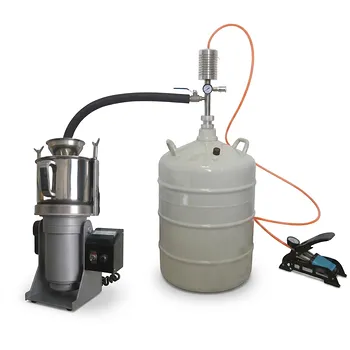
Liquid Nitrogen Cryogenic Grinder for Plastic and Heat-Sensitive Materials
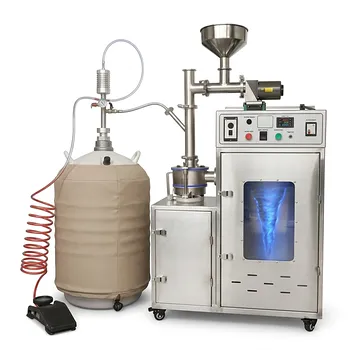
Small Liquid Nitrogen Cryogenic Grinder for Ultrafine Grinding of Heat-Sensitive Materials in Laboratories
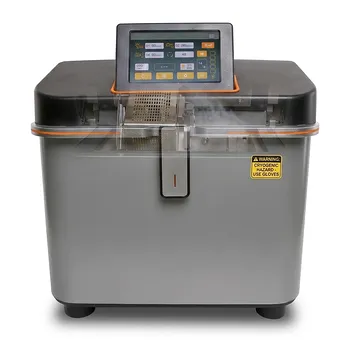
Cryogenic Liquid Nitrogen Grinder for DNA Analysis and Polymer Pulverization with Automatic Cooling and Electromagnetic Impact Technology
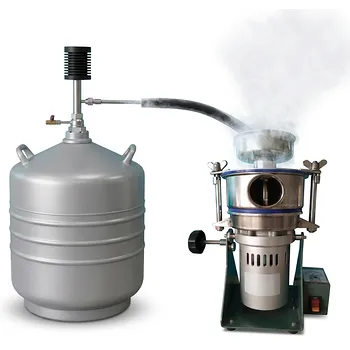
Cryogenic Liquid Nitrogen Grinder for Ultrafine Heat-Sensitive Powder Processing
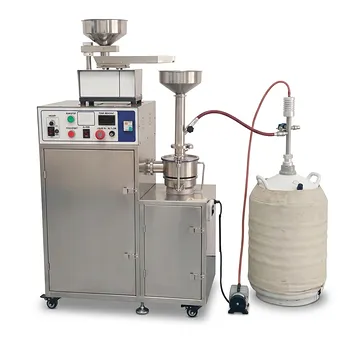
Small Liquid Nitrogen Cryogenic Grinder with Vibratory Feeder for Laboratory Sample Preparation
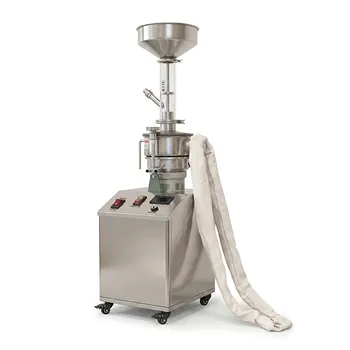
Small Liquid Nitrogen Cryogenic Grinder for Plastic and Heat-Sensitive Material Sample Preparation
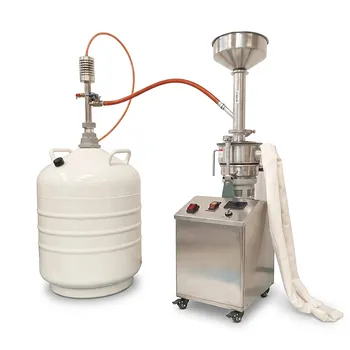
Laboratory Liquid Nitrogen Cryogenic Grinder for Polymer and Elastomer Materials
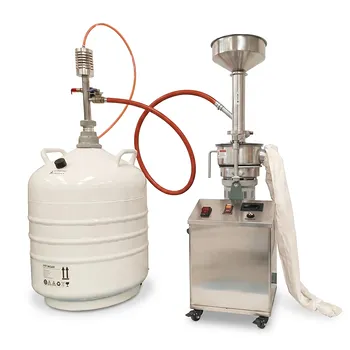
Laboratory Liquid Nitrogen Cryogenic Grinder Polymer Sample Preparation Pulverizer
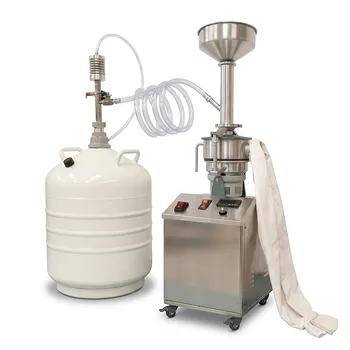
Laboratory Cryogenic Grinder Liquid Nitrogen Low Temperature Ultrafine Grinding
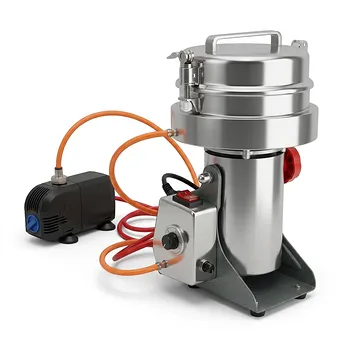
Water Cooled High Speed Grinder with Cryogenic Option for Laboratory Sample Preparation
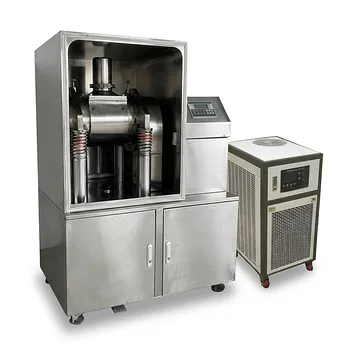
Water Cooled Cryogenic Ultra Fine Cell Wall Breaking Mill
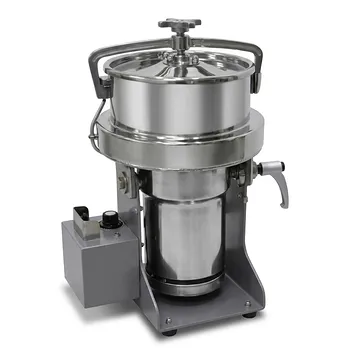
500g Capacity Water Cooled Low Temperature Grinder with Variable Speed and Safety Cover
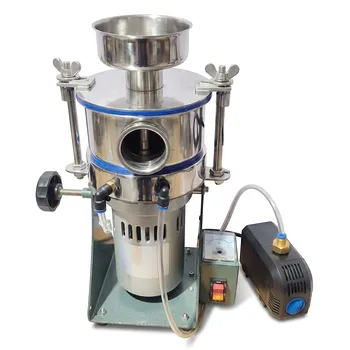
Water Cooled Airflow Ultra Fine Grinder for Low Temperature Material Processing
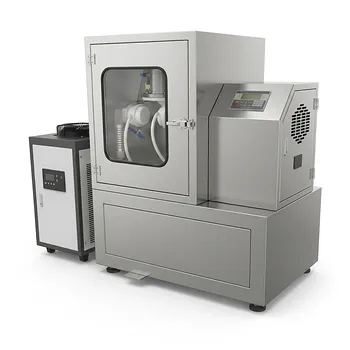
Vibratory Ultra-Low Temperature Ultrafine Grinder for Cryogenic Powder Processing
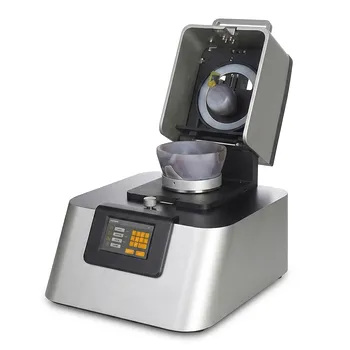
Laboratory Mortar Grinder for Sample Preparation and Cryogenic Powder Homogenization
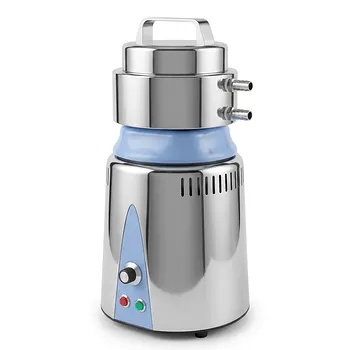
Low Temperature Laboratory Knife Mill Cryogenic Sample Grinder Material Science Powder Processing
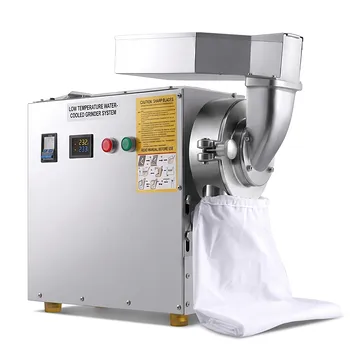
Low Temperature Water Cooled Continuous Feed Grinder Two Stage Coarse and Fine Grinding System
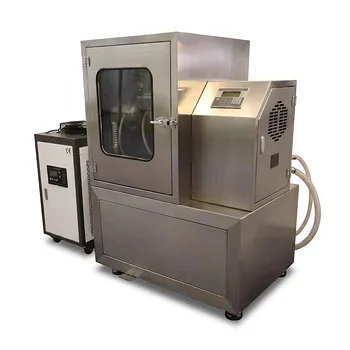
Ultra-Low Temperature Vibratory Mill for Ultrafine Grinding
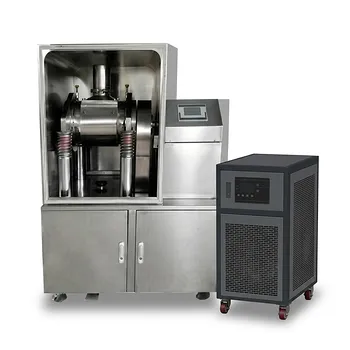
Ultra-low Temperature Vibratory Mill Ultrafine Grinder