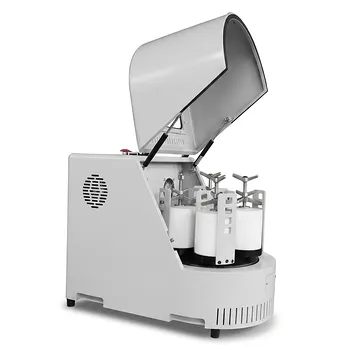
What are the advantages of using an industrial planetary mixer for blending artificial stone slurry? Superior Slab Quality
Updated 5 months ago
The industrial planetary mixer is the gold standard for artificial stone production because it achieves a level of microscopic homogeneity that conventional stirrers cannot match. By utilizing a multi-axis composite motion of revolution and rotation, these machines ensure that high-viscosity resins and curing agents thoroughly coat every particle of stone waste. This intensive blending process eliminates component segregation and ensures a uniform micro-structure, which is essential for the structural integrity and aesthetic consistency of the final slab.
The core advantage of an industrial planetary mixer lies in its ability to force a uniform reaction between high-viscosity binders and diverse solid aggregates. This high-energy "forced mixing" eliminates structural weak points and air pockets, resulting in a significantly denser and more durable finished product.
Achieving Micro-Level Homogeneity
The Power of Multi-Axis Composite Motion
Unlike standard mixers, a planetary system rotates the mixing blades on their own axes while simultaneously revolving them around a central point. This composite motion creates a high-energy environment where the slurry is subjected to intense shear and folding forces from multiple directions.
This ensures that high-viscosity epoxy resins are distributed evenly, even when dealing with heavy "mirror" or "granite waste" of varying particle sizes.
Complete Particle Wetting
For artificial stone to reach its maximum strength, the resin must completely wet the surface of every aggregate particle. The planetary mixer’s high-intensity agitation forces the liquid binder into the microscopic voids between solids.
This thorough encapsulation prevents the formation of "dry spots" or unreacted zones that would otherwise become fracture points in the hardened stone.
Eliminating Structural and Aesthetic Defects
Eradicating Agglomeration and Clumping
High-viscosity slurries are prone to forming "clumps" where the powder or fine stone dust fails to integrate with the resin. The high-shear forces generated by a planetary mixer break down these powder agglomerates at a molecular level.
This process ensures that the color and texture of the artificial stone remain consistent across the entire surface of the slab, preventing unsightly blotches.
Integrated De-Aeration and Bubble Removal
Many industrial planetary mixers utilize centrifugal forces and specific blade geometries to eliminate air bubbles during the stirring process. Removing entrapped air is critical because micro-bubbles act as internal defects that reduce the compressive strength of the stone.
By purging these gases during mixing, the resulting slurry produces a "green body" that is dense, non-porous, and resistant to moisture absorption.
Process Efficiency and Consistency
Handling High-Viscosity Materials
Artificial stone slurry is notoriously thick and difficult to move, often taxing the motors of inferior equipment. Industrial planetary mixers are engineered for high-torque performance, allowing them to maintain consistent speeds even as the mixture thickens.
This ensures that the final batch has the same properties as the first, which is vital for large-scale industrial manufacturing.
Thorough Wall and Bottom Scouring
The planetary motion ensures that the mixing tools pass through every point of the container, including the walls and the bottom. This eliminates "dead zones" where unmixed material might otherwise accumulate.
By continuously scraping and reintegrating material from the container walls, the mixer guarantees that the entire batch reaches the same level of chemical maturity.
Understanding the Trade-offs
Heat Generation and Management
The high-energy nature of planetary mixing generates significant frictional heat within the slurry. While this can sometimes accelerate the curing reaction of resins, it must be carefully monitored to prevent "flash setting" or premature hardening.
Many high-end mixers require integrated cooling jackets or temperature sensors to maintain the slurry within a safe processing window.
Mechanical Complexity and Maintenance
Because of the complex gearboxes required for dual-axis rotation, these mixers have more moving parts than simple ribbon or paddle blenders. This necessitates a more rigorous maintenance schedule to prevent gear wear and ensure the seals remain intact against abrasive stone dust.
How to Apply This to Your Project
Selecting the Right Mixing Parameters
To maximize the benefits of an industrial planetary mixer, you must tailor the speed and duration to your specific material composition.
- If your primary focus is high-strength structural slabs: Prioritize a mixer with high-torque capabilities and dual-speed settings (low-speed shear followed by high-speed homogenization) to ensure maximum density.
- If your primary focus is aesthetic consistency and color clarity: Opt for a planetary centrifugal model that excels at de-aeration and breaking down fine pigment agglomerates.
- If your primary focus is high-throughput production: Ensure the mixer includes automated wall-scraping tools and a quick-discharge bottom valve to minimize downtime between batches.
The shift to planetary mixing is not merely an equipment upgrade, but a fundamental requirement for producing high-performance artificial stone that meets modern architectural standards.
Summary Table:
| Key Feature | Functional Mechanism | Impact on Final Product |
|---|---|---|
| Multi-Axis Motion | Simultaneous revolution and rotation | Eliminates dead zones; ensures micro-homogeneity. |
| High-Shear Force | Breaks down powder agglomerates | Prevents unsightly blotches and color inconsistency. |
| Complete Wetting | Forces resin into microscopic voids | Maximum structural strength; prevents fracture points. |
| Integrated De-Aeration | Centrifugal air bubble removal | Produces dense, non-porous, and moisture-resistant stone. |
| High-Torque Performance | Maintains speed in high-viscosity slurry | Consistent batch quality for large-scale manufacturing. |
Elevate Your Material Production with Professional Mixing Solutions
At our core, we provide complete laboratory sample preparation solutions for material science, specializing in the high-performance equipment needed to transform raw powders into premium materials. Whether you are producing high-strength architectural slabs or advanced ceramics, our industrial planetary and defoaming mixers are engineered to handle the toughest high-viscosity slurries with ease.
Our extensive product range includes:
- Powder Processing: Crushers (jaw/roll), liquid nitrogen cryogenic grinders, and various mills (planetary ball, jet, sand/bead, disc, rotor).
- Classification & Mixing: Sieve shakers (vibratory/air-jet) and high-precision powder/defoaming mixers.
- Advanced Compaction: A full spectrum of hydraulic presses, including Cold/Warm Isostatic Presses (CIP/WIP), standard lab presses, XRF pellet presses, and vacuum hot presses.
Ready to eliminate structural defects and achieve perfect homogeneity? Contact us today to discuss how our specialized equipment can optimize your production line and ensure the highest aesthetic and structural standards for your artificial stone products.
References
- Thaís Leal da Cruz Silva, Carlos Maurício Fontes Vieira. Characterization of Artificial Stone Developed with the Incorporation of Granite and Mirror Wastes in an Epoxy Matrix. DOI: 10.1590/1980-5373-mr-2022-0561
Mentioned Products
- Industrial Planetary Centrifugal Vacuum Defoaming Mixer for High Viscosity Paste and Advanced Material Science
- Industrial Planetary Centrifugal Vacuum Defoaming Mixer for High Viscosity Paste and Powder Homogenization
- High Efficiency Vacuum Planetary Centrifugal Mixer and Defoaming Machine for Industrial Material Research and Precise Laboratory Powder Dispersion
- High Speed Vacuum Planetary Centrifugal Mixer and Defoamer for Industrial Paste Processing
- Dual Cup Vacuum Centrifugal Mixer Planetary Paste Defoaming Machine Industrial Material Processor
People Also Ask
- What are the advantages of planetary centrifugal mixers for LSM-CeO2 slurries? Superior Results
- What process advantages do planetary gravity mixers provide for r-GO/RuO2 electrodes? Achieve Superior Nanoscale Dispersion
- Why is a planetary centrifugal defoaming mixer essential in battery slurry? Achieve High Homogeneity & Degassing
- What is the function of industrial planetary centrifugal mixers in 3D printing inks? Achieve Perfect Homogenization
- What core functions does a planetary centrifugal mixer perform? Optimize Hard Carbon Anode Slurry & Degassing

Tech Team · PowderPreparation
Last updated on May 14, 2026
Related Products
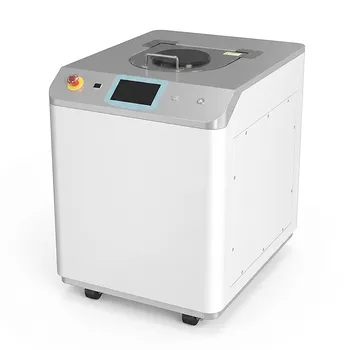
Industrial Planetary Centrifugal Vacuum Defoaming Mixer for High Viscosity Paste and Advanced Material Science
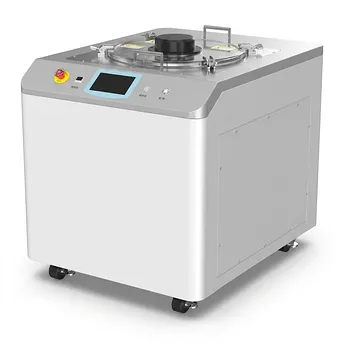
Industrial Planetary Centrifugal Vacuum Defoaming Mixer for High Viscosity Paste and Powder Homogenization
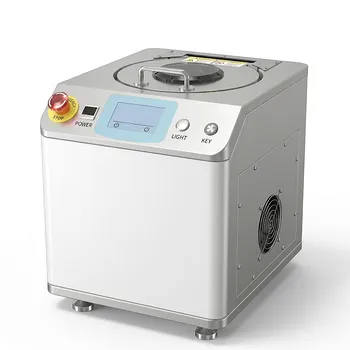
High Efficiency Vacuum Planetary Centrifugal Mixer and Defoaming Machine for Industrial Material Research and Precise Laboratory Powder Dispersion
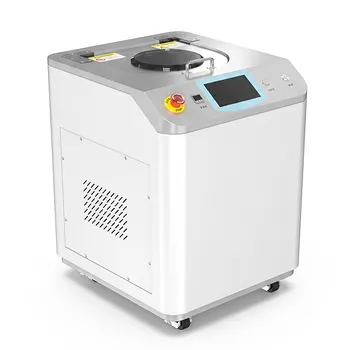
High Speed Vacuum Planetary Centrifugal Mixer and Defoamer for Industrial Paste Processing
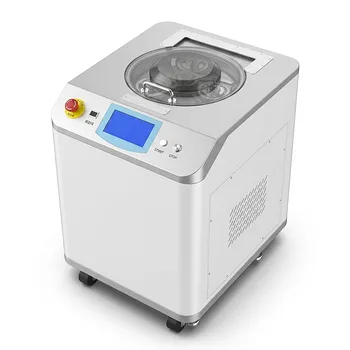
Dual Cup Vacuum Centrifugal Mixer Planetary Paste Defoaming Machine Industrial Material Processor
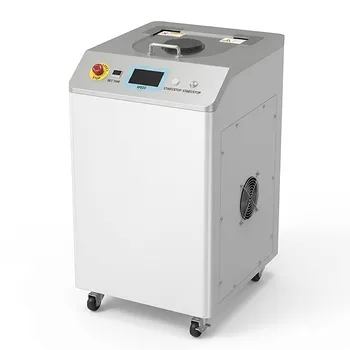
High Viscosity Planetary Centrifugal Vacuum Mixer for Material Defoaming and Uniform Mixing
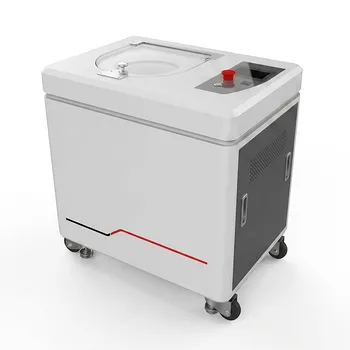
非介入式材料均质机真空脱泡行星搅拌高粘度混合设备
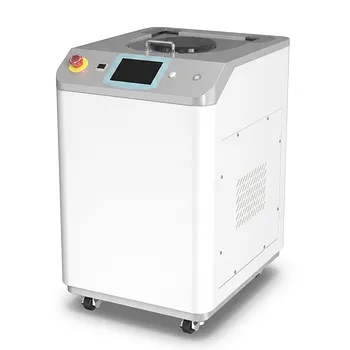
High Viscosity Planetary Centrifugal Mixing and Vacuum Defoaming Machine for Laboratory Material Preparation
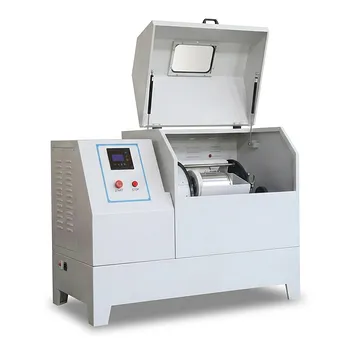
Heavy Duty Horizontal Planetary Ball Mill for Efficient Industrial Grinding and Sample Preparation
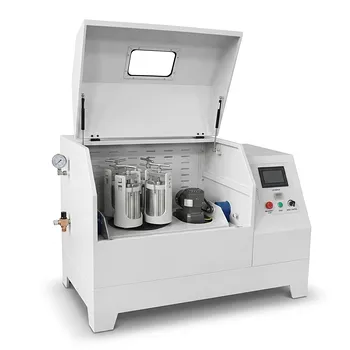
Vertical Production Planetary Ball Mill for High Throughput Powder Processing
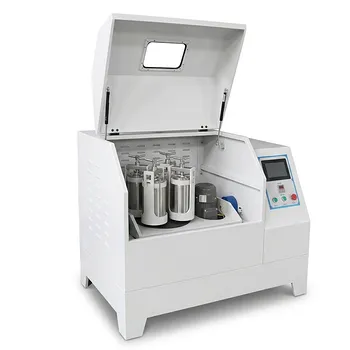
360° Rotating Omnidirectional Laboratory Planetary Ball Mill for Homogeneous Ultra-Fine Grinding and Mixing
High Energy Laboratory Planetary Ball Mill for Nano Grinding and Colloidal Mixing of Hard and Brittle Materials
Dual Station Planetary Ball Mill 24L
Industrial Double Cone Mixer for Powder Blending and Homogeneous Mixing
High Energy Omnidirectional Planetary Ball Mill 20L
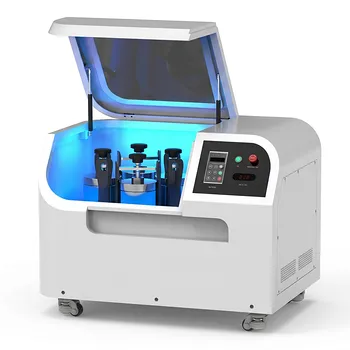
Planetary Ball Mill 12L
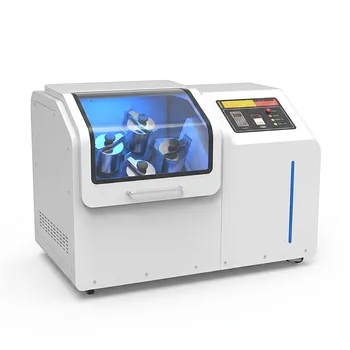
High Energy Omnidirectional Planetary Ball Mill 16L
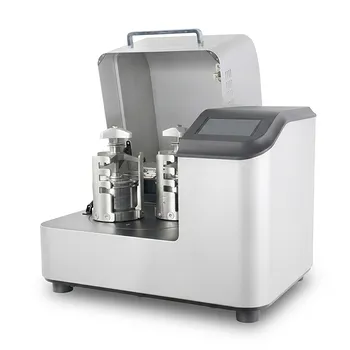
High Energy Planetary Ball Mill for Nano Scale Grinding and Mechanical Alloying
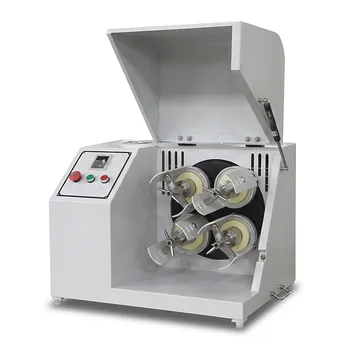
Horizontal Light Duty Planetary Ball Mill for Laboratory Sample Preparation