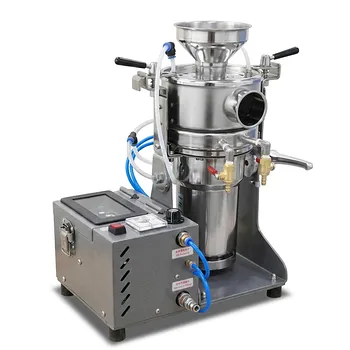
What are the advantages of using a Liquid Nitrogen Cryogenic Grinder? Superior Amorphization & Thermal Control
Updated 5 months ago
Liquid nitrogen cryogenic grinding outperforms room-temperature milling by suppressing thermal energy and leveraging material embrittlement. This process operates at ultra-low temperatures (near -196°C) to effectively neutralize the heat generated by high-energy mechanical impacts. By preventing thermal degradation and unwanted recrystallization, it ensures the production of a stable, 100% amorphous Simvastatin powder that is difficult to achieve through standard milling.
Utilizing a liquid nitrogen cryogenic grinder allows for the precise amorphization of heat-sensitive drugs by bypassing the crystalline state and suppressing the molecular kinetics that lead to instability.
Thermal Management and Chemical Integrity
Preventing Unwanted Recrystallization
During room-temperature milling, mechanical energy often converts into heat, which can trigger the recrystallization of the drug. The ultra-low temperature environment of a cryogenic grinder inhibits these kinetics, ensuring the Simvastatin molecules remain in a disordered, amorphous state.
Eliminating Thermal Degradation
Many pharmaceutical compounds are sensitive to the frictional heat generated during grinding, which can lead to chemical decomposition. Cryogenic cooling completely suppresses this heat, maintaining the chemical purity and molecular structure of the organic matrix.
Reducing Internal Stress and Defects
Standard ball milling can accumulate significant internal stress and microstructural defects due to temperature fluctuations. The stable, cold environment of cryogenic milling minimizes these stresses, resulting in a powder that is more physically stable for subsequent research and formulation.
Mechanical Efficiency and Particle Quality
Leveraging Cryogenic Embrittlement
At liquid nitrogen temperatures, Simvastatin reaches its embrittlement point, making the crystal structure fragile and easier to fracture. This "cryogenic embrittlement" significantly accelerates the destruction of the crystal lattice compared to room-temperature methods.
Achieving Finer Particle Sizes
Because the material is more brittle, the grinding process is more efficient and can produce smaller particle sizes with a larger specific surface area. This is particularly useful for increasing the dissolution rate and bioavailability of poorly soluble drugs like Simvastatin.
Preventing Agglomeration and Stickiness
Heat-induced stickiness at room temperature often causes particles to re-weld or form secondary agglomerates. Cryogenic grinding keeps the powder dry and free-flowing, preventing the material from melting or sticking to the grinding media.
Understanding the Trade-offs
Operational Complexity and Cost
Implementing a cryogenic system requires a continuous supply of liquid nitrogen and specialized equipment capable of withstanding extreme thermal contraction. These factors lead to higher operating costs and more rigorous safety protocols compared to standard milling.
Risks of Environmental Contamination
If the system is not properly sealed, the extreme cold can cause moisture condensation from the air once the grinding is complete. This moisture can potentially lead to hydrolysis or accidental recrystallization of the amorphous powder if not handled in a controlled, dry environment.
How to Apply This to Your Project
Making the Right Choice for Your Goal
- If your primary focus is establishing a research baseline: Use cryogenic grinding to ensure you achieve a stable, 100% amorphous state without the interference of residual crystals.
- If your primary focus is processing highly heat-sensitive APIs: Prioritize liquid nitrogen cooling to prevent thermal decomposition that occurs at even moderate temperature rises.
- If your primary focus is maximizing particle surface area: Opt for cryogenic milling to leverage material brittleness, which allows for much finer pulverization than room-temperature impact.
Choosing cryogenic grinding transforms a high-energy mechanical process from a thermal risk into a precision tool for creating stable, amorphous pharmaceutical materials.
Summary Table:
| Feature | Liquid Nitrogen Cryogenic Grinding | Room Temperature Milling |
|---|---|---|
| Operating Temperature | Near -196°C (Ultra-low) | Ambient/High (due to friction) |
| Thermal Degradation | Completely suppressed | High risk for sensitive APIs |
| Material State | 100% stable amorphous powder | Risk of unwanted recrystallization |
| Particle Size | Ultra-fine (due to embrittlement) | Larger; prone to agglomeration |
| Material Handling | Dry and free-flowing | Often becomes sticky or "re-welds" |
| Complexity & Cost | Higher (requires LN2 & safety protocols) | Lower (standard operation) |
Elevate Your Material Research with Precision Powder Solutions
Achieving perfect amorphization and maintaining chemical integrity requires more than just standard milling—it requires specialized thermal control. As experts in complete laboratory sample preparation solutions, we provide the high-performance equipment needed to transform your research outcomes.
Whether you are processing heat-sensitive pharmaceuticals or advanced ceramics, our extensive product line is designed for excellence:
- Cryogenic & Fine Grinding: Liquid nitrogen cryogenic grinders, planetary ball mills, jet mills, and rotor mills.
- Particle Analysis: Sieve shakers (vibratory/air-jet) and precision test sieves.
- Compaction & Pressing: A full spectrum of hydraulic presses, including Cold/Warm Isostatic Presses (CIP/WIP), vacuum hot presses, and XRF pellet presses.
- Processing: Powder mixers, defoaming mixers, and industrial-grade crushers.
Ready to optimize your sample preparation workflow? Contact our technical team today to discuss how our specialized powder processing and compaction equipment can bring unmatched stability and efficiency to your laboratory.
References
- Dattatray Modhave, Amrit Paudel. Understanding Concomitant Physical and Chemical Transformations of Simvastatin During Dry Ball Milling. DOI: 10.1208/s12249-020-01687-z
Mentioned Products
- Liquid Nitrogen Cryogenic Grinder for Plastic and Heat-Sensitive Materials
- Small Liquid Nitrogen Cryogenic Grinder for Ultrafine Grinding of Heat-Sensitive Materials in Laboratories
- Cryogenic Liquid Nitrogen Grinder for DNA Analysis and Polymer Pulverization with Automatic Cooling and Electromagnetic Impact Technology
- Cryogenic Liquid Nitrogen Grinder for Ultrafine Heat-Sensitive Powder Processing
- Small Liquid Nitrogen Cryogenic Grinder with Vibratory Feeder for Laboratory Sample Preparation
People Also Ask
- Why is a liquid nitrogen cryogenic grinder required before DSC? Ensure Accurate Thermal Analysis & Sample Integrity.
- Why is a liquid nitrogen cryogenic grinder necessary for plastic pre-processing? Achieve Precise Co-Pyrolysis Results
- What role does liquid nitrogen cryogenic grinding play in the modification of CNTs? Optimize Nanomaterial Processing
- Why is a laboratory-grade liquid nitrogen cryogenic grinder essential for processing drug-loaded polymer nanofiber mats?
- What is the role of a liquid nitrogen cryogenic grinder in drug-polymer mixing? Achieve Superior Sample Homogeneity

Tech Team · PowderPreparation
Last updated on May 14, 2026
Related Products
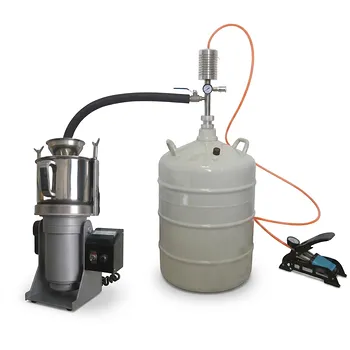
Liquid Nitrogen Cryogenic Grinder for Plastic and Heat-Sensitive Materials
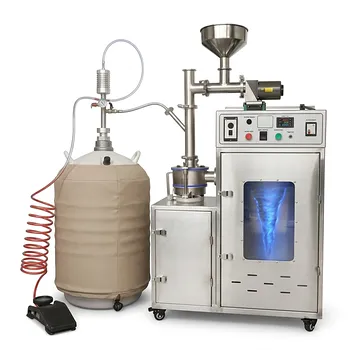
Small Liquid Nitrogen Cryogenic Grinder for Ultrafine Grinding of Heat-Sensitive Materials in Laboratories
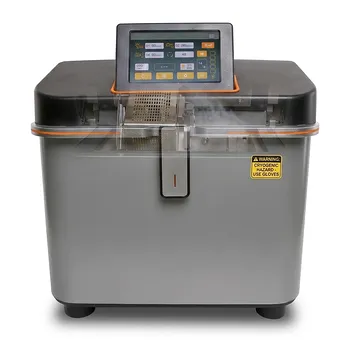
Cryogenic Liquid Nitrogen Grinder for DNA Analysis and Polymer Pulverization with Automatic Cooling and Electromagnetic Impact Technology
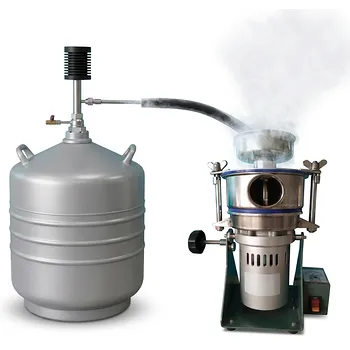
Cryogenic Liquid Nitrogen Grinder for Ultrafine Heat-Sensitive Powder Processing
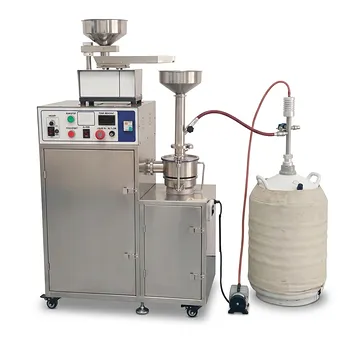
Small Liquid Nitrogen Cryogenic Grinder with Vibratory Feeder for Laboratory Sample Preparation
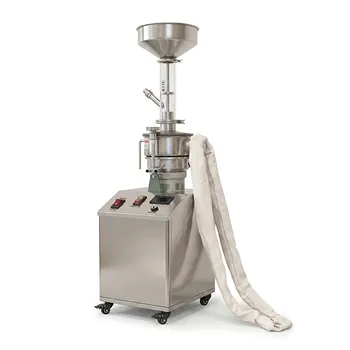
Small Liquid Nitrogen Cryogenic Grinder for Plastic and Heat-Sensitive Material Sample Preparation
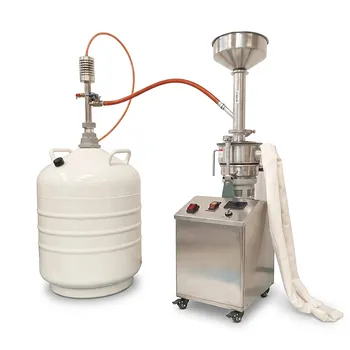
Laboratory Liquid Nitrogen Cryogenic Grinder for Polymer and Elastomer Materials
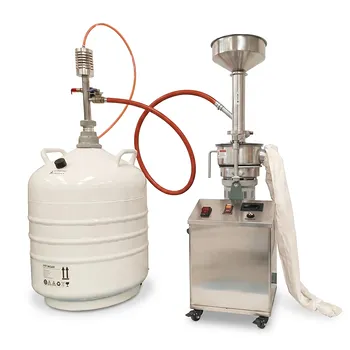
Laboratory Liquid Nitrogen Cryogenic Grinder Polymer Sample Preparation Pulverizer
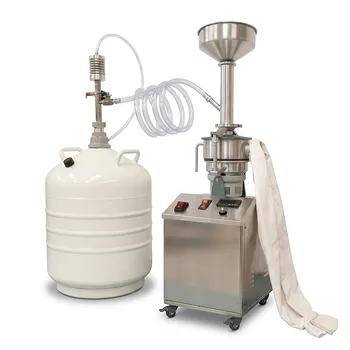
Laboratory Cryogenic Grinder Liquid Nitrogen Low Temperature Ultrafine Grinding
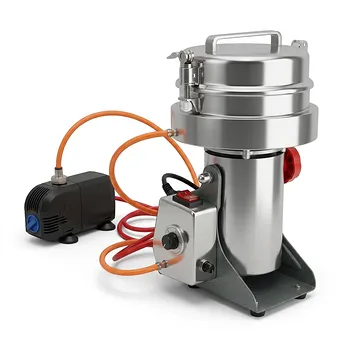
Water Cooled High Speed Grinder with Cryogenic Option for Laboratory Sample Preparation
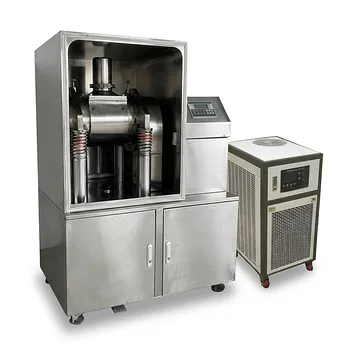
Water Cooled Cryogenic Ultra Fine Cell Wall Breaking Mill
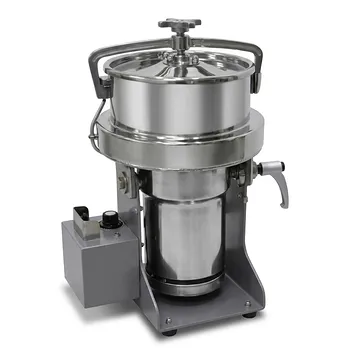
500g Capacity Water Cooled Low Temperature Grinder with Variable Speed and Safety Cover
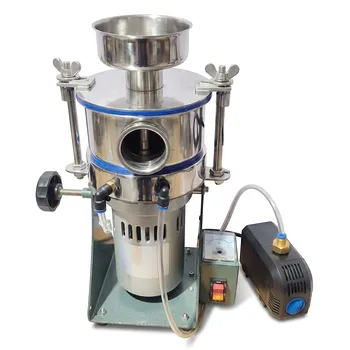
Water Cooled Airflow Ultra Fine Grinder for Low Temperature Material Processing
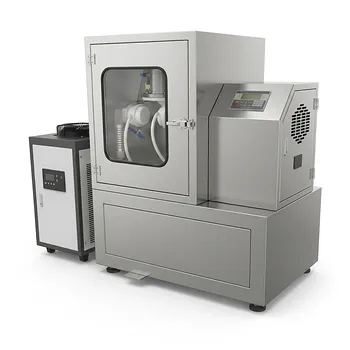
Vibratory Ultra-Low Temperature Ultrafine Grinder for Cryogenic Powder Processing
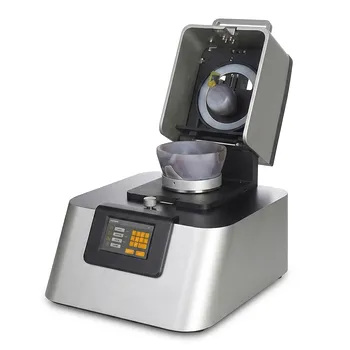
Laboratory Mortar Grinder for Sample Preparation and Cryogenic Powder Homogenization
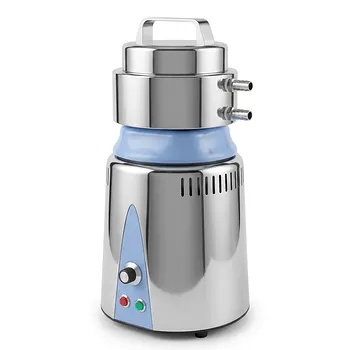
Low Temperature Laboratory Knife Mill Cryogenic Sample Grinder Material Science Powder Processing
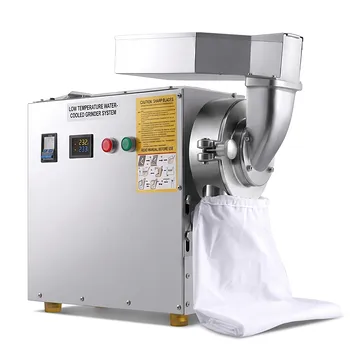
Low Temperature Water Cooled Continuous Feed Grinder Two Stage Coarse and Fine Grinding System
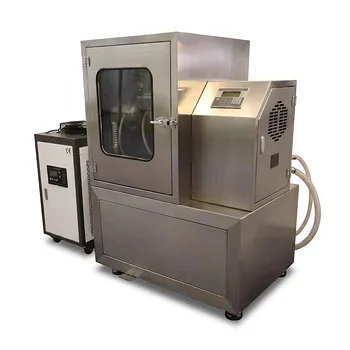
Ultra-Low Temperature Vibratory Mill for Ultrafine Grinding
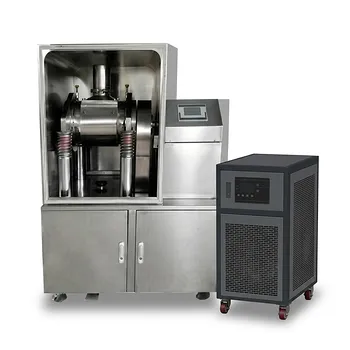
Ultra-low Temperature Vibratory Mill Ultrafine Grinder