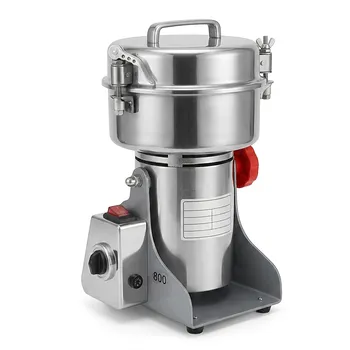
What are the advantages of a laboratory planetary mixer over manual stirring? Achieve Precision in Cement Blending
Updated 4 months ago
Achieving scientific-grade precision in cement testing requires moving beyond the inherent variability of manual processes. A laboratory planetary mixer outperforms manual stirring by providing intensive shear and convective actions that ensure a high degree of homogeneity across multi-component blends in a fraction of the time. This mechanical efficiency eliminates local compositional variations, preventing the inconsistent hydration kinetics and strength fluctuations that often compromise manual samples.
Core Takeaway: The transition from manual stirring to planetary mixing replaces human error with mechanical repeatability, ensuring that dry powder blends are uniform at the microscopic level to produce truly representative experimental data.
Superior Homogeneity Through Multi-Axis Action
Intensive Shear and Convection
A planetary mixer utilizes complex multi-axis revolution and rotation to generate high shear stress throughout the material. Unlike manual stirring, which often leaves "dead zones," this mechanical action forces every particle into a continuous, cyclic flow. This ensures that components like limestone, calcined clay, and gypsum are distributed perfectly within the cement clinker.
Eliminating Local Compositional Variations
Manual stirring struggle to achieve the "random walk" of particles necessary for true blending. Mechanical mixing prevents the fluctuations in hydration kinetics that occur when specific chemical components are clumped together. By ensuring a uniform chemical environment, the resulting hardened paste exhibits consistent strength and microscopic structure.
Precision Handling of Advanced Materials
Breaking Down Ultra-Fine Agglomerates
Ultra-fine powders and nanoparticles, such as nanosilica, naturally tend to self-agglomerate due to inter-particle forces. A planetary mixer provides the mechanical energy required to break these clusters apart, which manual stirring cannot achieve. This allows these fine particles to effectively fill microscopic pores, significantly enhancing the density of the final specimen.
Preventing Component Segregation
When blending materials with different densities, such as tire fragments or synthetic fibers, manual stirring often leads to segregation. The controlled, high-speed movement of a laboratory mixer maintains a three-dimensional, uniform random distribution. This ensures the test sample perfectly matches the design ratio, eliminating errors introduced by uneven manual distribution.
Impact on Experimental Integrity
Enhancing Reproducibility and Reliability
Manual stirring is inherently subjective and varies between technicians or even between different batches from the same person. A planetary mixer offers standardized mixing parameters, including time and speed, which are vital for reproducibility. This precision ensures that the measured data reflects the inherent physicochemical characteristics of the material rather than mixing artifacts.
Optimizing Early Hydration and Heat
Uniform distribution of moisture and powder is a prerequisite for accurate early hydration heat data. Because mechanical mixers ensure that every cement particle is equally accessible to water (once added), the resulting rheological parameters are far more reliable. This leads to hardened specimens with fewer internal defects and more uniform microstructures.
Understanding the Trade-offs
Equipment Cost and Complexity
The primary barrier to adopting planetary mixers is the initial capital investment and the requirement for dedicated laboratory space. These machines require regular maintenance and calibration to ensure the shear forces remain consistent over years of operation. Manual stirring, while less effective, requires no equipment and incurs zero maintenance costs.
Cleaning and Cross-Contamination Risks
Mechanical mixers involve complex blade geometries and bowls that require rigorous cleaning protocols between batches. Residual powder trapped in the mixing head can contaminate subsequent samples if not handled correctly. Manual stirring with disposable tools or simple spatulas often presents a lower risk of cross-batch contamination in high-volume, low-precision environments.
Making the Right Choice for Your Research Goal
How to Apply This to Your Project
Depending on the specific requirements of your cementitious study, your mixing strategy should align with your ultimate data requirements:
- If your primary focus is high-precision chemical analysis: Utilize a planetary mixer to ensure that small-dose additives like gypsum or nanoparticles are uniformly dispersed across the entire sample volume.
- If your primary focus is mechanical strength testing: Prioritize mechanical mixing to eliminate density gradients and air bubbles that could create artificial weak points in the hardened paste.
- If your primary focus is rapid, qualitative screening: Manual stirring may suffice for preliminary "go/no-go" tests where microscopic homogeneity is not a critical variable for the initial result.
The adoption of laboratory planetary mixing is the definitive step toward eliminating procedural noise and ensuring that your cement research stands up to rigorous peer scrutiny.
Summary Table:
| Feature | Manual Stirring | Laboratory Planetary Mixer |
|---|---|---|
| Homogeneity | Low; prone to "dead zones" | Superior; high shear multi-axis action |
| Agglomerate Handling | Struggles with ultra-fine clusters | Effectively breaks down nanoparticles |
| Repeatability | Subjective; varies by technician | High; standardized time and speed |
| Segregation Risk | High; density-based separation | Low; maintains random distribution |
| Cost & Effort | Low cost; high physical effort | Higher investment; automated efficiency |
Elevate Your Material Research with Precision Engineering
Don't let manual inconsistency compromise your experimental integrity. At [Company Name], we provide complete laboratory sample preparation solutions for material science, specializing in advanced powder processing and compaction equipment.
Our extensive product range is designed to ensure your samples meet the highest standards of homogeneity and density:
- Advanced Mixing & Grinding: Planetary mixers, defoaming mixers, planetary ball mills, jet mills, and cryogenic grinders.
- Size Reduction & Analysis: Jaw/roll crushers and vibratory/air-jet sieve shakers.
- Precision Compaction: A full spectrum of hydraulic presses, including Cold/Warm Isostatic Presses (CIP/WIP), XRF pellet presses, and vacuum hot presses.
Whether you are refining cement formulations or developing new ceramics, our equipment eliminates procedural noise to deliver truly representative data. Contact our experts today to find the perfect solution for your laboratory needs!
References
- Munib Ul Rehman, Will P. Gates. Differences in hydration kinetics and phase development of Australian bentonite and kaolinite based limestone calcined clay cements. DOI: 10.1617/s11527-025-02743-5
Mentioned Products
- Horizontal Light Duty Planetary Ball Mill for Laboratory Sample Preparation
- 360° Rotating Omnidirectional Laboratory Planetary Ball Mill for Homogeneous Ultra-Fine Grinding and Mixing
- High Efficiency Vacuum Planetary Centrifugal Mixer and Defoaming Machine for Industrial Material Research and Precise Laboratory Powder Dispersion
- Horizontal Ribbon Mixer for Dry Powder and Slurry Blending
- Three-Dimensional Motion Mixer for Laboratory Powder and Granule Blending
People Also Ask
- What is the function of a planetary ball mill in wollastonite ceramic prep? Achieve Molecular Homogenization & Reactivity
- How does a planetary ball mill contribute to the homogenization of trace elements? Achieve Sub-Micron Uniformity
- What is the function of a high-performance planetary ball mill in AMZ laminates? Master Ceramic Homogenization.
- Why is the use of a planetary ball mill critical for achieving solid-phase reactions in BaO–MgO–ZrO2 powder preparation?
- How does mechanized planetary ball milling compare to manual agate grinding? Optimize sulfide standard material precision.

Tech Team · PowderPreparation
Last updated on Jun 03, 2026
Related Products
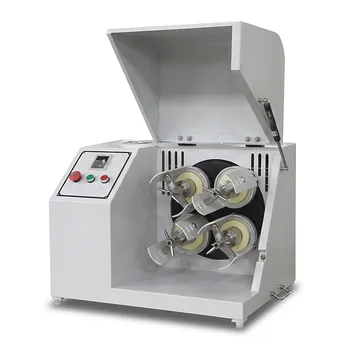
Horizontal Light Duty Planetary Ball Mill for Laboratory Sample Preparation
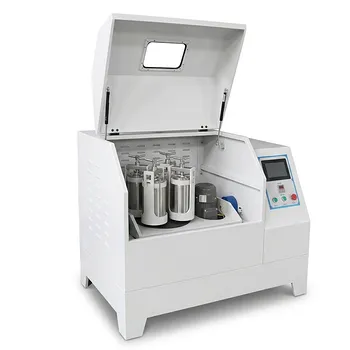
360° Rotating Omnidirectional Laboratory Planetary Ball Mill for Homogeneous Ultra-Fine Grinding and Mixing
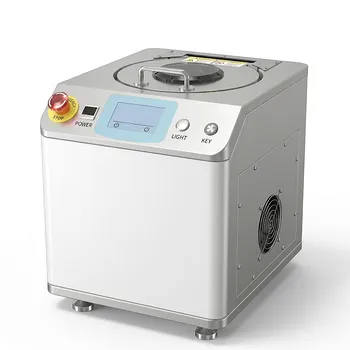
High Efficiency Vacuum Planetary Centrifugal Mixer and Defoaming Machine for Industrial Material Research and Precise Laboratory Powder Dispersion
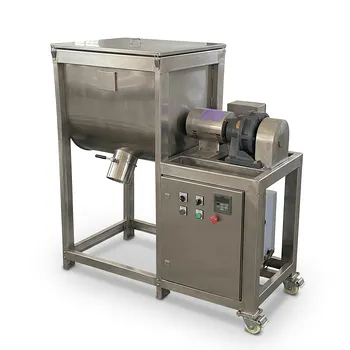
Horizontal Ribbon Mixer for Dry Powder and Slurry Blending
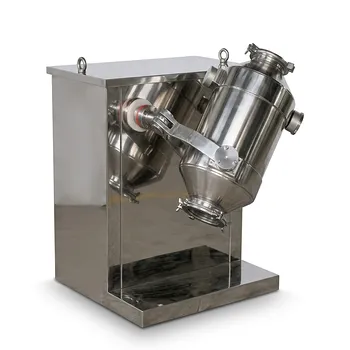
Three-Dimensional Motion Mixer for Laboratory Powder and Granule Blending
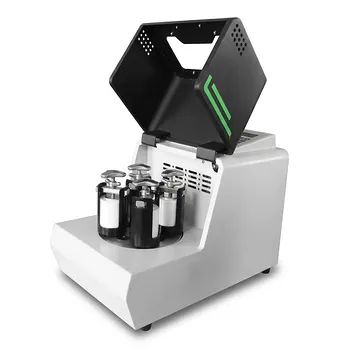
Miniature Planetary Ball Mill with Vacuum Grinding and High Efficiency for Laboratory Sample Preparation
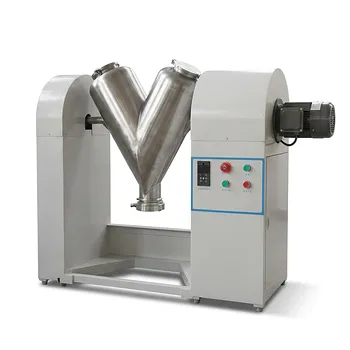
V-Type Powder Mixer for Uniform Blending of Dry Powders and Granules
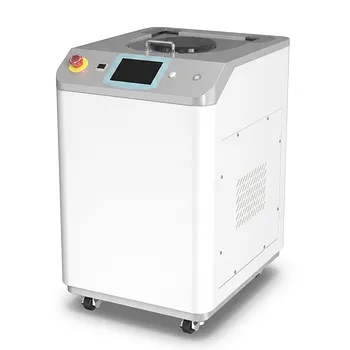
High Viscosity Planetary Centrifugal Mixing and Vacuum Defoaming Machine for Laboratory Material Preparation
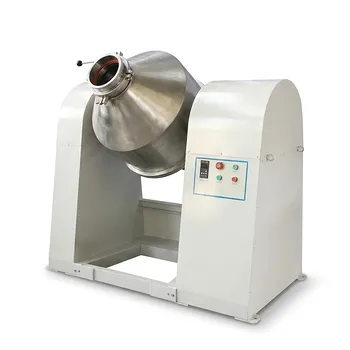
Industrial Double Cone Mixer for Powder Blending and Homogeneous Mixing
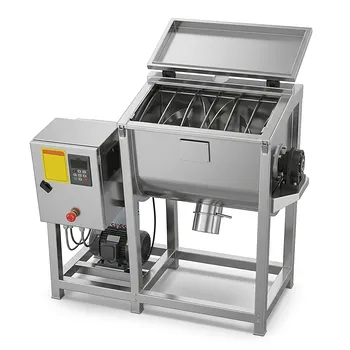
Horizontal Ribbon Mixer for Uniform Powder and Slurry Mixing
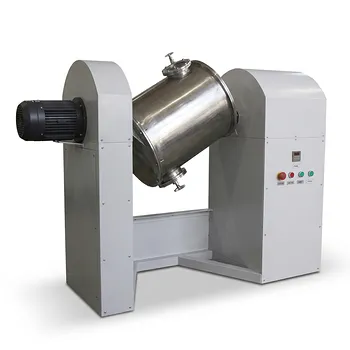
Inclined Mixer for Homogeneous Powder Blending and Grinding
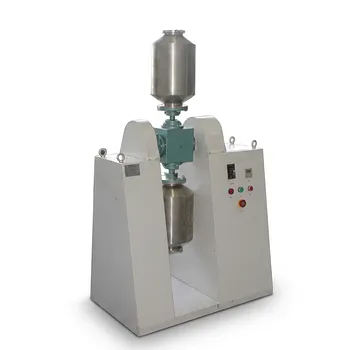
Multi Dimensional Universal Mixer for High Uniformity Powder Blending
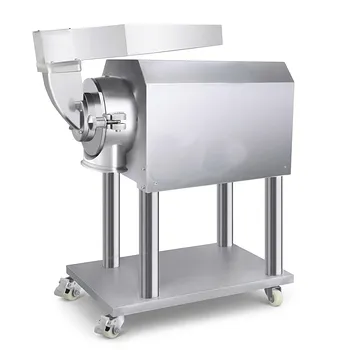
High Speed Small Laboratory Crusher for Dry Material Sample Preparation
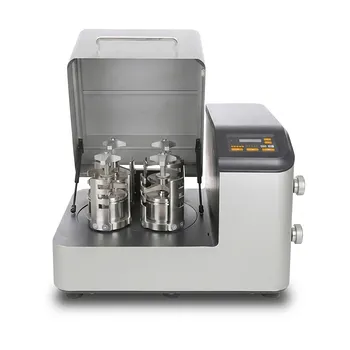
High Energy Planetary Ball Mill for Nano Scale Grinding and Colloidal Mixing in Material Science Research
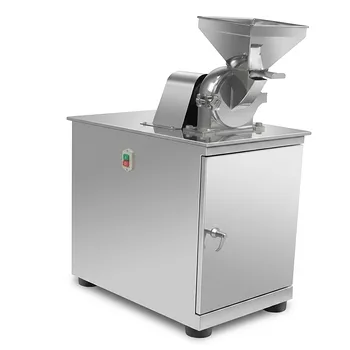
Universal Laboratory Pulverizer Grinder for Small Batch Powder Processing and Material Science Research
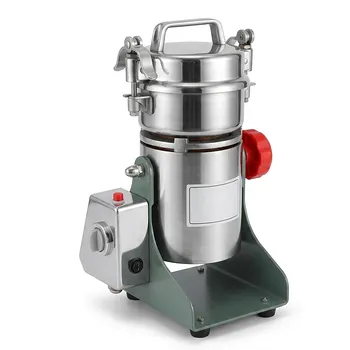
High Speed Swing Type Laboratory Pulverizer for Fine Powder Grinding and Sample Preparation
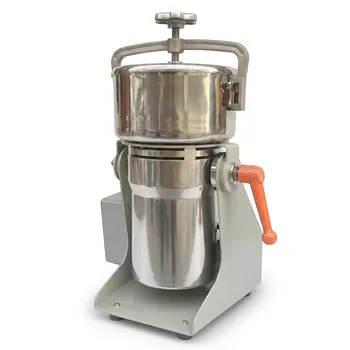
High Speed Laboratory Grinder Efficient Stainless Steel Powder Pulverizer Universal Material Science Mill for Sample Preparation
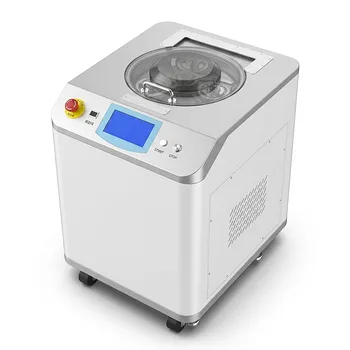
Dual Cup Vacuum Centrifugal Mixer Planetary Paste Defoaming Machine Industrial Material Processor
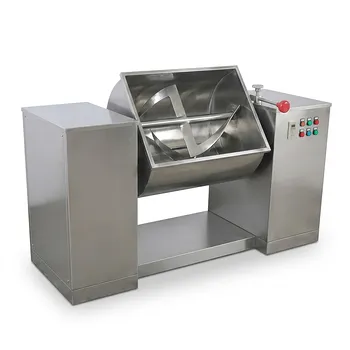
Horizontal Trough Mixer for Uniform Powder and Paste Blending