In what way does the rotation speed of a hammer mill rotor affect the breakage efficiency of materials? Expert Guide
Updated 4 months ago
The rotation speed of a hammer mill rotor is the primary driver of impact kinetic energy and breakage frequency.
By increasing the rotor speed, you directly enhance the intensity and number of strikes delivered to the material, which accelerates crack initiation and the grinding of large particles. This relationship allows for finer particle sizes and higher throughput, provided the speed is optimized to balance energy consumption with material quality.
The rotor speed dictates the magnitude of impact forces and the frequency of collisions; optimizing this variable is essential to achieving maximum breakage efficiency without incurring excessive energy costs or over-grinding.
The Mechanics of Impact Energy
Kinetic Energy and Tip Velocity
The rotation speed determines the linear velocity at the tips of the hammers. Because kinetic energy is proportional to the square of the velocity, even incremental increases in RPM result in significantly more powerful striking forces.
Crack Initiation and Selection Function Theory
According to breakage rate function theory, higher speeds increase the probability that a particle will be hit with enough energy to fracture. This accelerates the "selection" of large particles for size reduction, ensuring a more rapid transition from raw material to finished product.
Impact Frequency and Processing Speed
Beyond the force of a single hit, higher rotation speeds increase the striking frequency. This ensures that material is subjected to more collisions per second, which reduces the average particle diameter within a shorter residence time.
Operational Impact on Material Processing
Controlling Product Fineness
Rotor speed is the primary variable used to manipulate the average particle diameter of the output. Higher speeds produce finer powders by breaking down tough internal structures that would remain intact at lower speeds.
Throughput and Screen Discharge
Increased rotor speed facilitates the movement of material through the screen apertures. The centrifugal force and air turbulence generated by the high-speed rotor help push sized particles through the screen, preventing "blinding" and maintaining high throughput.
The Role of Optimal Calibration
While higher speeds generally increase efficiency, there is an optimal operational point, often cited around 2750 RPM for many industrial applications. Operating at this calibrated speed ensures thorough grinding while avoiding the diminishing returns of energy waste.
Understanding the Trade-offs
Energy Consumption vs. Marginal Gain
The most significant drawback of high rotor speeds is the exponential increase in energy consumption. Operators must determine if the incremental increase in fineness justifies the higher electrical costs associated with high-velocity rotation.
Heat Generation and Material Integrity
Rapid rotation creates friction and air resistance, which translates into heat generation. For heat-sensitive materials, excessive speeds can cause clumping, melting, or degradation of the material’s chemical properties.
The Risk of Excessive Fines
Increasing speed beyond the optimal limit can lead to over-grinding, producing "fines" that may be undesirable for the end product. This not only wastes energy but can also create dust control challenges and reduce the overall yield of the target particle size.
Making the Right Choice for Your Goal
To maximize the efficiency of your hammer mill, you must align the rotor speed with your specific production priorities:
- If your primary focus is maximum fineness: Increase the rotor speed to its upper safe limit to maximize impact energy and crack propagation, acknowledging that energy costs will rise.
- If your primary focus is energy efficiency: Calibrate the rotor to the lowest speed that still meets your required particle size distribution to minimize "no-load" power draws.
- If your primary focus is high throughput: Utilize a moderate-to-high speed to ensure material is aggressively moved through the screen apertures and does not dwell in the grinding chamber.
Precise control of rotor rotation is the most effective lever for balancing technical breakage efficiency with the economic realities of industrial milling.
Summary Table:
| Factor | Effect of Increasing Rotor Speed | Impact on Breakage Efficiency |
|---|---|---|
| Kinetic Energy | Increases exponentially (proportional to velocity squared) | Higher force leads to more rapid particle fragmentation. |
| Strike Frequency | Increases number of collisions per second | Accelerates size reduction and reduces residence time. |
| Particle Fineness | Produces a significantly smaller average diameter | Essential for achieving fine powders and breaking tough structures. |
| Throughput | Enhances centrifugal force and screen discharge | Prevents screen blinding and maintains high processing speeds. |
| Energy & Heat | Higher power consumption and friction heat | Requires calibration to avoid over-grinding and thermal degradation. |
Optimize Your Powder Processing with Precision Equipment
Achieving the perfect particle size requires a balance of speed, energy, and high-quality machinery. At [Your Brand Name], we provide complete laboratory sample preparation solutions for material science, specializing in high-performance powder processing and compaction equipment.
Our extensive product line is engineered to meet the rigorous demands of research and industrial production:
- Milling & Grinding: Advanced crushers (jaw/roll), liquid nitrogen cryogenic grinders, and a variety of mills (planetary ball, jet, sand/bead, disc, rotor).
- Sieving & Mixing: Precision sieve shakers (vibratory/air-jet) and high-efficiency powder or defoaming mixers.
- Compaction Solutions: A full spectrum of hydraulic presses, including Cold/Warm Isostatic Presses (CIP/WIP), standard lab presses, XRF pellet presses, and vacuum hot presses.
Need help calibrating your milling process or selecting the right equipment? Contact our technical experts today to discover how our specialized solutions can enhance your lab's efficiency and material quality!
References
- B. Kengne, Ali Ahmed. Performance Multicriteria Optimization of Locally Fabricated Hammer Mill using Population Balance Model. DOI: 10.38177/ajast.2023.7308
Mentioned Products
- Laboratory Hammer Mill for Coal Quality Analysis and Brittle Mineral Grinding
- Customized Sealed Laboratory Hammer Crusher for Coal and Medium Hardness Sample Preparation
- Laboratory Sealed Hammer Crushers for Coal Sample Preparation and Medium Strength Material Crushing
- Sealed Hammer Crusher for Laboratory Coal Sample Preparation Adjustable Output Size
- Laboratory Sealed Hammer Crusher for Coal and Mineral Sample Preparation
People Also Ask
- What role does a laboratory hammer mill play in bio-based particleboard prep? Optimize Feedstock for Better Bonding
- What role does a laboratory hammer mill play in composite powder prep? Precision Grinding for Uniform Blending.
- What role does a laboratory mill play in the study of lignite coal co-combustion? Optimizing Fuel Blends and Reactivity
- What is the purpose of using a laboratory mill to grind dried precipitates? Optimize TiO2/AuNRs Catalyst Homogeneity
- What is the function of a laboratory mill in Cassia tora L. seed analysis? Master Precision Thermal Data Prep.

Tech Team · PowderPreparation
Last updated on May 14, 2026
Related Products
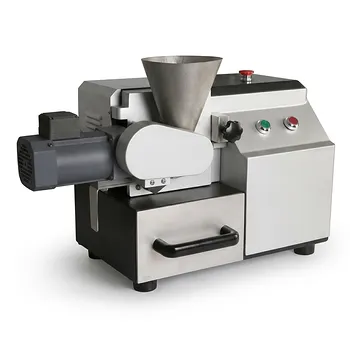
Laboratory Hammer Mill for Coal Quality Analysis and Brittle Mineral Grinding
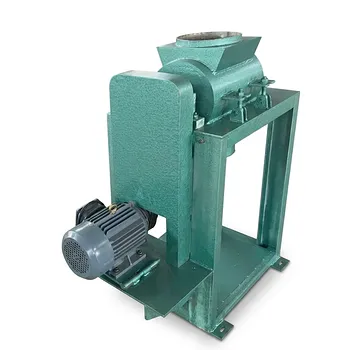
Customized Sealed Laboratory Hammer Crusher for Coal and Medium Hardness Sample Preparation
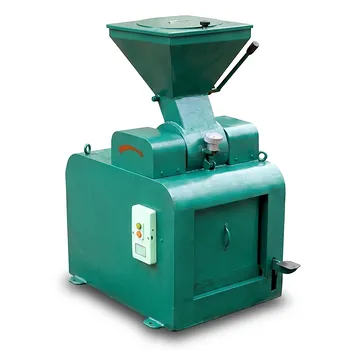
Laboratory Sealed Hammer Crushers for Coal Sample Preparation and Medium Strength Material Crushing
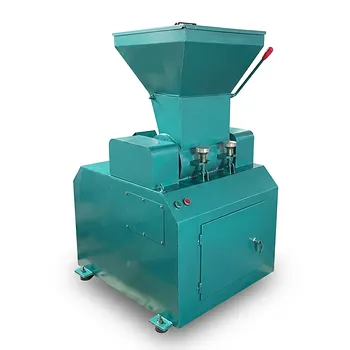
Sealed Hammer Crusher for Laboratory Coal Sample Preparation Adjustable Output Size
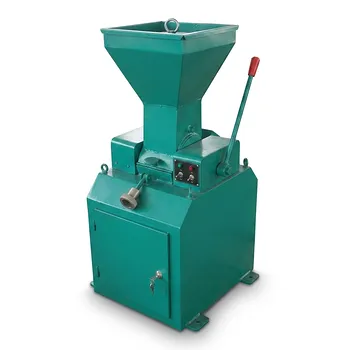
Laboratory Sealed Hammer Crusher for Coal and Mineral Sample Preparation
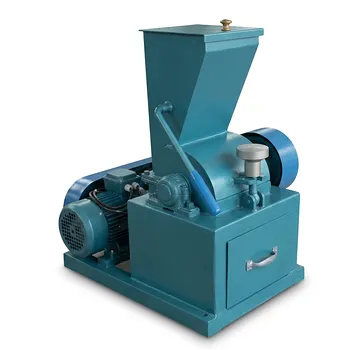
Small Hammer Crusher for Brittle Material Crushing in Mining Metallurgy and Lab Sample Preparation
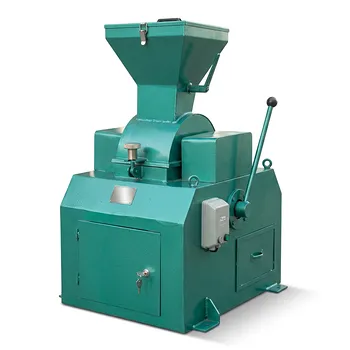
Laboratory Sealed Hammer Blade Crusher Divider for High Hardness Sample Preparation
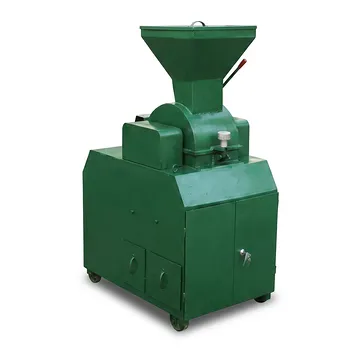
Industrial Sealed Hammer Knife Crusher for Mining Ore and Coal Sample Preparation
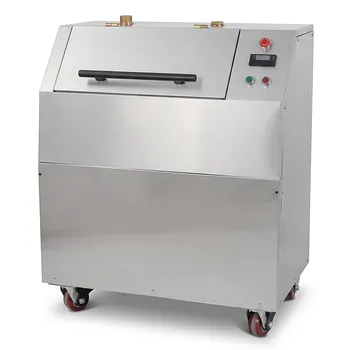
Vibratory Disc Mill for Rapid Fine Grinding and High Throughput Sample Preparation of Hard and Brittle Materials
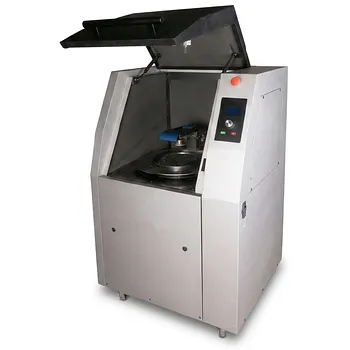
High Speed Vibratory Disc Mill for Spectral Analysis Sample Preparation and Rapid Powder Grinding
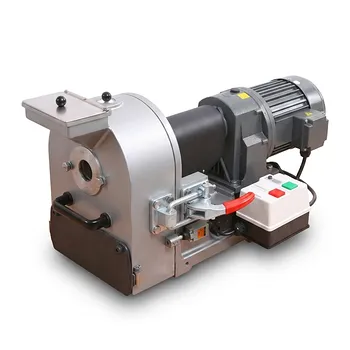
Laboratory Disc Mill for Fine Sample Preparation of Hard and Brittle Materials
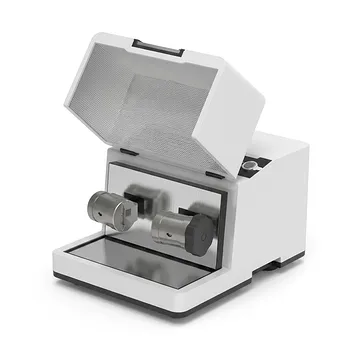
Heating Temperature Controlled High Energy Vibratory Ball Mill
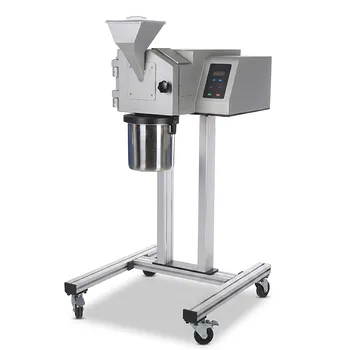
Cross Beater Mill for Brittle Material Grinding and Continuous Fine Crushing Industrial Sample Preparation
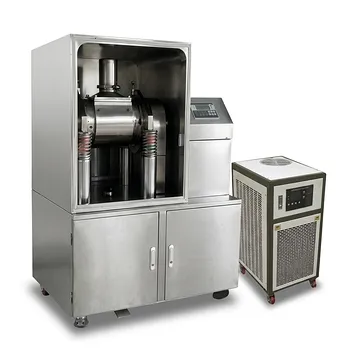
Small Vibrating Ultrafine Grinder for Traditional Chinese Medicine
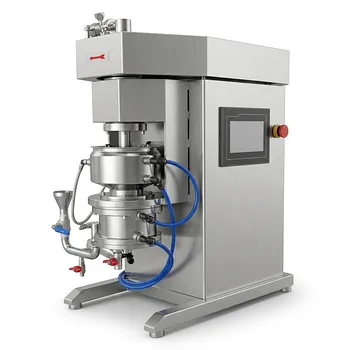
Small Ceramic Structure Laboratory Sand Mill Nanoscale Grinding Dispersion Equipment Seal-less Screen-less Design
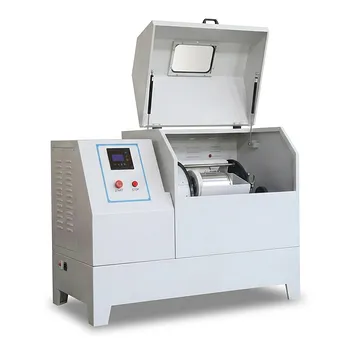
Heavy Duty Horizontal Planetary Ball Mill for Efficient Industrial Grinding and Sample Preparation
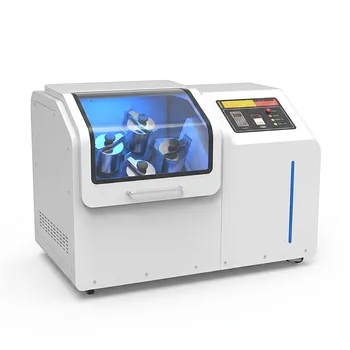
High Energy Omnidirectional Planetary Ball Mill 16L
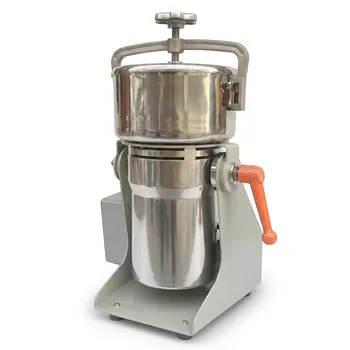
High Speed Laboratory Grinder Efficient Stainless Steel Powder Pulverizer Universal Material Science Mill for Sample Preparation
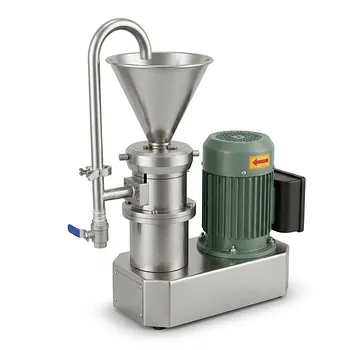
Small Laboratory Colloid Mill for Ultra-Fine Wet Grinding and Emulsification