What role does a laboratory hammer mill play in bio-based particleboard prep? Optimize Feedstock for Better Bonding
Updated 3 months ago
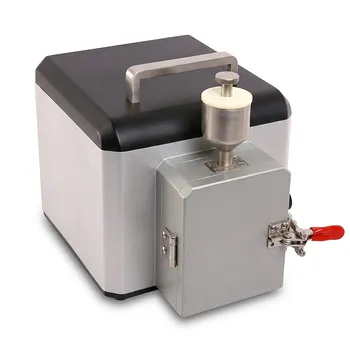
In the production of bio-based particleboards, the laboratory hammer mill serves as the critical secondary refinement stage for biomass raw materials. It utilizes high-speed mechanical impact to transform forestry residues—such as branches, bark, and needles—into precise particles or powders. By employing integrated metal screens, the mill ensures the material achieves the exact size required for successful classification and hot press molding.
The laboratory hammer mill acts as a bridge between raw forest waste and a standardized industrial feedstock. Its primary role is to maximize surface area and ensure physical uniformity, which are the two most important factors for inter-particle bonding in bio-based composites.
The Mechanical Process of Refinement
High-Speed Impact and Disintegration
The hammer mill processes forestry residues that have already undergone an initial cutting stage. Rotating hammers strike the material at high velocities, shattering the cellular structure of the biomass.
This mechanical disruption is essential for converting irregular waste into a granular form suitable for composite processing. It moves the material beyond its raw state into a workable medium.
Precision Control via Integrated Screens
The final dimensions of the particles are governed by integrated metal screens located within the mill chamber. Only particles that have been reduced below the screen's aperture size are allowed to exit the system.
This mechanism provides the precise control over physical morphology required for laboratory-scale experiments. It ensures that the resulting powder is consistent enough for subsequent particle size classification.
Enhancing Material Properties for Bonding
Increasing Specific Surface Area
One of the deepest needs addressed by the hammer mill is the significant increase in specific surface area. By pulverizing the wood into fine particles, more area is exposed for the resin or natural binders to adhere to.
This increased exposure is critical for inter-particle bonding, which directly dictates the mechanical strength of the final board. Without this refinement, the board would suffer from structural voids and weak points.
Disrupting Lignocellulosic Structures
The high-speed impact does more than just reduce size; it disrupts the dense microscopic structure of the wood. This "opening up" of the material creates more active sites for thermochemical reactions during the hot-pressing phase.
In advanced bio-based applications, this disruption also allows for better penetration of solvents or additives. This ensures a highly uniform distribution of components at the microscopic scale.
Understanding the Trade-offs
Thermal Sensitivity and Heat Generation
The friction generated by high-speed hammers can lead to localized heat buildup within the mill. If the biomass has a low degradation temperature, this heat may slightly alter the chemical profile of the raw material before it ever reaches the press.
The Necessity of Pre-Treatment
A hammer mill is not designed to handle large wood blocks or heavy timber directly. It requires a primary cutting stage—often using a laboratory cutting mill—to reduce large waste into fragments smaller than 10mm.
Dust and Fines Production
Mechanical grinding inherently produces a percentage of "fines" or dust that may be too small for certain particleboard standards. Researchers must account for material loss during the subsequent classification stage to ensure the final product maintains its intended density.
Making the Right Choice for Your Goal
How to Apply This to Your Project
To achieve the best results in bio-based particleboard preparation, your use of the hammer mill should align with your specific experimental objectives:
- If your primary focus is Maximum Structural Strength: Use a finer screen to increase the specific surface area, ensuring a more robust bond between the particles and the adhesive matrix.
- If your primary focus is Experimental Validity: Ensure the hammer mill settings remain identical between your control wood groups and your experimental bio-waste groups to maintain physical consistency.
- If your primary focus is Chemical Reactivity: Prioritize the disruption of the lignocellulosic structure through higher rotor speeds to allow for better penetration of deep eutectic solvents or resins.
The laboratory hammer mill is the fundamental tool for converting heterogeneous forest waste into a homogenous, high-performance raw material for sustainable manufacturing.
Summary Table:
| Feature | Mechanism | Benefit for Bio-Composites |
|---|---|---|
| High-Speed Impact | Shatters biomass cellular structure | Converts irregular waste into workable granules |
| Integrated Screens | Precise size filtration | Ensures physical morphology & consistency |
| Surface Area Boost | Extensive pulverization | Enhances resin adhesion & bonding strength |
| Structural Disruption | "Opening" lignocellulosic fibers | Improves chemical reactivity during hot pressing |
Elevate Your Material Research with Comprehensive Lab Solutions
Achieving superior mechanical strength in bio-based composites requires precision at every stage of preparation. [Brand Name] provides complete laboratory sample preparation solutions for material science, specializing in high-performance powder processing and compaction equipment.
Our extensive product line supports your entire workflow:
- Initial Reduction: Robust jaw and roll crushers for raw forestry waste.
- Fine Refinement: Laboratory hammer mills, planetary ball mills, and jet mills for precise particle size control.
- Classification & Mixing: Sieve shakers and high-efficiency powder or defoaming mixers.
- Advanced Compaction: A full spectrum of hydraulic presses, including Cold/Warm Isostatic Presses (CIP/WIP), vacuum hot presses, and XRF pellet presses.
Maximize your material's surface area and ensure uniform bonding with equipment designed for consistency and durability.
Ready to optimize your laboratory workflow?
Contact Our Technical Team Today to find the ideal equipment for your sustainable manufacturing goals.
References
- Janis Andris Krumins, Dagnija Blumberga. Particle Boards from Forest Residues and Bio-Based Adhesive. DOI: 10.3390/buildings14020462
Mentioned Products
- Laboratory Hammer Mill for Coal Quality Analysis and Brittle Mineral Grinding
- Customized Sealed Laboratory Hammer Crusher for Coal and Medium Hardness Sample Preparation
- Laboratory Sealed Hammer Crushers for Coal Sample Preparation and Medium Strength Material Crushing
- Sealed Hammer Crusher for Laboratory Coal Sample Preparation Adjustable Output Size
- Laboratory Sealed Hammer Crusher for Coal and Mineral Sample Preparation
People Also Ask
- What role does a laboratory hammer mill play in composite powder prep? Precision Grinding for Uniform Blending.
- What role does a laboratory mill play in the study of lignite coal co-combustion? Optimizing Fuel Blends and Reactivity
- What is the purpose of using a laboratory mill to grind dried precipitates? Optimize TiO2/AuNRs Catalyst Homogeneity
- What is the function of a laboratory mill in Cassia tora L. seed analysis? Master Precision Thermal Data Prep.
- What function does a laboratory mill serve in corn starch saccharification experiments? Optimize Surface Area & Reactions

Tech Team · PowderPreparation
Last updated on Jun 03, 2026
Related Products
Laboratory Hammer Mill for Coal Quality Analysis and Brittle Mineral Grinding
Customized Sealed Laboratory Hammer Crusher for Coal and Medium Hardness Sample Preparation
Laboratory Sealed Hammer Crushers for Coal Sample Preparation and Medium Strength Material Crushing
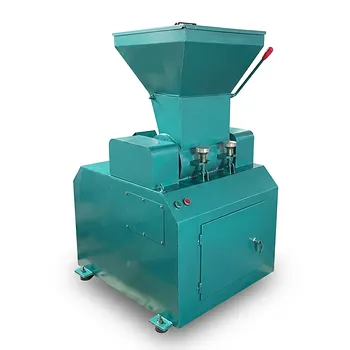
Sealed Hammer Crusher for Laboratory Coal Sample Preparation Adjustable Output Size
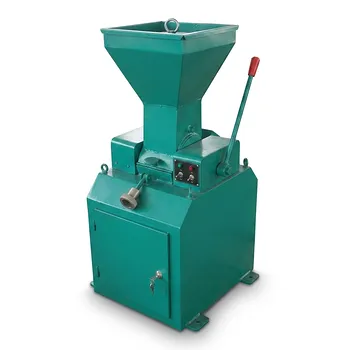
Laboratory Sealed Hammer Crusher for Coal and Mineral Sample Preparation
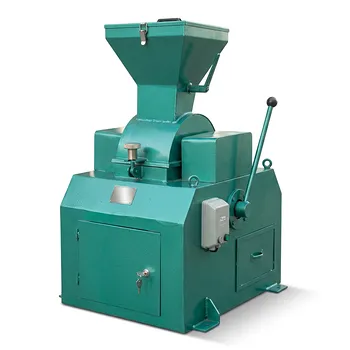
Laboratory Sealed Hammer Blade Crusher Divider for High Hardness Sample Preparation
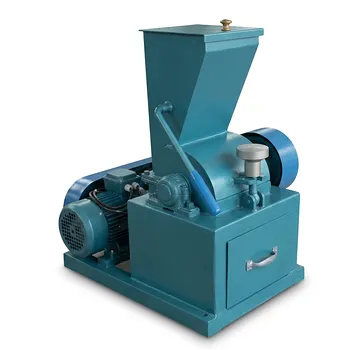
Small Hammer Crusher for Brittle Material Crushing in Mining Metallurgy and Lab Sample Preparation
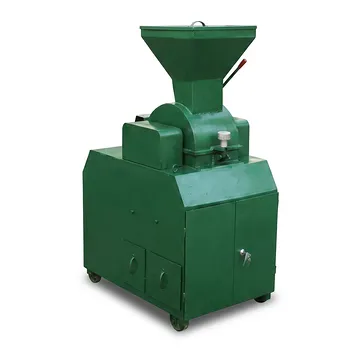
Industrial Sealed Hammer Knife Crusher for Mining Ore and Coal Sample Preparation
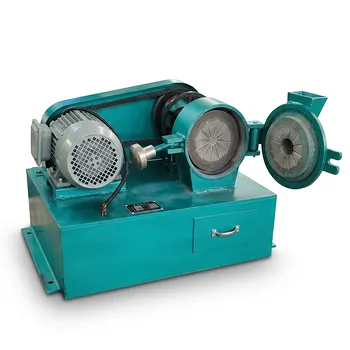
Laboratory Disc Mill Medium Hard Material Grinding Coal Coke Ore Pulverizer
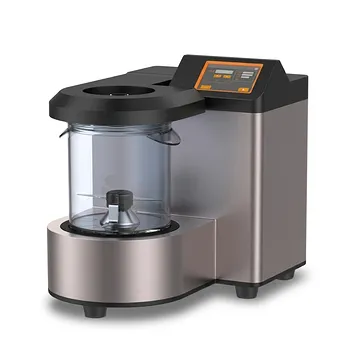
Laboratory Knife Mill for Large Volume Sample Homogenization and Food Preparation
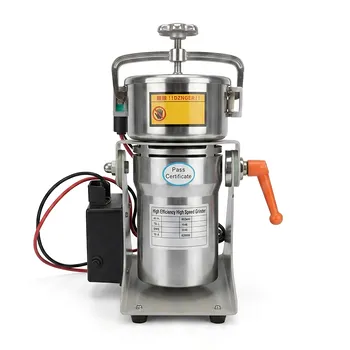
High Efficiency High Speed Grinder Laboratory Mill 1300W 25000rpm
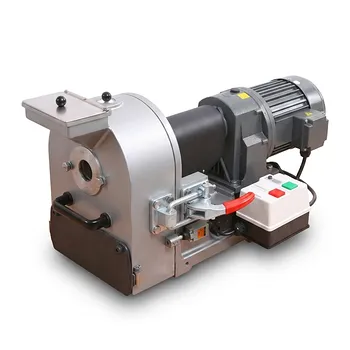
Laboratory Disc Mill for Fine Sample Preparation of Hard and Brittle Materials
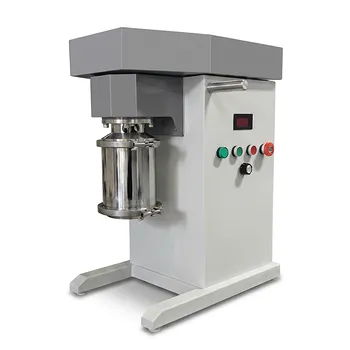
Nano Laboratory Bead Mill Desktop Sub Micron Sand Mill Screenless Seal Less Powder Grinder
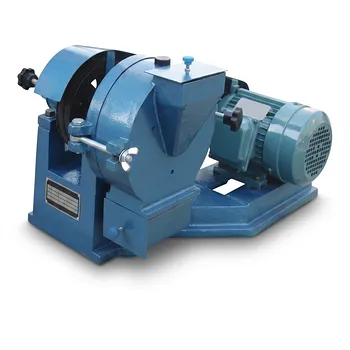
Laboratory Disc Mill for Ore and Mineral Sample Preparation
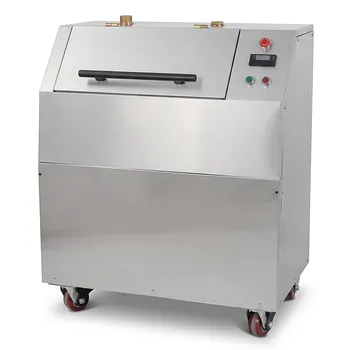
Vibratory Disc Mill for Rapid Fine Grinding and High Throughput Sample Preparation of Hard and Brittle Materials
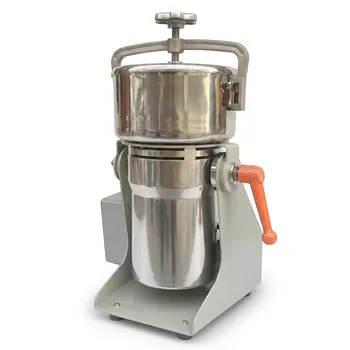
High Speed Laboratory Grinder Efficient Stainless Steel Powder Pulverizer Universal Material Science Mill for Sample Preparation
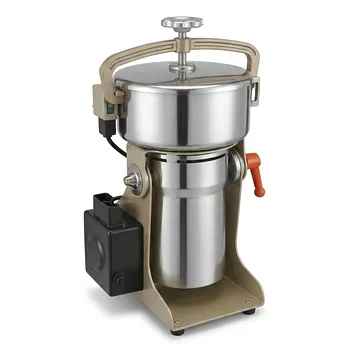
Multifunctional High Efficiency High Speed Laboratory Grinder
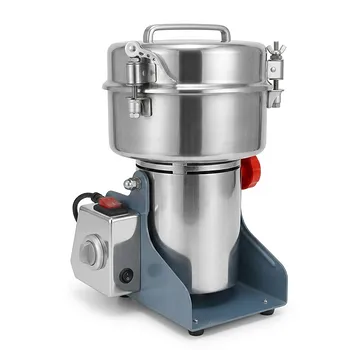
Small High-Speed Grinder for Efficient Laboratory Sample Preparation
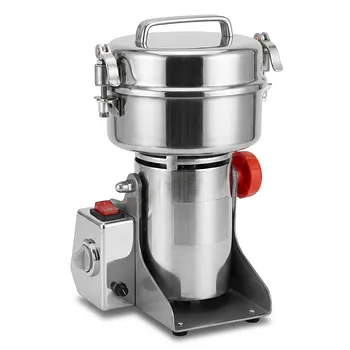
High Speed Laboratory Powder Grinder Small Batch Sample Preparation Mill