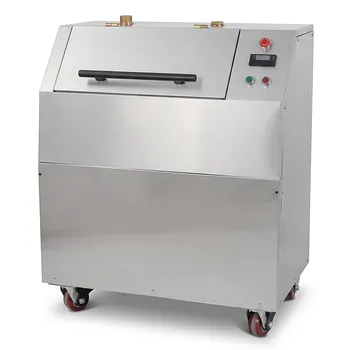
How is a vibratory sieve shaker used to evaluate Isoniazid granules? Optimize PSD for Superior Pharmaceutical Quality
Updated 5 months ago
A vibratory sieve shaker evaluates Isoniazid granules by performing mechanical screening through a series of standard sieves to accurately determine particle size distribution (PSD). This process allows technical personnel to calculate critical metrics such as D10, D50, D90, and the Span value, which provide a quantitative measure of granule uniformity. By ensuring the granules fall within a specific size range—typically between 850 μm and 250 μm—manufacturers can guarantee consistent material flow and prevent segregation during high-speed tablet compression.
The vibratory sieve shaker acts as a definitive diagnostic tool for granulation quality, transforming physical separation into actionable data. By measuring the mass distribution across multiple sieve layers, it provides the objective evidence needed to ensure Isoniazid tablets comply with pharmacopeial weight variation and content uniformity standards.
Quantifying Particle Size Distribution (PSD)
The Mechanics of Physical Separation
The shaker utilizes electromagnetic or mechanical vibration to drive Isoniazid granules through a vertical stack of standard test sieves with decreasing apertures. This action physically grades the granules, ensuring that each particle is presented to the sieve mesh multiple times in different orientations.
Defining D-Values for Isoniazid
The data obtained is used to identify the D10, D50 (median diameter), and D90 values, representing the particle sizes below which 10%, 50%, and 90% of the sample mass resides. These benchmarks are essential for determining if the grinding or sizing process has achieved the required particle size threshold for Isoniazid formulations.
Calculating Fine Content
Technical personnel weigh the residue on each sieve layer to calculate the percentage of fine powder (e.g., particles smaller than 250 or 500 microns). Excess fines can lead to "capping" or "lamination" during tableting, making this measurement a critical predictor of batch success.
Evaluating Uniformity and Flowability
The Significance of the Span Value
The Span value, calculated from the D-values, indicates the width of the particle size distribution; a lower Span signifies higher uniformity. High uniformity in Isoniazid granules is vital for maintaining a consistent uniformity index (Iθ), which directly influences the stability of the granulation process.
Preventing Component Segregation
If the PSD is too wide, smaller particles can settle at the bottom of the hopper while larger granules remain at the top—a phenomenon known as segregation. Evaluating uniformity ensures that the active pharmaceutical ingredient (API) remains evenly distributed throughout the blend.
Ensuring Tablet Weight Compliance
Consistent particle size ensures a steady mass flow from the hopper into the die cavities of a high-speed tablet press. This precision is what allows the final Isoniazid tablets to meet strict pharmacopeial standards for weight variation.
Understanding Technical Limitations and Trade-offs
Mechanical Stress and Granule Attrition
Extended sieving times or excessive vibration intensity can cause mechanical stress, leading to the breakdown of fragile Isoniazid granules. This "attrition" can artificially increase the measured fine content, resulting in data that does not accurately reflect the state of the granules prior to testing.
Impact of Granule Shape and Moisture
Sieve analysis assumes particles are spherical; however, needle-like or irregular granules may pass through the mesh end-first, skewing the PSD results. Additionally, high moisture content can cause granules to stick together or clog the mesh (blinding), requiring the use of ultrasonic or air-jet assistance to maintain accuracy.
Sampling Error Risks
The accuracy of the evaluation is highly dependent on representative sampling; if the small portion tested does not reflect the entire batch, the results will be misleading. Standardized protocols for sample collection and divider use are necessary to minimize these discrepancies.
Making the Right Choice for Your Project
How to Apply This to Your Process
To effectively evaluate Isoniazid granules, you must align your sieving parameters with your specific manufacturing goals.
- If your primary focus is flowability in high-speed presses: Prioritize the D50 and Span values to ensure a narrow distribution that prevents hopper bridging and segregation.
- If your primary focus is preventing tablet defects like capping: Closely monitor the percentage of fines passing through the 250 μm sieve to keep dust levels within acceptable limits.
- If your primary focus is process optimization: Use the uniformity index (Iθ) to compare different granulation batches and adjust your milling or spray-rate parameters accordingly.
By integrating vibratory sieve analysis into your quality control workflow, you transition from subjective observation to precise, data-driven mastery of Isoniazid granule quality.
Summary Table:
| Key Metric | Evaluation Focus | Impact on Manufacturing |
|---|---|---|
| PSD (D10, D50, D90) | Particle Size Distribution | Determines if granules meet required sizing thresholds. |
| Span Value | Distribution Width | Indicates uniformity; lower values prevent component segregation. |
| Fine Content | Particles < 250 μm | Monitoring fines prevents tablet defects like capping or lamination. |
| Mass Flow | Consistent Flowability | Ensures accurate die filling for pharmacopeial weight compliance. |
Optimize Your Pharmaceutical Granulation Workflow
Achieve data-driven precision in your material science projects with our complete laboratory sample preparation solutions. At [Company Name], we specialize in the entire powder processing and compaction lifecycle. Whether you need to accurately evaluate particle size with our advanced vibratory and air-jet sieve shakers or require high-performance planetary ball mills and jet mills for fine grinding, we have the expertise to support your goals.
Our extensive product line includes:
- Sample Preparation: Crushers, cryogenic grinders, and high-precision mills.
- Sieving & Mixing: Sieve shakers, test sieves, and vacuum defoaming mixers.
- Compaction Solutions: A full spectrum of hydraulic presses, including Cold/Warm Isostatic Presses (CIP/WIP), XRF pellet presses, and vacuum hot presses.
Ensure consistent granule uniformity and superior tablet quality today. Contact our technical experts for a customized solution!
References
- Valentyn Mohylyuk, Dace Bandere. High-Speed Tableting of High Drug-Loaded Tablets Prepared from Fluid-Bed Granulated Isoniazid. DOI: 10.3390/pharmaceutics15041236
Mentioned Products
- Vibratory Sieve Shaker Electromagnetic 3D Motion Powder Particle Size Analyzer for Dry and Wet Sieving
- Laboratory Dry and Wet Three Dimensional Vibratory Sieve Shaker for Particle Analysis
- Dry Three Dimensional Vibratory Sieve Shaker
- Stainless Steel Laboratory Vibratory Test Sieve Shaker
- Heavy Duty Dry Three Dimensional Vibratory Sieve Shaker for Particle Separation
People Also Ask
- How does a vibratory sieve shaker contribute to optimizing the performance of activated carbon? Enhance Adsorption Precision
- Why is a laboratory vibratory sieve shaker necessary for processing magnesium-based borate precursor powders? Boost Activity
- Why use a vibratory sieve shaker to verify coarse aggregate grading in rubberized concrete? Ensure Structural Integrity
- What function do vibratory sieve shakers and standard test sieves serve in the preparation of adsorbents? Key Guide
- What role does a vibratory sieve shaker play in the particle size analysis of ground corn products? Enhance QC Precision

Tech Team · PowderPreparation
Last updated on May 14, 2026
Related Products
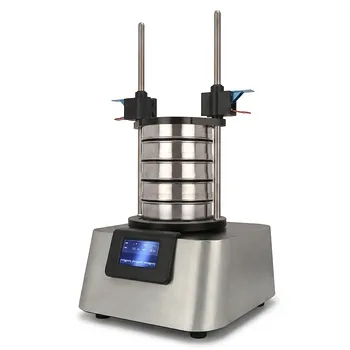
Vibratory Sieve Shaker Electromagnetic 3D Motion Powder Particle Size Analyzer for Dry and Wet Sieving
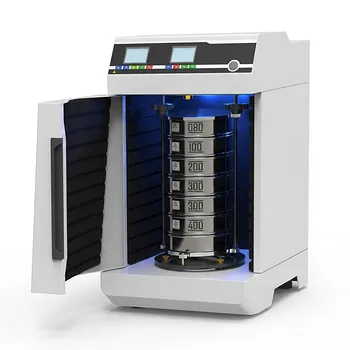
Laboratory Dry and Wet Three Dimensional Vibratory Sieve Shaker for Particle Analysis
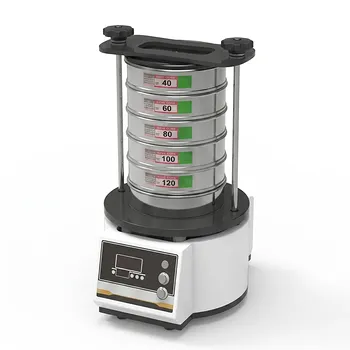
Dry Three Dimensional Vibratory Sieve Shaker
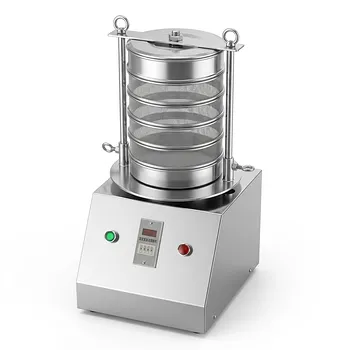
Stainless Steel Laboratory Vibratory Test Sieve Shaker
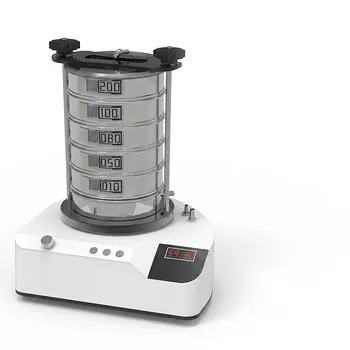
Heavy Duty Dry Three Dimensional Vibratory Sieve Shaker for Particle Separation
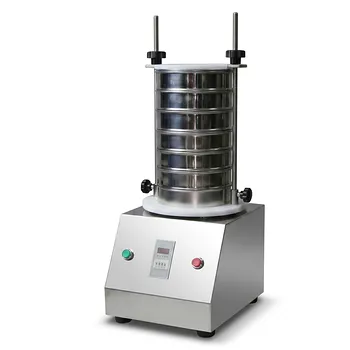
Small Laboratory Vibratory Sieve Shaker for Powder Gradation and Particle Size Analysis
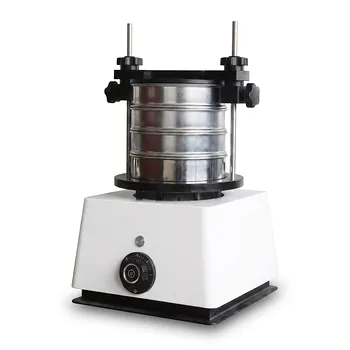
Small Laboratory Vibrating Sieve Shaker for Precise Particle Size Analysis
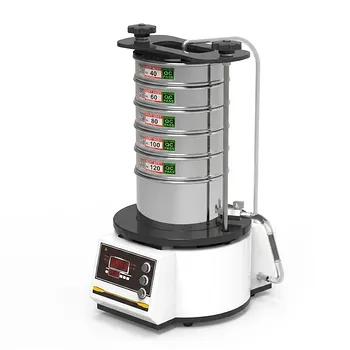
High Frequency Wet Three-Dimensional Vibrating Sieve Shaker for Dry and Wet Particle Size Analysis
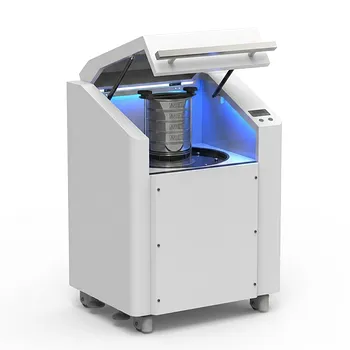
High Frequency Cabinet Type Three-Dimensional Rotary Vibrating Sieve Shaker for Dry Sieving and Particle Classification
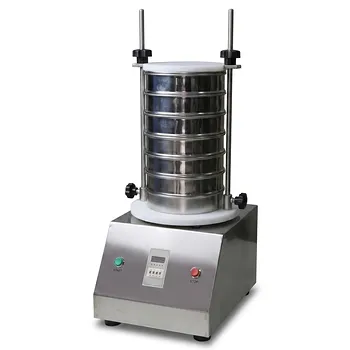
Laboratory Vibratory Test Sieve Shaker for Precision Particle Size Analysis and Powder Grading
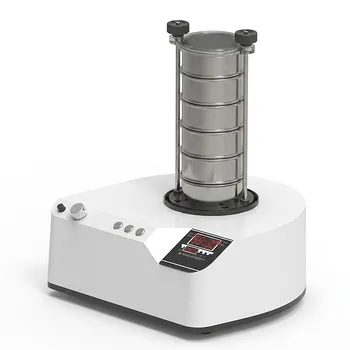
三维电磁微量振动筛分仪
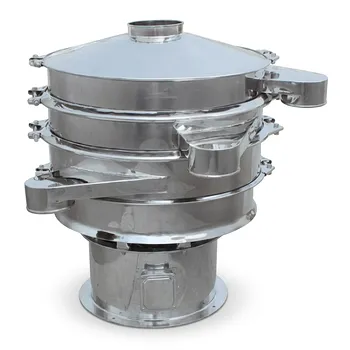
Stainless Steel Rotary Vibrating Sieve High Precision Circular Vibratory Separator Industrial Powder Grading Machine Multi Layer Sifting Equipment
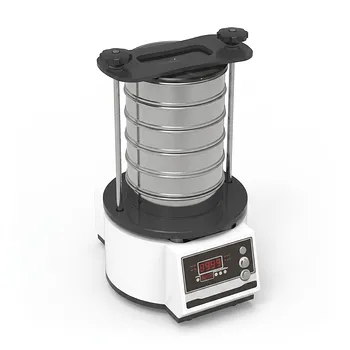
Tapping Oscillating Sieve Shaker for Dry and Wet Particle Size Analysis
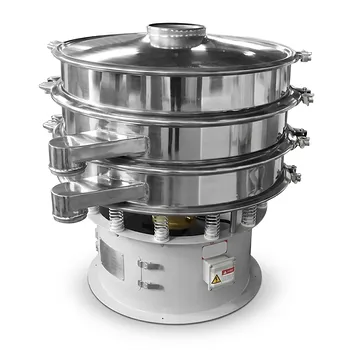
Three Dimensional Rotary Vibrating Sieve
Vibratory Superfine Grinder for Ultra Fine Laboratory Powder Milling
Small Vibrating Ultrafine Grinder for Traditional Chinese Medicine
Automatic Vibrating Powder Feeder for Laboratory Material Processing Precision Vibratory Hopper Feeder for Granular and Powder Material Handling Industrial Grade Vibrating Tray Feeder for Consistent Material Sample Preparation