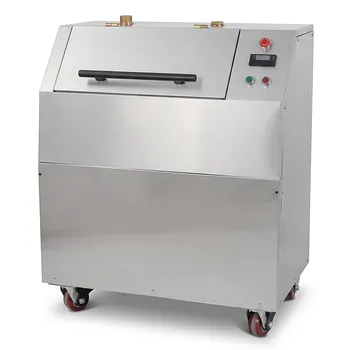
How is a programmable vibratory sieve shaker utilized to optimize biomass pelletization? Enhance Fuel Quality & Yield.
Updated 5 months ago
The use of a programmable vibratory sieve shaker is fundamental to stabilizing the pelletization process by providing precise control over raw material dimensions. It allows operators to accurately map the particle size distribution (PSD) of materials like cherry stones and sawdust, identifying dominant fractions such as 1.00 mm and 0.50 mm respectively. By standardizing these sizes, manufacturers can optimize the compression efficiency of the pellet press, ensuring high-density output while significantly reducing the energy required for production.
A programmable vibratory sieve shaker transforms biomass pelletization into a precise science by ensuring uniform particle grading. This control is the key to maximizing the mechanical integrity, energy density, and thermal stability of the final fuel pellets.
The Role of Particle Size Distribution in Pellet Quality
Mapping Raw Material Characteristics
A vibratory sieve shaker uses controlled mechanical vibration to pass crushed biomass through a stack of standard test sieves. For materials like cherry stones, the 1.00 mm fraction is often dominant, while sawdust typically requires a 0.50 mm fraction for optimal processing. Identifying these specific distributions allows operators to adjust grinding equipment to match the ideal profile for the pellet press.
Enhancing Material Filling Density
Precise grading ensures a "scientific particle size distribution" where finer particles fill the voids between larger fibers. This high filling density allows for partial densification even under low-pressure conditions. Improved filling leads to better mechanical interlocking strength within the pellet, preventing a loose or crumbly structure.
Controlling Chemical and Binder Efficiency
Uniform particle sizes prevent fine powders from consuming excessive amounts of binding agents, which can happen when surface area is too high. Conversely, isolating oversized coarse particles prevents structural weak points that cause pellets to break during transport. This balance ensures that the physical stability and bulk density of the finished product remain consistent across batches.
Impact on Manufacturing and Energy Efficiency
Optimizing Compression and Feed Uniformity
When the feed material is uniform, the pellet press operates with consistent resistance, leading to better compression efficiency. Inconsistent particle sizes can cause uneven pressure distribution during the molding process. This variation often results in mechanical failure or reduced structural integrity of the pellets after they exit the die.
Reducing Production Energy Consumption
Utilizing a sieve shaker to achieve a reasonable grading of particles directly lowers the energy required for forming. Finer, well-graded particles achieve partial densification more easily, requiring less mechanical force from the press. This efficiency translates to lower electricity costs and reduced wear and tear on expensive machinery.
Stabilizing Thermal Processing
Beyond the press, uniform particles are critical for heat and mass transfer during drying or hydrothermal carbonization (HTC). Consistent dimensions ensure that heat is distributed evenly, preventing localized over-reaction or incomplete processing of oversized particles. This leads to a more predictable and high-quality combustion rate in the final fuel product.
Understanding the Trade-offs
The Cost of Over-Processing
While finer particles generally improve pellet density, grinding materials to an excessively small size increases energy expenditure in the pre-processing stage. Manufacturers must find the "sweet spot" where the energy saved during pelletization is not outweighed by the energy spent on intensive grinding and fine-mesh sieving.
Material Yield vs. Uniformity
Rigorous sieving to remove "dust" or oversized fibers can lead to higher material waste if the rejected fractions are not recycled. While removing these extremes improves the mechanical properties of the pelletboard or fuel, it may lower the total volume of the final output. Operators must balance the need for high-performance pellets with the economic reality of raw material utilization.
Strategic Implementation for Production Goals
Applying Sieve Analysis to Your Project
To successfully optimize your biomass pelletization process, your sieving strategy should align with your specific performance targets.
- If your primary focus is maximizing pellet density: Prioritize a grading profile that includes a higher percentage of fine particles (under 0.5 mm) to increase filling density and interlocking strength.
- If your primary focus is reducing energy costs: Use the sieve shaker to eliminate oversized coarse fibers that resist compression, allowing the pellet press to operate at lower pressure.
- If your primary focus is thermal stability and combustion: Ensure high size uniformity (e.g., 18 mesh or 1.0 mm) to maintain consistent heat transfer and chemical reaction kinetics during processing.
By leveraging the precision of a programmable vibratory sieve shaker, you move from erratic production to a repeatable, high-efficiency manufacturing standard.
Summary Table:
| Optimization Factor | Role of Sieve Shaker | Impact on Final Pellet |
|---|---|---|
| Particle Size Distribution | Maps dominant fractions (e.g., 1.0mm for cherry stones). | Ensures consistent feedstock for the pellet press. |
| Filling Density | Identifies fines to fill voids between larger fibers. | Increases mechanical interlocking and structural integrity. |
| Energy Efficiency | Eliminates oversized particles that resist compression. | Reduces electricity consumption and machinery wear. |
| Thermal Stability | Ensures uniform dimensions for even heat transfer. | Leads to predictable combustion rates and higher fuel quality. |
| Binder Optimization | Controls surface area to prevent agent over-consumption. | Stabilizes physical properties across production batches. |
Elevate Your Biomass Processing with Precision Equipment
At [Your Brand Name], we provide complete laboratory sample preparation solutions tailored for material science and biomass research. Whether you are processing cherry stones, sawdust, or advanced polymers, our specialized equipment ensures your materials meet the highest standards of quality and consistency.
Our extensive product line includes:
- Sizing & Analysis: Programmable vibratory and air-jet sieve shakers with high-precision test sieves.
- Milling & Crushing: Jaw/roll crushers, planetary ball mills, and liquid nitrogen cryogenic grinders for perfect PSD.
- Compaction Solutions: A full spectrum of hydraulic presses, including Cold Isostatic Presses (CIP), vacuum hot presses, and XRF pellet presses to transform your powders into high-density samples.
- Mixing: Advanced powder and defoaming mixers for uniform binder distribution.
Ready to optimize your production efficiency and pellet quality? Contact our technical experts today to find the ideal equipment configuration for your material science challenges!
References
- Sławomir Obidziński, Paweł Braun. The Effect of Cherry Stone Addition to Sawdust on the Pelletization Process and Fuel Pellet Quality. DOI: 10.3390/en18205356
Mentioned Products
- Vibratory Sieve Shaker Electromagnetic 3D Motion Powder Particle Size Analyzer for Dry and Wet Sieving
- Laboratory Dry and Wet Three Dimensional Vibratory Sieve Shaker for Particle Analysis
- Dry Three Dimensional Vibratory Sieve Shaker
- Stainless Steel Laboratory Vibratory Test Sieve Shaker
- Heavy Duty Dry Three Dimensional Vibratory Sieve Shaker for Particle Separation
People Also Ask
- How does a vibratory sieve shaker contribute to optimizing the performance of activated carbon? Enhance Adsorption Precision
- Why is a laboratory vibratory sieve shaker necessary for processing magnesium-based borate precursor powders? Boost Activity
- Why use a vibratory sieve shaker to verify coarse aggregate grading in rubberized concrete? Ensure Structural Integrity
- What function do vibratory sieve shakers and standard test sieves serve in the preparation of adsorbents? Key Guide
- What role does a vibratory sieve shaker play in the particle size analysis of ground corn products? Enhance QC Precision

Tech Team · PowderPreparation
Last updated on May 14, 2026
Related Products
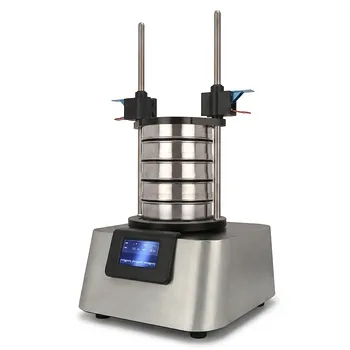
Vibratory Sieve Shaker Electromagnetic 3D Motion Powder Particle Size Analyzer for Dry and Wet Sieving
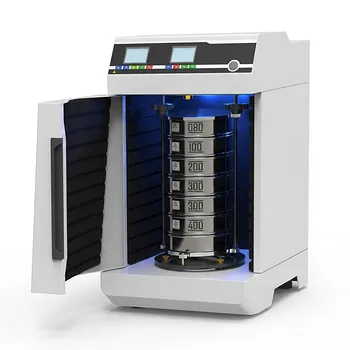
Laboratory Dry and Wet Three Dimensional Vibratory Sieve Shaker for Particle Analysis

Dry Three Dimensional Vibratory Sieve Shaker
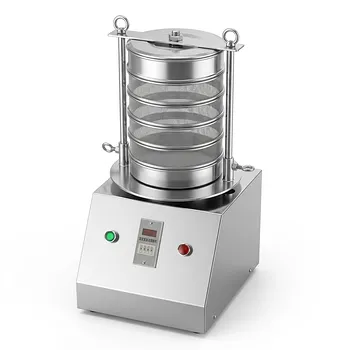
Stainless Steel Laboratory Vibratory Test Sieve Shaker

Heavy Duty Dry Three Dimensional Vibratory Sieve Shaker for Particle Separation
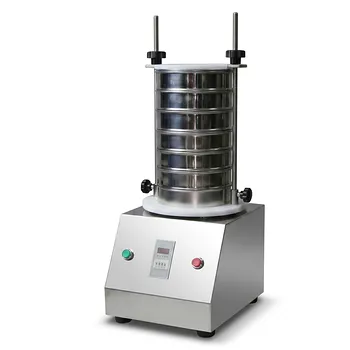
Small Laboratory Vibratory Sieve Shaker for Powder Gradation and Particle Size Analysis
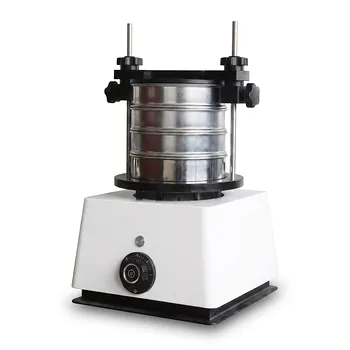
Small Laboratory Vibrating Sieve Shaker for Precise Particle Size Analysis

High Frequency Wet Three-Dimensional Vibrating Sieve Shaker for Dry and Wet Particle Size Analysis
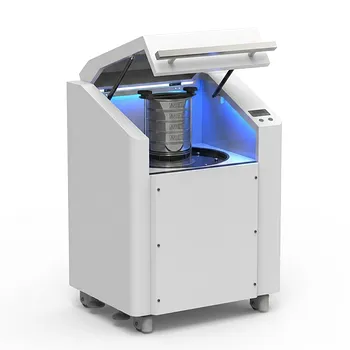
High Frequency Cabinet Type Three-Dimensional Rotary Vibrating Sieve Shaker for Dry Sieving and Particle Classification
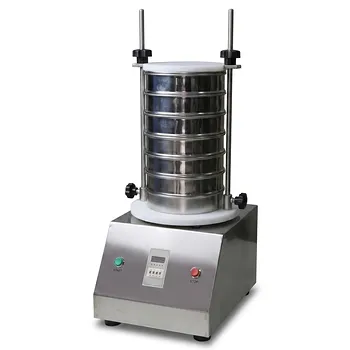
Laboratory Vibratory Test Sieve Shaker for Precision Particle Size Analysis and Powder Grading
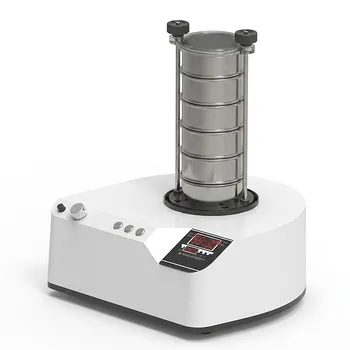
三维电磁微量振动筛分仪
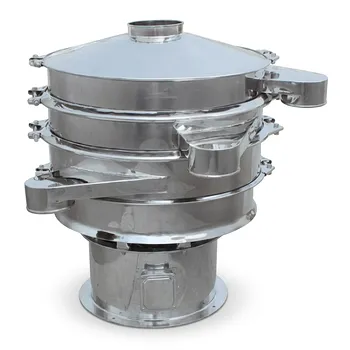
Stainless Steel Rotary Vibrating Sieve High Precision Circular Vibratory Separator Industrial Powder Grading Machine Multi Layer Sifting Equipment

Tapping Oscillating Sieve Shaker for Dry and Wet Particle Size Analysis
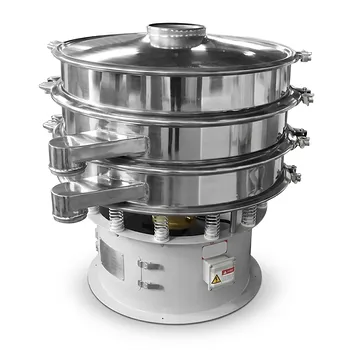
Three Dimensional Rotary Vibrating Sieve
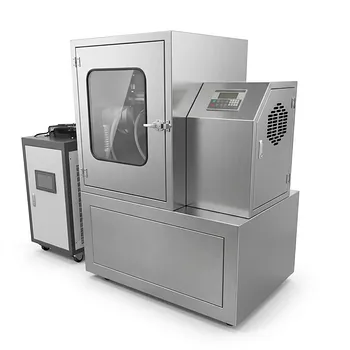
Vibratory Superfine Grinder for Ultra Fine Laboratory Powder Milling
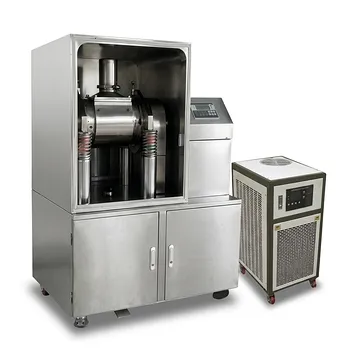
Small Vibrating Ultrafine Grinder for Traditional Chinese Medicine
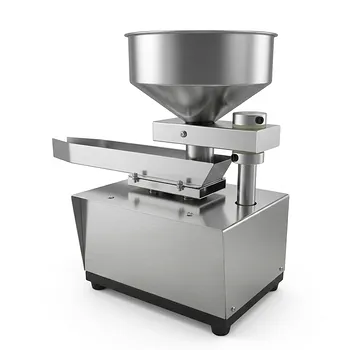
Automatic Vibrating Powder Feeder for Laboratory Material Processing Precision Vibratory Hopper Feeder for Granular and Powder Material Handling Industrial Grade Vibrating Tray Feeder for Consistent Material Sample Preparation