How is a laboratory hydraulic press utilized to evaluate the sintering performance of LSCF ceramic powders? Guide
Updated 4 months ago
To evaluate the sintering performance of LSCF ceramic powders, a laboratory hydraulic press is used to create standardized "green bodies" with precise initial densities. By applying controlled uniaxial pressure—typically around 140 MPa—the press transforms loose powder into a cohesive cylindrical or dog-bone shape. This standardization is critical because it ensures that subsequent measurements of shrinkage, densification, and thermal behavior are attributable to the material properties rather than inconsistencies in sample preparation.
A laboratory hydraulic press serves as the foundational tool for powder characterization, enabling the creation of uniform specimens that yield repeatable and accurate sintering data. Without the precise density control provided by the press, comparative analysis of LSCF densification curves would be scientifically invalid.
The Role of Uniaxial Dry Pressing in Sample Preparation
Standardizing Geometry and Green Density
The primary function of the hydraulic press is to perform uniaxial dry pressing, forcing LSCF (Lanthanum Strontium Cobalt Ferrite) powders into a steel mold. By applying specific pressures, such as 140 MPa, researchers achieve a consistent green density across all test samples. This consistency is the prerequisite for obtaining comparable shrinkage and densification curves during the heating phase.
Minimizing Internal Defects and Stress
Precise axial pressure control helps minimize internal stress concentrations and macroscopic defects within the green body. A high-quality press ensures that the particles are closely packed with minimal air pockets or irregularities. This structural integrity prevents the sample from cracking or deforming prematurely during the high-temperature sintering process.
Establishing Uniform Particle Contact
The press ensures that individual LSCF particles are in uniform contact with one another, which is essential for solid-state diffusion. In advanced techniques like flash sintering or Field-Assisted Sintering (FAST), this uniform contact establishes stable conductive paths. This prevents localized current overload and ensures an even distribution of Joule heat throughout the specimen.
Quantifying Sintering Performance
Enabling Accurate Dilatometry
Once the hydraulic press produces a standardized cylinder, the sample is placed in a dilatometer to measure its linear shrinkage as a function of temperature. Because the press provides a known starting density, researchers can accurately calculate the theoretical density achieved at various stages of the firing cycle. This allows for the precise determination of the optimal sintering temperature and dwell time.
Facilitating Microstructural Analysis
The flat surfaces and regulated geometry produced by the press are necessary for post-sintering evaluations. These standardized samples allow for accurate microhardness measurements and fracture toughness evaluations. By starting with a uniform specimen, any observed porosity or grain growth can be directly linked to the powder's sintering kinetics.
Reducing Experimental Variables
In laboratory settings, the hydraulic press eliminates the "packing factor" as a variable in experiments. By maintaining a constant pressure environment (e.g., 1000 kg/cm²), the researcher ensures that the only difference between test batches is the powder composition or the heat treatment profile. This isolation of variables is fundamental to high-precision material science.
Understanding the Trade-offs
Pressure Gradients and Friction
One limitation of uniaxial pressing is the friction between the powder and the die walls, which can lead to non-uniform density distributions. The center of the pellet may be less dense than the edges, potentially causing warping or uneven shrinkage during sintering. Using lubricants or transitioning to isostatic pressing may be necessary for extremely sensitive LSCF applications.
Over-compaction and Lamination
Applying excessive pressure can lead to lamination defects, where the green body develops horizontal cracks upon being ejected from the mold. If the pressure is too high, the stored elastic energy in the particles causes a "springback" effect that compromises the structural integrity of the LSCF pellet. Finding the "sweet spot"—often identified as the pressure where density gains plateau—is a critical preliminary step.
How to Apply This to Your Project
Recommendations for Effective Evaluation
- If your primary focus is routine quality control: Utilize a standard manual or electric hydraulic press to maintain a consistent pressure of 140 MPa for all LSCF batches to ensure data repeatability.
- If your primary focus is flash sintering research: Prioritize high-precision pressure control to ensure uniform particle contact, which is vital for establishing stable conductive paths and preventing discharge spots.
- If your primary focus is mechanical property testing: Ensure the press produces specimens with perfectly flat surfaces and high green strength to withstand handling and post-sintering polishing.
The laboratory hydraulic press is the indispensable bridge between raw LSCF powder and the quantifiable data required to master the sintering process.
Summary Table:
| Stage of Evaluation | Role of Hydraulic Press | Key Outcome |
|---|---|---|
| Sample Preparation | Uniaxial dry pressing (typically 140 MPa) | Standardized green density and geometry |
| Sintering Analysis | Creates uniform particle contact | Accurate dilatometry and shrinkage curves |
| Flash Sintering | Establishes stable conductive paths | Prevention of localized current overload |
| Post-Sintering | Produces flat, regulated surfaces | Reliable microhardness and fracture testing |
| Process Control | Eliminates "packing factor" variable | Isolated data on powder kinetics/composition |
Optimize Your LSCF Characterization with Precision Compaction
Achieving repeatable sintering data starts with a perfectly prepared green body. At [Company Name], we provide complete laboratory sample preparation solutions for material science, specializing in high-performance powder processing and compaction equipment.
Our extensive range includes:
- Advanced Pressing Technology: Standard lab presses, XRF pellet presses, and vacuum hot presses.
- Specialized Systems: Cold/Warm Isostatic Presses (CIP/WIP) for uniform density distribution.
- Preparation & Processing: Crushers, cryogenic grinders, and high-energy mills (planetary, jet, and disc).
- Finishing & Analysis: Sieve shakers, powder mixers, and defoaming mixers to ensure material homogeneity.
Whether you are conducting routine quality control or pioneering research in flash sintering, our equipment ensures the structural integrity and precision your work demands.
Contact us today to find the perfect press for your laboratory!
References
- Paolo Fedeli, Stefan Baumann. Asymmetric LSCF Membranes Utilizing Commercial Powders. DOI: 10.3390/ma13030614
Mentioned Products
- 6-Ton Small Single-Punch Tablet Press — Laboratory Powder & Granule Tableting Equipment / Tablet Forming Machine
- 5 Ton Single Punch Tablet Press Laboratory Small Batch Production
- Manual Tablet Press with Dual Scale Pressure Gauge for Pharmaceutical Food Chemical Laboratory Sample Preparation
- 6 Ton Variable Frequency Single Punch Tablet Press
- High Speed Small Laboratory Crusher for Dry Material Sample Preparation
People Also Ask
- What is the function of a laboratory press in Cr-Ti alloy evaluation? Quantify Fracture Stress & Strength
- What is the function of a laboratory press in assessing the hydrophobic performance of modified vermiculite fillers?
- What is the core function of a laboratory press in the forming of ceramic filter element green bodies? Maximize Density.
- What is the function of a laboratory press in the preparation of ceramic feed rods? Master Density and Precision
- Why is vacuum sealing and flexible packaging necessary for Aluminum Titanate powders during CIP? Ensure Peak Density

Tech Team · PowderPreparation
Last updated on Jun 03, 2026
Related Products
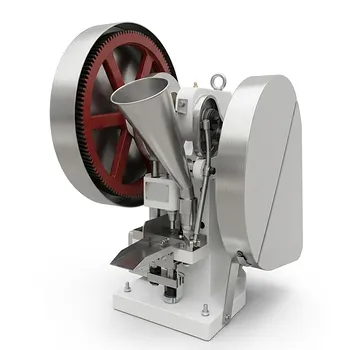
6-Ton Small Single-Punch Tablet Press — Laboratory Powder & Granule Tableting Equipment / Tablet Forming Machine
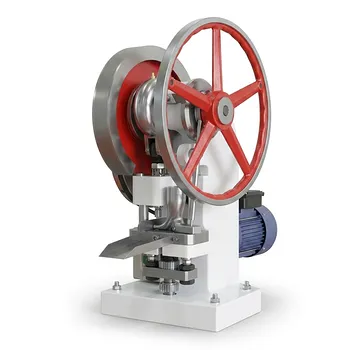
5 Ton Single Punch Tablet Press Laboratory Small Batch Production
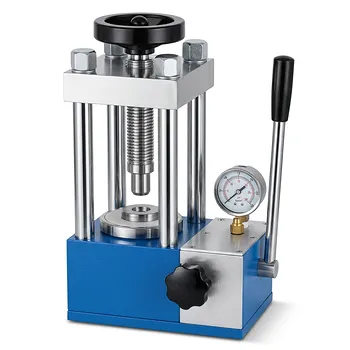
Manual Tablet Press with Dual Scale Pressure Gauge for Pharmaceutical Food Chemical Laboratory Sample Preparation
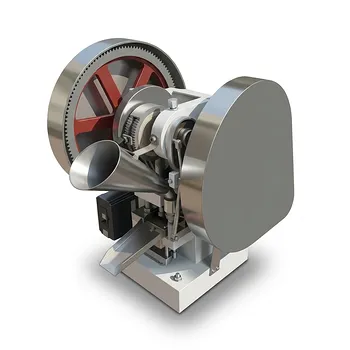
6 Ton Variable Frequency Single Punch Tablet Press
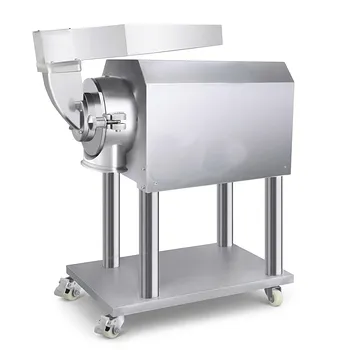
High Speed Small Laboratory Crusher for Dry Material Sample Preparation
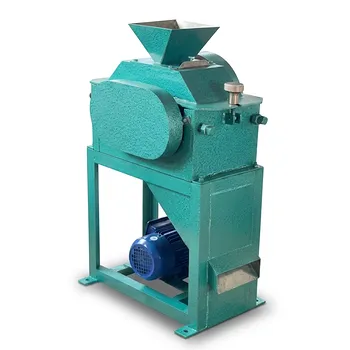
Laboratory Double Roll Crusher for Medium Hardness Materials Coal Ore Sample Preparation
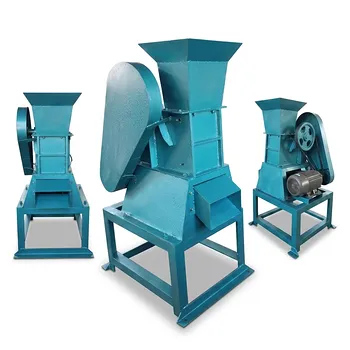
Custom Raised Height Laboratory Jaw Crusher for Precision Sample Preparation in Material Science
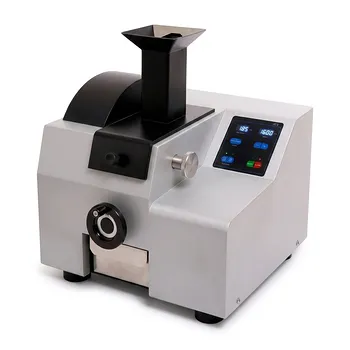
Laboratory Benchtop Jaw Crusher for Hard Brittle Materials Primary Size Reduction and Sample Preparation
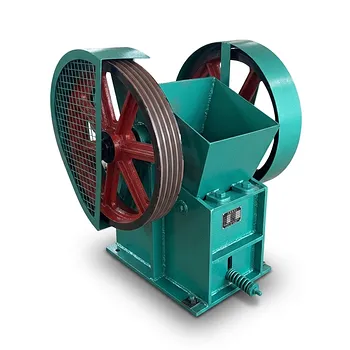
150x250mm Laboratory Jaw Crusher for Medium Hard Material Crushing and Sample Preparation
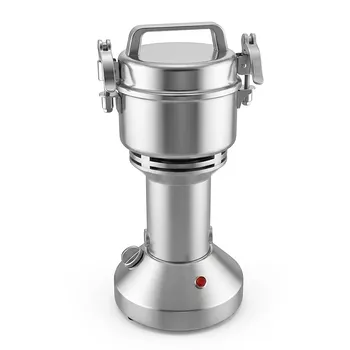
Small High Speed Upright Grinder for Laboratory Sample Preparation
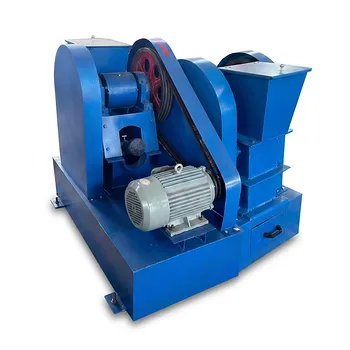
Horizontal Jaw Crusher Medium Hard Material Crushing Laboratory Sample Preparation Equipment
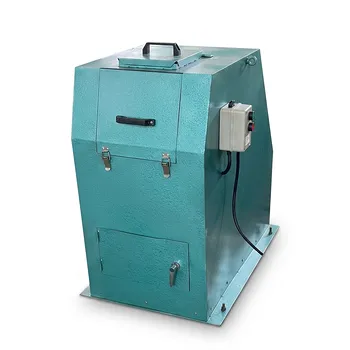
Environmentally Friendly Sealed Laboratory Jaw Crusher for Sample Preparation
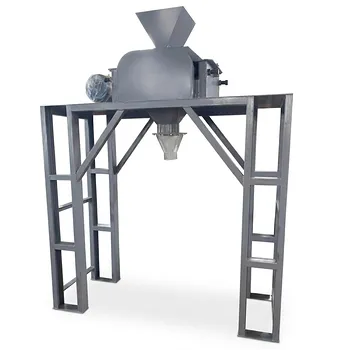
Heightened Customized Laboratory Double Roll Crusher for Coal Ore Rock Crushing
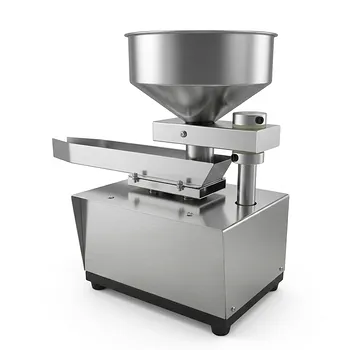
Automatic Vibrating Powder Feeder for Laboratory Material Processing Precision Vibratory Hopper Feeder for Granular and Powder Material Handling Industrial Grade Vibrating Tray Feeder for Consistent Material Sample Preparation
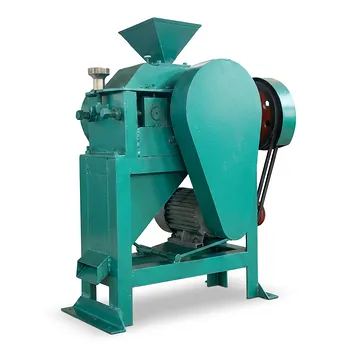
Laboratory Sealed Double Roll Crusher for Coal Ore Rock and Medium Hardness Materials Sample Preparation
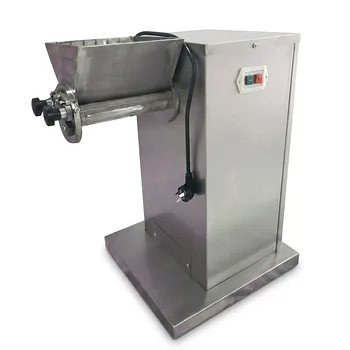
Small Laboratory Oscillating Granulator for Wet and Dry Granulation Processing
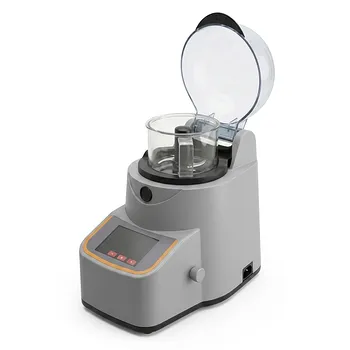
Industrial Knife Mill for Food and Biological Sample Preparation High Speed Laboratory Homogenizer
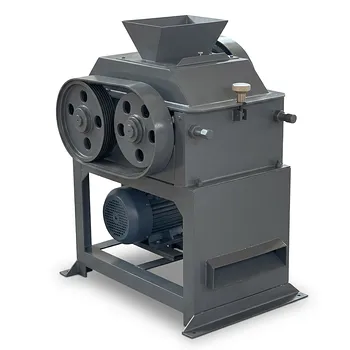
Sealed Laboratory Double Roll Crusher for Coal, Mineral, Ore Sample Preparation
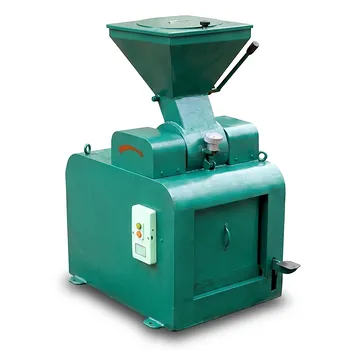
Laboratory Sealed Hammer Crushers for Coal Sample Preparation and Medium Strength Material Crushing