How is a laboratory hydraulic press utilized in the sample preparation and testing of Hesperidin amorphous dispersions?
Updated 4 months ago
The laboratory hydraulic press is the essential tool for converting Hesperidin amorphous dispersion powders into standardized solid compacts for pharmaceutical evaluation. It allows researchers to apply precise pressure and dwell times to create uniform tablets, which are then used to study the material's compaction properties and physical stability. This process is a critical checkpoint in determining if a lab-scale amorphous dispersion can be successfully manufactured into a stable, clinical-grade solid dosage form.
A laboratory hydraulic press provides the controlled environment necessary to evaluate how pressure impacts the molecular structure of Hesperidin amorphous dispersions. By eliminating air voids and ensuring density uniformity, it enables accurate assessment of both the mechanical integrity and the chemical stability of the drug delivery system.
Assessing Manufacturability and Formability
Simulating Industrial Tablet Production
The primary role of the hydraulic press is to evaluate the feasibility of turning Hesperidin powders into tablets. By compressing the powder into standardized compacts, researchers can determine the compaction properties of the amorphous system. This data is vital for predicting how the material will behave in large-scale pharmaceutical tableting machines.
Evaluating Physical Stability Under Stress
Amorphous dispersions are inherently metastable and can revert to a crystalline state under physical stress. The hydraulic press allows for the investigation of pressure-induced crystallization, ensuring that the Hesperidin remains in its amorphous, high-bioavailability form after the force of tableting. This testing identifies whether the pressure disrupts the critical interactions between the drug and its stabilizing polymer.
Determining Optimal Dwell Times
The "dwell time," or the duration that the maximum pressure is held, significantly impacts the final quality of the Hesperidin compact. Using a hydraulic press, scientists can optimize this variable to maximize interparticle bonding. This ensures the resulting tablet is strong enough to withstand packaging and transport without deforming or crumbling.
Sample Preparation for Precise Analytical Characterization
Optimizing Density for Spectral Accuracy
For analytical techniques like X-ray diffraction (XRD) or Infrared spectroscopy (FTIR), sample uniformity is paramount. The hydraulic press eliminates internal pores and air voids that would otherwise scatter light or X-rays. This preparation creates a flat, homogeneous surface, which significantly improves the signal-to-noise ratio and the accuracy of the resulting data.
Ensuring Uniformity for Mechanical Testing
To measure properties like hardness, Young’s modulus, or tensile strength, the sample must have a consistent density gradient. The high-precision output of a laboratory press ensures that the "green body" (the pressed pellet) is free of internal defects. This prevents the sample from cracking prematurely during mechanical testing, leading to more reliable data.
Establishing Baselines for Manufacturing Comparisons
Researchers use the hydraulic press to create standard planar reference samples. These dense, dry-pressed pellets serve as a control group when comparing traditional manufacturing to newer methods, such as 3D printing. By establishing a consistent initial density, scientists can more accurately measure how different processing techniques affect the final microstructure of the Hesperidin dispersion.
Understanding the Trade-offs of High-Pressure Compaction
While high pressure is necessary to create a dense compact, it presents a delicate balance for amorphous systems. Applying excessive force can trigger the very crystallization that the amorphous dispersion was designed to avoid, rendering the drug less effective.
Conversely, insufficient pressure or inadequate dwell time results in a "weak" compact with high porosity. These samples are often too fragile for analytical instruments and do not provide an accurate representation of the material's true mechanical limits. The trade-off requires a rigorous "pressure-mapping" study to find the "sweet spot" where density is maximized without compromising the amorphous state.
How to Apply This to Your Project
Recommendations for Hesperidin Testing
- If your primary focus is determining shelf-life stability: Use the hydraulic press to create compacts at varying pressures, then use XRD to monitor for any signs of crystallization over time.
- If your primary focus is industrial scale-up: Focus on the "formability" data by measuring how different compression forces and dwell times affect the tablet's breaking force and friability.
- If your primary focus is fundamental material characterization: Utilize the press to create thin, high-density disks (10–40 mm) to minimize light scattering during FTIR or XRF analysis.
By mastering the use of the laboratory hydraulic press, you ensure that Hesperidin amorphous dispersions are not just theoretically effective, but physically viable for real-world pharmaceutical use.
Summary Table:
| Application | Key Benefit | Primary Evaluation Parameter |
|---|---|---|
| Tableting Simulation | Predicts industrial manufacturing success | Compaction & Formability |
| Stability Testing | Monitors pressure-induced crystallization | Molecular Amorphous State |
| Analytical Prep | Enhances XRD/FTIR signal-to-noise ratio | Sample Density & Flatness |
| Mechanical Testing | Prevents premature cracking/defects | Tensile Strength & Hardness |
Elevate Your Pharmaceutical Research with Precision Compaction
Are you looking to ensure the stability and scalability of your Hesperidin amorphous dispersions? At [Your Brand Name], we provide complete laboratory sample preparation solutions designed for material science and pharmaceutical innovation.
We specialize in high-precision powder processing and compaction equipment, including:
- Hydraulic Presses: A full spectrum from standard lab presses and XRF pellet presses to advanced Cold/Warm Isostatic Presses (CIP/WIP) and vacuum hot presses.
- Sample Prep Tools: Jaw/roll crushers, liquid nitrogen cryogenic grinders, and high-performance mills (planetary ball, jet, and rotor).
- Material Refining: Sieve shakers, powder mixers, and defoaming mixers for total uniformity.
Our equipment is engineered to help you find the "sweet spot" in pressure mapping, ensuring your drug delivery systems are both theoretically effective and physically viable. Contact us today to discuss your specific lab requirements and see how our expertise can streamline your development process.
References
- Natalia Rosiak, Judyta Cielecka‐Piontek. Amorphous Solid Dispersion of Hesperidin with Polymer Excipients for Enhanced Apparent Solubility as a More Effective Approach to the Treatment of Civilization Diseases. DOI: 10.3390/ijms232315198
Mentioned Products
- 6-Ton Small Single-Punch Tablet Press — Laboratory Powder & Granule Tableting Equipment / Tablet Forming Machine
- 5 Ton Single Punch Tablet Press Laboratory Small Batch Production
- Manual Tablet Press with Dual Scale Pressure Gauge for Pharmaceutical Food Chemical Laboratory Sample Preparation
- 6 Ton Variable Frequency Single Punch Tablet Press
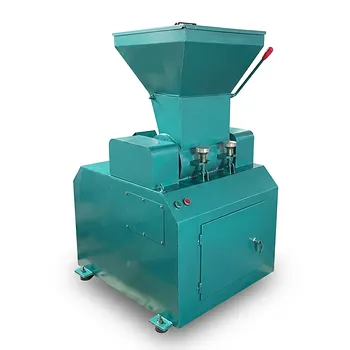
- High Speed Small Laboratory Crusher for Dry Material Sample Preparation
People Also Ask
- What is the function of a laboratory press in Cr-Ti alloy evaluation? Quantify Fracture Stress & Strength
- What is the function of a laboratory press in assessing the hydrophobic performance of modified vermiculite fillers?
- What is the core function of a laboratory press in the forming of ceramic filter element green bodies? Maximize Density.
- What is the function of a laboratory press in the preparation of ceramic feed rods? Master Density and Precision
- Why is vacuum sealing and flexible packaging necessary for Aluminum Titanate powders during CIP? Ensure Peak Density

Tech Team · PowderPreparation
Last updated on May 14, 2026
Related Products
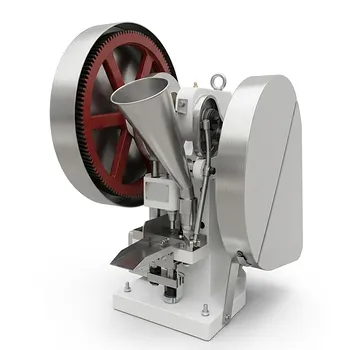
6-Ton Small Single-Punch Tablet Press — Laboratory Powder & Granule Tableting Equipment / Tablet Forming Machine
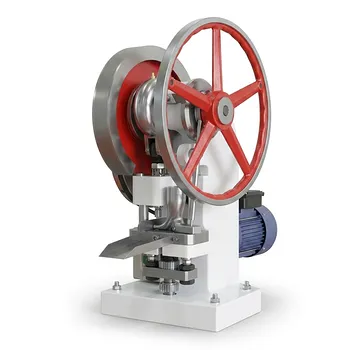
5 Ton Single Punch Tablet Press Laboratory Small Batch Production
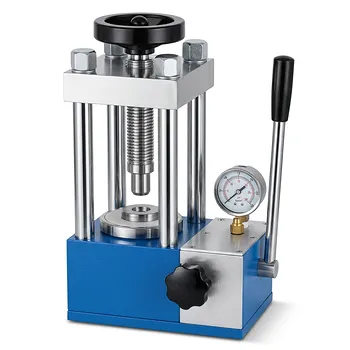
Manual Tablet Press with Dual Scale Pressure Gauge for Pharmaceutical Food Chemical Laboratory Sample Preparation
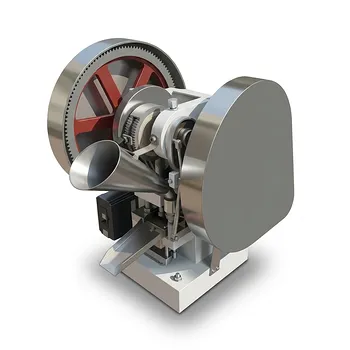
6 Ton Variable Frequency Single Punch Tablet Press
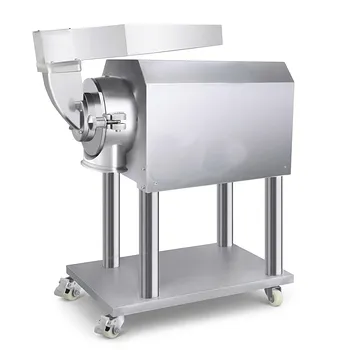
High Speed Small Laboratory Crusher for Dry Material Sample Preparation
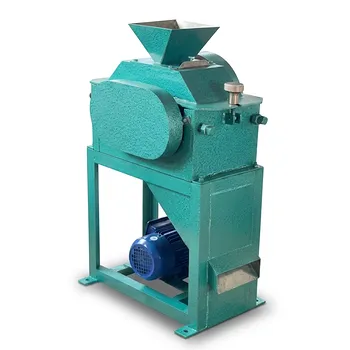
Laboratory Double Roll Crusher for Medium Hardness Materials Coal Ore Sample Preparation
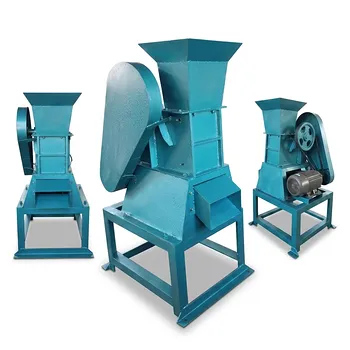
Custom Raised Height Laboratory Jaw Crusher for Precision Sample Preparation in Material Science
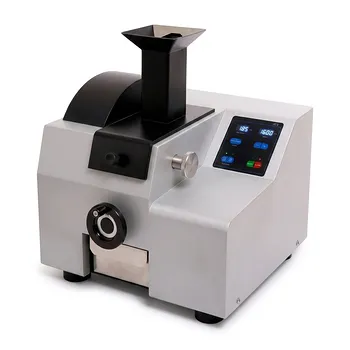
Laboratory Benchtop Jaw Crusher for Hard Brittle Materials Primary Size Reduction and Sample Preparation
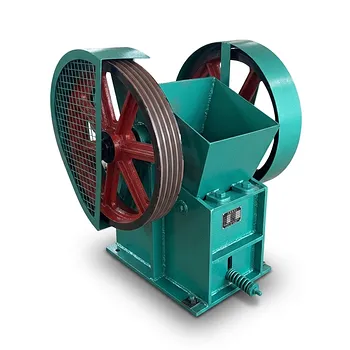
150x250mm Laboratory Jaw Crusher for Medium Hard Material Crushing and Sample Preparation
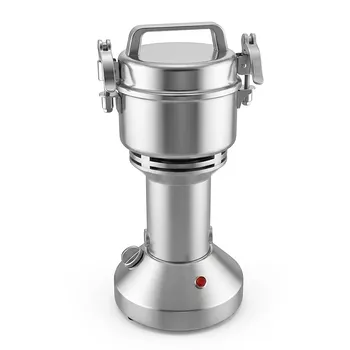
Small High Speed Upright Grinder for Laboratory Sample Preparation
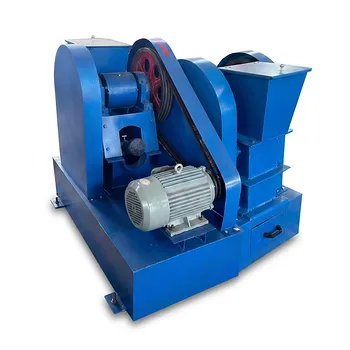
Horizontal Jaw Crusher Medium Hard Material Crushing Laboratory Sample Preparation Equipment
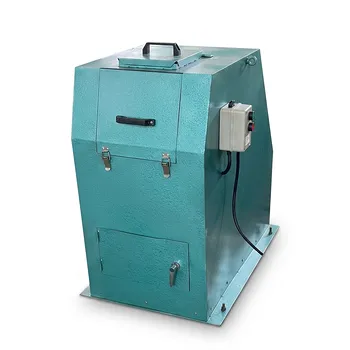
Environmentally Friendly Sealed Laboratory Jaw Crusher for Sample Preparation
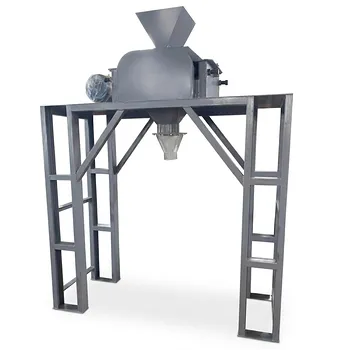
Heightened Customized Laboratory Double Roll Crusher for Coal Ore Rock Crushing
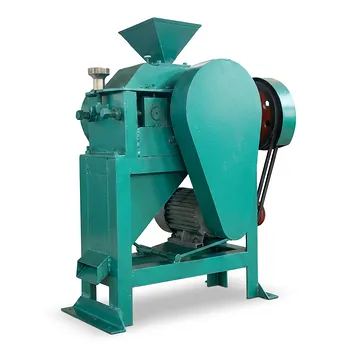
Laboratory Sealed Double Roll Crusher for Coal Ore Rock and Medium Hardness Materials Sample Preparation

Automatic Vibrating Powder Feeder for Laboratory Material Processing Precision Vibratory Hopper Feeder for Granular and Powder Material Handling Industrial Grade Vibrating Tray Feeder for Consistent Material Sample Preparation
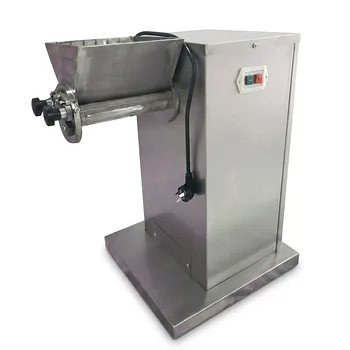
Small Laboratory Oscillating Granulator for Wet and Dry Granulation Processing
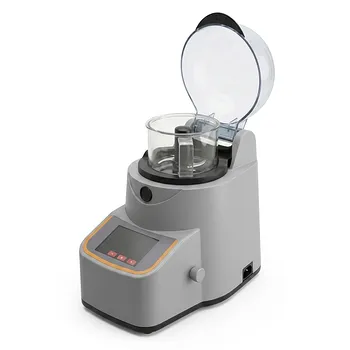
Industrial Knife Mill for Food and Biological Sample Preparation High Speed Laboratory Homogenizer
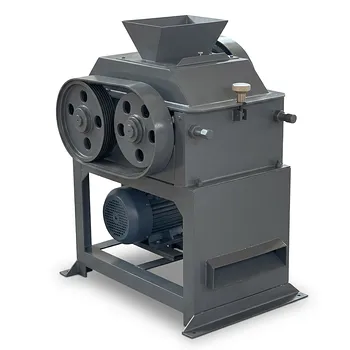
Sealed Laboratory Double Roll Crusher for Coal, Mineral, Ore Sample Preparation
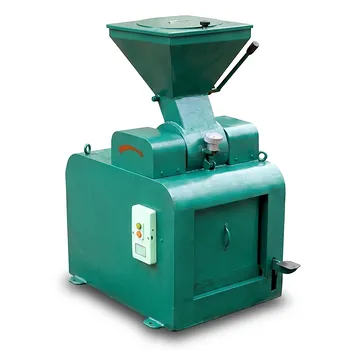
Laboratory Sealed Hammer Crushers for Coal Sample Preparation and Medium Strength Material Crushing