How is a laboratory hydraulic press utilized in HSM analysis? Create high-density pellets for precise thermal mapping.
Updated 4 months ago
In HSM analysis, a laboratory hydraulic press is the critical tool used to transform loose glass powder into a standardized, high-density cylindrical pellet. This "green body," typically 3 mm in diameter and height, provides a consistent starting geometry that allows the heating microscope to accurately track physical transitions—such as sintering, softening, and melting—without interference from irregular sample shapes or internal air pockets.
The use of a hydraulic press ensures that the glass sample possesses a uniform internal density and precise dimensions. This standardization is essential for generating reliable, repeatable data regarding a material's characteristic temperatures and thermal behavior.
The Role of Compaction in Thermal Analysis
Creating the "Green Body"
The primary function of the press is to perform cold-press molding, converting loose composite or glass powders into a structural "green body." By applying constant, high pressure—often ranging from 20 MPa to 35 MPa depending on the material—the press forces particles to rearrange and mechanically interlock.
Ensuring Geometric Precision
Heating Microscopes (HSM) rely on silhouette analysis to determine viscosity points. Using precision cylindrical molds in the press ensures the sample starts as a perfect cylinder, which is vital for the software to accurately calculate volume changes and surface area moments.
Eliminating Measurement Noise
Loose powder contains significant air voids that scatter light and cause unpredictable collapse during heating. The hydraulic press eliminates these voids, ensuring that any observed shrinkage or deformation is a result of material properties rather than the settling of uncompacted powder.
Technical Requirements for Sample Integrity
The Use of Chemical Binders
For powders with larger particle sizes that do not naturally adhere, a binder such as polyvinyl alcohol (PVA) may be added before pressing. This binder provides the necessary "green strength" to ensure the pellet does not crumble when being transferred from the mold to the microscope stage.
Controlling Internal Porosity
Precise control of hydraulic pressure allows for uniform internal porosity across the entire specimen. This consistency is the foundation for accurate observations of linear shrinkage and reactive sintering characteristics during the heating cycle.
Achieving High Packing Density
Applying high pressure—in some specialized cases up to 120 MPa—maximizes the packing density of the powder particles. This high density is critical for preventing non-uniform shrinkage or macroscopic deformation that could lead to "balling" errors during high-temperature observations.
Understanding the Trade-offs and Pitfalls
Pressure Sensitivity
Applying too little pressure results in a fragile sample that may crack or "dust," while excessive pressure can lead to pressure capping or laminations within the pellet. These internal flaws can cause the sample to explode or deform unevenly when internal gases expand during heating.
Binder Interference
While binders like PVA are necessary for structural integrity, they must be used sparingly. If the binder content is too high, the evaporation or combustion of the organic material at lower temperatures can alter the initial sintering data or leave carbon residue that affects the glass color and chemistry.
Mold Contamination
The high-precision steel molds must be kept perfectly clean and often require a release agent. Residual material from previous tests or excess lubricant can contaminate the glass sample, leading to inaccurate melting point readings or surface tension changes.
How to Apply This to Your Laboratory Workflow
Effective sample preparation is the most important variable in obtaining high-quality HSM data. Your approach should vary based on the specific characteristics of your raw material.
- If your primary focus is Fragile or Coarse Powders: Incorporate a temporary organic binder like PVA to ensure the pellet maintains its 3mm x 3mm geometry during handling.
- If your primary focus is High-Precision Viscosity Mapping: Utilize a higher compaction pressure (30+ MPa) to maximize density and eliminate air voids that could skew softening temperature readings.
- If your primary focus is Sintering Kinetics: Ensure absolute consistency in the pressure applied to every sample to maintain uniform porosity, as this directly impacts the rate of linear shrinkage.
By mastering the calibration of your hydraulic press, you ensure that your heating microscope data reflects the true thermal soul of the material.
Summary Table:
| Key Parameter | Technical Requirement | Impact on HSM Analysis |
|---|---|---|
| Sample Shape | 3mm x 3mm Cylindrical Pellet | Enables accurate silhouette & volume calculations |
| Compaction Pressure | 20 MPa to 120 MPa | Eliminates air voids and measurement noise |
| Internal Density | High Packing Density | Prevents non-uniform shrinkage and 'balling' |
| Binding Agents | PVA (Polyvinyl Alcohol) | Ensures 'green strength' for fragile powders |
| Surface Quality | Clean, Polished Molds | Prevents contamination and surface tension errors |
Elevate Your Material Research with Precision Compaction Solutions
High-quality thermal analysis starts with perfect sample preparation. At our core, we provide complete laboratory sample preparation solutions for material science, specializing in advanced powder processing and compaction equipment designed to deliver repeatable results.
Our extensive product line includes everything you need to master your workflow:
- Hydraulic Presses: A full spectrum featuring Cold/Warm Isostatic Presses (CIP/WIP), standard lab presses, XRF pellet presses, and vacuum hot presses for specialized sintering.
- Powder Processing: High-performance mills (planetary ball, jet, rotor), liquid nitrogen cryogenic grinders, and crushers.
- Sieving & Mixing: Vibratory/air-jet sieve shakers and advanced vacuum defoaming mixers.
Whether you are refining glass compositions or developing advanced ceramics, our equipment ensures your samples meet the strictest geometric and density requirements. Contact us today to discuss your specific application and find the ideal solution for your lab!
References
- Miranda Fateri. Selective laser melting of glass powders. DOI: 10.18154/rwth-2018-223439
Mentioned Products
- 6-Ton Small Single-Punch Tablet Press — Laboratory Powder & Granule Tableting Equipment / Tablet Forming Machine
- 5 Ton Single Punch Tablet Press Laboratory Small Batch Production
- Manual Tablet Press with Dual Scale Pressure Gauge for Pharmaceutical Food Chemical Laboratory Sample Preparation
- 6 Ton Variable Frequency Single Punch Tablet Press
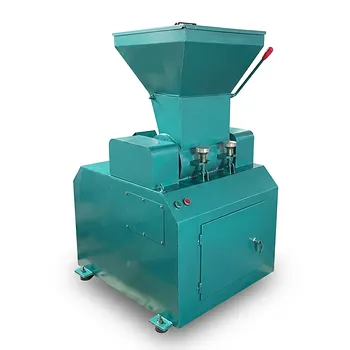
- High Speed Small Laboratory Crusher for Dry Material Sample Preparation
People Also Ask
- What is the function of a laboratory press in Cr-Ti alloy evaluation? Quantify Fracture Stress & Strength
- What is the function of a laboratory press in assessing the hydrophobic performance of modified vermiculite fillers?
- What is the core function of a laboratory press in the forming of ceramic filter element green bodies? Maximize Density.
- What is the function of a laboratory press in the preparation of ceramic feed rods? Master Density and Precision
- Why is vacuum sealing and flexible packaging necessary for Aluminum Titanate powders during CIP? Ensure Peak Density

Tech Team · PowderPreparation
Last updated on May 14, 2026
Related Products
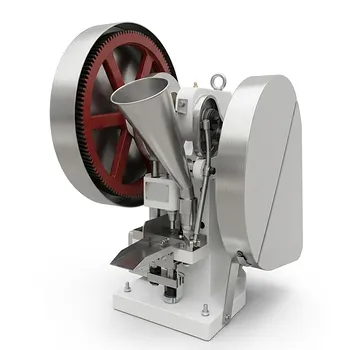
6-Ton Small Single-Punch Tablet Press — Laboratory Powder & Granule Tableting Equipment / Tablet Forming Machine
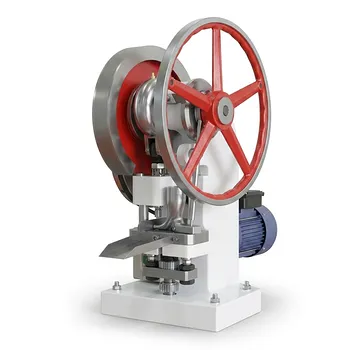
5 Ton Single Punch Tablet Press Laboratory Small Batch Production
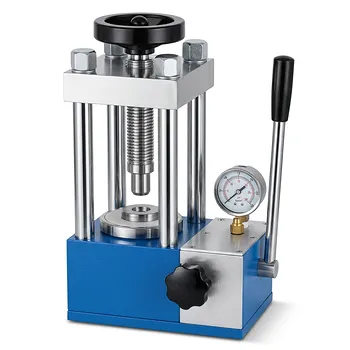
Manual Tablet Press with Dual Scale Pressure Gauge for Pharmaceutical Food Chemical Laboratory Sample Preparation
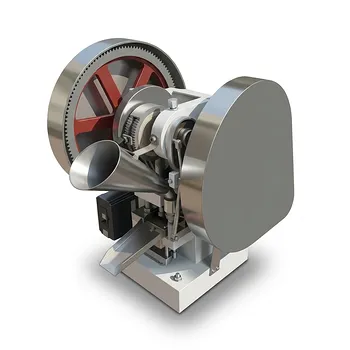
6 Ton Variable Frequency Single Punch Tablet Press
High Speed Small Laboratory Crusher for Dry Material Sample Preparation
Laboratory Double Roll Crusher for Medium Hardness Materials Coal Ore Sample Preparation
Custom Raised Height Laboratory Jaw Crusher for Precision Sample Preparation in Material Science
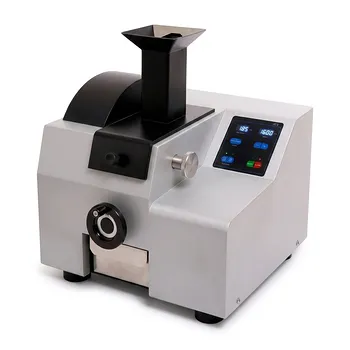
Laboratory Benchtop Jaw Crusher for Hard Brittle Materials Primary Size Reduction and Sample Preparation
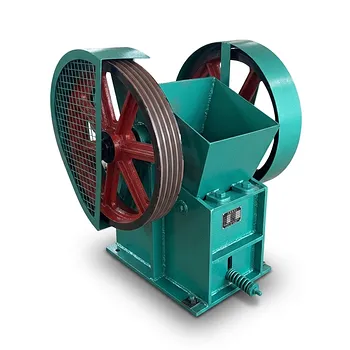
150x250mm Laboratory Jaw Crusher for Medium Hard Material Crushing and Sample Preparation
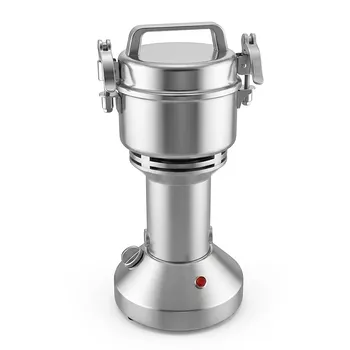
Small High Speed Upright Grinder for Laboratory Sample Preparation
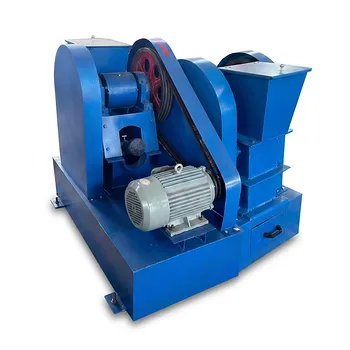
Horizontal Jaw Crusher Medium Hard Material Crushing Laboratory Sample Preparation Equipment
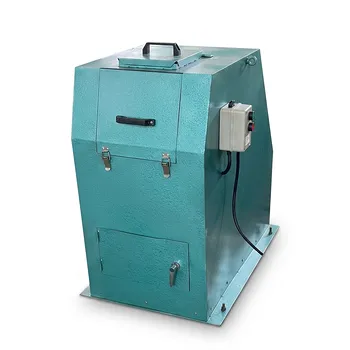
Environmentally Friendly Sealed Laboratory Jaw Crusher for Sample Preparation
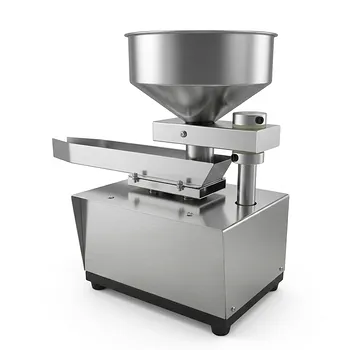
Automatic Vibrating Powder Feeder for Laboratory Material Processing Precision Vibratory Hopper Feeder for Granular and Powder Material Handling Industrial Grade Vibrating Tray Feeder for Consistent Material Sample Preparation
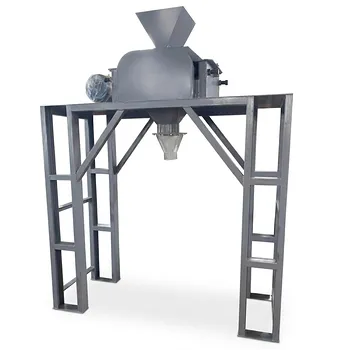
Heightened Customized Laboratory Double Roll Crusher for Coal Ore Rock Crushing
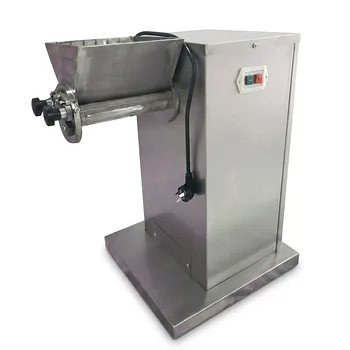
Small Laboratory Oscillating Granulator for Wet and Dry Granulation Processing
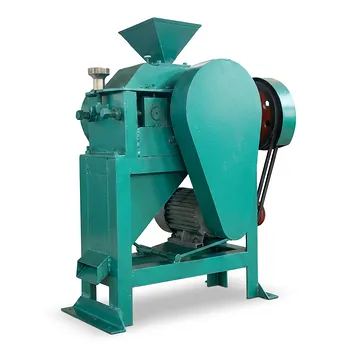
Laboratory Sealed Double Roll Crusher for Coal Ore Rock and Medium Hardness Materials Sample Preparation
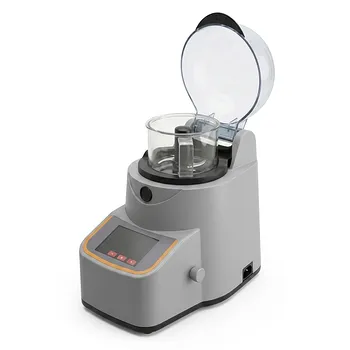
Industrial Knife Mill for Food and Biological Sample Preparation High Speed Laboratory Homogenizer
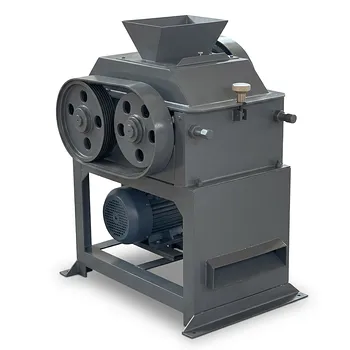
Sealed Laboratory Double Roll Crusher for Coal, Mineral, Ore Sample Preparation
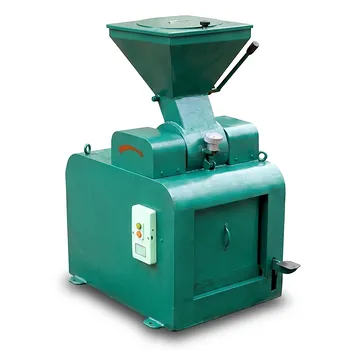
Laboratory Sealed Hammer Crushers for Coal Sample Preparation and Medium Strength Material Crushing