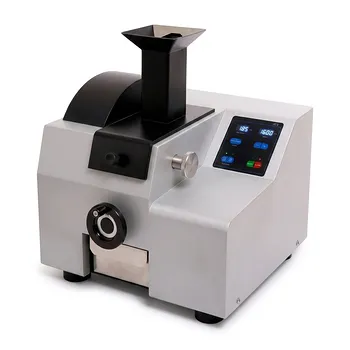
How does a lab hydraulic press improve XRF analysis for mineral ores? Achieve High-Precision Sample Pelletization.
Updated 4 months ago
Using a laboratory hydraulic press creates standardized, high-density pellets that eliminate physical inconsistencies. By compressing ore powder and binders into a uniform disc, the press removes internal voids and surface roughness that would otherwise cause signal scattering. This process ensures the X-ray beam can accurately and repeatably detect the mass fractions of elements like niobium, iron, and silica.
Pelletization transforms loose mineral powder into a compact, flat-surfaced medium, eliminating the "particle size effect" and porosity that compromise XRF accuracy. This standardization is the technical prerequisite for obtaining high-precision, repeatable quantitative elemental data.
Eliminating Physical Interference
Reducing Internal Voids and Porosity
Loose powders contain significant air gaps and internal voids that interfere with X-ray penetration. Hydraulic compression forces particles together to create a dense, compact structure with uniform internal density.
This uniformity ensures that the X-ray beam penetration path remains consistent across the entire sample. Without these voids, the detector receives a stable signal, allowing for the precise measurement of major oxides and rare-earth dopants.
Minimizing Surface Roughness
A hydraulic press, used with specialized high-precision dies, produces a flat, mirror-like surface on the sample pellet. Surface irregularities in loose powder can cause shadows or uneven X-ray excitation, leading to "signal noise."
A smooth surface ensures geometric consistency between the sample and the X-ray source. This reduces scattering interference and ensures that the excitation energy is applied evenly across the analyzed area.
Enhancing Quantitative Precision
Overcoming the Particle Size Effect
In mineral ores, different minerals often grind to different sizes, which can lead to "shadowing" where larger grains shield smaller ones from the X-ray beam. High-pressure molding (often involving several tons of pressure) crushes these grains into a cohesive matrix.
By neutralizing these grain-size effects, the press ensures that the mass fractions of elements like phosphorus or lead-zinc are representative of the entire sample. This results in much higher quantitative accuracy than analyzing loose powder.
Improving Repeatability and Standardization
Reliable lab results depend on the ability to replicate tests with the same results. A hydraulic press allows for precise pressure control, ensuring every pellet produced has the same thickness and density.
This standardization eliminates variables related to how a technician might manually pack a sample cup. Consistent sample preparation is the only way to ensure highly reproducible data across different batches of ore.
Understanding the Trade-offs
The Dilution Factor of Binders
While binders like boric acid are necessary to create self-supporting pellets, they introduce non-sample material into the matrix. This can slightly dilute the elemental signal or introduce "matrix effects" that must be accounted for during calibration.
Risk of Mechanical Failure
If the pressure is too low, the pellet may be fragile and crumble, leading to instrument contamination. Conversely, applying excessive pressure to certain mineral types can cause the pellet to decompress and shatter (cap) once the pressure is released.
Cross-Contamination Concerns
The high-precision dies used in the press must be meticulously cleaned between samples. Because the press forces the sample into intimate contact with the die surface, residual traces from a previous ore sample can easily contaminate the next result.
How to Apply This to Your Project
Making the Right Choice for Your Goal
To get the most out of your XRF analysis, your pelletization strategy should align with your specific laboratory objectives.
- If your primary focus is High-Precision Quantitative Analysis: Use a high-pressure hydraulic press with a dedicated binder to ensure maximum density and surface flatness.
- If your primary focus is Throughput and Speed: Implement standardized pressure settings and automated pelletizing cycles to ensure consistency across hundreds of daily samples.
- If your primary focus is Trace Element Detection: Use high-purity binders and ultra-clean die sets to prevent the introduction of contaminants that could mask minor elements.
Standardizing your sample preparation via hydraulic pressing is the most effective way to turn raw mineral data into actionable geological intelligence.
Summary Table:
| Improvement Factor | Loose Powder Analysis | Pressed Pellet Analysis |
|---|---|---|
| Sample Density | Low & inconsistent | High & standardized |
| Surface Quality | Rough; causes signal scattering | Mirror-like; ensures geometric consistency |
| Particle Size Effect | High interference; shielding issues | Minimized via high-pressure compaction |
| Data Repeatability | Variable; technician dependent | High; automated & reproducible |
| X-ray Signal | High noise and scattering | Stable signal for trace detection |
Elevate Your Analytical Precision with Professional Sample Preparation
To achieve reliable XRF results in mineralogy, sample consistency is non-negotiable. At [Brand Name], we specialize in providing complete laboratory sample preparation solutions for material science, ensuring your research is backed by high-quality, standardized pellets.
Our extensive manufacturing line is designed to optimize every stage of your workflow:
- Advanced Compaction: A full spectrum of hydraulic presses, including manual/standard lab presses, XRF pellet presses, and high-pressure Cold/Warm Isostatic Presses (CIP/WIP).
- Powder Processing: High-efficiency crushers (jaw/roll), cryogenic grinders, and various mills (planetary ball, jet, and rotor) to achieve the perfect particle size.
- Sieving & Mixing: Precision vibratory sieve shakers and high-performance powder or defoaming mixers for material homogeneity.
Whether you are focusing on trace element detection or high-throughput quality control, our equipment ensures maximum density and surface flatness for every sample. Contact our technical team today to discuss a customized solution for your laboratory’s powder processing and compaction needs!
References
- Nnaemeka Stanislaus Nzeh, A.P.I. Popoola. Grindability characterization and work index determination of alluvial ferro-columbite deposits for efficient mineral processing. DOI: 10.37190/ppmp/170297
Mentioned Products
- Manual Tablet Press with Dual Scale Pressure Gauge for Pharmaceutical Food Chemical Laboratory Sample Preparation
- Laboratory Disc Pulverizer for Coal Coke Ore and Medium Hard Materials Sample Preparation
- 6-Ton Small Single-Punch Tablet Press — Laboratory Powder & Granule Tableting Equipment / Tablet Forming Machine
- High Speed Swing Type Laboratory Pulverizer for Fine Powder Grinding and Sample Preparation
- High Speed Small Laboratory Crusher for Dry Material Sample Preparation
People Also Ask
- What is the function of a laboratory press in Cr-Ti alloy evaluation? Quantify Fracture Stress & Strength
- What is the function of a laboratory press in assessing the hydrophobic performance of modified vermiculite fillers?
- What is the core function of a laboratory press in the forming of ceramic filter element green bodies? Maximize Density.
- What is the function of a laboratory press in the preparation of ceramic feed rods? Master Density and Precision
- Why is vacuum sealing and flexible packaging necessary for Aluminum Titanate powders during CIP? Ensure Peak Density

Tech Team · PowderPreparation
Last updated on Jun 03, 2026
Related Products
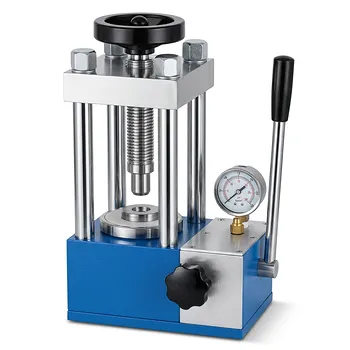
Manual Tablet Press with Dual Scale Pressure Gauge for Pharmaceutical Food Chemical Laboratory Sample Preparation
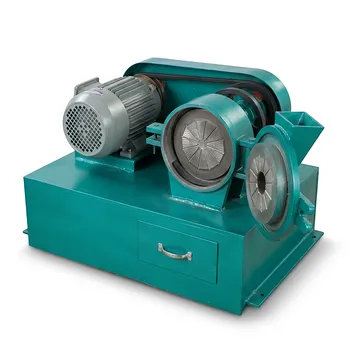
Laboratory Disc Pulverizer for Coal Coke Ore and Medium Hard Materials Sample Preparation
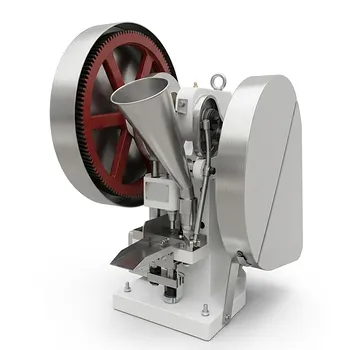
6-Ton Small Single-Punch Tablet Press — Laboratory Powder & Granule Tableting Equipment / Tablet Forming Machine
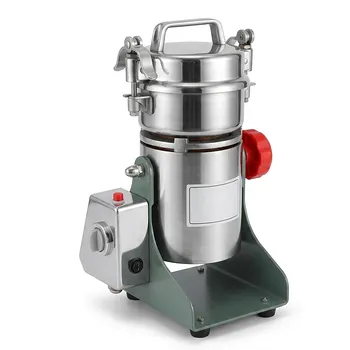
High Speed Swing Type Laboratory Pulverizer for Fine Powder Grinding and Sample Preparation
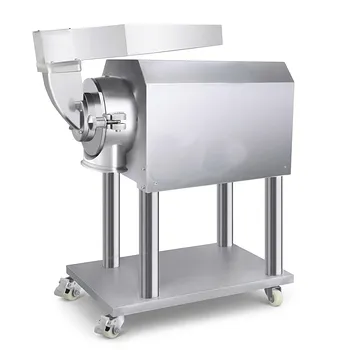
High Speed Small Laboratory Crusher for Dry Material Sample Preparation
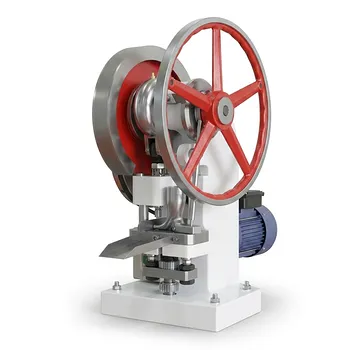
5 Ton Single Punch Tablet Press Laboratory Small Batch Production
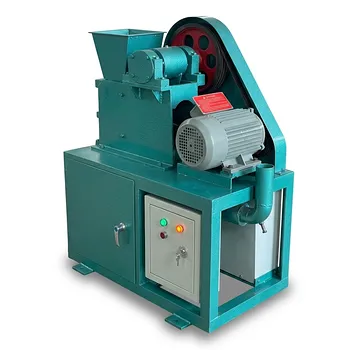
EP-B Type Sealed Jaw Crusher for Laboratory Sample Preparation
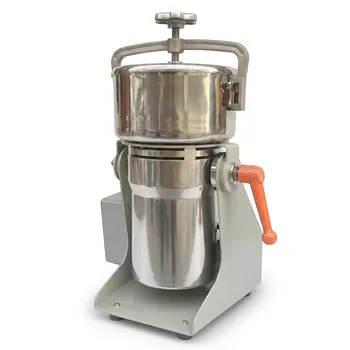
High Speed Laboratory Grinder Efficient Stainless Steel Powder Pulverizer Universal Material Science Mill for Sample Preparation
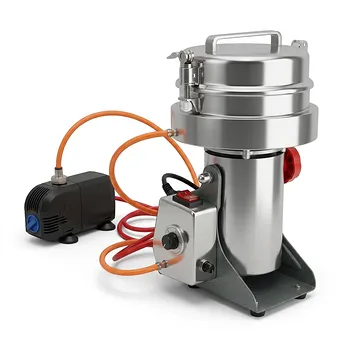
Water Cooled High Speed Grinder with Cryogenic Option for Laboratory Sample Preparation
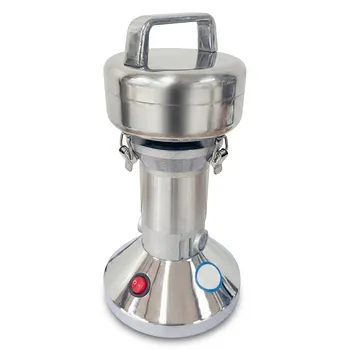
Small Trace Sample High Speed Pulverizer Grinder Laboratory Powder Mill
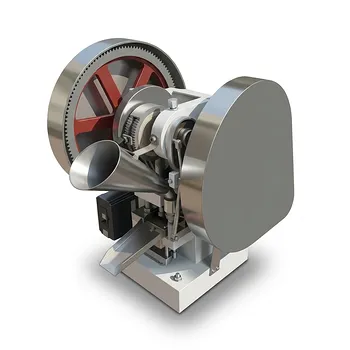
6 Ton Variable Frequency Single Punch Tablet Press
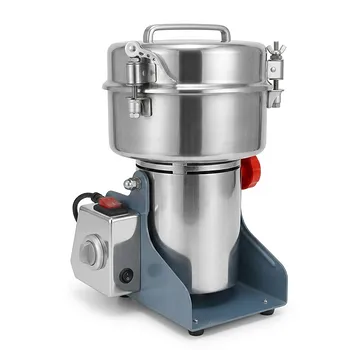
Small High-Speed Grinder for Efficient Laboratory Sample Preparation
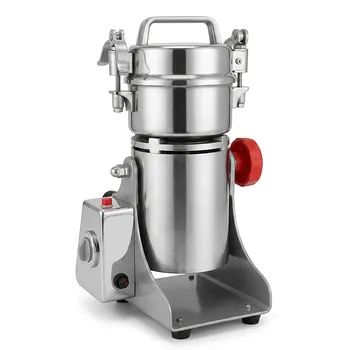
Industrial High Speed Small Sample Pulverizer Swing Type Laboratory Grinder for Powder Processing
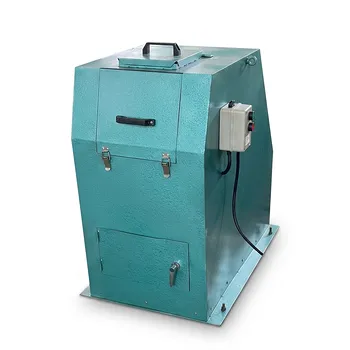
Environmentally Friendly Sealed Laboratory Jaw Crusher for Sample Preparation
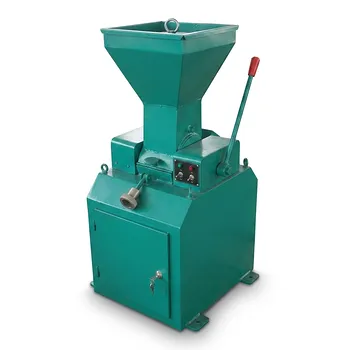
Laboratory Sealed Hammer Crusher for Coal and Mineral Sample Preparation
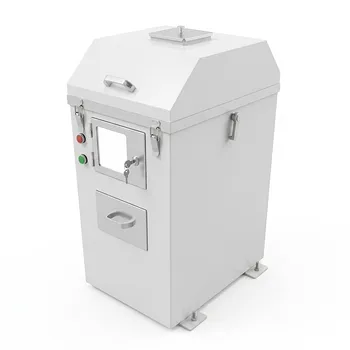
Sealed Double Roll Crusher for Laboratory Sample Preparation of Medium Hardness Materials
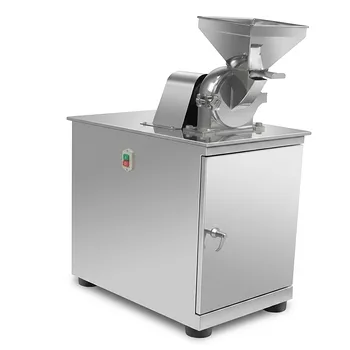
Universal Laboratory Pulverizer Grinder for Small Batch Powder Processing and Material Science Research
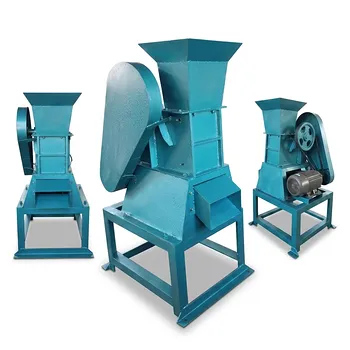
Custom Raised Height Laboratory Jaw Crusher for Precision Sample Preparation in Material Science
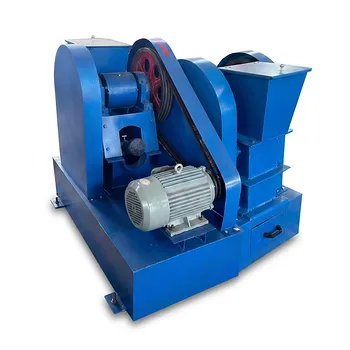
Horizontal Jaw Crusher Medium Hard Material Crushing Laboratory Sample Preparation Equipment