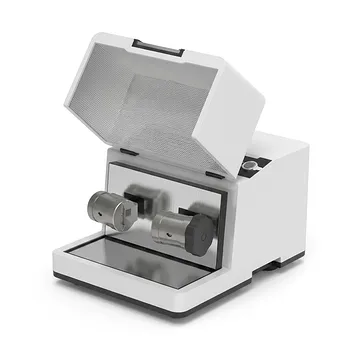
How does high-pressure milling jar design impact Mg2FeH6 yield? Maximize Reactive Ball Milling Efficiency
Updated 4 months ago
The design of high-pressure milling jars is the primary determinant of yield in the synthesis of Mg2FeH6. By maintaining a stable, pressurized hydrogen environment (typically around 3 MPa) during high-speed rotation, these jars enable hydrogen to participate directly in the mechanochemical reaction, effectively doubling the yield compared to milling in inert atmospheres.
High-pressure milling jars facilitate an in-situ reactive environment where hydrogen atoms penetrate metal lattices under pressure. This design ensures that mechanical activation and chemical absorption occur simultaneously, maximizing the conversion of magnesium and iron into complex hydrides.
Maintaining the Reactive Environment
The Role of Stable Internal Pressure
Reactive ball milling (RBM) requires a constant supply of hydrogen to be effective. High-pressure jars are engineered with superior sealing performance to prevent gas leakage during the intense vibration of high-speed milling.
Without a stable internal pressure of at least 3 MPa, the hydrogen cannot effectively penetrate the magnesium lattice. The design ensures that as new surfaces are created by mechanical impact, they are immediately exposed to high-pressure gas for conversion.
Doubling Yield Through In-Situ Reaction
In inert milling, hydrogen is introduced after the mechanical process, leading to lower conversion rates. High-pressure jar design allows for "reactive" milling, where the chemical reaction happens during the impact.
This simultaneous process significantly increases the formation rate of Mg2FeH6. Research indicates that this pressurized environment can double the final yield of the hydride compared to traditional multi-step methods.
Structural Integrity and Material Selection
Resistance to Hydrogen Embrittlement
The jars must be manufactured from high-strength special alloy steels or hardened stainless steel. These materials are specifically chosen because they resist hydrogen embrittlement, which can cause standard steels to crack under pressure.
If the jar material fails or degrades, the internal pressure drops, halting the synthesis. The structural integrity of the jar is therefore directly tied to the consistency of the chemical yield.
Withstanding High-Energy Impacts
The synthesis process involves high-frequency mechanical impacts over long durations, often exceeding 12 hours. High-pressure jars are designed with thick walls to prevent deformation under these extreme conditions.
Consistent jar geometry ensures that the grinding balls maintain a predictable "impact energy" profile. This mechanical energy is what creates the lattice defects necessary for hydrogen absorption.
Minimizing Contamination and Tracking Kinetics
Preventing Metallic Impurity Introduction
Hardened steel and stainless steel components provide exceptional wear resistance. This is critical for maintaining the purity of the Mg2FeH6 powder, as metallic wear debris can act as unwanted catalysts or diluents.
By minimizing wear, the jar design ensures that the stoichiometric ratio of magnesium to iron remains accurate. This precision is vital for achieving high-purity complex hydrides.
Real-Time Process Monitoring
Some advanced high-pressure jars are equipped with integrated pressure monitoring systems. These allow researchers to record pressure drops as the metal powders absorb hydrogen (or deuterium).
Monitoring these kinetics allows for the optimization of milling time. This prevents "over-milling," which can lead to sample degradation or the formation of secondary, less desirable phases.
Understanding the Trade-offs
Weight vs. Performance
High-pressure jars are significantly heavier than standard milling jars due to their thick walls and reinforced sealing mechanisms. This increased mass can limit the maximum RPM of some planetary ball mills, potentially slowing down the initial mechanical activation.
Cost and Maintenance Complexity
The use of specialized alloy steels and precision seals increases the cost of the equipment. Furthermore, the seals require regular inspection and replacement to ensure that the 3-5 MPa environment remains truly airtight during long runs.
Thermal Management
The combination of high-energy impacts and exothermic chemical reactions (hydride formation) can cause significant heat buildup within a sealed jar. Excessive heat may lead to the thermal decomposition of the Mg2FeH6, potentially lowering the yield if the jar design does not allow for adequate heat dissipation.
Making the Right Choice for Your Goal
To maximize your synthesis yield, you must align your jar selection with your specific production or research targets.
- If your primary focus is Maximum Phase Purity: Select hardened stainless steel jars with high wear resistance to prevent metallic contamination from interfering with the Mg2FeH6 lattice.
- If your primary focus is Fast Reaction Kinetics: Utilize jars rated for higher pressures (up to 50 bar) to increase the driving force for hydrogen penetration into the metal powders.
- If your primary focus is Process Optimization: Invest in jars equipped with wireless pressure and temperature sensors to track hydrogen absorption in real-time.
The integrity of the high-pressure seal is the single most critical factor in transforming a simple metal mixture into a high-yield complex hydride.
Summary Table:
| Key Feature | Impact on Mg2FeH6 Synthesis | Primary Benefit |
|---|---|---|
| Pressure Sealing | Maintains stable ~3 MPa hydrogen atmosphere | Facilitates in-situ chemical reaction |
| Material Integrity | Resists hydrogen embrittlement & wear | Ensures high phase purity and durability |
| Structural Strength | Withstands long-duration high-energy impacts | Consistent mechanical activation of powders |
| Real-time Monitoring | Tracks pressure drops and thermal buildup | Optimizes reaction kinetics & prevents degradation |
Elevate Your Material Synthesis with Precision Engineering
Achieving high-yield Mg2FeH6 requires specialized equipment that can withstand extreme pressures and mechanical stress. We provide complete laboratory sample preparation solutions for material science, specializing in high-performance powder processing and compaction equipment.
Our extensive product line is designed to optimize your research and production workflows:
- Advanced Milling Solutions: Planetary ball mills, jet mills, and high-pressure jars specifically engineered for reactive ball milling.
- Superior Compaction: A full spectrum of hydraulic presses, including Cold/Warm Isostatic Presses (CIP/WIP), vacuum hot presses, and XRF pellet presses.
- Preparation & Processing: High-efficiency crushers (jaw/roll), sieve shakers, and specialized powder mixers.
Unlock superior synthesis results and laboratory efficiency—contact our technical experts today to find the ideal solution for your material processing needs!
References
- Alexandre Augusto Cesário Asselli, Jacques Huot. Investigation of Effect of Milling Atmosphere and Starting Composition on Mg2FeH6 Formation. DOI: 10.3390/met4030388
Mentioned Products
- High Energy Omnidirectional Planetary Ball Mill 16L
- Small High-Speed Grinder for Efficient Laboratory Sample Preparation
- High Speed Laboratory Grinder Efficient Stainless Steel Powder Pulverizer Universal Material Science Mill for Sample Preparation
- Ultra Centrifugal Mill High Speed Laboratory Grinder for Fibrous and Brittle Sample Preparation
- Benchtop Micro Air Jet Mill for Ultrafine Grinding of High Value Powders
People Also Ask
- What role does an omni-directional planetary ball mill play in brass/cobalt antimonide pretreatment? Achieve Nano-Scale Homogeneity.
- What is the role of a high-energy planetary ball mill in Li2ZrO3 and LBS prep? Achieve Superior Electrolyte Density
- What role does a high-energy planetary ball mill play in processing quenched bioactive glass? Achieve Nano-Scale Precision
- What role does a planetary ball mill play in nano-mineral filler prep? Achieve Sub-100nm Precision & Performance
- What role does a high-energy planetary ball mill play in magnesium-based hydrogen storage alloy preparation?

Tech Team · PowderPreparation
Last updated on Jun 03, 2026
Related Products

High Energy Omnidirectional Planetary Ball Mill 16L
Small High-Speed Grinder for Efficient Laboratory Sample Preparation
High Speed Laboratory Grinder Efficient Stainless Steel Powder Pulverizer Universal Material Science Mill for Sample Preparation
Ultra Centrifugal Mill High Speed Laboratory Grinder for Fibrous and Brittle Sample Preparation
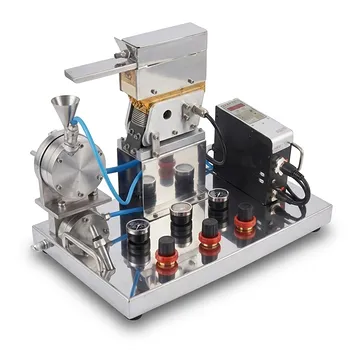
Benchtop Micro Air Jet Mill for Ultrafine Grinding of High Value Powders
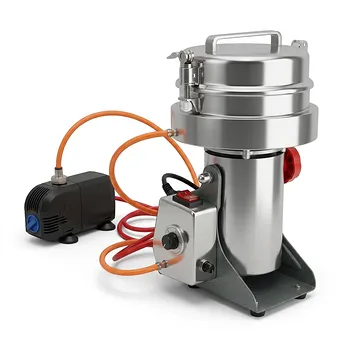
Water Cooled High Speed Grinder with Cryogenic Option for Laboratory Sample Preparation
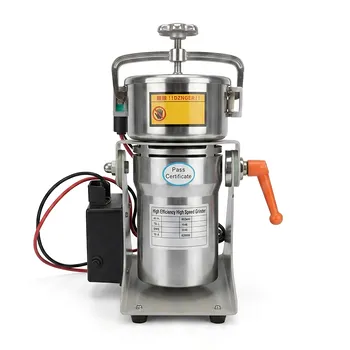
High Efficiency High Speed Grinder Laboratory Mill 1300W 25000rpm
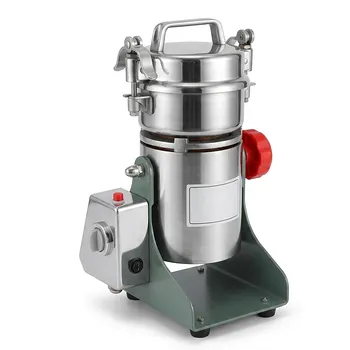
High Speed Swing Type Laboratory Pulverizer for Fine Powder Grinding and Sample Preparation

Vertical Production Planetary Ball Mill for High Throughput Powder Processing

High Energy Laboratory Planetary Ball Mill for Nano Grinding and Material Science Sample Preparation

Miniature Planetary Ball Mill with Vacuum Grinding and High Efficiency for Laboratory Sample Preparation

High Energy Omnidirectional Planetary Ball Mill 20L
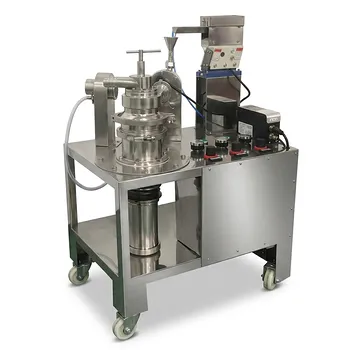
Laboratory Classification Jet Mill for Ultrafine Powder Grinding
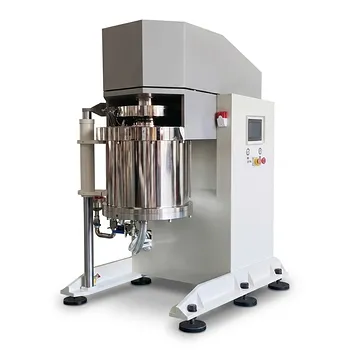
Vertical Nano Bead Mill for Ceramic Materials with Permanent Magnet Motor and High Efficiency Grinding
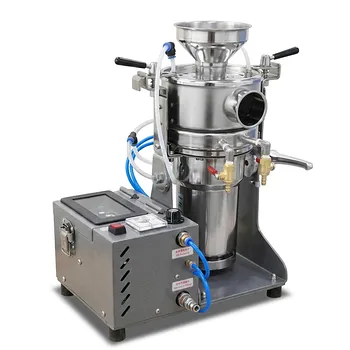
Water Cooled Pulse Jet Ultrafine Grinder