How does an electromagnetic vibratory sieve shaker facilitate particle size analysis? Achieve Precise Silica Gel Grading
Updated 5 months ago
Electromagnetic vibratory sieve shakers facilitate silica gel analysis by automating the mechanical separation of particles across a graduated stack of high-precision mesh screens. This equipment uses controlled high-frequency vibrations to move powder through apertures typically ranging from 80 to 400 mesh. The process yields quantitative data on mass distribution, which is essential for comparing the uniformity of recycled silica versus commercial-grade standards.
The electromagnetic vibratory sieve shaker converts a bulk powder sample into a detailed particle size distribution profile by applying standardized mechanical energy. This precision allows technical professionals to predict how silica gel will perform in composite materials based on its fineness and cumulative mass data.
The Mechanism of Controlled Vibration
High-Frequency Electromagnetic Drive
The shaker uses an electromagnetic drive to produce high-frequency vibrations that induce a three-dimensional motion in the powder sample. This motion ensures that silica gel particles are continuously tossed and reoriented, maximizing their opportunity to pass through the mesh openings.
Consistency of Amplitude and Duration
Unlike manual sieving, these machines allow for the precise setting of vibration amplitude and duration. Maintaining a constant amplitude is critical for ensuring that data is repeatable across different batches of silica gel.
Standardized Testing Intervals
Analysis typically runs for 5 to 10 minutes until the sample mass on each sieve reaches a constant state. This standardized timeframe prevents over-processing while ensuring that all particles smaller than the mesh aperture have successfully passed through.
The Process of Precision Grading
Sequential Mesh Separation
The shaker utilizes a stack of standard test sieves arranged from the largest aperture at the top to the smallest at the bottom. For silica gel, this often involves a range from 80 mesh down to 400 mesh to capture the full spectrum of particle sizes.
Quantitative Mass Distribution
Once the vibration cycle is complete, the powder retained on each sieve is weighed. This weight is used to calculate the mass percentage of each particle size fraction, providing a clear picture of the powder’s "fineness."
Determining Distribution Curves
The resulting data allows researchers to plot cumulative distribution curves and identify key metrics like D10, D50, and D90. These values represent the particle diameters below which 10%, 50%, and 90% of the sample mass resides.
Impact on Material Performance
Comparing Recycled and Commercial Silica
By generating precise distribution data, the shaker allows for a direct comparison between recycled silica gel and virgin commercial grades. This identifies if recycling processes have significantly altered the particle size, which could affect the material's reactivity.
Predicting Composite Mechanical Strength
The particle size distribution of silica gel directly influences the mechanical performance of the resulting composite materials. Uniformity in the 75-150 μm range, for example, is often critical for specific industrial absorption or reinforcement applications.
Validating Size-Reduction Processes
If the silica gel has undergone ultrasonic treatment or other size-reduction methods, the vibratory shaker serves as the primary tool for validation. It provides the "ground truth" data needed to optimize industrial processing parameters and equipment settings.
Common Pitfalls to Avoid
Sieve Blinding and Clogging
Fine silica gel powders can often become lodged in the mesh, a phenomenon known as "blinding." If the vibration intensity is not correctly calibrated, the mesh becomes blocked, leading to inaccurate weight measurements and skewed distribution data.
Sample Overloading
Placing too much silica gel on the top sieve can inhibit the free movement of particles. This "blanketing" effect prevents smaller particles from reaching the mesh surface, resulting in an overestimation of the average particle size.
Environmental Moisture Sensitivity
Silica gel is highly hygroscopic and can clump if exposed to ambient humidity. These clumps may be analyzed as single large particles by the shaker, which inaccurately reflects the true primary particle size of the powder.
Applying Sieve Analysis to Your Project
Recommendations for Implementation
- If your primary focus is Quality Control of recycled materials: Use a standardized 5-10 minute vibration cycle to compare the D50 of recycled batches against established commercial benchmarks.
- If your primary focus is optimizing mechanical performance: Prioritize the analysis of cumulative distribution data to ensure the majority of your silica particles fall within the ideal range for your specific composite matrix.
- If your primary focus is validating size-reduction equipment: Utilize a wide mesh range (40 to 400 mesh) to identify the presence of any oversized aggregates that survived the processing stage.
Precise particle size analysis through electromagnetic vibration ensures that silica gel powders meet the rigorous standards required for high-performance industrial applications.
Summary Table:
| Feature | Specification/Detail | Benefit for Silica Gel Analysis |
|---|---|---|
| Drive Mechanism | Electromagnetic (3D Motion) | Ensures continuous particle reorientation and efficient passing. |
| Mesh Range | 80 to 400 Mesh | Captures fine to coarse fractions for detailed distribution data. |
| Testing Duration | 5 – 10 Minutes | Standardizes the process and prevents sample over-processing. |
| Key Metrics | D10, D50, D90 | Provides quantitative "ground truth" for material reactivity. |
| Control | Adjustable Amplitude | Guarantees repeatable results across different powder batches. |
Optimize Your Powder Characterization with Expert Solutions
Precise particle size distribution is the backbone of high-performance material science. At [Your Brand Name], we provide complete laboratory sample preparation solutions tailored for material science and powder processing. Whether you are validating recycled silica gel or optimizing composite strength, our specialized equipment ensures accuracy at every stage.
Our extensive product line includes:
- Sieving & Separation: Electromagnetic vibratory and air-jet sieve shakers with high-precision test sieves.
- Milling & Grinding: Planetary ball mills, jet mills, and liquid nitrogen cryogenic grinders for ultrafine results.
- Crushing: Robust jaw and roll crushers for primary size reduction.
- Compaction & Pressing: A full spectrum of hydraulic presses, including Cold/Warm Isostatic Presses (CIP/WIP), vacuum hot presses, and XRF pellet presses.
- Mixing: High-efficiency powder mixers and vacuum defoaming mixers.
Ready to elevate your lab's precision? Contact our technical team today to find the perfect equipment configuration for your specific material challenges.
References
- Dener da Silva Souza, Renivaldo José dos Santos. Recycling of Post-Consumer Silica Gel Desiccants as Reinforcing Filler in Natural Rubber Composites: The Effect of Coupling Agents and Comparison with Commercial Silicas. DOI: 10.3390/recycling10050184
Mentioned Products
- Vibratory Sieve Shaker Electromagnetic 3D Motion Powder Particle Size Analyzer for Dry and Wet Sieving
- 三维电磁微量振动筛分仪
- Small Laboratory Vibratory Sieve Shaker for Powder Gradation and Particle Size Analysis
- Dry Three Dimensional Vibratory Sieve Shaker
- Stainless Steel Laboratory Vibratory Test Sieve Shaker
People Also Ask
- How does a vibratory sieve shaker contribute to optimizing the performance of activated carbon? Enhance Adsorption Precision
- Why is a laboratory vibratory sieve shaker necessary for processing magnesium-based borate precursor powders? Boost Activity
- Why use a vibratory sieve shaker to verify coarse aggregate grading in rubberized concrete? Ensure Structural Integrity
- What function do vibratory sieve shakers and standard test sieves serve in the preparation of adsorbents? Key Guide
- What role does a vibratory sieve shaker play in the particle size analysis of ground corn products? Enhance QC Precision

Tech Team · PowderPreparation
Last updated on May 14, 2026
Related Products
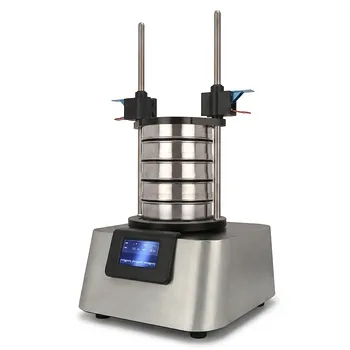
Vibratory Sieve Shaker Electromagnetic 3D Motion Powder Particle Size Analyzer for Dry and Wet Sieving
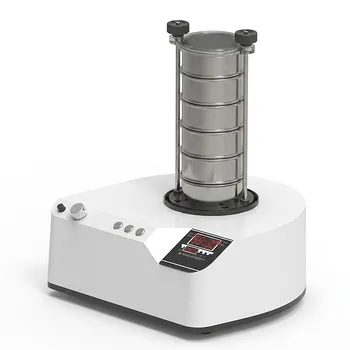
三维电磁微量振动筛分仪
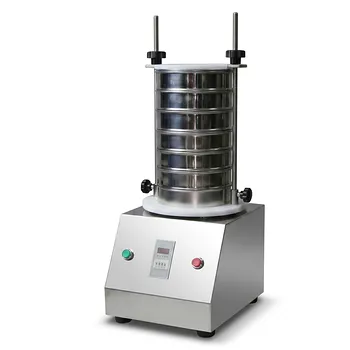
Small Laboratory Vibratory Sieve Shaker for Powder Gradation and Particle Size Analysis
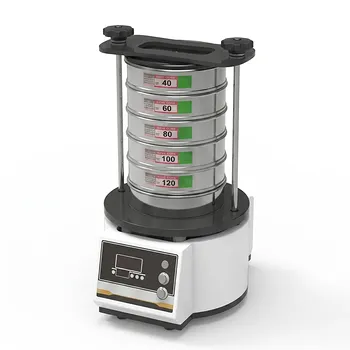
Dry Three Dimensional Vibratory Sieve Shaker
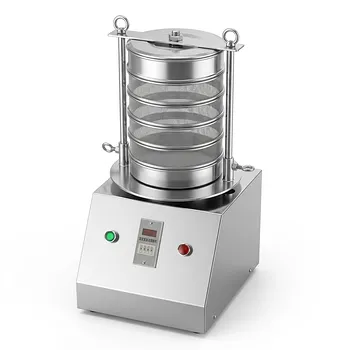
Stainless Steel Laboratory Vibratory Test Sieve Shaker

Small Laboratory Vibrating Sieve Shaker for Precise Particle Size Analysis

Laboratory Vibratory Test Sieve Shaker for Precision Particle Size Analysis and Powder Grading
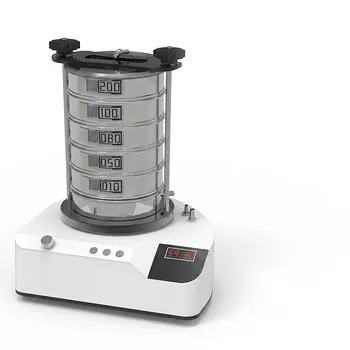
Heavy Duty Dry Three Dimensional Vibratory Sieve Shaker for Particle Separation
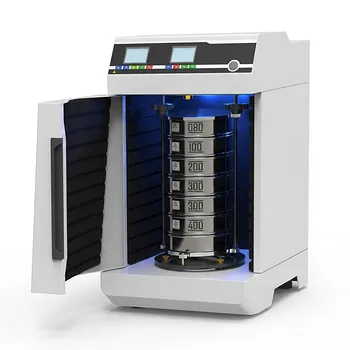
Laboratory Dry and Wet Three Dimensional Vibratory Sieve Shaker for Particle Analysis
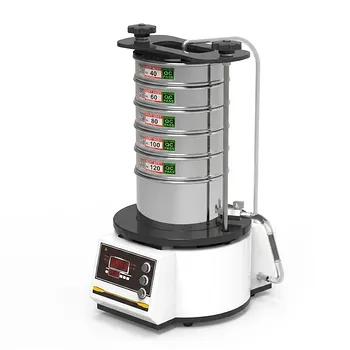
High Frequency Wet Three-Dimensional Vibrating Sieve Shaker for Dry and Wet Particle Size Analysis
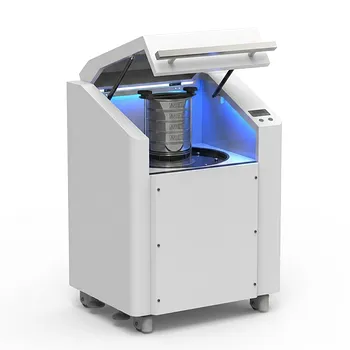
High Frequency Cabinet Type Three-Dimensional Rotary Vibrating Sieve Shaker for Dry Sieving and Particle Classification
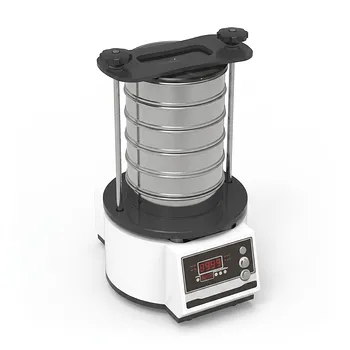
Tapping Oscillating Sieve Shaker for Dry and Wet Particle Size Analysis

Stainless Steel Rotary Vibrating Sieve High Precision Circular Vibratory Separator Industrial Powder Grading Machine Multi Layer Sifting Equipment
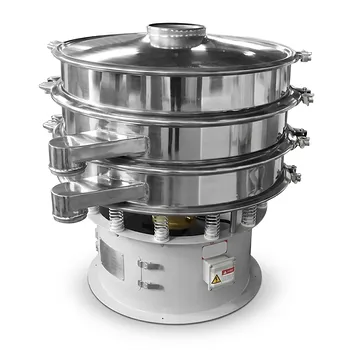
Three Dimensional Rotary Vibrating Sieve

Automatic Vibrating Powder Feeder for Laboratory Material Processing Precision Vibratory Hopper Feeder for Granular and Powder Material Handling Industrial Grade Vibrating Tray Feeder for Consistent Material Sample Preparation