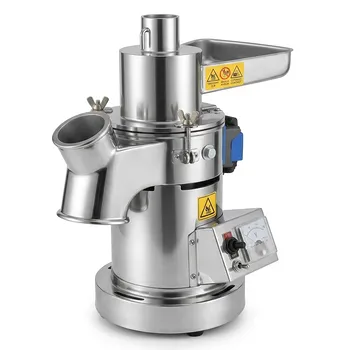
Why is the use of powder mixing equipment essential during the dry-mixing process of sawdust concrete? Ensure Uniformity
Updated 4 months ago
Powder mixing equipment is the critical foundation of sawdust concrete production. It ensures that cement, fine sand, and sawdust aggregates achieve a highly random and uniform spatial distribution before water is introduced. This dry-mixing phase is vital to prevent sawdust clumping and ensure that cement hydration products can evenly coat every aggregate particle, ultimately securing the structural integrity of the composite.
The primary purpose of powder mixing equipment is to eliminate material segregation and ensure that components with vastly different densities—like sawdust and cement—form a stable, homogenous matrix. This precision prevents localized structural failures and ensures consistent mechanical properties throughout the finished concrete.
Achieving Microscopic Uniformity in Complex Blends
Overcoming Density and Hydrophilicity Gaps
Sawdust is significantly lighter and more hydrophilic (water-absorbent) than traditional sand or cement. Industrial mixers use mechanical shear forces to force these disparate materials into a uniform blend, preventing the lighter sawdust from floating or segregating.
Without high-intensity agitation, the materials remain physically distinct rather than integrated. This lack of uniformity leads to slurry segregation once water is added, resulting in a concrete with unpredictable strength zones.
Ensuring Even Coating of Aggregates
The goal of the dry-mixing stage is to position cement particles in direct contact with every sawdust fiber. When water is finally added, the cement hydration products can immediately begin to coat the aggregates evenly.
This uniform coating is essential for a strong bond. If the cement is not distributed perfectly during the dry phase, it cannot create the microporous interlocking required to hold the organic sawdust within the inorganic cement matrix.
Preventing Structural Defects through Dry-Mixing
Mitigating the Sawdust Clumping Effect
Sawdust has a natural tendency to clump, especially when exposed to moisture. Using a high-efficiency powder mixer breaks down these agglomerates before the liquid phase begins.
If clumping occurs, the "clumps" absorb water but remain uncoated by cement on the inside. This creates internal voids and weak points that can lead to premature cracking or structural collapse under load.
Optimizing Chemical and Pozzolanic Reactions
In multi-component concrete, uniform mixing is a prerequisite for triggering pozzolanic reactions. This ensures that supplementary materials, like fly ash or silica fume, are perfectly integrated among the cement particles.
Achieving chemical isotropy ensures that the durability and fire-resistant properties of the concrete are consistent across the entire structure. A uniform mixture prevents the fluctuations in density that typically compromise the longevity of lightweight concrete.
Understanding the Trade-offs
Mechanical Intensity vs. Material Integrity
While high-intensity shearing is necessary for uniformity, excessive mixing can be counterproductive. High-speed agitation generates frictional heat, which may prematurely dry out the mix or slightly degrade the delicate fibers of certain organic aggregates.
Energy Consumption and Maintenance
Industrial-grade mixers require significant power to maintain the high rotational speeds needed for high-precision blending. Additionally, the abrasive nature of sand and mineral fillers means these machines require regular maintenance to prevent wear from affecting the mixing tolerances.
How to Apply This to Your Project
When selecting or operating powder mixing equipment for sawdust concrete, your approach should vary based on your specific engineering requirements:
- If your primary focus is Maximum Structural Strength: Prioritize high-shear mechanical mixers that guarantee every sawdust particle is microscopically coated with cement before water addition.
- If your primary focus is Consistency in Large-Scale Production: Use industrial-grade mixers with programmable rotational speeds and durations to ensure a stable mixing ratio across different batches.
- If your primary focus is Enhanced Durability and Fire Resistance: Ensure the equipment is capable of integrating micron-sized admixtures like silica fume uniformly to optimize the concrete's internal microstructure.
By mastering the dry-mixing phase through high-precision equipment, you ensure that the unique properties of sawdust are fully harnessed within a stable and reliable concrete composite.
Summary Table:
| Key Factor | Role of Powder Mixing Equipment | Impact on Concrete Quality |
|---|---|---|
| Density Management | Overcomes gaps between light sawdust and heavy cement | Prevents material segregation and floating |
| Clump Mitigation | Breaks down organic agglomerates via high-shear forces | Eliminates internal voids and weak points |
| Aggregate Coating | Positions cement particles in direct contact with fibers | Ensures strong microporous interlocking bonds |
| Chemical Isotropy | Integrates pozzolanic materials (fly ash/silica fume) | Provides consistent fire resistance and durability |
Optimize Your Material Consistency with Precision Engineering
Achieving microscopic uniformity in complex blends like sawdust concrete requires specialized equipment designed for high-intensity agitation. At [Your Company Name], we provide complete laboratory sample preparation solutions for material science, specializing in advanced powder processing and compaction equipment.
Our extensive product lines are engineered to solve your toughest blending challenges:
- High-Precision Mixing: Our powder mixers and defoaming mixers ensure a stable, homogenous matrix even for materials with vastly different densities.
- Comprehensive Preparation: From jaw/roll crushers and cryogenic grinders to planetary ball, jet, and rotor mills, we provide the tools to control particle size effectively.
- Advanced Compaction: Secure your structural results with our full spectrum of hydraulic presses, including Cold/Warm Isostatic Presses (CIP/WIP), hot presses, and XRF pellet presses.
Don't let material segregation compromise your structural integrity. Contact our experts today to find the perfect equipment solution tailored to your specific research or production needs!
References
- O.A. Ubachukwu, K.B. Nwokoukwu. Properties of eco-friendly concrete produced by partial replacement of sand with sawdust with emphasis on water-cement ratio. DOI: 10.4314/njt.v41i1.4
Mentioned Products
- Multi Dimensional Universal Mixer for High Uniformity Powder Blending
- V-Type Powder Mixer for Uniform Blending of Dry Powders and Granules
- Inclined Mixer for Homogeneous Powder Blending and Grinding
- Horizontal Ribbon Mixer for Uniform Powder and Slurry Mixing
- Industrial Double Cone Mixer for Powder Blending and Homogeneous Mixing
People Also Ask
- What is the role of a multi-dimensional powder mixer in the preparation of Ce-TZP ceramics? Optimize Homogenization
- What is the importance of using a high-efficiency powder mixer when preparing sand and soil mixtures? Accurate Results.
- What is the role of a powder mixer in SiC mechanical seal ring production? Ensure Homogeneity and Structural Integrity
- Why is high-uniformity powder mixing essential for antibacterial ceramic glazes? Ensure Consistent Bioactive Protection
- How do powder mixers and additives influence ZTA ceramics? Optimize microstructure for superior toughness and density

Tech Team · PowderPreparation
Last updated on Jun 03, 2026
Related Products
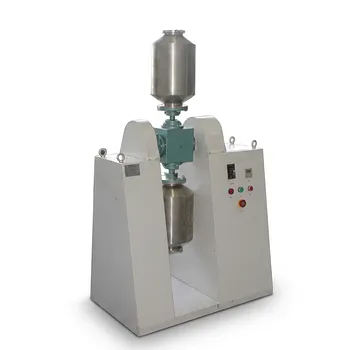
Multi Dimensional Universal Mixer for High Uniformity Powder Blending
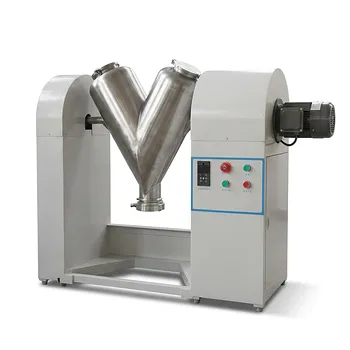
V-Type Powder Mixer for Uniform Blending of Dry Powders and Granules
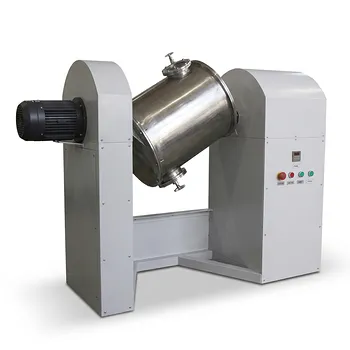
Inclined Mixer for Homogeneous Powder Blending and Grinding
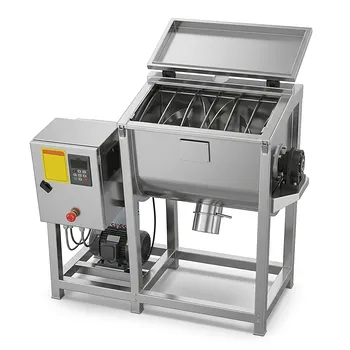
Horizontal Ribbon Mixer for Uniform Powder and Slurry Mixing
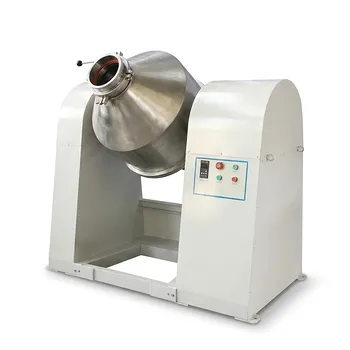
Industrial Double Cone Mixer for Powder Blending and Homogeneous Mixing
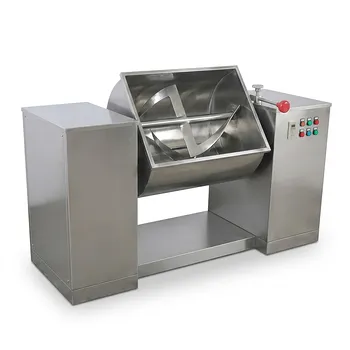
Horizontal Trough Mixer for Uniform Powder and Paste Blending
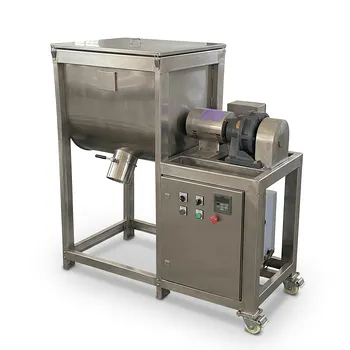
Horizontal Ribbon Mixer for Dry Powder and Slurry Blending
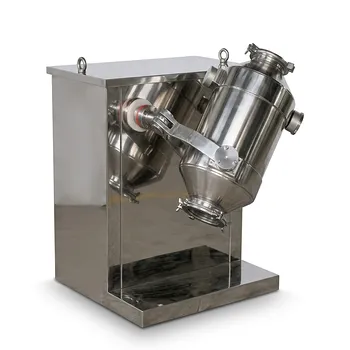
Three-Dimensional Motion Mixer for Laboratory Powder and Granule Blending
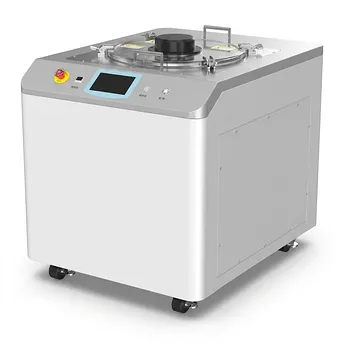
Industrial Planetary Centrifugal Vacuum Defoaming Mixer for High Viscosity Paste and Powder Homogenization
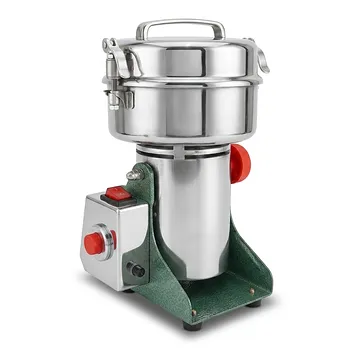
Small High-Speed Laboratory Grinder for Powder Processing
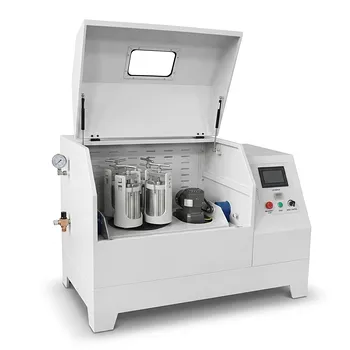
Vertical Production Planetary Ball Mill for High Throughput Powder Processing
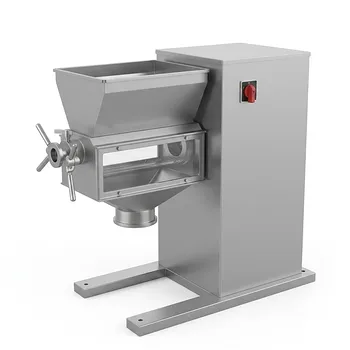
Industrial Swing Granulator for Powder Processing in Pharma Food and Chemical Industries

Stainless Steel Rotary Vibrating Sieve High Precision Circular Vibratory Separator Industrial Powder Grading Machine Multi Layer Sifting Equipment
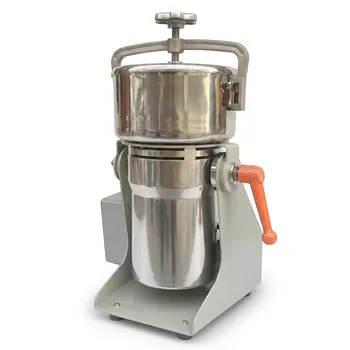
High Speed Laboratory Grinder Efficient Stainless Steel Powder Pulverizer Universal Material Science Mill for Sample Preparation
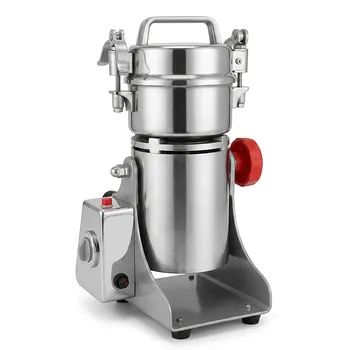
Industrial High Speed Small Sample Pulverizer Swing Type Laboratory Grinder for Powder Processing
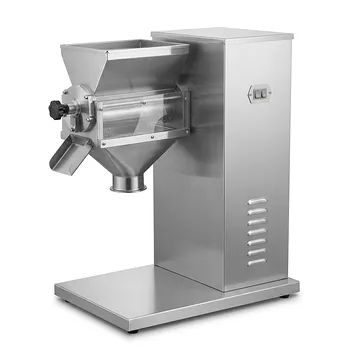
Small Swing Granulator Efficient Powder Granulation for Pharmaceutical Chemical Food Industries
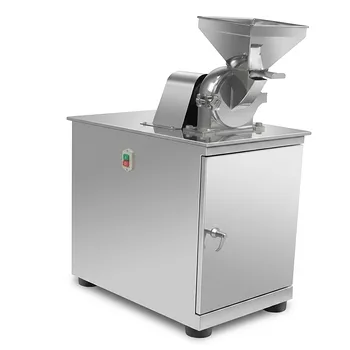
Universal Laboratory Pulverizer Grinder for Small Batch Powder Processing and Material Science Research

Automatic Vibrating Powder Feeder for Laboratory Material Processing Precision Vibratory Hopper Feeder for Granular and Powder Material Handling Industrial Grade Vibrating Tray Feeder for Consistent Material Sample Preparation
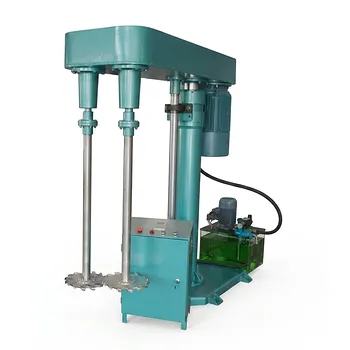
Hydraulic Double Shaft Disperser for High Viscosity Liquid Mixing and Dispersion