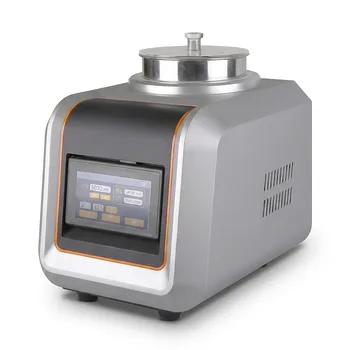
How does a vibratory sieve shaker contribute to the particle size distribution analysis of ironstone ore? - Optimize PSD
Updated 5 months ago
A vibratory sieve shaker is the primary instrument for quantifying the particle size distribution (PSD) of ironstone by applying high-frequency mechanical or electromagnetic energy to a stack of standard mesh sieves. This equipment stratifies crushed ore into distinct size fractions, allowing technicians to generate accurate PSD curves and calculate critical indices like P80 and d50. These data points are essential for optimizing crushing ratios, ensuring mineral liberation, and predicting the performance of downstream processing equipment such as spiral concentrators and magnetic separators.
A vibratory sieve shaker transforms raw ironstone samples into actionable data by mechanically standardizing the separation of particles across various mesh sizes. This process is the foundation for determining material compaction, reduction reaction kinetics, and the overall efficiency of the mineral extraction circuit.
The Mechanics of Particle Stratification
High-Frequency Vibration and Mesh Selection
The shaker utilizes high-frequency vibration to drive ironstone particles through a series of precision test sieves arranged in descending order of aperture size. This mechanical energy ensures that every particle has multiple opportunities to present itself to the sieve openings, facilitating the separation of fine powders from coarser fragments.
Standardizing the Separation Process
Unlike manual sieving, an automatic vibratory shaker applies constant amplitude and duration, which effectively eliminates human operational bias. This standardization is critical for achieving repeatable results, especially when dealing with pellet feed or dry mineral powders where specific fractions—such as those below 100 micrometers—must be precisely quantified.
Multi-Stage Screening of Dry Powders
The equipment enables multi-stage screening, allowing for the simultaneous collection of various size ranges in a single operation. This is particularly vital for iron ore powder characterization, where understanding the proportion of fine particles is necessary to evaluate the ore's water permeability and the risk of filter mesh clogging during industrial transport.
Translating Sieve Data into Process Intelligence
Calculating Critical Size Indices
The primary output of vibratory sieving is the cumulative passing rate curve, which allows engineers to determine the P80 (80% passing size) and d50 (median size). These indices are used in work index formulas to calculate the energy required for grinding and to verify if the roasting process has caused unwanted coarsening of the ore powder.
Optimizing Crushing and Grinding Ratios
By analyzing the PSD curves, technicians can evaluate the yield of undersized materials and adjust crushing ratios in real-time. This ensures that the feed entering the mill is not over-processed, which saves energy and prevents the creation of excessive "slimes" that are difficult to recover.
Verifying Mineral Liberation Characteristics
Accurate sieving provides guidance on mineral liberation, the point at which valuable iron minerals are physically detached from waste rock (gangue). Identifying the ideal size range—often between 75 and 150 μm for certain ores—is critical for ensuring that subsequent gravity or magnetic separation processes operate at peak efficiency.
Impact on Downstream Mineral Processing
Feed Requirements for Separation Equipment
Specific mineral processing equipment, such as shaking tables and spiral concentrators, requires a strictly controlled feed size to function correctly. The vibratory sieve shaker validates that the ironstone ore meets these technical specifications, preventing equipment malfunction and ensuring high recovery rates.
Controlling Material Properties and Reaction Kinetics
The distribution of particle sizes directly affects the compaction properties of iron ore powder and the kinetic characteristics of reduction reactions. A well-graded PSD ensures optimal gas flow through the ore bed in a blast furnace or direct reduction plant, significantly impacting the speed and thoroughness of the iron-making process.
Monitoring Impurity Removal Rates
During roasting and leaching experiments, sieving is used to isolate specific size fractions, such as +475 micrometers or -75 micrometers. By testing these fractions individually, researchers can determine how particle size influences the rate of impurity removal, allowing for more targeted chemical processing.
Understanding the Trade-offs
The Challenge of Near-Mesh Particles
Particles that are nearly the same size as the sieve aperture can become lodged in the mesh, a phenomenon known as blinding. While high-frequency vibration helps mitigate this, extremely sticky or moist ironstone samples may still require specialized wet-sieving attachments to ensure accuracy.
Material Attrition and Screen Wear
Prolonged vibration can cause material attrition, where softer ironstone particles break down into smaller fragments during the test itself, potentially skewing the results toward a finer distribution. Additionally, the abrasive nature of iron ore can lead to the gradual wear of precision mesh, necessitating regular calibration and screen replacement to maintain data integrity.
Applying PSD Data to Your Ironstone Operation
How to Use Sieve Analysis Results
The data gathered from a vibratory sieve shaker should be applied directly to the configuration of your processing circuit.
- If your primary focus is maximizing throughput: Use the P80 data to adjust your primary and secondary crusher settings, ensuring you are not over-grinding the ore.
- If your primary focus is recovery efficiency: Analyze the mineral liberation size via sieve fractions to determine the optimal feed range for your magnetic separators or shaking tables.
- If your primary focus is downstream reaction speed: Monitor the percentage of fine powders (under 100 μm) to ensure the ore maintains the porosity required for efficient gas-solid reduction reactions.
By precisely quantifying particle size distribution, the vibratory sieve shaker serves as the essential bridge between raw ore extraction and refined mineral production.
Summary Table:
| Feature | Role in Ironstone Analysis | Operational Benefit |
|---|---|---|
| High-Frequency Vibration | Stratifies ore particles through precision mesh | Ensures repeatable and unbiased separation |
| Multi-Stage Screening | Simultaneously isolates multiple size fractions | Rapidly identifies fine powders (<100μm) |
| PSD Curve Generation | Calculates critical P80 and d50 indices | Optimizes crushing ratios and energy use |
| Liberation Verification | Identifies optimal size for mineral detachment | Maximizes recovery in magnetic separation |
Elevate Your Mineral Analysis with Professional Lab Solutions
Precision in particle size distribution is the foundation of efficient ironstone processing. We provide complete laboratory sample preparation solutions for material science, specializing in high-performance powder processing and compaction equipment.
Whether you need to reduce raw ore with our jaw and roll crushers, achieve ultra-fine results with planetary ball or jet mills, or ensure perfect stratification using our vibratory and air-jet sieve shakers, our equipment is designed for accuracy and durability. We also offer a full spectrum of hydraulic presses (CIP/WIP) and specialized mixers to support your entire R&D workflow.
Ready to optimize your mineral liberation and processing efficiency? Contact our experts today to find the right equipment for your lab!
References
- Adedayo Adeuti, E. O. Ajaka. Concentration of Bauxite and Iron Minerals from Onigboro Ironstone, Ogun State, Nigeria. DOI: 10.11648/j.ijmpem.20251003.11
Mentioned Products
- Vibratory Sieve Shaker Electromagnetic 3D Motion Powder Particle Size Analyzer for Dry and Wet Sieving
- Laboratory Dry and Wet Three Dimensional Vibratory Sieve Shaker for Particle Analysis
- Stainless Steel Laboratory Vibratory Test Sieve Shaker
- Heavy Duty Dry Three Dimensional Vibratory Sieve Shaker for Particle Separation
- Dry Three Dimensional Vibratory Sieve Shaker
People Also Ask
- How does a vibratory sieve shaker contribute to optimizing the performance of activated carbon? Enhance Adsorption Precision
- Why is a laboratory vibratory sieve shaker necessary for processing magnesium-based borate precursor powders? Boost Activity
- Why use a vibratory sieve shaker to verify coarse aggregate grading in rubberized concrete? Ensure Structural Integrity
- What function do vibratory sieve shakers and standard test sieves serve in the preparation of adsorbents? Key Guide
- What role does a vibratory sieve shaker play in the particle size analysis of ground corn products? Enhance QC Precision

Tech Team · PowderPreparation
Last updated on May 14, 2026
Related Products
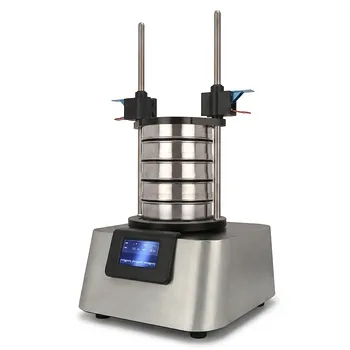
Vibratory Sieve Shaker Electromagnetic 3D Motion Powder Particle Size Analyzer for Dry and Wet Sieving
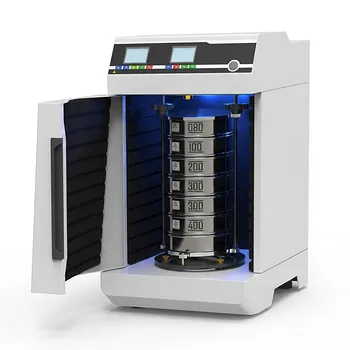
Laboratory Dry and Wet Three Dimensional Vibratory Sieve Shaker for Particle Analysis
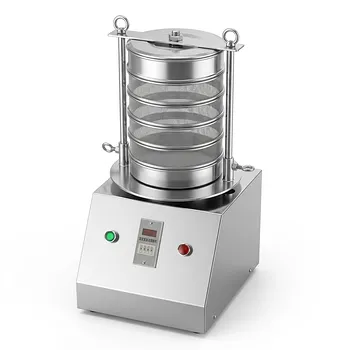
Stainless Steel Laboratory Vibratory Test Sieve Shaker
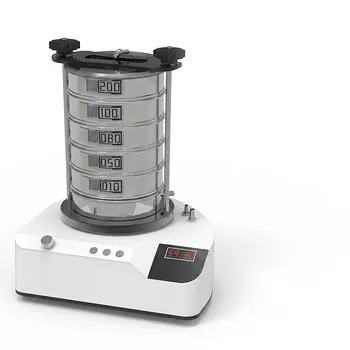
Heavy Duty Dry Three Dimensional Vibratory Sieve Shaker for Particle Separation
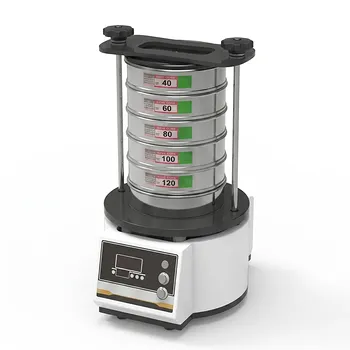
Dry Three Dimensional Vibratory Sieve Shaker
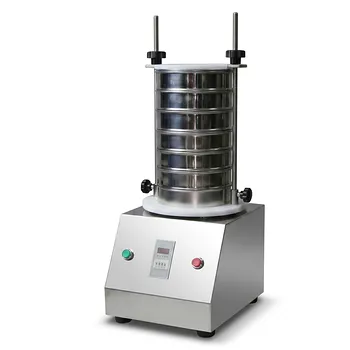
Small Laboratory Vibratory Sieve Shaker for Powder Gradation and Particle Size Analysis
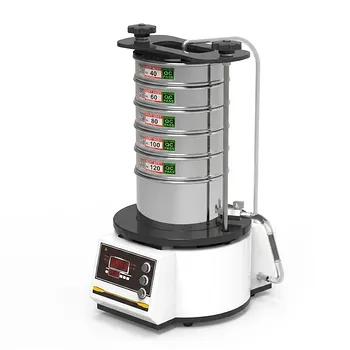
High Frequency Wet Three-Dimensional Vibrating Sieve Shaker for Dry and Wet Particle Size Analysis
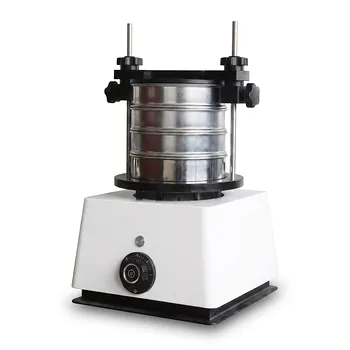
Small Laboratory Vibrating Sieve Shaker for Precise Particle Size Analysis
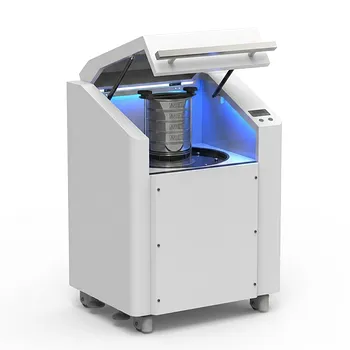
High Frequency Cabinet Type Three-Dimensional Rotary Vibrating Sieve Shaker for Dry Sieving and Particle Classification
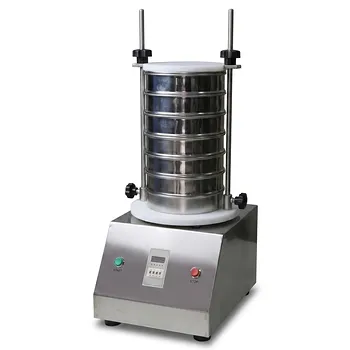
Laboratory Vibratory Test Sieve Shaker for Precision Particle Size Analysis and Powder Grading
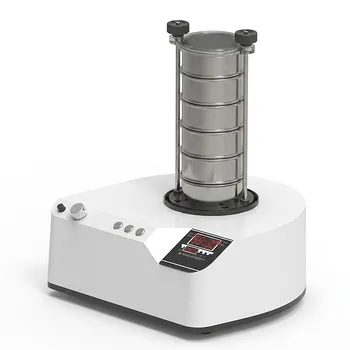
三维电磁微量振动筛分仪
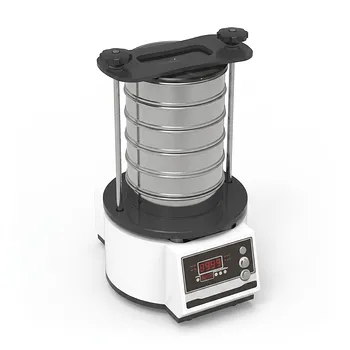
Tapping Oscillating Sieve Shaker for Dry and Wet Particle Size Analysis
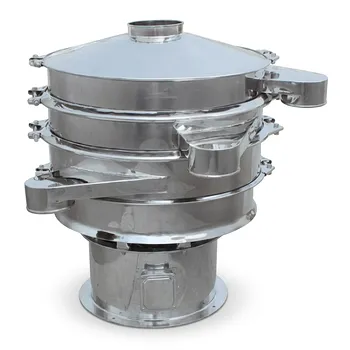
Stainless Steel Rotary Vibrating Sieve High Precision Circular Vibratory Separator Industrial Powder Grading Machine Multi Layer Sifting Equipment
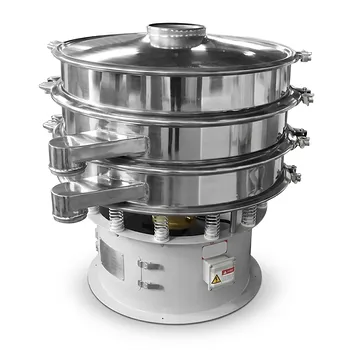
Three Dimensional Rotary Vibrating Sieve
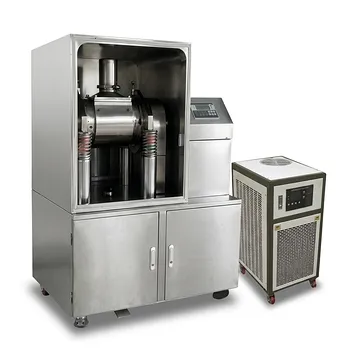
Small Vibrating Ultrafine Grinder for Traditional Chinese Medicine

Automatic Vibrating Powder Feeder for Laboratory Material Processing Precision Vibratory Hopper Feeder for Granular and Powder Material Handling Industrial Grade Vibrating Tray Feeder for Consistent Material Sample Preparation
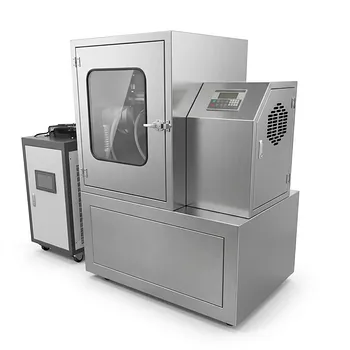
Vibratory Superfine Grinder for Ultra Fine Laboratory Powder Milling
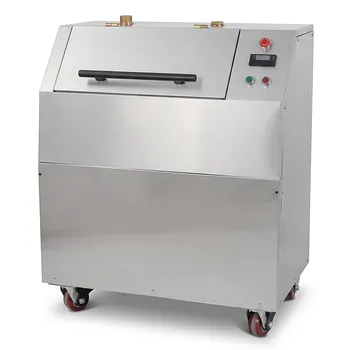
Vibratory Disc Mill for Rapid Fine Grinding and High Throughput Sample Preparation of Hard and Brittle Materials