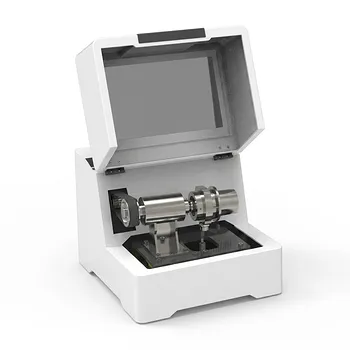
How does a planetary ball mill enhance the reactivity of coal gangue? Optimize mechanical activation for materials.
Updated 4 months ago
Mechanical activation through planetary ball milling is a high-energy process that transforms inert coal gangue into a reactive cementitious resource. By applying intense impact and shear forces, the mill reduces the material to micron-level fineness while simultaneously disrupting its internal crystalline structure. This twin-action approach creates a high density of lattice defects and active sites, allowing the gangue to exceed the chemical reactivity limits typically achievable through thermal calcination alone.
Core Takeaway: A planetary ball mill enhances coal gangue reactivity by combining extreme physical refinement with structural amorphization. This process increases the specific surface area and exposes silicon and aluminum atoms, making them highly accessible for subsequent chemical reactions.
The Physics of High-Energy Milling
Impact and Shear Forces
A planetary ball mill operates through high-speed rotation that generates powerful impact and shear forces. These forces are transferred from the grinding media to the coal gangue particles with high frequency.
This mechanical energy is not just used for crushing; it is absorbed by the material, driving physical and chemical changes at the molecular level.
Extreme Particle Refinement
The mill achieves ultra-fine grinding, often reaching micron-level particle sizes within a relatively short processing window, such as two hours.
This drastic reduction in size significantly expands the specific surface area of the powder. For instance, similar processes have shown increases from roughly 6.8 m²/g to over 23.5 m²/g.
Structural Disruption and Lattice Modification
Breaking the Crystalline Framework
Coal gangue contains stable mineral phases like mullite and quartz that are naturally resistant to chemical reactions. The high-energy milling process forcibly disrupts these mineral lattice frameworks.
By breaking down these crystalline structures, the mill induces a state of amorphization. This transition from a structured to a disordered state is a primary driver of enhanced reactivity.
Induction of Lattice Defects
Mechanical activation creates a high density of lattice defects and micro-cracks throughout the material. These defects represent areas of high potential energy where chemical bonds are weakened.
These "damaged" zones become effective active sites on the material surface. They serve as the starting points for secondary hydration or alkali-activation reactions.
Enhancing Chemical Accessibility
Increased Surface Energy
The combination of high surface area and structural disorder results in significantly elevated surface energy. This energy makes the powder more "eager" to react when it comes into contact with other reagents.
In cementitious systems, this allows the gangue to better bond with calcium hydroxide. This synergy leads to the formation of stable hydration products that contribute to material strength.
Solubility of Silicon and Aluminum
Disrupting the lattice makes the silicon and aluminum atoms within the gangue more accessible. In an alkaline environment, these atoms dissolve more readily.
This increased solubility is critical for the synthesis of zeolites or the formation of geopolymer binders. Without mechanical activation, these atoms remain locked within the inert crystalline matrix.
Understanding the Trade-offs
Energy Consumption vs. Reactivity
While planetary ball mills are highly effective, they are also energy-intensive. The cost of the electricity required for high-speed milling must be balanced against the performance gains of the final material.
There is also a point of diminishing returns where further milling does not significantly increase reactivity but continues to consume power.
Risk of Agglomeration
Over-milling can lead to particle agglomeration, where ultra-fine particles begin to stick back together due to high surface energy.
This can actually reduce the effective surface area and hinder the material's performance in liquid-solid reactions. Precise control over milling time and media-to-material ratios is required to avoid this pitfall.
How to Apply This to Your Project
Recommendations for Implementation
- If your primary focus is maximizing pozzolanic activity: Prioritize milling duration and speed to achieve maximum amorphization of the quartz and mullite phases.
- If your primary focus is cost-efficiency: Use mechanical activation as a "finishing" step for pre-calcined gangue to reach reactivity targets with lower energy expenditure.
- If your primary focus is zeolite synthesis: Focus on achieving the highest specific surface area possible to ensure rapid dissolution of silicon and aluminum in alkaline solutions.
By strategically leveraging the mechanical forces of a planetary ball mill, you can unlock the hidden chemical potential of coal gangue for high-value industrial applications.
Summary Table:
| Feature | Mechanism of Action | Impact on Reactivity |
|---|---|---|
| Physical Refinement | High-speed impact & shear forces | Increases specific surface area (e.g., >23.5 m²/g) |
| Structural Change | Breaking mullite & quartz lattices | Induces amorphization and lattice defects |
| Surface Chemistry | Energy absorption at molecular level | Creates active sites for hydration & alkali-activation |
| Solubility | Disruption of inert mineral matrix | Enhances dissolution of Silicon (Si) and Aluminum (Al) |
Unlock the Full Potential of Your Materials
At [Company Name], we provide complete laboratory sample preparation solutions tailored for material science research. Whether you are optimizing coal gangue reactivity or developing advanced geopolymers, our high-performance equipment ensures precision and efficiency.
Our extensive product line includes:
- Advanced Milling: Planetary ball mills, jet mills, disc mills, and liquid nitrogen cryogenic grinders.
- Crushing & Sizing: Jaw/roll crushers, vibratory sieve shakers, and air-jet sieves.
- Powder Processing: Powder mixers and defoaming mixers.
- Compaction Solutions: A full spectrum of hydraulic presses, including Cold/Warm Isostatic Presses (CIP/WIP), standard lab presses, and vacuum hot presses.
Ready to elevate your research outcomes? Our experts are here to help you select the right equipment for your specific mechanical activation needs.
Contact our specialists today to request a quote or consultation!
References
- Jiajun Chen, Xudong Tan. Research on the Thermal–Mechanical Synergistic Activation Mechanism of Coal Gangue and Its Hydration Characteristics. DOI: 10.3390/buildings16010152
Mentioned Products
- Vertical Semi Circular Planetary Ball Mill for Laboratory Precision Grinding
- High Energy Planetary Ball Mill for Nano Scale Grinding and Mechanical Alloying
- Vertical Production Planetary Ball Mill for High Throughput Powder Processing
- Heavy Duty Horizontal Planetary Ball Mill for Efficient Industrial Grinding and Sample Preparation
- 360° Rotating Omnidirectional Laboratory Planetary Ball Mill for Homogeneous Ultra-Fine Grinding and Mixing
People Also Ask
- What role does a planetary ball mill play in the synthesis of Li6PS5Cl (LPSCl)? Unlock High Ionic Conductivity
- Why is a planetary ball mill essential for SiBCN-rGO wet-spinning? Achieve Superior Dispersion and Spinnability
- Why is an intermittent grinding process required for perovskites in a planetary ball mill? Ensure Stability & Purity
- Why is a planetary ball mill required for PET micronization? Ensure Accurate Chemical Analysis of Reprocessed PET
- How does mechanized planetary ball milling compare to manual agate grinding? Optimize sulfide standard material precision.

Tech Team · PowderPreparation
Last updated on Jun 03, 2026
Related Products
Vertical Semi Circular Planetary Ball Mill for Laboratory Precision Grinding
High Energy Planetary Ball Mill for Nano Scale Grinding and Mechanical Alloying
Vertical Production Planetary Ball Mill for High Throughput Powder Processing
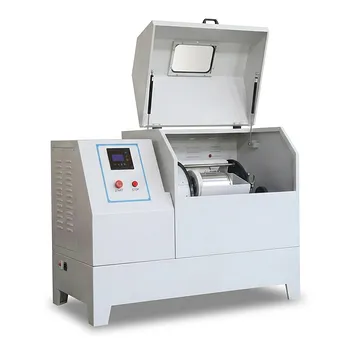
Heavy Duty Horizontal Planetary Ball Mill for Efficient Industrial Grinding and Sample Preparation
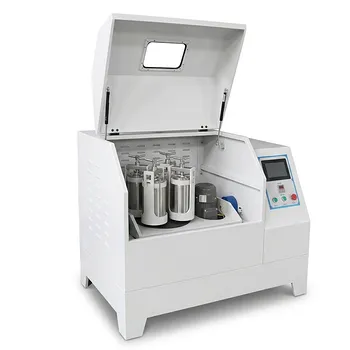
360° Rotating Omnidirectional Laboratory Planetary Ball Mill for Homogeneous Ultra-Fine Grinding and Mixing
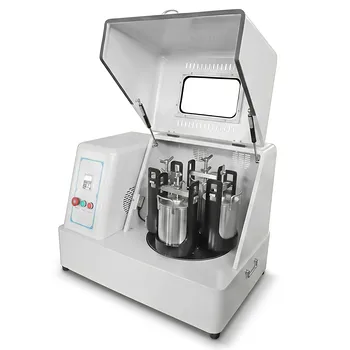
Vertical Square Planetary Ball Mill for Laboratory Sample Preparation and Nanoscale Grinding
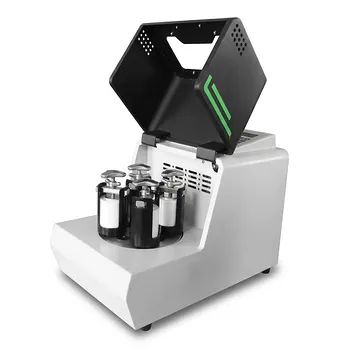
Miniature Planetary Ball Mill with Vacuum Grinding and High Efficiency for Laboratory Sample Preparation
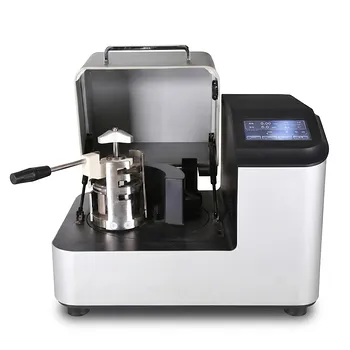
High Energy Laboratory Planetary Ball Mill for Nano Grinding and Material Science Sample Preparation
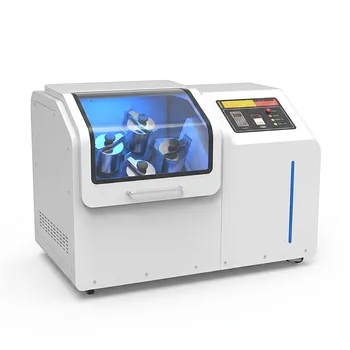
High Energy Omnidirectional Planetary Ball Mill 16L
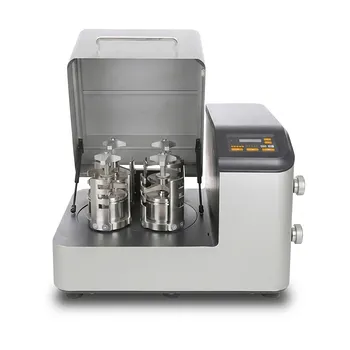
High Energy Planetary Ball Mill for Nano Scale Grinding and Colloidal Mixing in Material Science Research
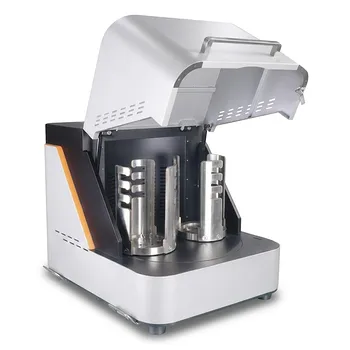
High Energy Laboratory Planetary Ball Mill for Nano Grinding and Colloidal Mixing of Hard and Brittle Materials
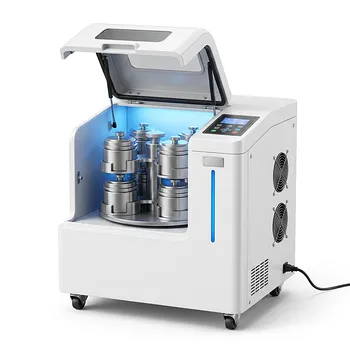
High Energy Omnidirectional Planetary Ball Mill 20L
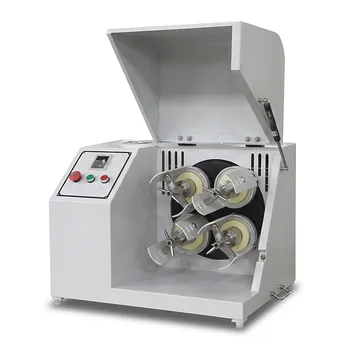
Horizontal Light Duty Planetary Ball Mill for Laboratory Sample Preparation
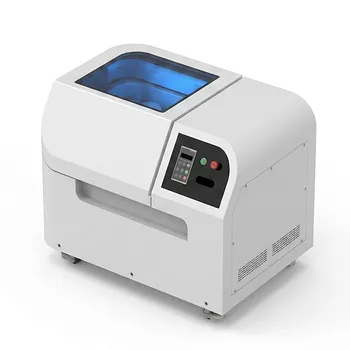
8L Planetary Ball Mill for Laboratory Grinding and Sample Preparation
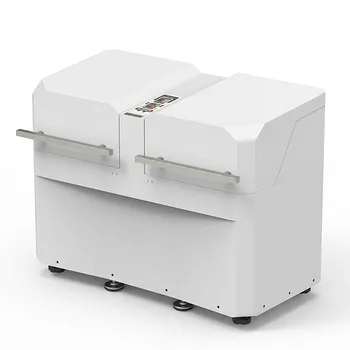
Dual Station Planetary Ball Mill 24L
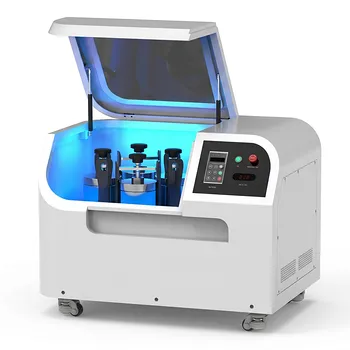
Planetary Ball Mill 12L
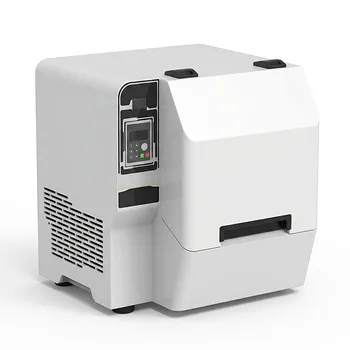
Nano High Energy Vibratory Ball Mill for Laboratory Sample Preparation
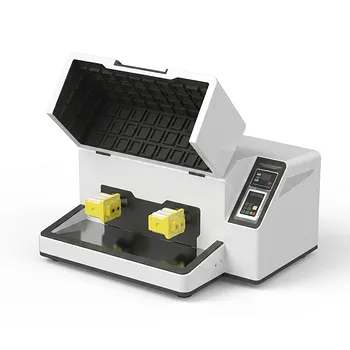
Multi-Platform Nanoscale High-Energy Vibratory Ball Mill
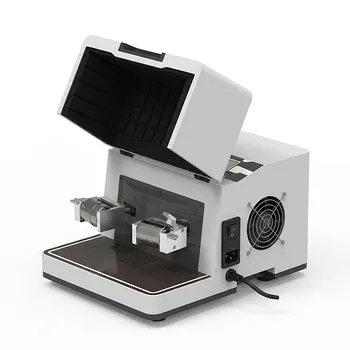
High Energy Hybrid Vibratory Ball Mill for Grinding Mixing and Cell Disruption