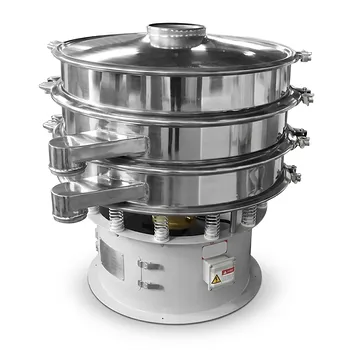
How does a mechanical sieve shaker assist in optimizing the briquetting process for iron ore powders? Enhance Briquette Strength
Updated 5 months ago
Precision particle size distribution (PSD) is the cornerstone of briquette quality. A mechanical sieve shaker optimizes the briquetting of iron ore powders by providing the exact data needed to control packing density, determine binder requirements, and calibrate compression force.
Core Takeaway: By replacing manual variability with consistent mechanical excitation, these devices allow operators to precisely balance the ratio of coarse to fine particles. This data-driven approach ensures maximum compaction density and significantly reduces the trial-and-error traditionally associated with binder and pressure adjustments.
The Role of Particle Distribution in Briquette Density
Influencing Specific Surface Area
A mechanical sieve shaker quantifies the total surface area of the iron ore powder by identifying the proportion of various size fractions. This is critical because smaller particles increase the overall surface area, which dictates how much binder is required to coat every grain effectively.
Optimizing Packing and Compaction
For optimal briquetting, smaller particles must fill the interstitial voids between larger grains. Data from the shaker allows technicians to ensure a sufficient volume of fines—specifically those smaller than 0.063 mm—to achieve the highest possible material density during the forming stage.
Determining Mineral Liberation
Beyond mere size, mechanical screening helps evaluate the degree of mineral liberation at different fractions. Understanding these fractions helps researchers determine the optimal feed size range, ensuring the physical properties of the powder align with the desired metallurgical outcomes of the final briquette.
Calibrating Process Variables with Sieve Data
Precision Binder Dosage
Once the sieve shaker identifies the concentration of superfines (often less than 50 micrometers), operators can adjust binder dosages. This prevents "over-binding," which is costly and can dilute the iron grade, or "under-binding," which leads to fragile briquettes that crumble during transport.
Adjusting Briquetting Pressure
The mechanical resistance of the powder during compaction is a direct function of its particle grading. Sieve analysis provides the baseline data needed to set the specific briquetting pressure, ensuring the material is compacted into a stable form without wasting energy on excessive force.
Monitoring Granulation and Agglomeration
In processes involving wet pellets or pre-granulated mixtures, vibratory shakers serve as a validation tool. By using a specific cutoff diameter (such as 1 mm), the equipment quantifies the fine powder ratio, verifying if the granulation process has reached the ideal state for the next stage of production.
Advantages of Mechanical Over Manual Methods
Consistency Through Stable Excitation
Mechanical sieve shakers utilize stable movements—such as horizontal circular motion or vertical tapping—to create uniform material distribution. This removes the "human element," ensuring that every test is performed under identical conditions for high repeatability.
Increased Passing Probability
High-frequency vibration increases the likelihood that fine particles will contact and pass through the mesh openings. This results in a more thorough separation compared to manual shaking, which often leaves fine debris trapped among larger fragments.
Establishing Reliable Breakage Models
The efficiency of mechanical screening allows for the rapid generation of mass fraction data. This data is essential for establishing t10 breakage parameters and t-curve models, which help engineers predict how iron ore fragments will behave under impact or stress.
Understanding the Trade-offs
Limitations in Moisture Sensitivity
While mechanical shakers are highly efficient for dry powders, moisture can cause fine particles to clump or "blind" the sieve mesh. If the iron ore powder exceeds a certain moisture threshold, the accuracy of the grading decreases significantly unless specialized wet-sieving attachments are used.
Equipment Wear and Sieve Maintenance
The high-frequency vibration required for precise analysis can lead to mesh deformation over time. To maintain the integrity of the data, laboratories must implement strict calibration schedules and replace sieves that no longer meet standardized tolerances.
Time Requirements for Comprehensive Analysis
Achieving a true "end-point"—where no more material passes through the mesh—takes time. While mechanical shakers are faster than manual methods, the multi-stage screening required for complex iron ore mixtures can become a bottleneck in high-throughput production environments.
How to Apply This to Your Project
Implementation Recommendations
To maximize the value of mechanical sieve analysis in your briquetting operation, focus on the specific goals of your material stream.
- If your primary focus is maximizing briquette strength: Prioritize the analysis of particles under 0.063 mm to ensure high packing density and optimal binder distribution.
- If your primary focus is reducing operational costs: Use regular sieve checks to prevent the over-application of binders and to minimize energy waste from excessive compaction pressure.
- If your primary focus is research and development: Invest in laboratory-grade vibratory shakers to establish precise t-curve models and evaluate the kinetic characteristics of reduction reactions.
Ultimately, the mechanical sieve shaker transforms particle size from a variable to be guessed into a metric to be mastered, ensuring consistent briquette quality.
Summary Table:
| Optimization Factor | Role of Mechanical Sieve Shaker | Key Operational Benefit |
|---|---|---|
| Packing Density | Identifies fines (<0.063mm) to fill interstitial voids. | Maximizes briquette density and physical integrity. |
| Binder Dosage | Quantifies surface area of superfines for precise coating. | Reduces costs by preventing over-binding and dilution. |
| Compaction Force | Provides grading baseline to calibrate pressure settings. | Saves energy and prevents equipment wear from excessive force. |
| Data Consistency | Eliminates manual variability through stable excitation. | Ensures high repeatability for reliable breakage models (t10). |
Elevate Your Material Preparation with Precision Solutions
At [Brand Name], we provide complete laboratory sample preparation solutions tailored for material science and metallurgy. Our expertise in powder processing and compaction equipment ensures your iron ore briquetting process is data-driven and efficient.
From high-performance vibratory and air-jet sieve shakers for precise PSD analysis to an extensive range of hydraulic presses—including Cold/Warm Isostatic Presses (CIP/WIP), vacuum hot presses, and XRF pellet presses—we offer the tools you need to master material density and strength. Whether you require planetary ball mills for grinding or specialized powder mixers, our equipment is designed for durability and accuracy.
Ready to optimize your briquette quality and reduce operational waste?
Contact our technical experts today to find the perfect solution for your laboratory or production line!
References
- Karthik Manu, Weihong Yang. Maximizing the Recycling of Iron Ore Pellets Fines Using Innovative Organic Binders. DOI: 10.3390/ma16103888
Mentioned Products
- Vibratory Sieve Shaker Electromagnetic 3D Motion Powder Particle Size Analyzer for Dry and Wet Sieving
- 三维电磁微量振动筛分仪
- Small Laboratory Vibrating Sieve Shaker for Precise Particle Size Analysis
- Stainless Steel Laboratory Vibratory Test Sieve Shaker
- Laboratory Dry and Wet Three Dimensional Vibratory Sieve Shaker for Particle Analysis
People Also Ask
- How does a vibratory sieve shaker contribute to optimizing the performance of activated carbon? Enhance Adsorption Precision
- Why is a laboratory vibratory sieve shaker necessary for processing magnesium-based borate precursor powders? Boost Activity
- Why use a vibratory sieve shaker to verify coarse aggregate grading in rubberized concrete? Ensure Structural Integrity
- What function do vibratory sieve shakers and standard test sieves serve in the preparation of adsorbents? Key Guide
- What role does a vibratory sieve shaker play in the particle size analysis of ground corn products? Enhance QC Precision

Tech Team · PowderPreparation
Last updated on May 14, 2026
Related Products
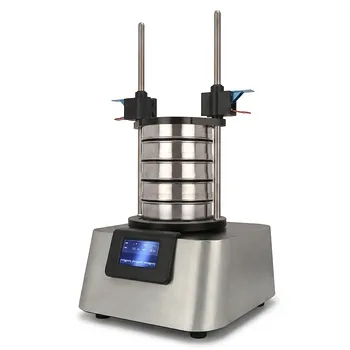
Vibratory Sieve Shaker Electromagnetic 3D Motion Powder Particle Size Analyzer for Dry and Wet Sieving
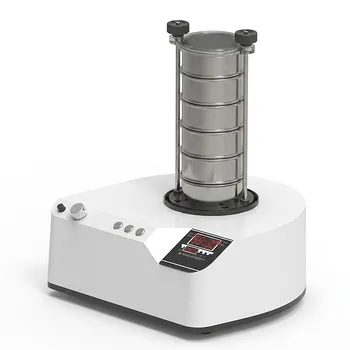
三维电磁微量振动筛分仪
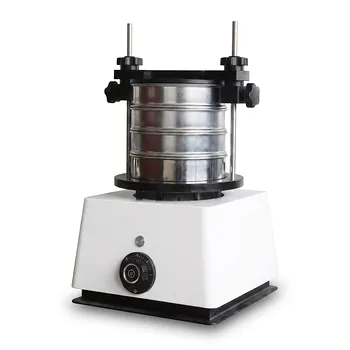
Small Laboratory Vibrating Sieve Shaker for Precise Particle Size Analysis
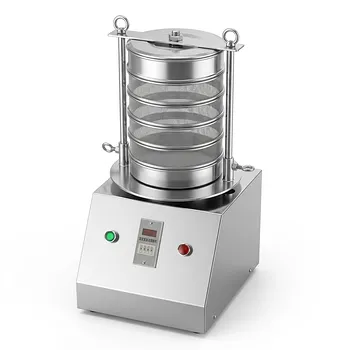
Stainless Steel Laboratory Vibratory Test Sieve Shaker
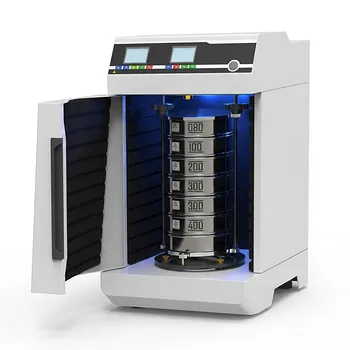
Laboratory Dry and Wet Three Dimensional Vibratory Sieve Shaker for Particle Analysis
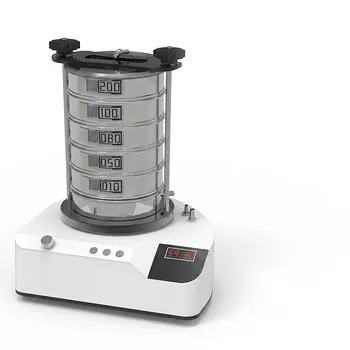
Heavy Duty Dry Three Dimensional Vibratory Sieve Shaker for Particle Separation
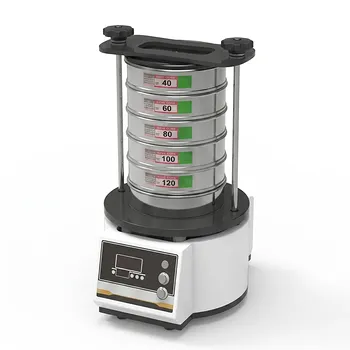
Dry Three Dimensional Vibratory Sieve Shaker
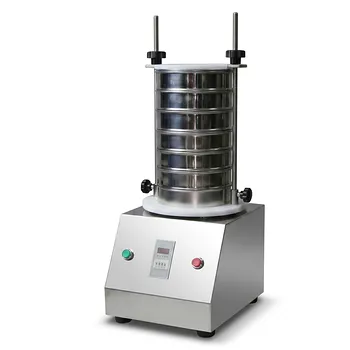
Small Laboratory Vibratory Sieve Shaker for Powder Gradation and Particle Size Analysis
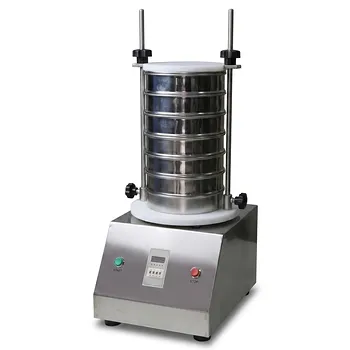
Laboratory Vibratory Test Sieve Shaker for Precision Particle Size Analysis and Powder Grading
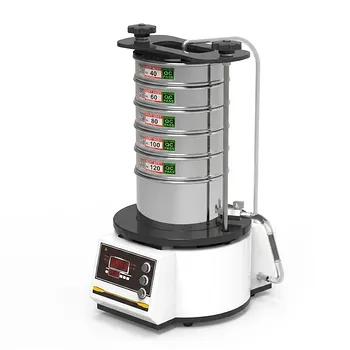
High Frequency Wet Three-Dimensional Vibrating Sieve Shaker for Dry and Wet Particle Size Analysis
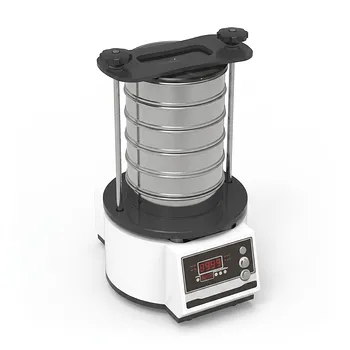
Tapping Oscillating Sieve Shaker for Dry and Wet Particle Size Analysis
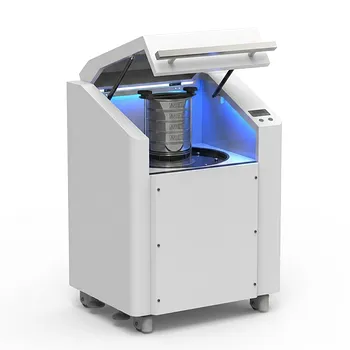
High Frequency Cabinet Type Three-Dimensional Rotary Vibrating Sieve Shaker for Dry Sieving and Particle Classification
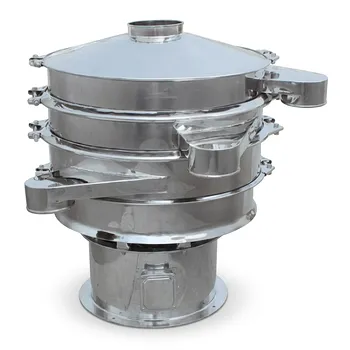
Stainless Steel Rotary Vibrating Sieve High Precision Circular Vibratory Separator Industrial Powder Grading Machine Multi Layer Sifting Equipment
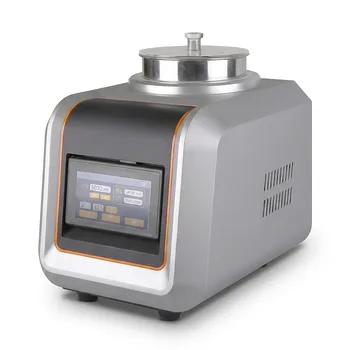
Laboratory Air Jet Sieving Machine for Fine Powder Particle Size Analysis and Deagglomeration